 2026-10-14
 Buying Guide
“From the USA? It must have been a wreck.” It is an easy claim to make. It is no substitute for checking a vehicle.
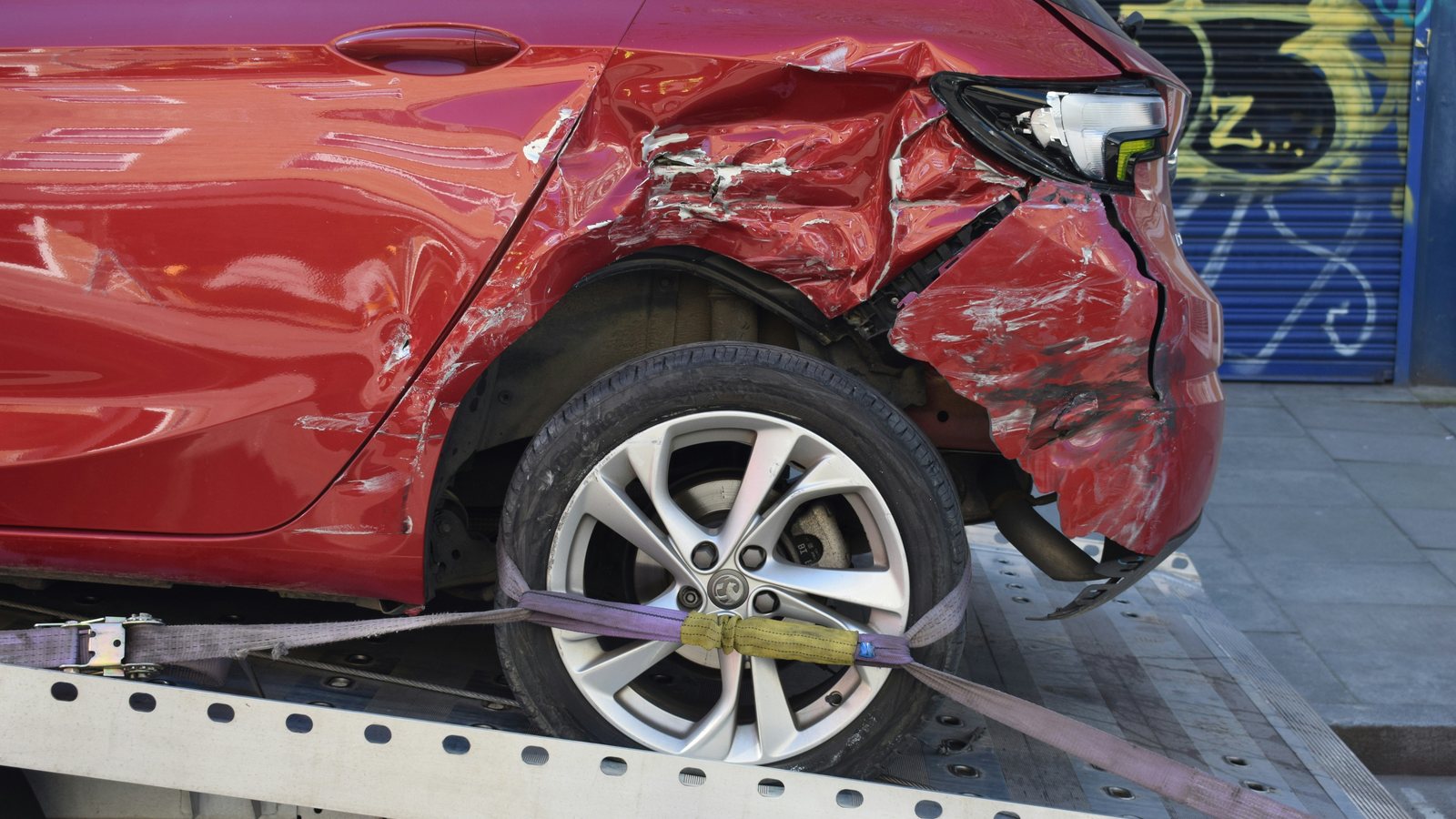
Calling every car imported from the USA an accident-damaged car confuses its origin with its history. Damaged vehicles, undisclosed repairs and dishonest sellers do exist. That is precisely why the individual car matters: who is selling it, which documents are available, and what do reported records and an inspection show?
A country of origin is not a condition report.
Why US imports have this reputation
The problematic cases are real. On 16 April 2025, Europol reported an investigation into a network suspected of importing badly damaged US vehicles, carrying out superficial repairs in Lithuania and selling them in Germany and other European markets. Investigators described concealed damage, missing airbags and other safety defects.
Those cases deserve attention. They concern an investigated trading and fraud route. They do not establish that every car imported from the USA followed that route. The case illustrates a risk; it does not provide an accident rate for the entire US-import market.
The used-car market, auction channel and damage history are different things

US vehicles are sold by commercial dealers and through different auction channels. The market includes lease returns, fleet vehicles, trade-ins and vehicles with known damage. What matters is the history of the particular car being offered.
Even “Copart or IAA automatically means a serious crash” is too simplistic. These platforms offer different types of inventory, including vehicles with Clear or Clean Titles. IAA explicitly explains that Clear-Title vehicles can still need repairs.
A Clean Title therefore does not prove that a car is accident-free. Equally, a Salvage classification does not only result from a collision. The event and the issuing state's rules also matter. Our guide to Clean, Salvage and Rebuilt titles explains the differences.
What does each label actually tell you?
| Label | What it describes | What else to check |
|---|---|---|
| “From the USA” | Origin or previous market | The individual vehicle's history |
| “From a dealer” | The seller | Documents, statements and condition |
| “Clean Title” | Title information | Reported damage and earlier brands |
| “Inspected on site” | Findings within the agreed inspection scope | Open questions and any further diagnosis |
How USCar Trader buys vehicles
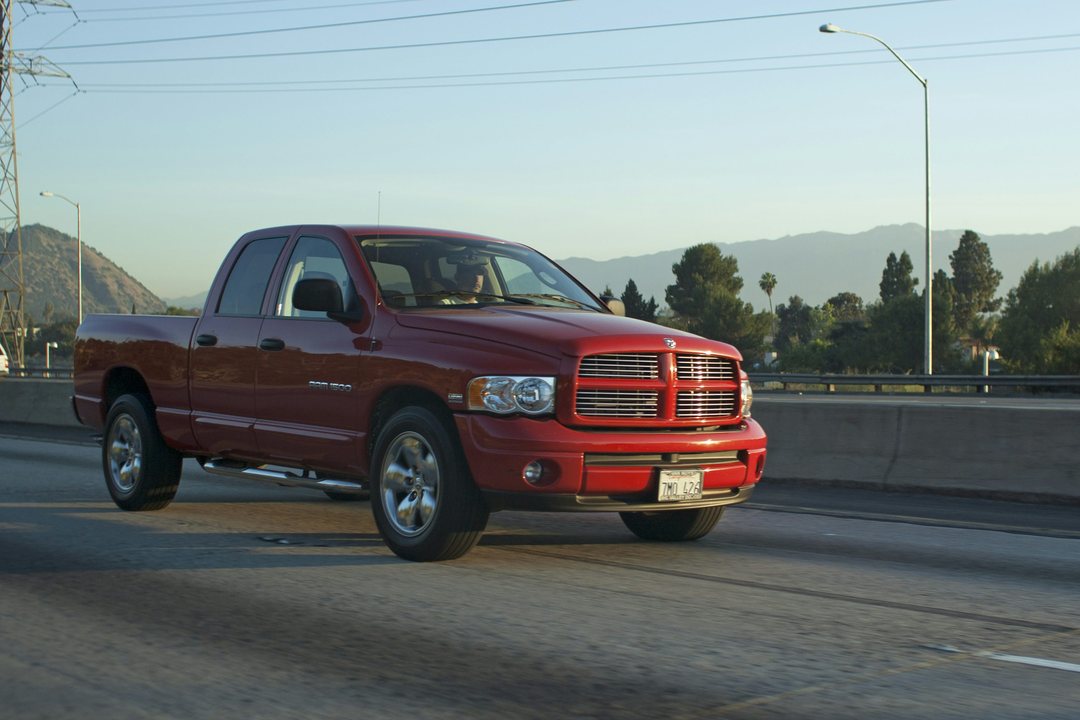
USCar Trader buys vehicles to customer order. Our regular purchasing route is through official vehicle dealers. An expressly requested purchase of a known accident-damaged vehicle is a separate instruction and is treated accordingly.
Our regular service does not involve secretly purchasing damaged cars and concealing their history. We assist with selecting and sourcing the specific vehicle requested by the customer and agree the relevant inspection and import services.
A dealer's name alone does not complete the checks. Even with a commercial seller, statements, documents and the visible condition need to be consistent. This is where the different checks come together.
Three checks that complement one another

1 · Establish identity
Compare the VIN, listing and vehicle documents. VIN decoding helps identify a vehicle; on its own it is not a damage-history report.
2 · Assess reported history
Review available reported events and title information. Coverage and data sources depend on the report; a blank entry does not prove a complete, damage-free past.
3 · Look on site
The agreed inspection documents visible, accessible areas. Photographs and the report help compare the observable condition with the seller's information.
A history report does not automatically reveal every accident or mechanical problem. A visual inspection cannot see inside concealed components and does not replace a comprehensive workshop diagnosis. These checks and documents complement one another; they do not create an accident-free or defect-free guarantee.
The appropriate reports and on-site services are agreed before ordering. Learn more about vehicle history reports and vehicle inspections before purchase.
A German number plate does not erase a vehicle's past
A vehicle already offered in Europe may also have a US history. A different location or registration does not establish that previous damage has been fully disclosed. Questions about origin, documents, damage and repairs remain worthwhile.
The same applies to a used car originally built for the German market. How reliable are the seller's statements? Which repairs are documented? What can be seen on site? These questions concern the individual vehicle.
A better question before buying
“Is this car from the USA?” is easy to answer. A more useful question for a buying decision is: what can we establish about this particular vehicle?
Deliberately choosing a known accident-damaged vehicle as a project is different from buying a supposedly accident-free car with undisclosed damage. Disclosure, traceable documents and checks within an agreed scope are what matter.
Found a vehicle and want to discuss purchasing it and arranging the appropriate checks?
Editorial: USCar Trader · Sources checked on 14 October 2026.
Sources and context
Photo credits and licence
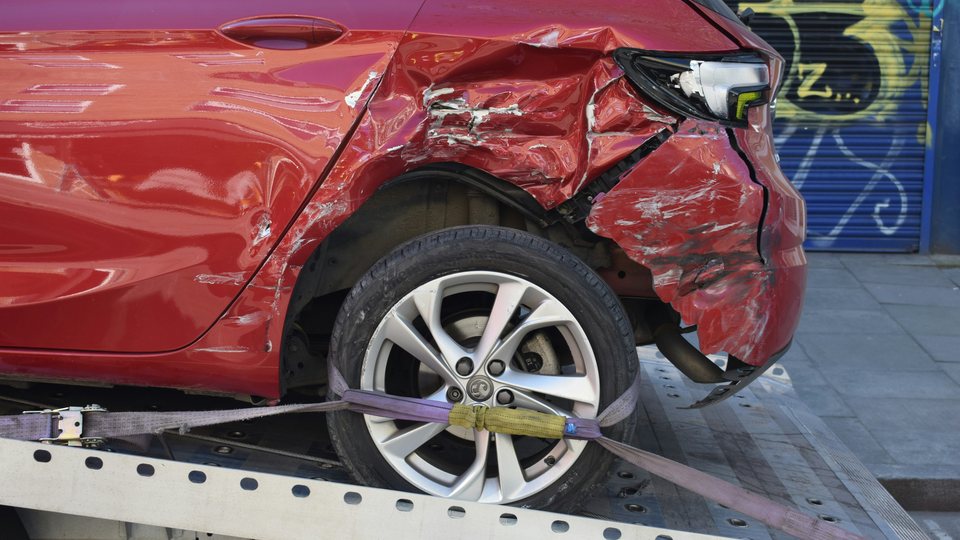
Image note: these photographs show different vehicles for illustration. They are not a before-and-after series, USCar Trader customer vehicles or evidence of an inspection. No claim about accident history is inferred from appearance.