Volvo XC70
Importing a used Volvo XC70 from the USA
The Volvo XC70 is the rugged, raised estate that many buyers quietly prefer to an SUV — a proper load-hauling wagon with all-wheel drive, extra ground clearance and Volvo's understated engineering. US-market XC70s came with drivetrains and options that differ from European cars, and American examples often lived easier lives on straight roads and in dry climates. USCar Trader operates as an independent broker for used US vehicles: we locate a specific car, verify its history and origin, and organize freight and clearance. We are not a dealer and add no stock margin. Here is the detail that matters if you are considering a used XC70 import from the States.

Production years and key changes
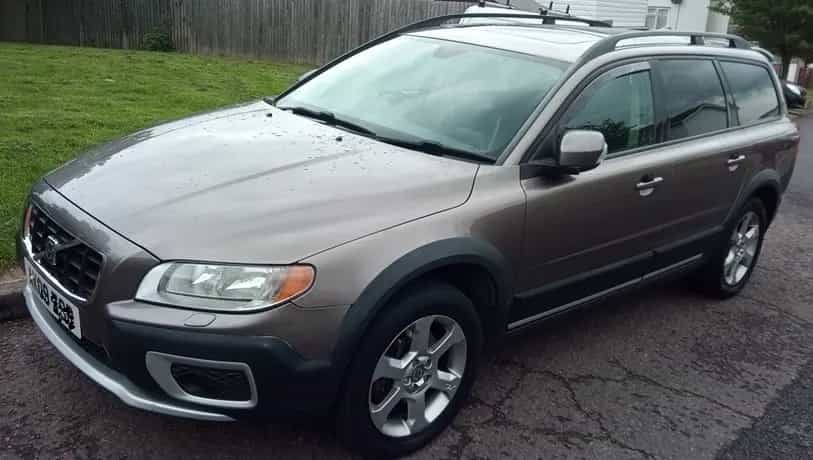
The Cross Country concept began as the 1998 V70 XC, then became the standalone XC70. Two generations are relevant. The P2 XC70 (2000–2007) shared its platform with the second-generation V70 and defined the formula: plastic body cladding, raised suspension and standard all-wheel drive. The P3 XC70 (2008–2016) moved to Volvo's larger EUCD platform, growing more refined and more spacious, with updated electronics and safety systems such as City Safety on later cars. US sales continued into the mid-2010s, so the used pool spans early P2 workhorses to late, well-equipped P3 wagons.
What is under the hood
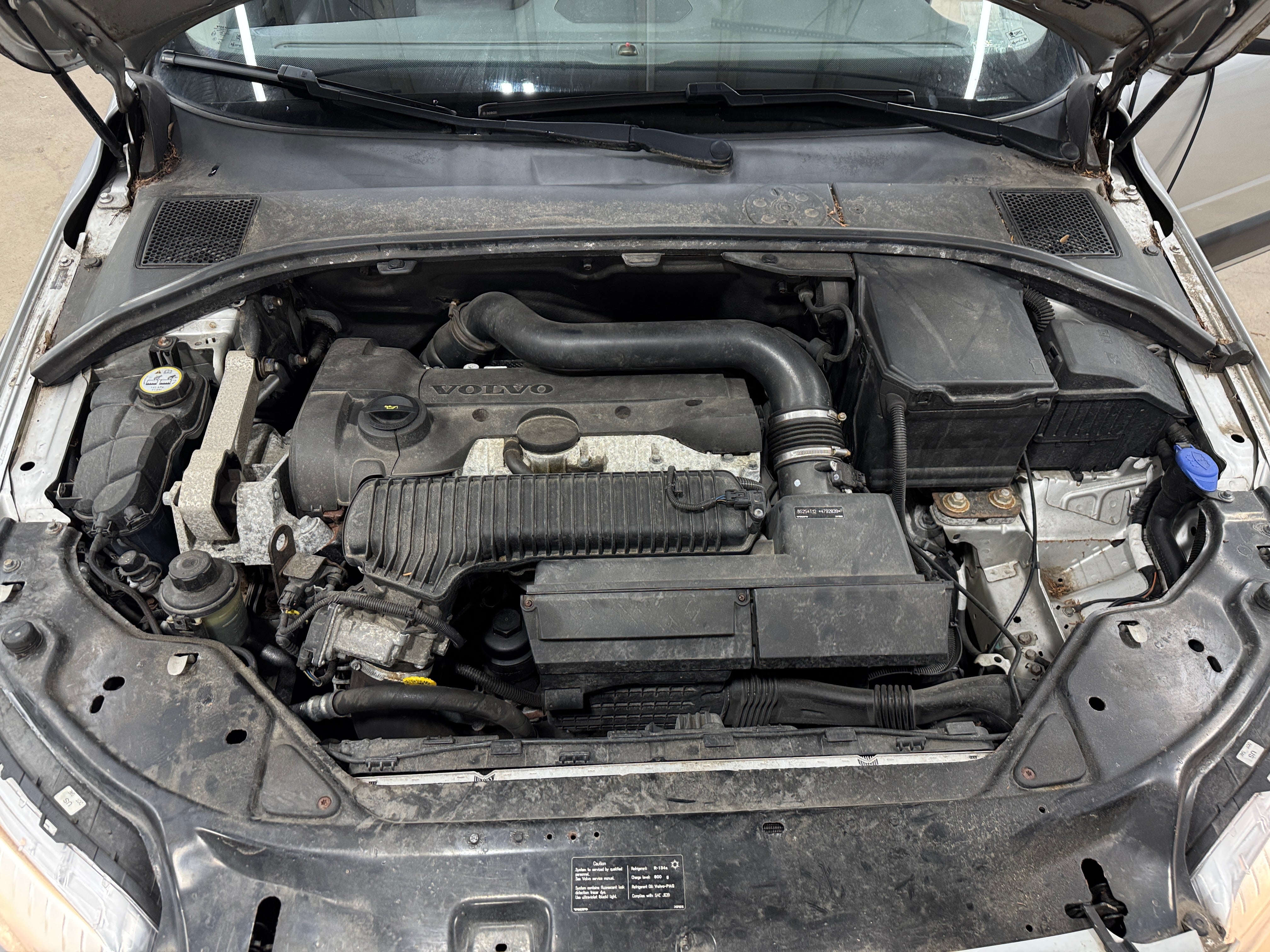
US XC70 engines differ notably from Europe, which never got the American gasoline mix in the same way and, crucially, the US never received the popular D5 diesel. Early P2 cars used the 2.5T five-cylinder turbo, around 208 hp. The P3 launched in the US with the 3.2-liter naturally aspirated inline-six (around 240 hp) and offered the potent T6 3.0-liter turbocharged inline-six (roughly 300 hp) for strong all-weather pace. Later P3 cars added the 2.0-liter T5 Drive-E four. Power reaches all four wheels through an automatic and a Haldex-type coupling with a rear-axle angle gear — a component worth knowing about for maintenance. If you specifically want the smooth six-cylinder AWD wagon, the US market is a good hunting ground.
Trims and body styles
The XC70 is a five-door estate only. US trims centered on well-equipped Premier and Platinum packages with leather, sunroof, and later a large infotainment and premium audio. Platinum cars typically add navigation, upgraded seats and driver-assistance features. The raised ride height and cladding are standard across the line and are part of the car's appeal.
What the US market offers
XC70s were popular with American families in snow states and coastal regions, so supply is steady, particularly 2008–2014 P3 cars with moderate mileage. Sun Belt and West Coast examples tend to be rust-free, which is a real advantage over salted-road cars. Expect a spread from tidy one-owner wagons to higher-mileage haulers; the six-cylinder cars in clean condition are the sweet spot. Prioritize documented service, especially transmission and angle-gear fluid changes.
Who this import is for
Import an XC70 if you want an all-weather family estate with genuine cargo space, comfortable long-distance manners and a quietly premium feel, without the height and image of an SUV. It suits dog owners, outdoor types and anyone who values a wagon's low load lip. If you want sporty handling or minimal running costs, a lighter car may serve better — the XC70 is a comfortable cruiser first.
Technical data and figures
| Item | Detail (typical) |
|---|---|
| Body style | 5-door estate (wagon) |
| Generations | P2 (2000–2007), P3 (2008–2016) |
| Drivetrain | All-wheel drive (Haldex coupling) |
| Engine (P2) | 2.5T inline-5 turbo, ~208 hp |
| Engine (P3 base) | 3.2L inline-6, ~240 hp |
| Engine (P3 T6) | 3.0L turbo inline-6, ~300 hp |
| Engine (late) | 2.0L T5 Drive-E four |
| Transmission | 6-speed automatic |
| Ground clearance | Raised vs. V70 |
| Seating | 5 |
| Fuel type (US) | Gasoline (no US diesel) |
| Assembly | Sweden/Belgium (verify by VIN) |
| 0–60 mph (T6) | ~6.5 s |
| Cargo (rear up) | ~575 L class |
Reliability: trouble spots to check
The XC70 is broadly durable but has known cost centers. The AWD system's rear angle gear (bevel gear) can fail if its fluid is neglected, and the Haldex coupling needs periodic service — both are the classic XC70 common problems. The 3.2 and T6 six-cylinder engines can suffer PCV system clogging that builds crankcase pressure and pushes oil past seals; check the PCV and for oil leaks. Electronic modules, the power tailgate, and the large center display on later cars can act up. Suspension bushings and control arms wear given the car's weight. None of this is unusual for a premium estate, but service history is everything: buy the maintained car, not the cheap one.
US vs. Europe differences
US XC70s use miles-based clusters, US lighting without a rear fog lamp, and — importantly — the American engine range, with no diesel. Equipment packaging differs, and some driver-assistance features were bundled differently than in Europe. These are all manageable but each becomes a registration item.
How the import works
Selection of the specific car, a VIN and origin check to establish the assembly plant, escrow payment, ocean freight to a European port, customs clearance, a German TÜV individual approval (Einzelabnahme), and registration. We coordinate every handoff.
Import duty, VAT and fees
Bottom line: what matters is the factory shown by the VIN – proven US origin unlocks 0% duty. The 19% import VAT always applies.
Read the two charges separately. The EU import duty can be 0% only for provably US-origin vehicles under Regulations (EU) 2026/1455 and 2026/1461, in force since 1 July 2026 for direct transport and until 31 December 2029. The XC70 is a Volvo commonly built in Europe, so its origin often is not American — which means the applicable rate depends entirely on the individual car's verified VIN and plant, and we never promise duty-free. Separately and always, the 19% German import VAT (Einfuhrumsatzsteuer) is due on the customs value. Both are stated transparently with no added margin.
From modifications to registration
Typical work covers fitting or coding a rear fog lamp, adapting the lighting, converting the speedometer to km/h where required, and confirming the odometer and documentation. As a modern gasoline car, emissions conformity and paperwork alignment are the main focus.
Pre-buy inspection points
1. Verify the VIN and assembly plant for the customs-origin case. 2. Pull a Carfax or AutoCheck history and confirm a clean, non-salvage title. 3. Demand angle-gear and Haldex fluid service records. 4. Check the PCV system and for oil leaks on six-cylinder cars. 5. Inspect suspension bushings and control arms. 6. Test the power tailgate, electronics and infotainment. 7. Confirm no salted-road corrosion underneath.
What buyers ask most
Which XC70 engine should I look for?
The naturally aspirated 3.2 six is smooth and simpler; the T6 turbo six adds real pace. Both suit the AWD wagon well.
Can I get a diesel XC70 from the USA?
No. The US market never sold the XC70 diesel; American cars are gasoline only.
What is the XC70's biggest weak point?
Neglected AWD maintenance — the rear angle gear and Haldex coupling — plus PCV issues on the sixes.
Is the 0% EU import duty guaranteed?
No. It applies only with provable US origin. Because the XC70 is often European-built, the rate follows the verified VIN and plant.
Does the 19% import VAT always apply?
Yes. The German Einfuhrumsatzsteuer is always due on import, separate from any customs duty.
Are US XC70s rust-free?
Dry-state and West Coast cars usually are; always inspect the underside on any example.
How practical is the XC70 as a family car?
Very — a low load lip, big boot, comfortable seats and AWD make it a strong all-weather estate.
Does USCar Trader manage the full import?
Yes. As an independent broker we source the car and coordinate escrow, freight, customs, TÜV and registration.
Discover more via Volvo in the Carhub, compare the related Volvo V60 Cross Country and Volvo V60, or browse current XC70 listings.