Volvo S80

Importing a used Volvo S80 from the USA

The Volvo S80 was Volvo's flagship sedan for nearly two decades, and the American market bought it in configurations that never reached European showrooms in the same mix. If you are looking to import a used Volvo S80 from the USA, the appeal is straightforward: many US cars were highway-driven long-distance sedans, kept in dry southern states, and specified with the larger six-cylinder engines and all-wheel drive that are comparatively scarce on the European used market. USCar Trader works purely as an independent broker for used US vehicles, without its own margin and without any tie to Volvo, so the focus here is on giving you the technical background you need before you commit.

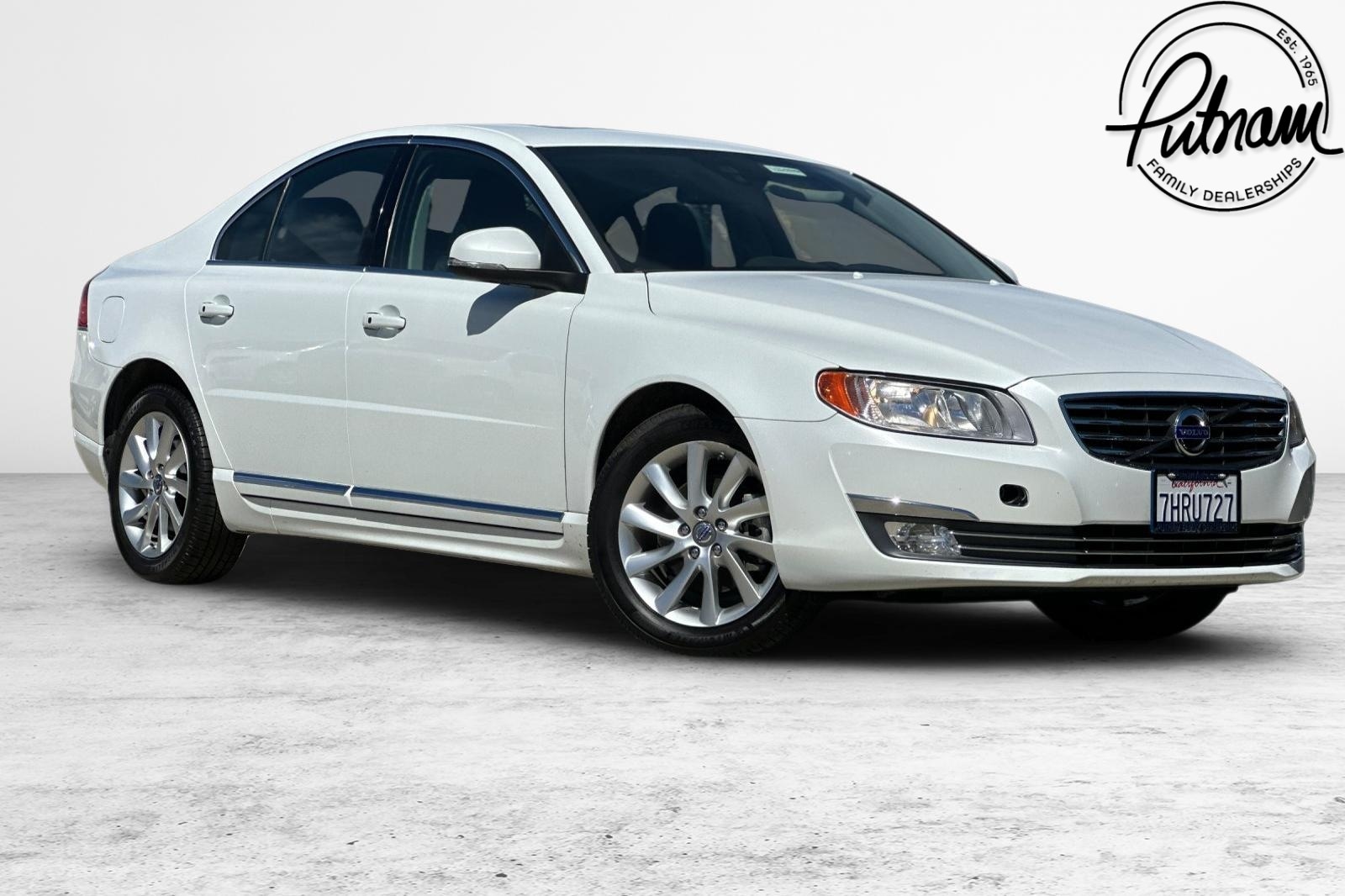
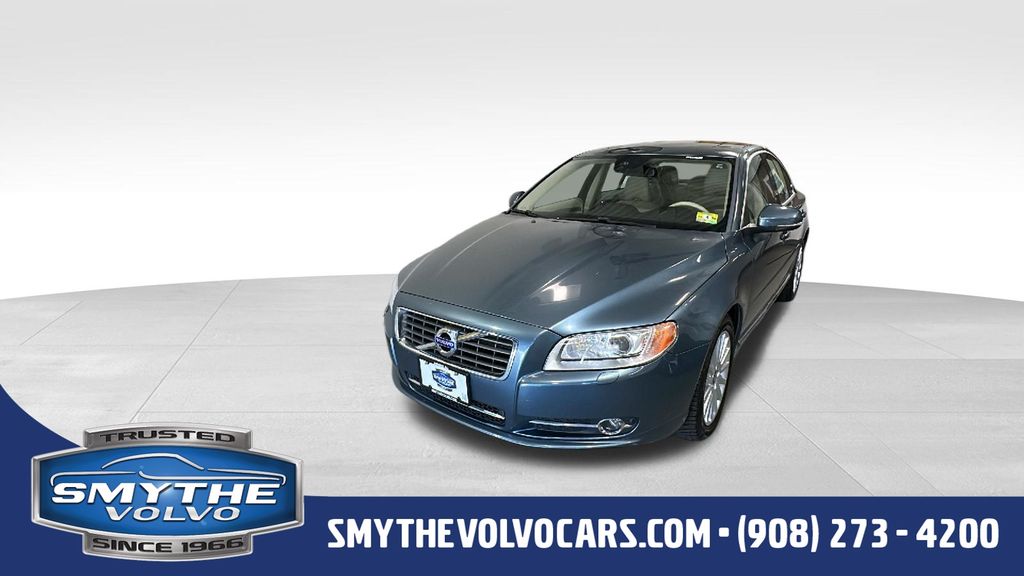
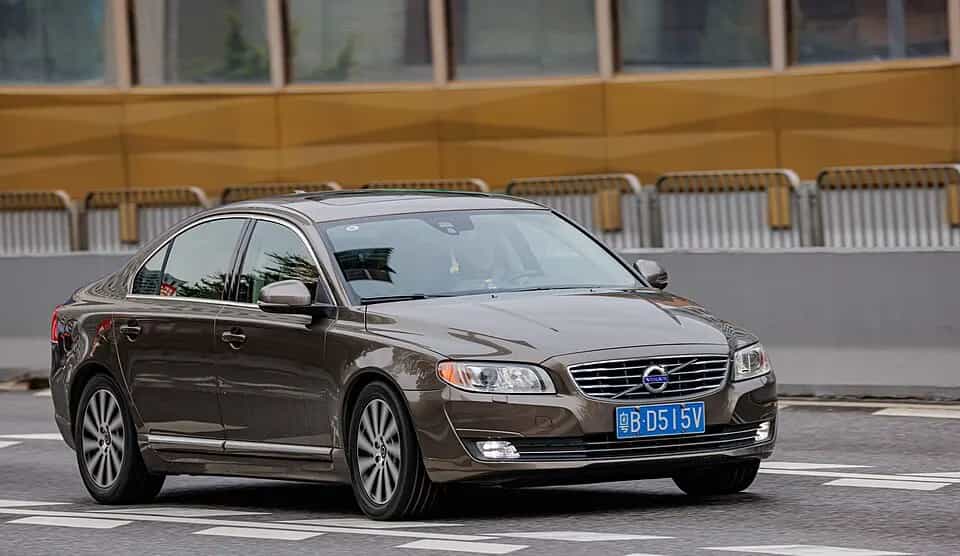
Volvo S80 – used car imported from the USA
Photo: Dinkun Chen · CC BY-SA 4.0 · Wikimedia Commons

Generations at a glance

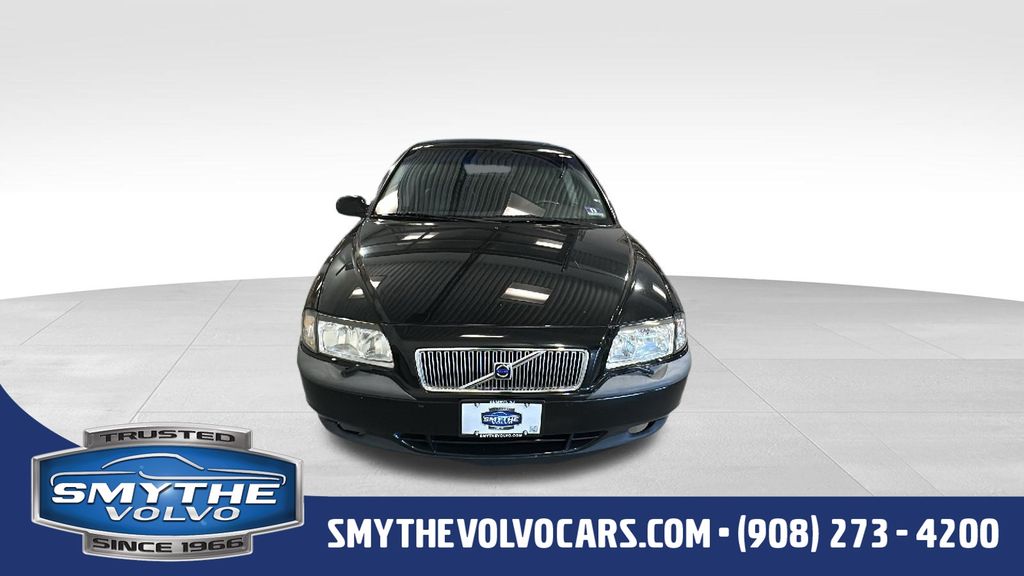
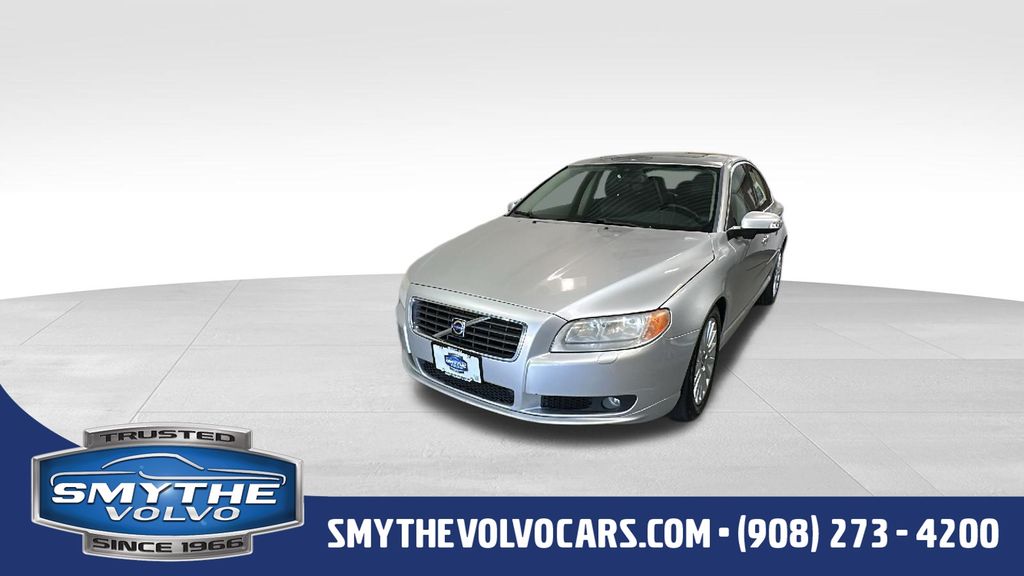
Two generations of S80 are relevant. The first (1998-2006) rode on Volvo's P2 platform, a transverse front-wheel-drive layout shared with the S60 and V70. The headline engine was the 2.9-litre inline-six, offered as a naturally aspirated unit and as the twin-turbo T6. The second generation (2007-2016), built on the larger P3/EUCD platform, is the one most US importers target today. It brought a wider track, a more refined cabin, and Volvo's SI6 3.2-litre inline-six mounted transversely, along with an available Haldex-based all-wheel-drive T6 and, briefly, a Yamaha-built V8.

Powertrain lineup

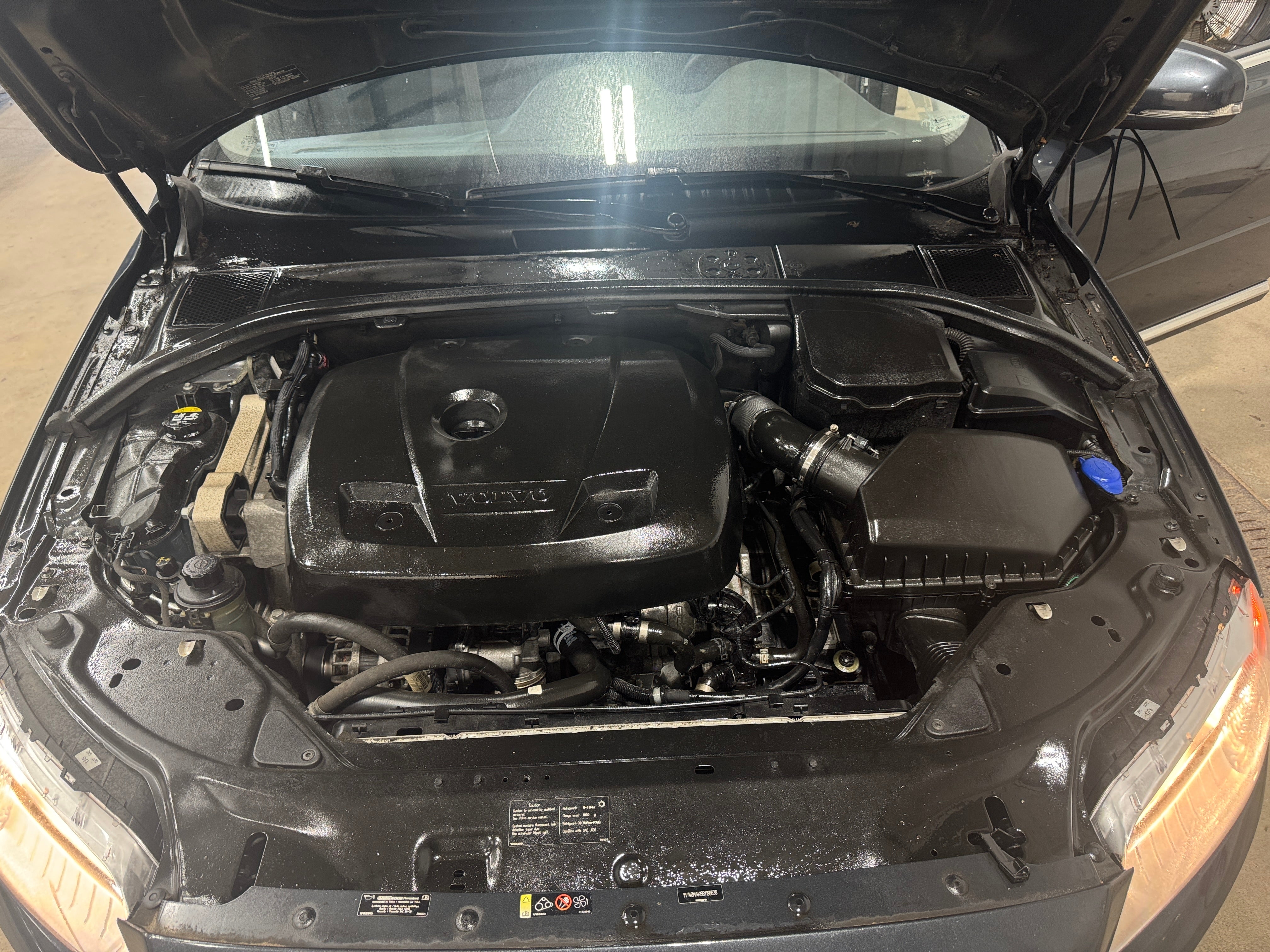
In the US, the second-generation S80 was sold most commonly as the 3.2 (a 235 hp naturally aspirated SI6 inline-six, front-wheel drive) and as the T6 (a 3.0-litre turbocharged inline-six making roughly 281 hp, later around 300 hp, with all-wheel drive). The rarity worth hunting is the S80 V8 (2007-2011), fitted with the 4.4-litre B8444S — a compact 60-degree V8 developed with Yamaha, good for about 311 hp and paired with AWD. Every second-generation S80 used the Aisin TF-80SC six-speed automatic. Earlier P2 cars used a five-speed auto behind the 2.9 and T6 sixes.

Trims in the US market

The S80 was only ever a four-door sedan; there was no wagon variant under the S80 name (the closely related estate was the V70). US trim structure was simple: base 3.2 models, better-equipped 3.2 Platinum, the sporty-leaning T6, and the range-topping V8. Executive and R-Design touches appeared on some later cars. Typical equipment on US examples includes leather, a panoramic roof, the Volvo Sensus infotainment on late cars, and safety systems such as City Safety and BLIS blind-spot monitoring.

The used market stateside

S80s are plentiful on the American used market, particularly 2008-2014 cars. Because it was a comfortable long-distance sedan rather than a sporty one, many carry higher-than-average but honest highway mileage; a well-kept 2011-2015 example with full service history is a realistic target. Sun-belt cars tend to be rust-free but can show interior sun damage; northern cars are the reverse. The V8 versions are the ones that hold interest for collectors and are worth verifying carefully.

Who should import one

The S80 suits a buyer who wants a quietly capable executive sedan with genuine rarity value in Germany, especially anyone after the AWD T6 or the one-of-a-kind V8. It is not a car for someone chasing the lowest running costs — the six-cylinder and V8 drivetrains reward diligent maintenance. If you value comfort, understated design and something your neighbours will not have, a used S80 imported from the USA makes a compelling case.

Key specifications

ItemDetail (typical Gen 2, 2007-2016)
Body styleFour-door executive sedan
PlatformVolvo P3 / EUCD
Base engine3.2 SI6 inline-six, naturally aspirated
Base outputapprox. 235 hp
Turbo engine3.0 T6 turbo inline-six
T6 outputapprox. 281-300 hp
V8 (2007-2011)4.4 B8444S, approx. 311 hp
TransmissionAisin TF-80SC 6-speed automatic
DrivetrainFWD (3.2) or AWD (T6/V8, Haldex)
Lengthapprox. 4,851 mm
Wheelbaseapprox. 2,835 mm
Kerb weightapprox. 1,650-1,850 kg
FuelPetrol (US market)
Seating5
Production1998-2006 (Gen 1), 2007-2016 (Gen 2)

How reliable is it?

The SI6 and T6 sixes are chain-driven and fundamentally durable, but they punish neglect. The most talked-about Volvo S80 common problems are the PCV (oil trap) system clogging, which can pressurise the crankcase and push oil past seals, and the angle gear (bevel gear) on AWD cars, which can fail if its oil is never changed. The Aisin six-speed is robust only when its fluid is serviced — many owners treat it as sealed-for-life, which it is not. Early P2 cars are known for the ETM electronic throttle module. On the V8, the timing chains and cam adjusters are the items to have inspected. Electrical gremlins in the CEM (central electronic module) appear on higher-mileage cars. None of this is unusual for the class, but S80 reliability is very much a function of prior maintenance.

What US models do differently

US S80s frequently came with the larger six-cylinder and V8 engines that were rare or unavailable in Europe, where four-cylinder and diesel S80s dominated. Expect amber front side markers, US-spec headlights, miles-per-hour clusters and, on some cars, a slightly different equipment mix. There was no diesel S80 in the US, so every imported car will be petrol — relevant for your emissions and registration paperwork.

Seven steps to your import

The process runs in a clear sequence: shortlist a specific car and confirm the exact trim; run a VIN and origin check to establish where the car was built and its history; use an escrow or verified-payment arrangement rather than paying a seller directly; book ocean freight (container or RoRo) to a German port such as Bremerhaven; clear customs on arrival; present the car for TUEV and, if needed, individual approval (Einzelabnahme); and finally register it locally. USCar Trader coordinates these stages as your broker.

Customs, taxes and costs explained

Key point: duty depends on the plant of build; only a VIN check secures the 0% rate. Import VAT of 19% applies regardless.

Two charges are separate and must be understood as such. First, the import duty: the 0% EU rate for US-origin cars under Regulations (EU) 2026/1455 and 2026/1461 applies only when US origin is provable from the VIN and build plant, with direct transport. The S80 was assembled in Sweden (Gothenburg/Torslanda), so a European-built example will normally not qualify for the 0% rate, and the standard duty applies according to the plant recorded in the VIN. Second, the 19% German import VAT (Einfuhrumsatzsteuer) always applies on import, regardless of origin. USCar Trader charges no margin on the vehicle price.

German TÜV and registration

Typical work to pass German inspection includes converting or adding a rear fog lamp, adapting the lighting to European requirements, and confirming the speedometer reads in km/h or is corrected. The odometer must be documented in the correct units. Once TUEV and any individual approval are complete, registration follows normally.

The buyer checklist

Before you buy, check: the VIN against a Carfax or AutoCheck history for accident and title records; the title status (clean vs. salvage/rebuilt); documented service on the PCV system, transmission fluid and (on AWD) the angle gear; underbody condition for rust on northern cars; the timing chain history on V8 cars; and that the mileage is consistent across records.

Questions and answers

Is the Volvo S80 V8 worth importing?

For the right buyer, yes. The Yamaha-derived 4.4 V8 is unique to this car in Volvo's line-up and is genuinely rare in Germany, which gives a clean, well-documented example real appeal.

Which S80 engine is the most reliable?

The naturally aspirated 3.2 SI6 has the simplest drivetrain, being front-wheel drive without a turbo or the AWD angle gear, so it tends to be the least demanding to keep.

Does the S80 qualify for 0% import duty?

Only if US origin is provable from the VIN. Swedish-built S80s generally do not qualify, so the standard duty applies based on the actual plant.

Do I always pay the 19% import VAT?

Yes. The German Einfuhrumsatzsteuer of 19% applies on every import regardless of where the car was built.

What mileage is acceptable on a used S80?

Because it was a highway car, higher mileage with full service history is often preferable to a low-mileage car with no records.

Is AWD available on the S80?

Yes, on T6 and V8 models via a Haldex-based system, which is why the angle gear service history matters.

Can I import a salvage-title S80?

It is possible but demands extra scrutiny; a clean title is strongly preferable for registration and resale.

How long does shipping from the US take?

Ocean freight to a German port typically takes a few weeks, plus customs and inspection time after arrival.

Explore more options in the Volvo in the Carhub, compare the newer Volvo S90 and the sportier Volvo S60 or the estate-flavoured Volvo XC70, and browse current S80 listings.