Importing a used Volvo EX90 from the USA
Origin is the pivotal question with this model.
 0049 (0)89 2000 791 00
 Mo - Fr 8:00am - 8:00pm
USCar Trader import service
Choose a specific vehicle. Where data is available, its detail page shows the import cost calculation. We assess any possible duty benefit with you before purchase.
Important: A 0% EU import-duty rate may be available for a vehicle covered by Regulation (EU) 2026/1455 that has US origin and is imported directly into the EU. CETA may apply to a vehicle with preferential Canadian origin. Whether the requirements are met is assessed for the individual case. Please contact us before purchase; we review the possible duty benefit and provide non-binding support through the process. Import VAT and other costs are assessed separately.
CarHub · Volvo
The EX90 is Volvo's flagship electric SUV, a three-row, software-defined family car built to sit at the top of the range.
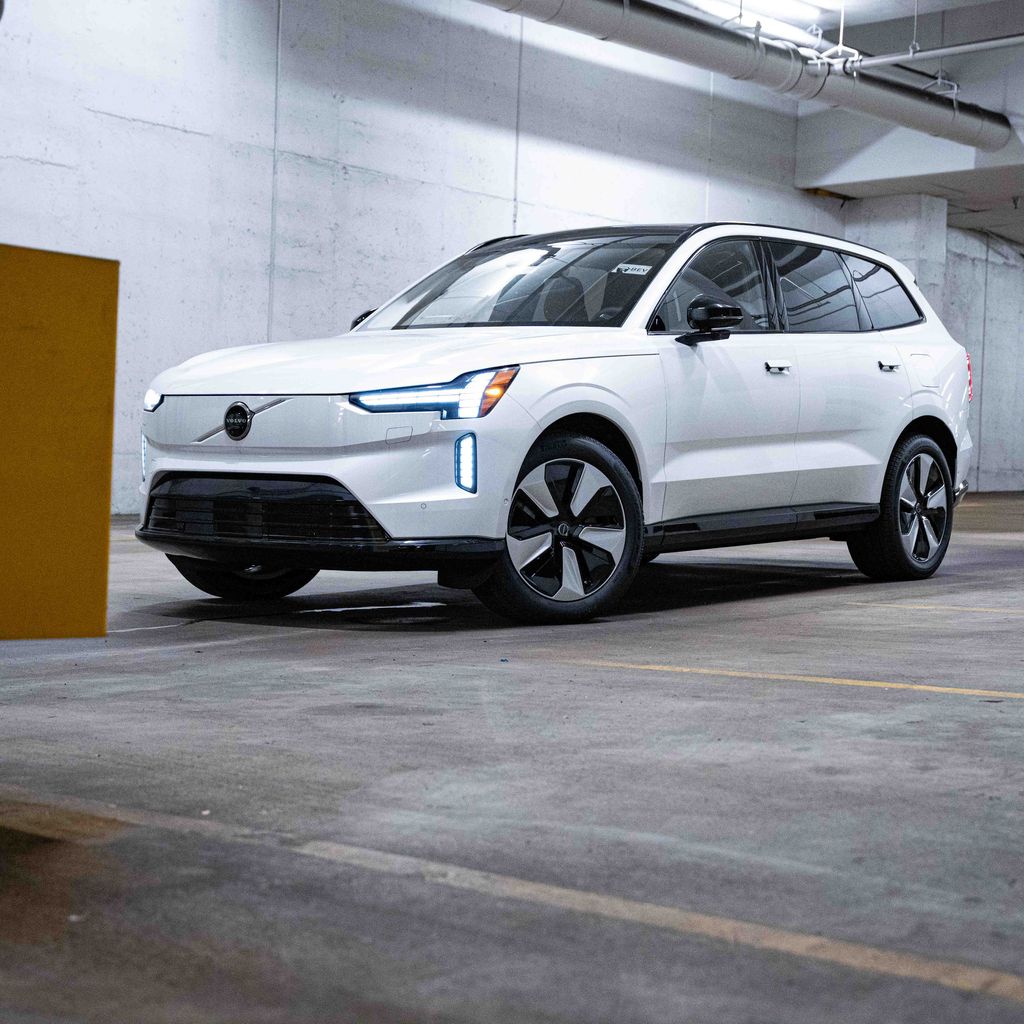
Price:84,390.00 USD
Price:40,500.00 USD

Price:98,984.00 USD
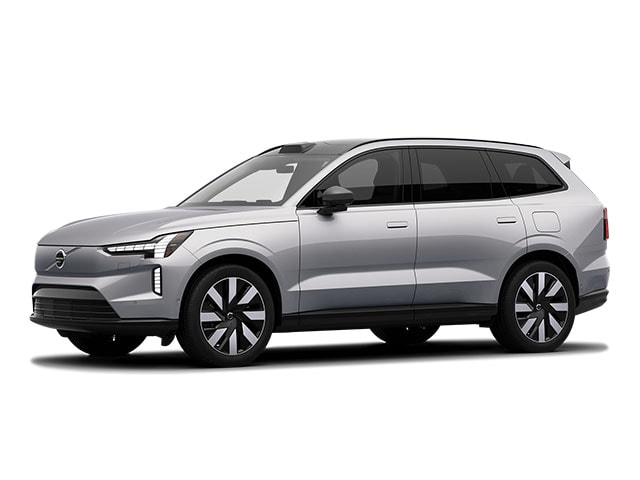
Price:87,505.00 USD

Price:95,735.00 USD
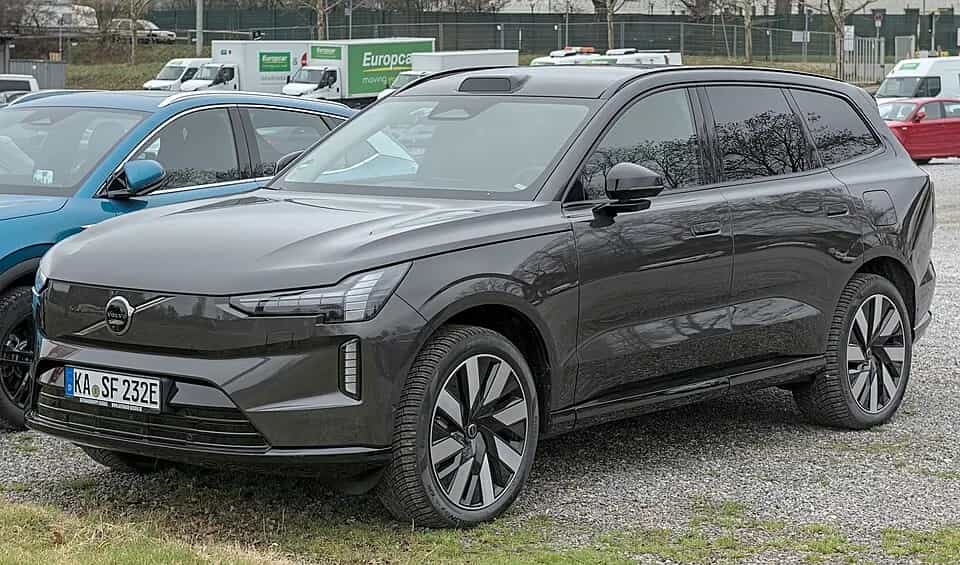
Model profile
Origin is the pivotal question with this model.
The EX90 is a first-generation model that entered production for the 2025 model year, so the used pool is young and low-mileage by definition.
Powertrain and equipment
The EX90 is offered as a dual-motor all-wheel-drive EV. The Twin Motor version produces around 408 hp, while the Twin Motor Performance steps up to roughly 510 hp and a 0-100 km/h time comfortably under five seconds.
The EX90 is a single body style — a large three-row SUV seating six or seven — offered in Plus and Ultra trims with the two power outputs.
Vehicle selection
Because the model is new, US used EX90s are typically recent, low-mileage cars, often former demonstrators or short-term leases.
The EX90 suits a buyer who wants a large, quiet, safety-focused electric family SUV and is comfortable with early-adopter software.
Vehicle data
| Body style | Typical value (Volvo EX90): Three-row electric SUV, 6-7 seats |
|---|
| Drivetrain | Typical value (Volvo EX90): Dual-motor all-wheel drive |
|---|---|
| Power (Twin Motor) | Typical value (Volvo EX90): approx. 408 hp |
| Power (Twin Motor Performance) | Typical value (Volvo EX90): approx. 510 hp |
| Battery (gross) | Typical value (Volvo EX90): approx. 111 kWh (~107 kWh usable) |
| EPA range | Typical value (Volvo EX90): approx. 480-500 km depending on spec |
| DC fast charge peak | Typical value (Volvo EX90): approx. 250 kW |
| Platform | Typical value (Volvo EX90): SPA2 (electric) |
|---|---|
| Introduced | Typical value (Volvo EX90): 2025 model year (first generation) |
| Thermal management | Typical value (Volvo EX90): Heat pump |
| Notable tech | Typical value (Volvo EX90): LiDAR, Google built-in, OTA updates |
| Trims | Typical value (Volvo EX90): Plus, Ultra |
| US assembly | Typical value (Volvo EX90): Ridgeville, South Carolina |
| Origin | The assessment depends on the specific vehicle and the circumstances of the transaction. Please contact USCar Trader before purchase; we review any possible duty benefit and provide non-binding support. Import VAT and other costs are considered separately. |
Values are reproduced verbatim from the existing article table. The documents for the specific vehicle govern.
Pre-purchase review
For the Volvo EX90, the agreed inspection plan focuses in particular on battery condition, charging interface, warning messages, software status and accessible high-voltage and cooling-system components. USCar Trader can document these points through a separately commissioned on-site inspection; inaccessible areas or unauthorised road tests are explicitly recorded as unchecked.
Germany and Europe
US EX90s use the North American charging standard and connector, so a European buyer will typically need an adapter or a workshop conversion to use CCS2 charging comfortably, and this should be planned before import.
Typical work centres on lighting compliance (headlights, rear fog lamp), confirming the speedometer, and above all sorting the charging interface so the car works on European CCS2 infrastructure.
USCar Trader services
As a buyer based in Germany, you do not have to inspect the vehicle yourself in the United States or Canada. Within the agreed scope, USCar Trader can coordinate document review, a separately commissioned on-site inspection and purchase processing.
Covered inspection points are agreed in advance. An on-site inspection records condition at the appointment and is not a guarantee.
Next step: Before commissioning, USCar Trader and the customer agree which document, history, inspection and transaction checks suit the vehicle and are included in the service. This records what was actually checked.
Import process
The assessment depends on the specific vehicle and the circumstances of the transaction. Please contact USCar Trader before purchase; we review any possible duty benefit and provide non-binding support. Import VAT and other costs are considered separately.
Questions and answers
No, not automatically. A 0% EU import-duty rate may be available for a vehicle covered by Regulation (EU) 2026/1455 that has US origin and is imported directly into the EU. CETA may apply to a vehicle with preferential Canadian origin. Whether the requirements are met is assessed for the individual case. Please contact USCar Trader before purchase; we review the possible duty benefit and provide non-binding support. Import VAT and other costs are assessed separately.
Import VAT and other taxes or costs are assessed separately under the applicable rules and the circumstances of the individual case. A blanket answer for every vehicle would not be reliable.
Not without adaptation. US cars use the North American connector, so an adapter or conversion to CCS2 is needed before the car works comfortably on European DC chargers.
US EPA figures sit roughly in the 480-500 km range depending on wheels and trim, from a battery of about 111 kWh gross.
Its early issues were mainly software-related and have been addressed through updates. The dual-motor EV drivetrain itself is mechanically simple.
The roof-mounted LiDAR feeds the car's driver-assistance and safety systems, improving object detection to support Volvo's safety strategy.
Generally yes. Because the model is new, US used examples are typically recent, lightly driven cars such as ex-demonstrators.
Warranty transfer on export should be clarified case by case, as coverage terms differ between markets. USCar Trader helps document the car's status.
More vehicles