Volkswagen CC
Importing a used Volkswagen CC from the USA
The Volkswagen CC — short for Comfort Coupe — was Volkswagen's stylish four-door coupe, a sleeker and lower-roofed sibling to the Passat that traded a little rear headroom for a much more elegant profile. North America was a strong market for it, and clean, well-optioned US cars turn up regularly, which is why buyers looking to import a used VW CC from the USA can often find a better-kept example than the equivalent tired European car. This page covers the model's history, the engines that matter, the state of the US used pool, and how the import actually works.

Production years and key changes
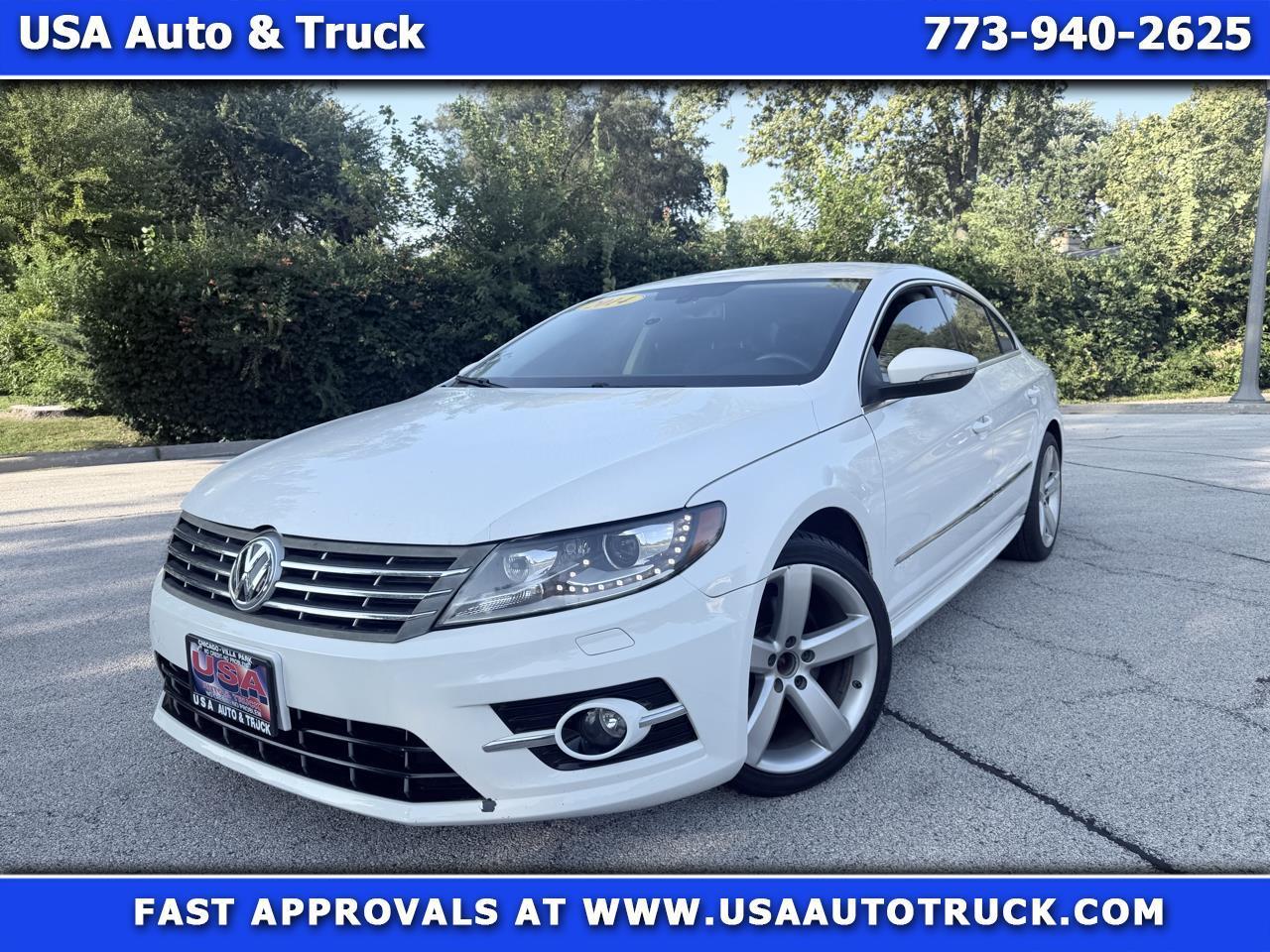
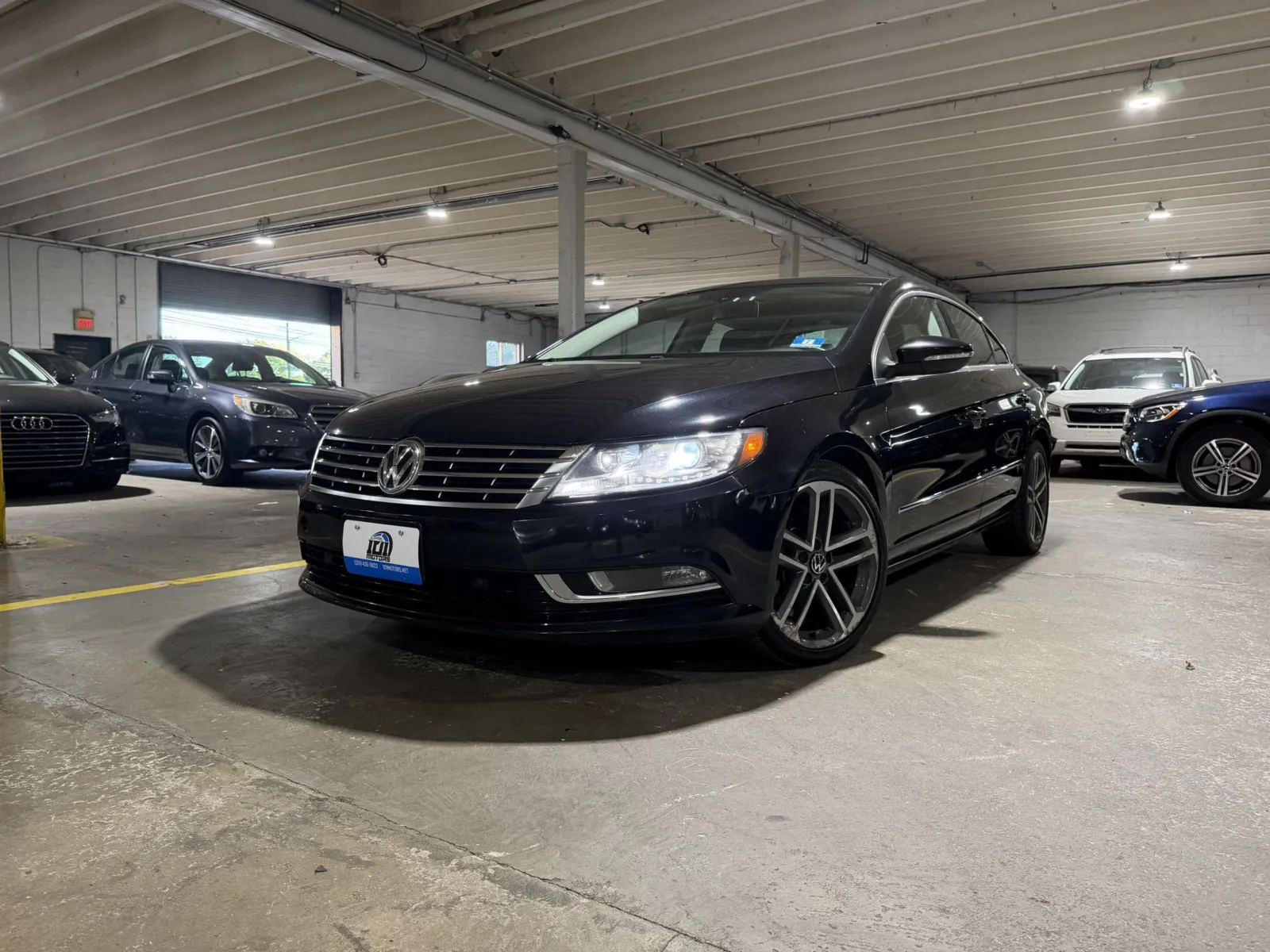
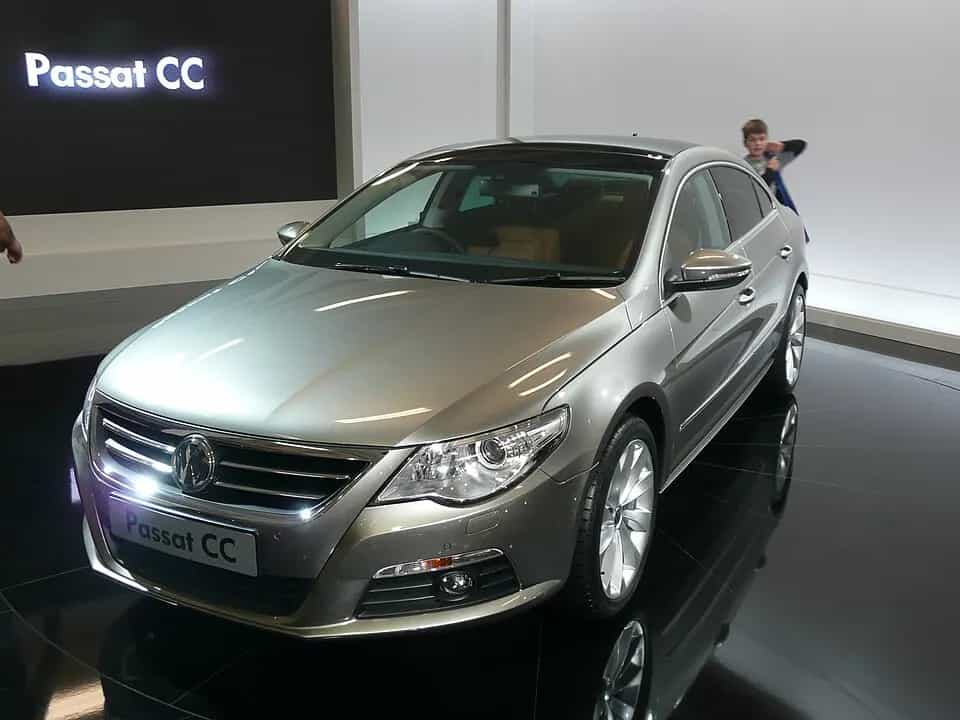
The car launched in the US for 2009 as the Passat CC, sharing its underpinnings with the contemporary Passat but wearing a frameless-door, coupe-inspired body. For 2012 Volkswagen dropped the Passat name and gave the car a facelift with new front and rear styling, revised lighting, and — importantly for practicality — an available five-seat layout to replace the original four-seat cabin with its two rear buckets. The CC continued through the 2017 model year in the US before being replaced conceptually by the Arteon. There is effectively one generation with a mid-cycle refresh, so the choice comes down to pre- or post-2012 styling and the seating configuration.
What is under the hood
Most US CCs use the 2.0-litre turbocharged four-cylinder from the EA888 family, rated at around 200 hp and 280 Nm, driving the front wheels through either a six-speed manual, a six-speed DSG dual-clutch, or a six-speed Tiptronic automatic depending on year. The range-topper was the 3.6-litre VR6, producing about 280 hp and 350 Nm, paired with the DSG and Volkswagen's 4Motion all-wheel drive — a smooth, effortless drivetrain that gives the CC genuine cross-country pace. The 2.0T is the volume seller and the one most buyers will import; the VR6 4Motion is rarer and worth seeking out if you want all-weather traction.
Trims and body styles
The CC was sold only as a four-door coupe. US trims evolved over the run but broadly covered Sport, R-Line, Lux and Executive levels, with the VR6 4Motion sitting at the top. Even base cars came well equipped by the standards of the day, with dual-zone climate, alloy wheels and leatherette or leather; higher trims added navigation, a premium Dynaudio system, adaptive lighting and ventilated seats. The R-Line brought sportier bumpers and trim without changing the mechanicals.
What the US market offers
CCs are plentiful in the US, with 2012–2017 facelift cars being the sweet spot for styling and the five-seat cabin. Typical examples show 70,000 to 130,000 miles and were often bought by owners who wanted something more special than a Passat, so many have been cared for. Sunbelt cars avoid the rust that plagues salt-belt examples. As always, condition and history vary widely, so the documented, single-owner car is worth holding out for. No euro pricing is given here — it depends on the individual car and the exchange rate.
Who this import is for
The CC suits a buyer who wants a distinctive, comfortable four-door with real presence and does not need SUV height or a huge boot. The 2.0T is the sensible all-rounder; the VR6 4Motion is for someone who values a silky six and all-wheel drive. If you like the low, wide look of the four-door coupe and want a well-kept US car, importing a CC is a rewarding route to a car that stands out from the crowd of German saloons.
Technical data and figures
| Generation | Passat CC / CC (one generation, 2012 facelift) |
| US model years | 2009–2017 |
| Body style | 4-door coupe (saloon), 4 or 5 seats |
| Length | approx. 4,802 mm |
| Width | approx. 1,855 mm |
| Height | approx. 1,417 mm |
| Wheelbase | approx. 2,712 mm |
| Kerb weight | approx. 1,500–1,700 kg |
| Engine (base) | 2.0 L turbo I4 (EA888), approx. 200 hp / 280 Nm |
| Engine (top) | 3.6 L VR6, approx. 280 hp / 350 Nm |
| Transmission | 6-speed manual / 6-speed DSG / 6-speed Tiptronic |
| Drivetrain | front-wheel drive; 4Motion AWD on VR6 |
| Fuel tank | approx. 70 L |
| Fuel type | petrol (premium recommended) |
| Boot capacity | approx. 532 L |
| VIN plant prefix | typically WVW (Emden, Germany) |
Reliability: trouble spots to check
The 2.0T EA888 is a well-understood engine with a couple of known weak points. Early versions suffered timing-chain tensioner wear that could let the chain skip — later revisions improved this, but it is the first thing to check on higher-mileage cars, listening for a rattle on cold start. Carbon build-up on the intake valves is inherent to the direct-injection design and eventually needs a walnut-blast clean. The PCV valve, water pump and thermostat housing are common consumables, and the DSG gearbox benefits from its scheduled fluid and filter service — a neglected mechatronic unit is the expensive failure to avoid. The VR6 is mechanically robust but thirstier. Overall, VW CC common problems are manageable when you buy on service history rather than price.
US vs. Europe differences
US CCs run amber front markers, red rear turn signals and headlights aimed for right-hand traffic, with miles-and-Fahrenheit instruments and US-market infotainment. Engine specifications are close to European cars, so homologation is mostly a matter of lighting and paperwork rather than mechanical change. US cars sometimes lack a rear fog lamp, which is required for German registration.
How the import works
Select a specific car and review its full history. Verify the VIN and build origin, since the plant sets the customs rate. Move funds through escrow, then book RoRo or container shipping to Bremerhaven or Hamburg. Clear customs on arrival, then present the car for TÜV individual approval (§21 StVZO), where lighting and documentation are checked, and finally register it at the Zulassungsstelle.
Import duty, VAT and fees
Bottom line: what matters is the factory shown by the VIN – proven US origin unlocks 0% duty. The 19% import VAT always applies.
The CC counts as neutral origin, so the rate depends on the actual build plant shown by the VIN. The 0% EU preference under Regulations (EU) 2026/1455 and 2026/1461 applies only to vehicles with provable US origin, on direct transport, within the current window. A CC built in Emden, Germany does not meet that US-origin test, so the standard third-country passenger-car duty (generally 10%) normally applies. Separately, and in every case, the 19% German import VAT (Einfuhrumsatzsteuer) is charged on the customs value. We act only as an intermediary and add no margin to duty or tax.
From modifications to registration
Typical changes are headlight adjustment or replacement for the correct beam pattern, fitting or activating a rear fog lamp, and confirming the km/h display. The odometer reading is documented and carried over. After TÜV approval, the paperwork goes to the registration office.
Pre-buy inspection points
Confirm the VIN matches the title and all documents. Pull a Carfax or AutoCheck report for accidents, salvage or odometer flags. On 2.0T cars, review records for timing-chain and water-pump work and listen for cold-start rattle. Check DSG service history and test for smooth low-speed shifts. Inspect the underbody and wheel arches for rust on salt-belt cars. Verify the title is clean and held by the seller.
What buyers ask most
Is the CC the same as the Passat?
They share a platform, but the CC is a lower, sleeker four-door coupe with frameless doors and its own body; it is not simply a Passat with a different badge.
Which CC engine is best to import?
The 2.0T is the sensible, efficient choice and the most common; the 3.6 VR6 with 4Motion is smoother and all-wheel drive but thirstier and rarer.
Does an imported CC qualify for 0% customs duty?
Not on origin grounds, because it is built in Germany, not the USA. The 0% preference needs provable US origin; standard duty plus 19% import VAT normally applies.
Are DSG problems common?
The DSG is reliable when serviced. Check for fluid and filter changes and test for smooth low-speed shifting; a neglected mechatronic unit is the costly failure to avoid.
How reliable is a used VW CC?
Solid if maintained. Watch the 2.0T timing chain and carbon build-up, and buy on documented history.
Can I get the five-seat version?
Yes, from the 2012 facelift onward US cars could be optioned with a rear bench instead of the original two rear buckets.
How long does the import take?
Typically several weeks from purchase to registration, driven mostly by shipping and the customs and TÜV steps.
Get going: see Volkswagen in the Carhub, compare with the Jetta, the Golf GTI or the Eos, and browse current CC listings.