Volkswagen Beetle

Importing a used Volkswagen Beetle from the USA

The modern Volkswagen Beetle sold in the United States has a following of its own, and American cars are often specified and preserved differently from European ones. Importing a used Beetle from the USA can be a way to find a particular colour, a well-kept Convertible or a specific special edition. One point matters from the outset: these cars were built in Mexico, not the United States, which shapes the customs position. This page covers the model's history, its engines, the American used market and the full German import process.

Volkswagen beetle – used car imported from the USA
Photo: Palauenc05 · CC BY-SA 4.0 · Wikimedia Commons

Model history: years and generations

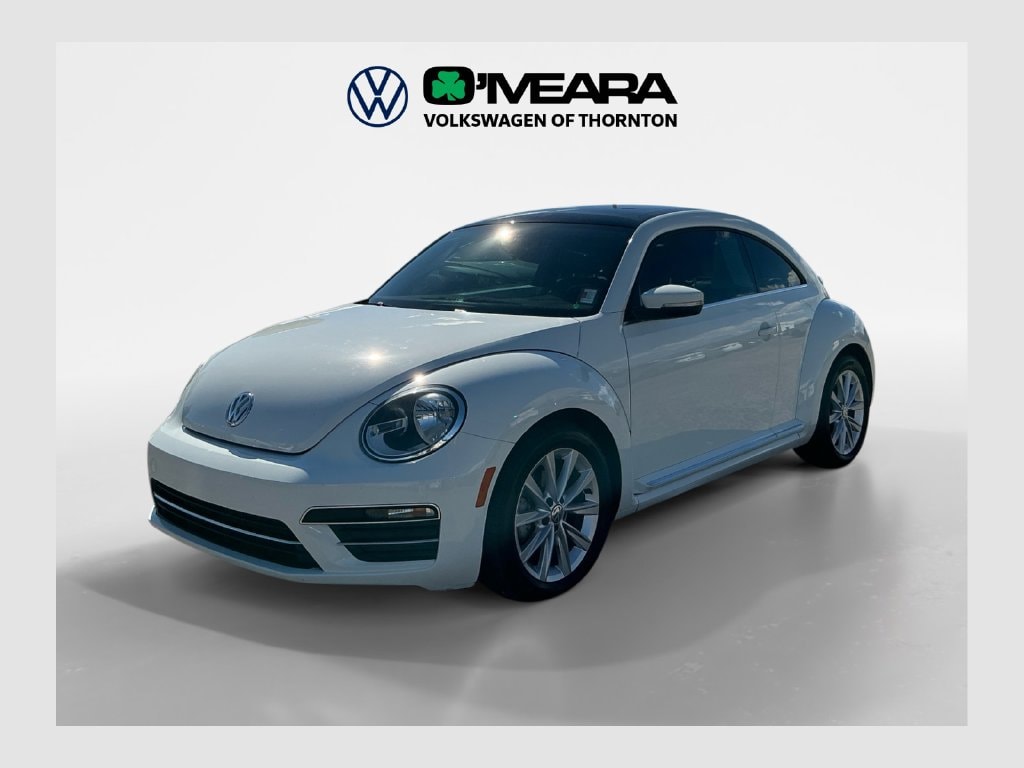
This page concerns the A5 Beetle, the third-generation car sold from the 2012 model year through 2019, which replaced the rounder New Beetle. The A5 adopted a flatter roofline and a more masculine, less overtly retro shape aimed partly at male buyers. A Convertible joined for 2013. Over its run VW offered a rotating cast of trims and special editions, closing with the 2019 Final Edition that marked the end of Beetle production altogether. The earlier New Beetle (1998–2011) is a separate car and is listed on its own; if you want that model, look there instead.

Engines, transmissions and drive

US Beetles were front-wheel drive with a choice of engines that changed over the years. Early 2012–2014 cars offered the 2.5-litre five-cylinder petrol engine of around 170 hp, a smooth if unremarkable unit. Alongside it sat the turbocharged 2.0-litre TSI (EA888) of roughly 200–210 hp in the sportier Turbo, R-Line and GSR editions, the enthusiast's choice. From 2014 VW replaced the 2.5 with the turbocharged 1.8-litre TSI (EA888) of about 170 hp, improving efficiency. A 2.0-litre TDI diesel of around 140 hp was offered on 2013–2015 cars before being withdrawn in the diesel emissions affair, so surviving TDI Beetles need extra scrutiny. Transmissions were a manual, a conventional automatic, or VW's DSG dual-clutch depending on engine and year.

Equipment lines and body styles

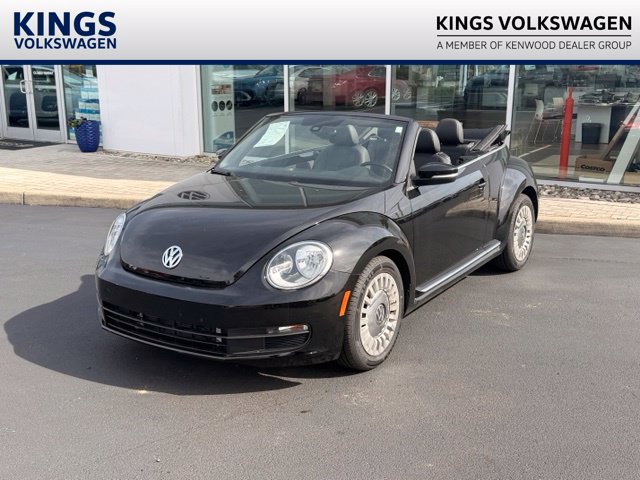
Two body styles were sold: the two-door coupe and the Convertible with a fabric roof. Trims ranged from base and comfort-oriented versions up to the Turbo, R-Line and the Fender Edition with its upgraded audio and interior. Special editions such as the Dune (a raised, crossover-styled Beetle), the Denim Convertible and the Final Edition give US cars extra character that European examples often lack.

The US used market

The American used pool is healthy, with plenty of 2012–2019 cars in the market and a good spread of Convertibles thanks to the US climate. Mileage varies widely; because many Beetles were bought as second or lifestyle cars, low-mileage examples do exist. Turbo and special-edition cars command the most interest. When you import a used Beetle from the USA, condition of the soft-top on Convertibles and evidence of regular servicing on the turbo engines are the details that separate a good car from a project.

Is an import right for you?

This car suits a buyer who wants a characterful, affordable compact with a distinct personality, or a collector chasing a specific US special edition or Final Edition example. The turbocharged versions appeal to enthusiasts who want more than styling. If you are drawn to the Convertible or to a colour and trim that never came to Europe, importing is often the only way to get exactly the car you want.

Specs at a glance

Body styles2-door coupe, Convertible
GenerationA5 (2012–2019)
DriveFront-wheel drive
Engine (2012–14)2.5 L five-cylinder, approx. 170 hp
Engine (Turbo)2.0 L TSI (EA888), approx. 200–210 hp
Engine (2014+)1.8 L TSI (EA888), approx. 170 hp
Diesel (2013–15)2.0 L TDI, approx. 140 hp
TransmissionsManual, automatic, DSG dual-clutch
Seating4
Lengthapprox. 4,278 mm
Widthapprox. 1,808 mm
FuelPetrol (some diesel)
Special editionsDune, Fender, Denim, Final Edition
ProductionPuebla, Mexico
Production end2019

Common issues buyers should know

The Beetle shares much of its mechanical set with the Golf and Jetta of the era, so its weak points are well documented. The EA888 turbo engines are known for oil consumption on higher-mileage examples and for occasional water-pump and PCV (crankcase ventilation) failures, so check for oil top-ups and coolant leaks. Carbon build-up on the intake valves can affect direct-injection engines over time. The DSG gearbox is durable when serviced with its scheduled fluid changes but expensive if neglected. On the 2.5 five-cylinder, ignition coils and the plastic intake manifold are common niggles. Convertibles need a careful look at the soft-top mechanism, drainage channels and window seals. TDI cars carry the added complication of emissions-recall history and should be approached with full documentation.

Differences from the European version

US Beetles use amber rear turn signals in most builds, an mph-primary speedometer and North American infotainment. Engine and emissions specifications can differ slightly from European cars, and the TDI in particular was subject to US-specific recall programmes. Headlight beam pattern and rear fog lamp provision are the standard items a German inspection will check. Equipment content on US special editions is frequently richer or simply different from anything sold in Europe.

Import step by step

Choose the specific car and note its VIN; run a VIN and origin check, which for the Beetle typically confirms Mexican assembly; place funds in escrow so payment releases only against clean documents; ship by ocean freight (container or RoRo) to a port such as Bremerhaven; clear customs under the correct code; complete TÜV inspection and individual approval (Einzelabnahme); then register in Germany.

Customs and taxes: what applies

Remember: no origin proof, no 0% duty – and 19% German import VAT is due on every import.

Read the charges separately. EU import duty is 0% only for vehicles of provable US origin under Regulations (EU) 2026/1455 and 2026/1461, imported by direct transport, valid from 1 July 2026 to 31 December 2029. The Beetle is built in Puebla, Mexico, so it is not of US origin and the standard car duty rate applies — the preference does not cover it, and we never imply otherwise. German import VAT (Einfuhrumsatzsteuer) at 19% always applies on top, calculated on the customs value plus duty and freight. Being clear about this from the start avoids unpleasant surprises at clearance.

Modifications and single-vehicle approval

Expect lighting adaptation to ECE requirements, confirmation of a rear fog lamp and a speedometer reading in km/h. The odometer should read consistently and its history should be documented. On Convertibles the roof operation is checked; on TDI cars the emissions status and any recall work should be in order before approval.

What to verify before buying

Confirm the full VIN and note Mexican assembly for the customs position. Pull a Carfax or AutoCheck history for accidents and title branding. Check oil consumption and service records on turbo engines. Inspect the Convertible soft-top, drains and seals. Confirm a clean (not salvage or rebuilt) title. Verify the odometer against the service history. For a TDI, confirm the recall and emissions status.

Common questions

Can a used VW Beetle be imported duty-free?

No. The Beetle is built in Mexico, so it is not of US origin and the 2026 EU 0% preference does not apply. The standard duty rate applies, and we never claim otherwise.

Does the 19% import VAT always apply?

Yes. German import VAT applies to every import regardless of origin and is separate from customs duty.

Which engine should I look for?

The turbocharged TSI in the Turbo and R-Line is the enthusiast's pick; the 1.8T offers a good balance; the 2.5 is smooth but thirsty.

Are the TDI diesel Beetles a good buy?

They can be, but only with full documentation of the US emissions recall history, so approach them with extra care.

Is the Convertible reliable?

The mechanicals are shared with the coupe; focus your inspection on the soft-top mechanism, drains and seals.

What are the common problems?

Oil consumption and water-pump or PCV issues on the turbo engines, carbon build-up on direct-injection units, and DSG fluid neglect.

How long does importing take?

Usually several weeks from purchase to registration, driven mainly by shipping and inspection scheduling.

Browse more under Volkswagen in the Carhub, compare with the Volkswagen Golf GTI, the earlier Volkswagen New Beetle or the Volkswagen Eos convertible, or browse current Beetle listings.