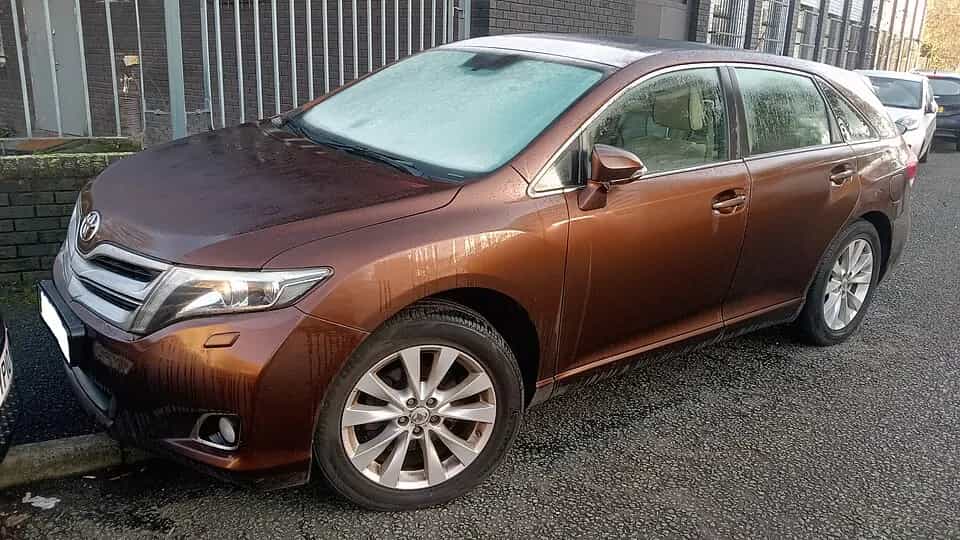
Toyota Venza

Importing a used Toyota Venza from the USA

The Venza is one of those Toyota nameplates that means two very different cars depending on the model year, which makes the used US market genuinely interesting for European buyers. The first-generation Venza was a wide, low-riding crossover-wagon aimed squarely at American families, while the second generation became a hybrid-only crossover twinned with the RAV4. Both sold in far larger numbers in the United States than they ever did in Europe, so if you want a well-equipped, comfortable Toyota crossover with V6 or hybrid running gear, the US used market is often the most sensible place to source one. As an independent broker, USCar Trader helps you find, inspect and import a used Venza; we do not sell new cars and we hold no dealer margin.

Toyota Venza – used car imported from the USA
Photo: MoCars · CC0 · Wikimedia Commons

Model history: years and generations

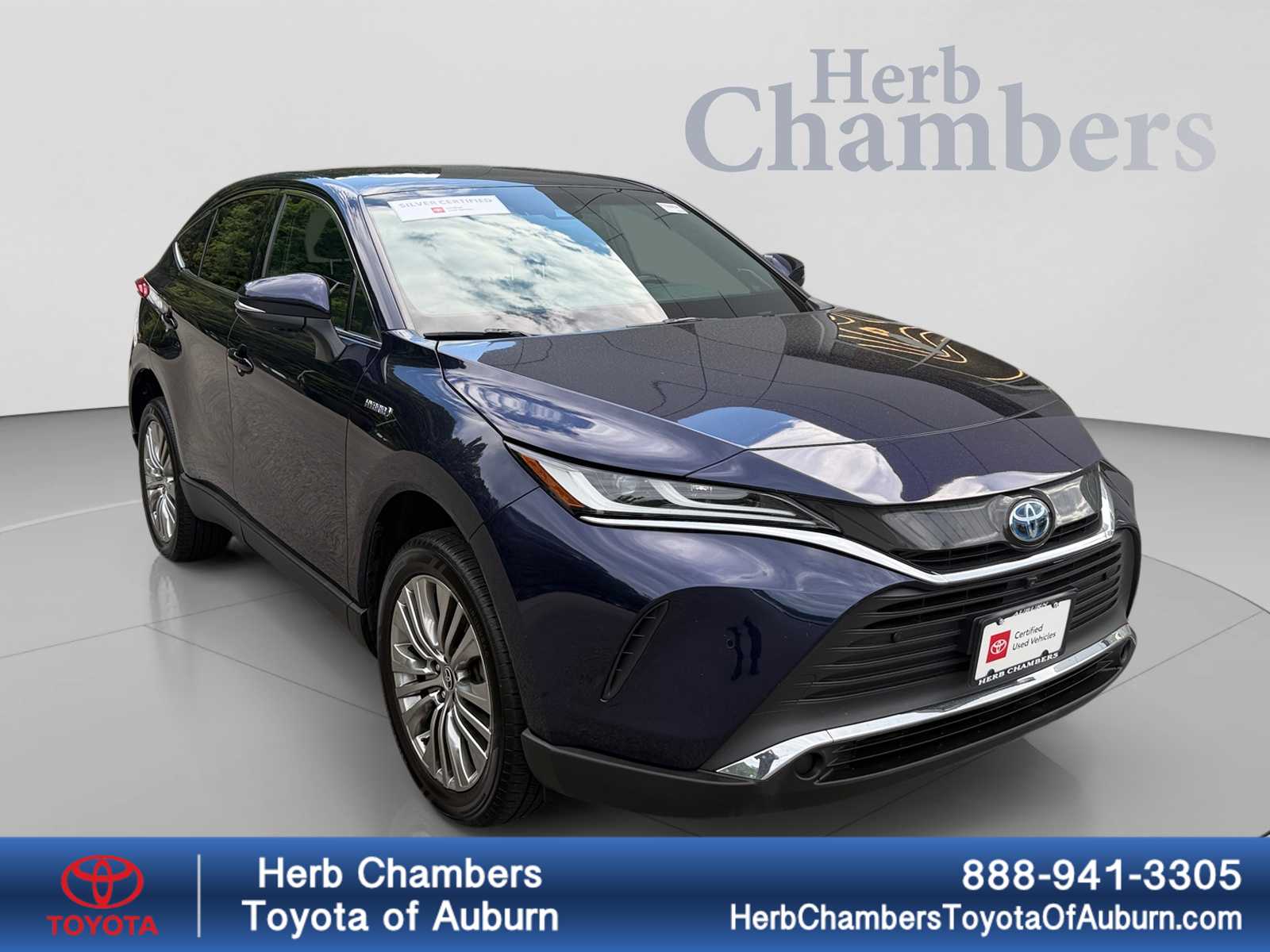
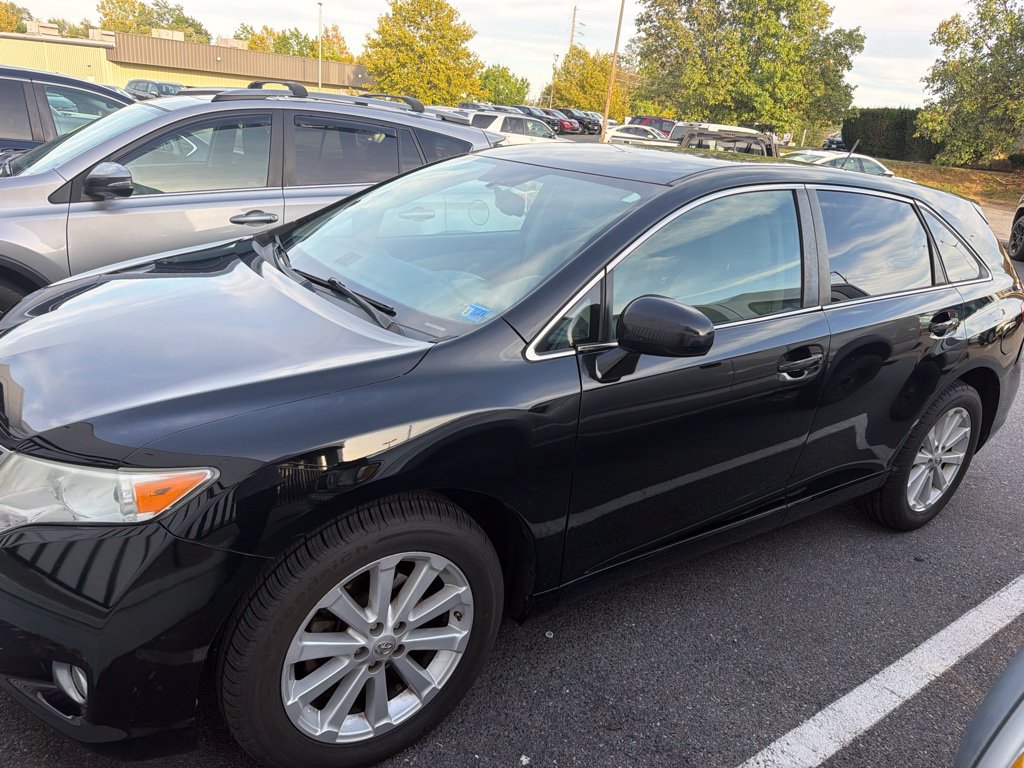
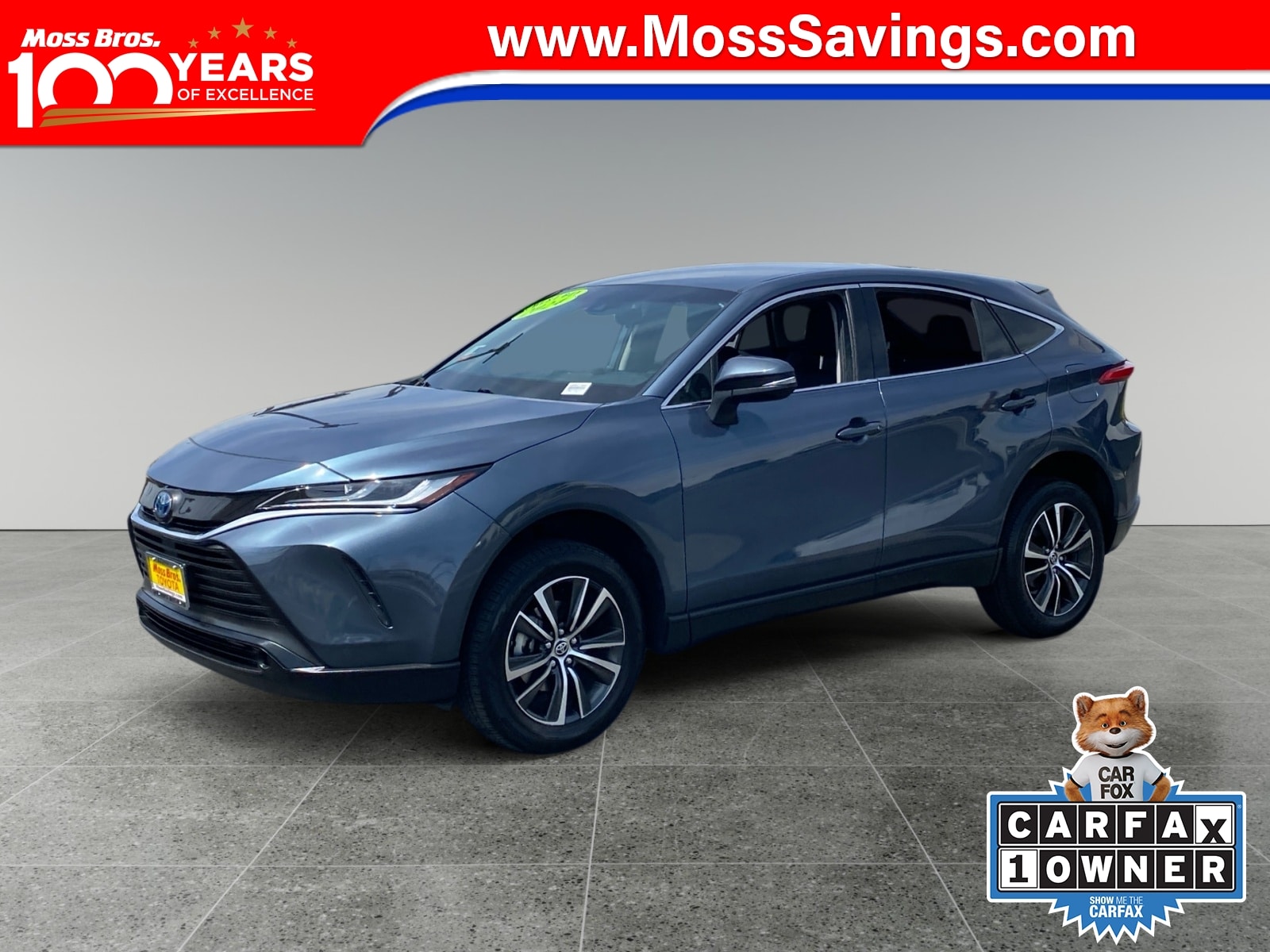
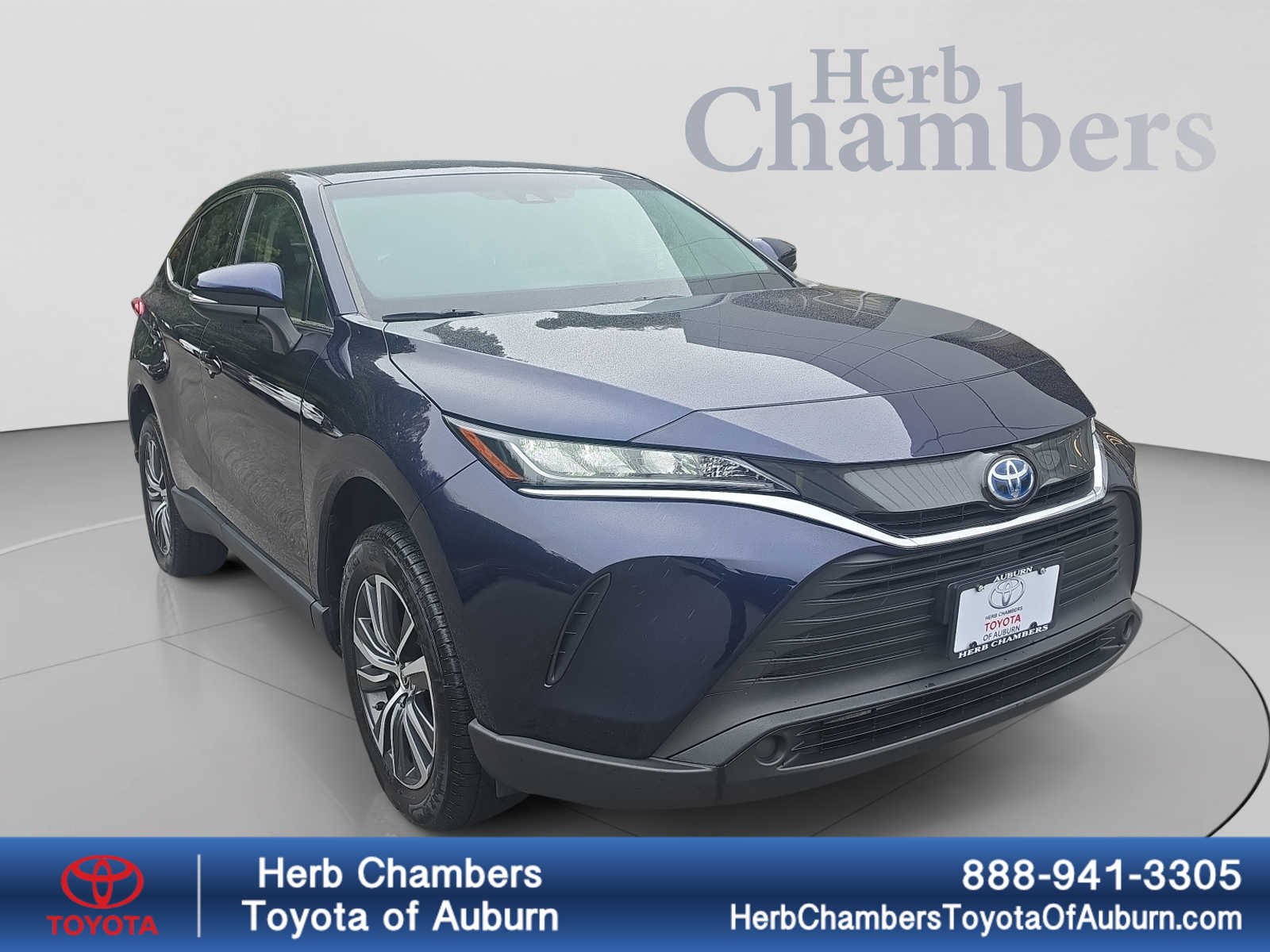
The first-generation Venza (chassis AV10, 2008–2015 model years) launched as Toyota's answer to the Nissan Murano — a Camry-based crossover with a long wheelbase, large glass area and a slightly avant-garde stance on standard 19- or 20-inch wheels. It was assembled at Toyota's Georgetown, Kentucky plant. After a gap, the second-generation Venza (2021–2024) returned as a badge-engineered version of the Japanese-market Harrier, built in Japan, and sold in the US exclusively as a hybrid. If you care about the eventual customs classification, this generational split matters: US-built first-gen cars can qualify for the 0% rate with provable US origin, whereas Japan-built second-gen cars generally cannot.

Engines, transmissions and drive

First-generation cars came with either a 2.7-litre 1AR-FE four-cylinder (around 181 hp) or the well-known 2GR-FE 3.5-litre V6 (roughly 268 hp), both paired to a six-speed automatic (U660E/U760E). Front-wheel drive was standard, with on-demand all-wheel drive optional. The second generation uses Toyota's fourth-generation hybrid system: a 2.5-litre Atkinson-cycle four combined with electric motors for a total system output near 219 hp, an electronic CVT, and standard electronic on-demand AWD (E-Four) on many trims. The V6 first-gen car is the one enthusiasts import for effortless cruising; the hybrid appeals to buyers chasing low consumption.

Equipment lines and body styles

The Venza has always been a five-seat, five-door crossover — there is no coupe, pickup or three-row variant. First-gen US trims were broadly LE, XLE and Limited, with leather, panoramic roof and JBL audio available higher up the range. Second-gen cars run LE, XLE and Limited as well, the Limited adding the fixed panoramic glass roof with adjustable electronic tint (Star Gaze), heated and ventilated seats and a 12.3-inch touchscreen. US equipment levels tend to be generous, so imported cars frequently arrive with features that were costly options in Europe.

The US used market

Supply is healthy. First-generation Venzas turn up regularly with mileages that reflect their age, often as one- or two-owner family cars from milder-climate states, which is worth prioritising to avoid road-salt corrosion. Second-generation hybrids are newer, lower-mileage and command stronger demand. When you import a used Toyota Venza from the USA, buying from a Sun Belt state (Arizona, Texas, Florida, California) generally means a cleaner underbody and better-preserved trim than a Rust Belt car of the same year.

Is an import right for you?

A used Venza suits the buyer who wants Toyota reliability in a comfortable, quiet crossover but finds the RAV4 too common or too utilitarian. The first-gen V6 is a relaxed long-distance cruiser; the second-gen hybrid is for efficiency-minded drivers who value the panoramic roof and calm cabin. If you need towing capacity, seven seats or diesel torque, look elsewhere in the range — the Venza is about refinement, not ruggedness.

Specs at a glance

AttributeDetail (generation dependent)
Body style5-door, 5-seat crossover
Gen 1 engines2.7L I4 (1AR-FE), 3.5L V6 (2GR-FE)
Gen 1 output~181 hp / ~268 hp
Gen 2 powertrain2.5L hybrid (system ~219 hp)
Transmission6-speed auto (Gen 1) / e-CVT (Gen 2)
DriveFWD or AWD (E-Four on Gen 2)
Gen 1 assemblyGeorgetown, Kentucky, USA
Gen 2 assemblyJapan
Length (Gen 1)~4,801 mm
Length (Gen 2)~4,646 mm
Wheels18–20 inch
Seating5
Fuel (Gen 2)Petrol-electric hybrid
Production years2008–2015; 2020–2024

Common issues buyers should know

The Venza inherits proven Toyota mechanicals, so major failures are rare. On the 2GR-FE V6, watch for the historic oil-line issue on early builds and check for any lingering water-pump weep; the six-speed automatic is durable if serviced. First-gen cars can suffer from worn front strut mounts and, on high-mile examples, dashboard rattles and failing power-tailgate struts. The panoramic roof drain channels should be checked for blockage. On the hybrid second generation, the traction battery and hybrid system are generally trouble-free within this age band, but confirm the 12-volt auxiliary battery health and look for software recalls. Overall, Toyota Venza reliability is a genuine selling point — a well-maintained example is among the lower-risk US imports.

Differences from the European version

US Venzas run amber rear turn signals in many cases but often lack a rear fog lamp, use miles-per-hour instrumentation and carry US daytime-running-light logic. Second-gen cars have US-specification driver-assist calibration. These are the items your inspection and TUEV process will address before German registration.

Import step by step

The process runs: shortlist and select a car; verify the VIN and decode the build plant to establish origin; agree terms and use secure escrow so funds are only released on delivery; arrange inland transport to the port and ocean freight (typically to Bremerhaven or Rotterdam); complete EU customs clearance on arrival; present the car for TUEV individual approval (Einzelabnahme) with any required modifications; then register it with your local authority. USCar Trader coordinates each stage.

Customs and taxes: what applies

In short: the 0% duty rate applies only with documented US origin (VIN/plant) – German import VAT of 19% is always due.

Two separate charges apply. First, the import duty: under Regulations (EU) 2026/1455 and 2026/1461, a 0% rate applies to genuinely US-origin vehicles shipped directly, valid from 1 July 2026 until 31 December 2029 — but this depends on provable origin (VIN and plant). A US-built first-generation Venza can qualify; a Japan-built second-generation car cannot, and its rate follows its actual origin. Second, and always, the 19% German import VAT (Einfuhrumsatzsteuer) applies to every imported car regardless of origin. We never promise duty-free status and never quote a hidden margin.

Modifications and single-vehicle approval

Typical work includes fitting or activating a rear fog lamp, adapting the lighting to ECE requirements, converting the speedometer reading and confirming the odometer, and providing documentation for the individual approval. Once TUEV issues the report, registration proceeds normally.

What to verify before buying

Before committing to any used Venza, confirm these points:

  • Decode the VIN and verify the build plant (this drives the customs classification).
  • Pull a Carfax or AutoCheck history for accidents, title branding and ownership.
  • Inspect underbody and wheel arches for rust, prioritising Sun Belt cars.
  • Review service records, especially transmission and cooling on the V6.
  • Confirm a clean, non-salvage title.
  • On hybrids, check battery health and any open recalls.
  • Test the panoramic roof, power tailgate and all electronics.

Common questions

Can I import a used Toyota Venza from the USA to Germany?

Yes. Both generations can be imported and registered after TUEV individual approval and customs clearance.

Will my Venza qualify for the 0% import duty?

Only with provable US origin. A Kentucky-built first-generation car can qualify; the Japan-built hybrid generation does not.

Does the 19% import VAT always apply?

Yes. German import VAT applies to every imported vehicle, separately from any customs duty.

Which Venza generation is more reliable?

Both are strong. The V6 first-gen is mechanically simple and durable; the hybrid second-gen is efficient and largely trouble-free in this age range.

Is the V6 or the hybrid better for import?

The V6 suits relaxed long-distance driving; the hybrid suits low fuel consumption. Choose by use case.

How long does the import take?

Ocean freight plus clearance and TUEV typically spans several weeks; timing depends on sailing schedules and paperwork.

What are the biggest Venza problems to check?

Roof drain blockage, tailgate struts and strut mounts on Gen 1; 12-volt battery and recalls on Gen 2.

Can USCar Trader inspect the car before I pay?

Yes. We arrange inspection and use escrow so funds release only on delivery.

Explore more Toyota in the Carhub, compare the closely related Toyota RAV4 and the larger Toyota Highlander, or browse current Venza listings.