Importing a used Toyota Supra from the USA
USCar Trader works as an independent broker on that route.
 0049 (0)89 2000 791 00
 Mo - Fr 8:00am - 8:00pm
USCar Trader import service
Choose a specific vehicle. Where data is available, its detail page shows the import cost calculation. We assess any possible duty benefit with you before purchase.
Important: A 0% EU import-duty rate may be available for a vehicle covered by Regulation (EU) 2026/1455 that has US origin and is imported directly into the EU. CETA may apply to a vehicle with preferential Canadian origin. Whether the requirements are met is assessed for the individual case. Please contact us before purchase; we review the possible duty benefit and provide non-binding support through the process. Import VAT and other costs are assessed separately.
CarHub · Toyota
The fifth-generation Toyota Supra (chassis code A90, sold as the GR Supra) put a rear-drive, straight-six sports coupe back at the centre of Toyota's line-up after a two-decade absence.
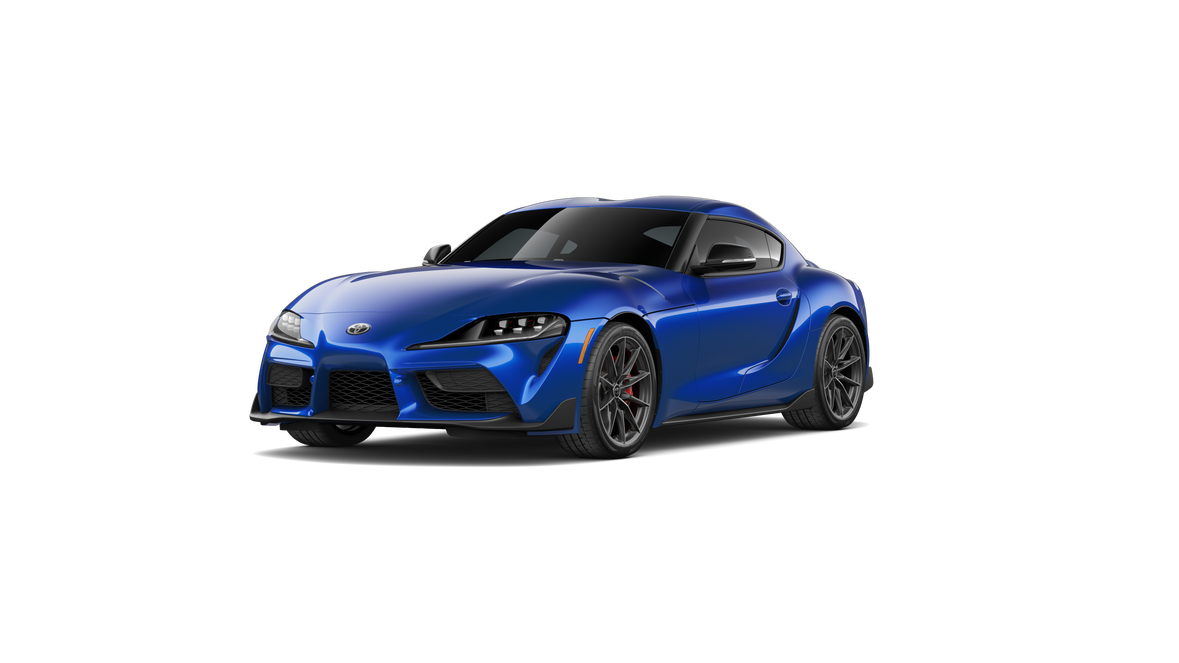
Price:68,309.00 USD
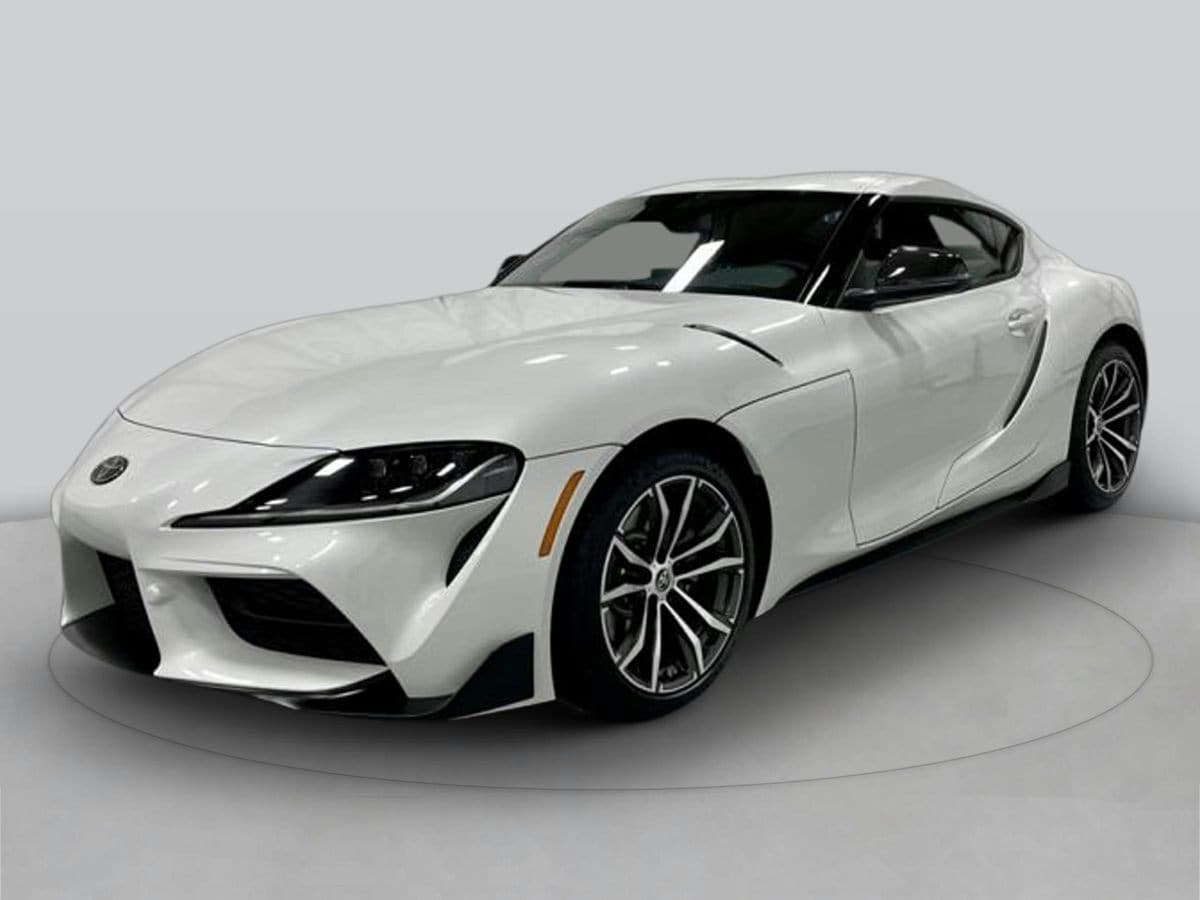
Price:59,744.00 USD
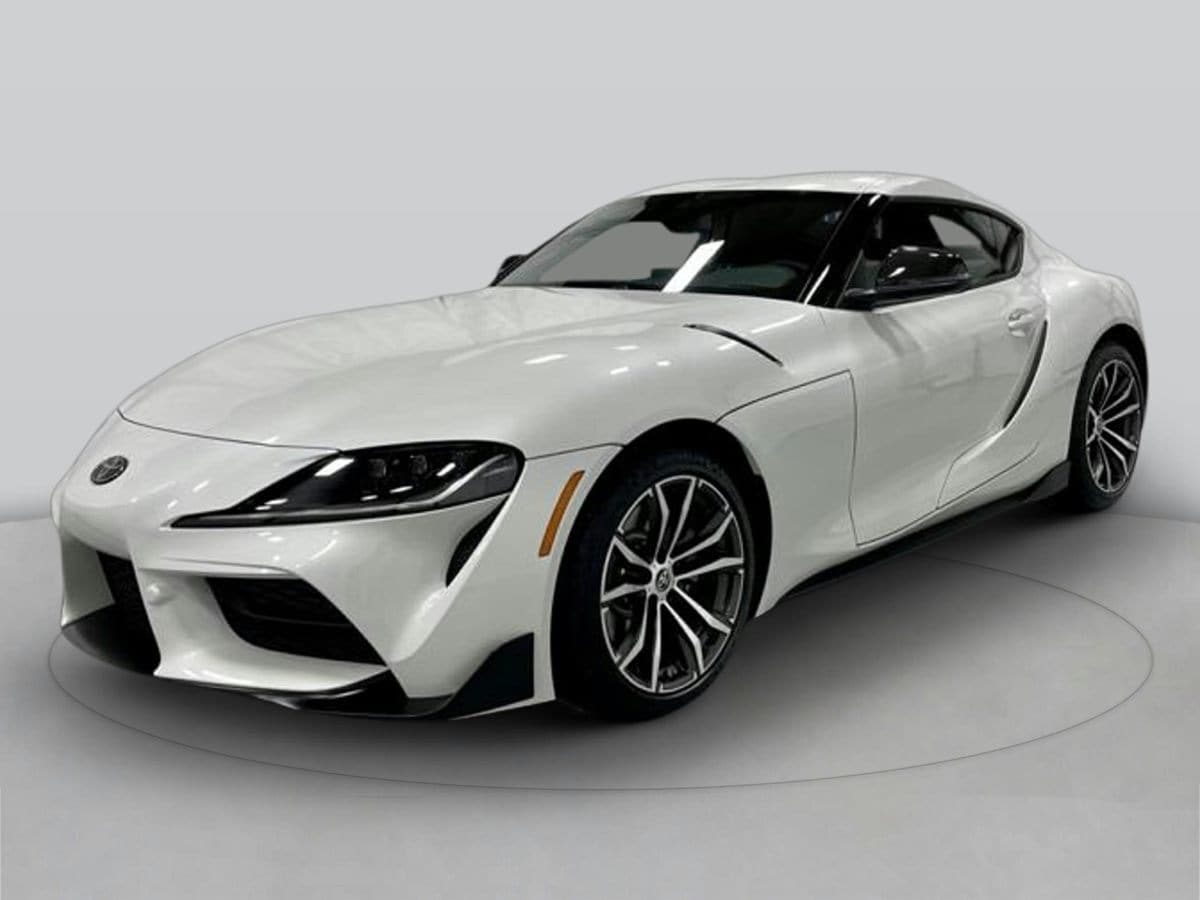
Price:62,380.00 USD
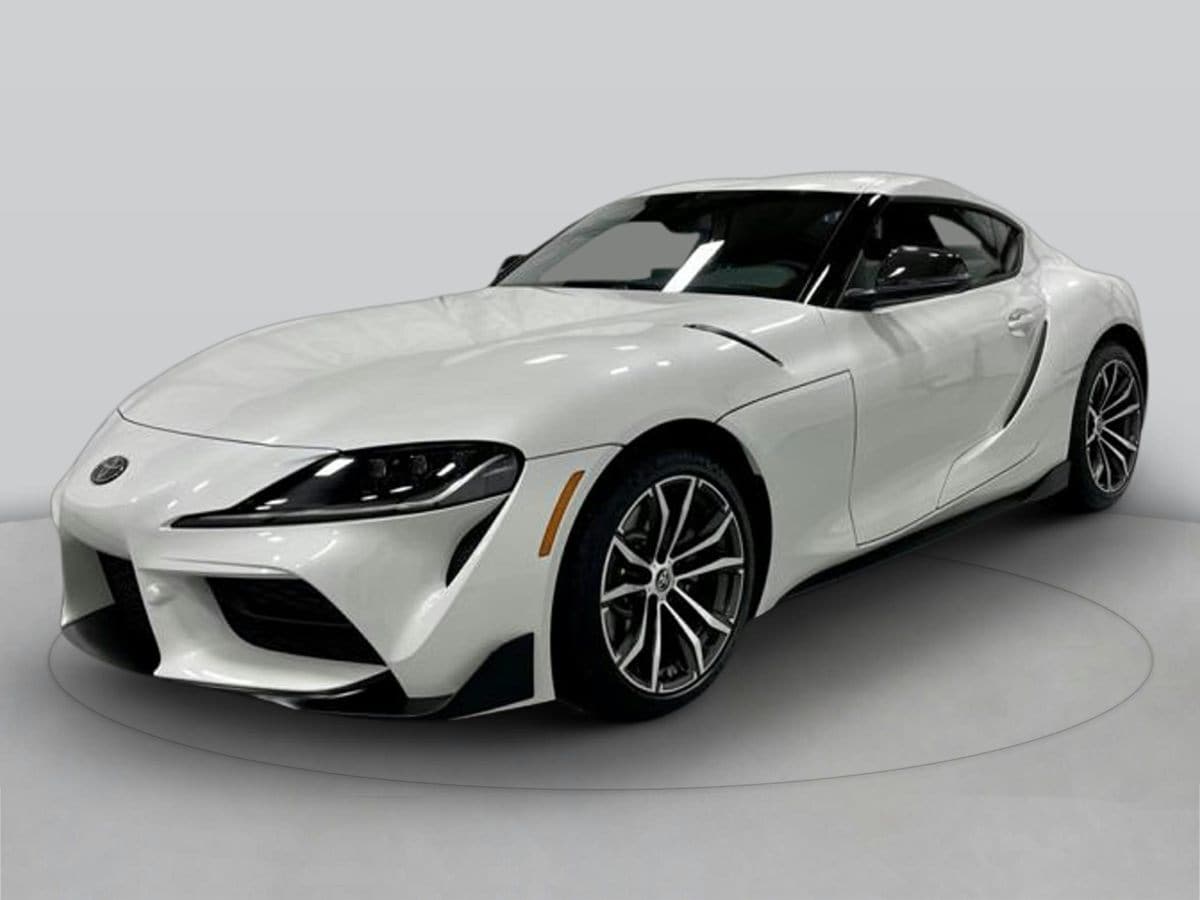
Price:62,349.00 USD
Price:64,229.00 USD
Model profile
USCar Trader works as an independent broker on that route.
Enthusiasts count five generations, but the import-relevant one is the A90/A91, on sale in the US from the 2020 model year.
Powertrain and equipment
Two engines were sold in the US, both BMW-sourced turbocharged units shared with the Z4. The 2.0-litre B48 four-cylinder produces around 255 hp; the headline 3.0-litre B58 straight-six makes roughly 335 hp in 2020 cars and about 382 hp from 2021 onward after a hardware revision.
The Supra is offered only as a two-seat fastback coupe — no convertible, no 2+2. US trim names run 2.0, 3.0 and 3.0 Premium, the Premium adding a larger head-up display, JBL audio, wireless charging and upgraded trim.
Vehicle selection
Supply is healthy.
Import a used Supra from the USA if you want a specific combination — a manual 3.0 in a particular colour, or a well-kept early car — that the German market simply is not offering.
Vehicle data
| Body style | Detail (US-market A90/A91): 2-seat fastback coupe |
|---|---|
| Length | Detail (US-market A90/A91): approx. 4,380 mm |
| Wheelbase | Detail (US-market A90/A91): approx. 2,470 mm |
| Kerb weight | Detail (US-market A90/A91): approx. 1,500–1,540 kg (3.0) |
| Seats | Detail (US-market A90/A91): 2 |
| Engines | Detail (US-market A90/A91): 2.0 L B48 turbo I4; 3.0 L B58 turbo I6 |
|---|---|
| Output (2.0) | Detail (US-market A90/A91): approx. 255 hp |
| Output (3.0) | Detail (US-market A90/A91): approx. 335 hp (2020), approx. 382 hp (2021+) |
| Transmission | Detail (US-market A90/A91): 8-speed ZF automatic; 6-speed manual (3.0, 2023+) |
| Drive | Detail (US-market A90/A91): Rear-wheel drive |
| Fuel | Detail (US-market A90/A91): Petrol, premium recommended |
| Generation | Detail (US-market A90/A91): Fifth (A90/A91), 2020 model year onward |
|---|---|
| 0–100 km/h (3.0) | Detail (US-market A90/A91): roughly 4.1–4.3 s |
| Top speed | Detail (US-market A90/A91): electronically limited (approx. 250 km/h) |
| Wheels (3.0) | Detail (US-market A90/A91): 19-inch forged |
Values are reproduced verbatim from the existing article table. The documents for the specific vehicle govern.
Pre-purchase review
Supra reliability is generally strong, helped by the proven BMW powertrain. Owners do report a handful of recurring items: fuel-pump and high-pressure fuel-system recalls affected some early cars, so confirm recall work was completed by VIN.
Germany and Europe
Mechanically the US and European Supra are close, but the details that matter for import are lighting and telematics.
US-market headlights use the FMVSS/SAE beam pattern, which differs from the ECE pattern required in the EU, so they may need adjustment or replacement with ECE-compliant units for registration.
USCar Trader services
As a buyer based in Germany, you do not have to inspect the vehicle yourself in the United States or Canada. Within the agreed scope, USCar Trader can coordinate document review, a separately commissioned on-site inspection and purchase processing.
Covered inspection points are agreed in advance. An on-site inspection records condition at the appointment and is not a guarantee.
Next step: Before commissioning, USCar Trader and the customer agree which document, history, inspection and transaction checks suit the vehicle and are included in the service. This records what was actually checked.
Import process
The assessment depends on the specific vehicle and the circumstances of the transaction. Please contact USCar Trader before purchase; we review any possible duty benefit and provide non-binding support. Import VAT and other costs are considered separately.
Questions and answers
Mechanically almost identical — both use the BMW-sourced engines and are built in Graz. The differences are lighting, instrumentation units and the absence of EU-specific systems, all handled during import.
Yes. The six-speed manual is available on the 3.0 from the 2023 model year, and the US used market is a good source for it.
No, not automatically. A 0% EU import-duty rate may be available for a vehicle covered by Regulation (EU) 2026/1455 that has US origin and is imported directly into the EU. CETA may apply to a vehicle with preferential Canadian origin. Whether the requirements are met is assessed for the individual case. Please contact USCar Trader before purchase; we review the possible duty benefit and provide non-binding support. Import VAT and other costs are assessed separately.
Import VAT and other taxes or costs are assessed separately under the applicable rules and the circumstances of the individual case. A blanket answer for every vehicle would not be reliable.
From purchase to German registration typically a couple of months, driven mainly by ocean-freight scheduling and the TÜV appointment.
No. The powertrain shares components with the BMW Z4, so specialist and dealer support is widely available.
Anything from very low weekend-car readings to moderate. History and condition matter more than the number alone.
No. USCar Trader is a broker; we charge a service fee and add no margin on the vehicle.
More vehicles