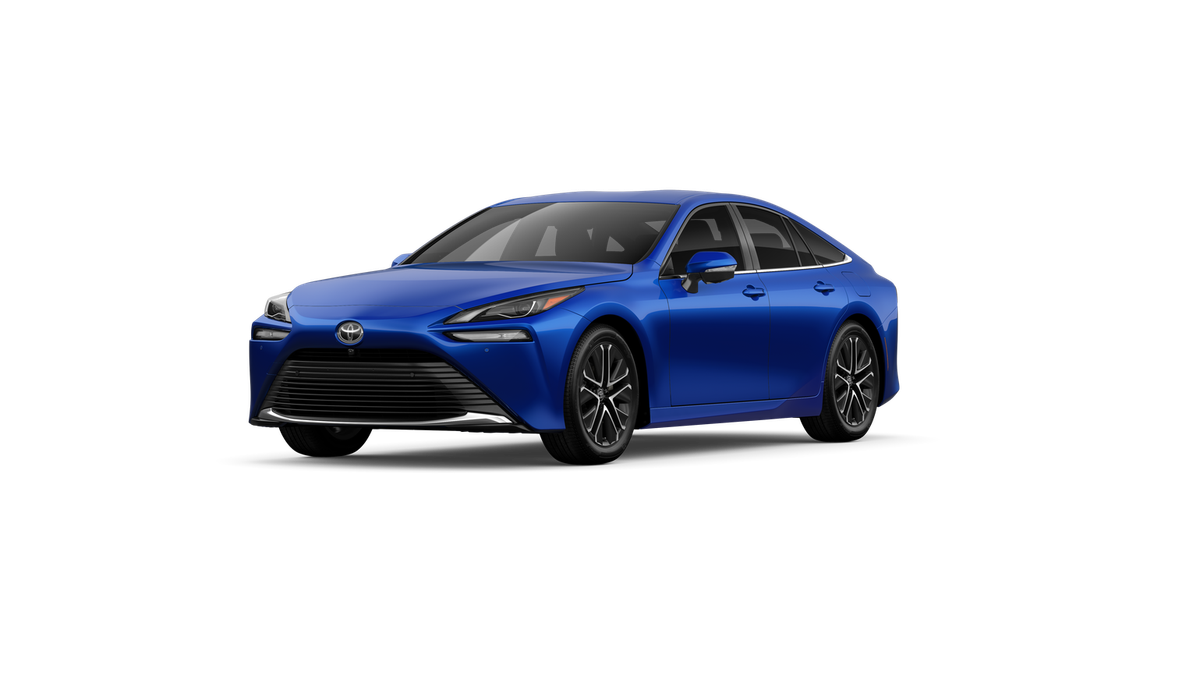
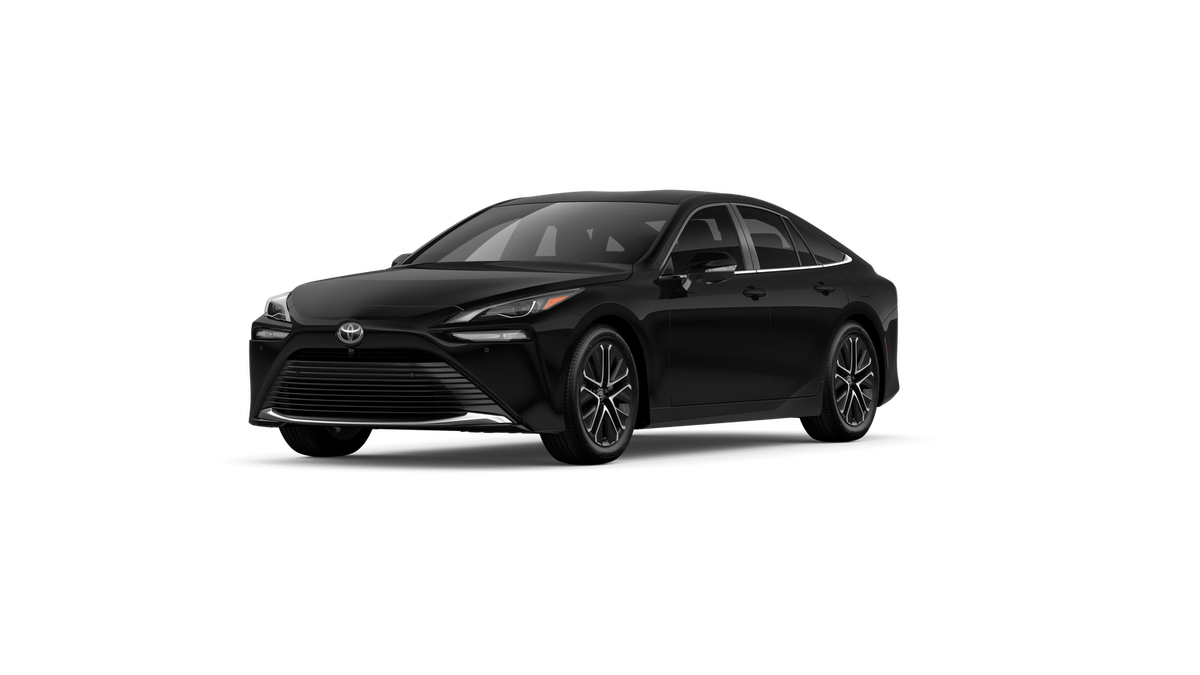
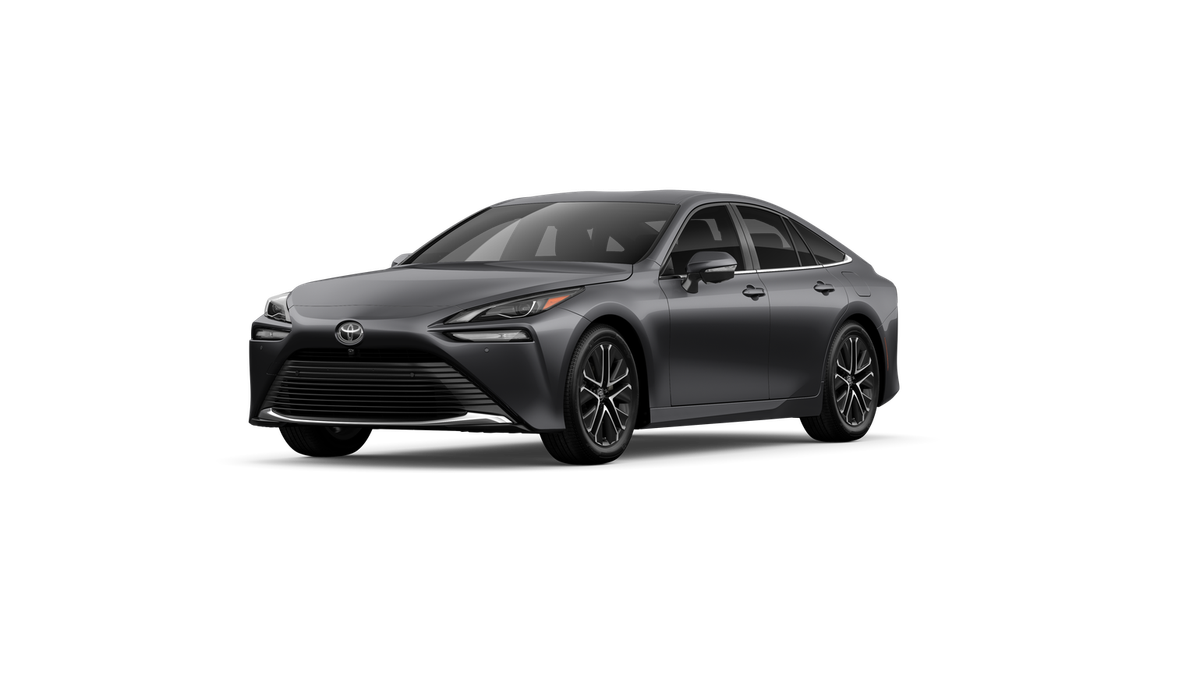
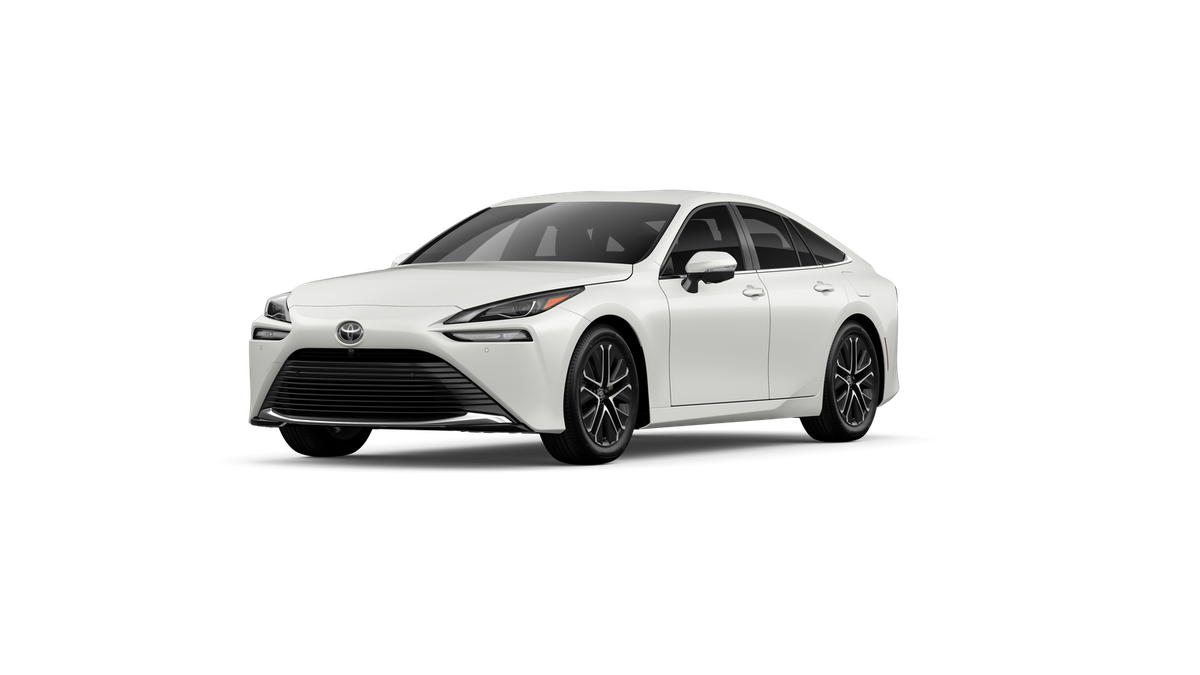
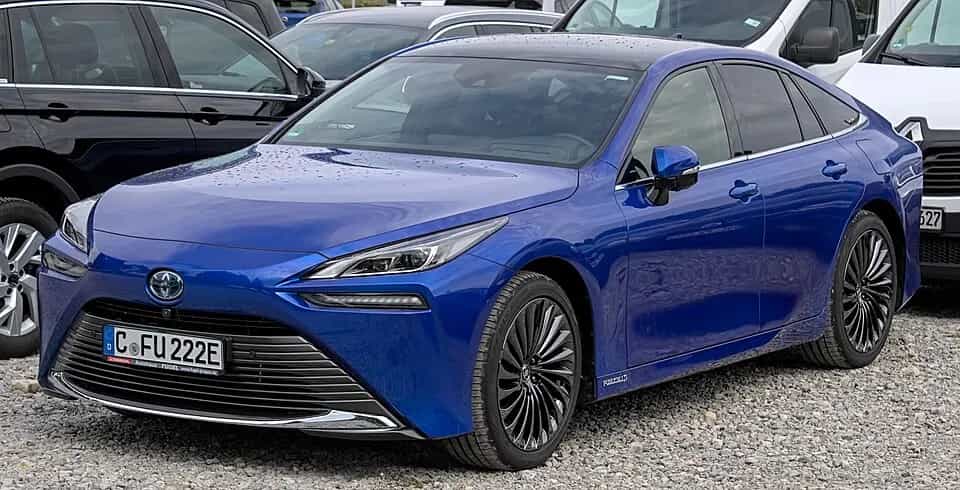
Toyota Mirai

Importing a used Toyota Mirai from the USA

The Toyota Mirai is one of the few hydrogen fuel-cell passenger cars ever sold at scale, and the United States — chiefly California — is the largest single market for used examples. For a technically minded buyer in Germany or the EU, importing a used Mirai is a way to own a genuine fuel-cell electric vehicle (FCEV) that emits only water. USCar Trader acts strictly as an independent broker for used cars: we do not sell new vehicles, take no margin on the car, and state customs and taxes transparently. Before you commit, though, it is essential to understand both the car and Germany's very limited hydrogen refuelling network. This page covers both.

Toyota mirai – used car imported from the USA
Photo: Alexander Migl · CC BY-SA 4.0 · Wikimedia Commons

Model history and generations

The first-generation Mirai (2014–2020) was a front-wheel-drive four-door sedan on a bespoke platform, instantly recognisable for its polarising, heavily sculpted styling. The second-generation Mirai (2021 onward) was a complete reinvention: it moved to Toyota's TNGA-L rear-wheel-drive platform, shared with the Lexus LS and Toyota Crown, giving it a long bonnet, elegant proportions and a genuinely premium cabin. The second car also added a third hydrogen tank, more range and greater refinement. Both were built at Toyota's Motomachi plant in Japan.

Engines and drivetrain

The Mirai has no combustion engine. Instead, a polymer-electrolyte fuel-cell stack combines stored hydrogen with oxygen to generate electricity, which drives an electric motor; the only tailpipe output is water vapour. The first generation produced around 152 hp and drove the front wheels. The second generation produces about 182 hp through the rear wheels, with a small lithium-ion buffer battery smoothing delivery. Hydrogen is stored at 700 bar in carbon-fibre tanks. Refuelling, where a station exists, takes roughly five minutes — far faster than charging a battery EV.

Which trim makes sense

The Mirai is offered only as a four-door sedan. On the second generation, US trims are broadly XLE and the better-equipped Limited, the latter adding features such as a panoramic roof, upgraded JBL audio, heated and ventilated seats and advanced driver assistance. Because it was a low-volume flagship, most cars left the factory generously equipped, so specification differences between used examples are smaller than on mainstream models.

Supply on the US market

Almost all US Mirais live in California, where hydrogen stations are concentrated. Many were sold or leased with substantial manufacturer fuel credits, so a large number of low-mileage, well-kept examples reach the used market as those incentives expire. Typical cars are 2021–2023 second-generation vehicles with modest mileage and full service history. Condition is generally excellent, but the buying decision is dominated less by the car and more by the practicality question, which we address below.

Who benefits from importing

The Mirai suits an early-adopter, an engineer, a collector of alternative-drivetrain milestones, or a buyer with reliable access to a hydrogen station. Germany has one of Europe's larger — but still sparse — hydrogen networks, and refuelling availability varies sharply by region. If you cannot refuel conveniently, the car cannot be used to its potential. For the right owner, though, a used Mirai import offers a whisper-quiet, water-only luxury sedan unlike anything else on the road.

Technical data

SpecificationDetail (2nd-gen Mirai, typical US)
Body style4-door sedan (FCEV)
Generations1st 2014–2020; 2nd 2021–present
Assembly plantMotomachi, Japan
Drivetrain (2nd gen)Rear-wheel drive, single electric motor
Power sourceHydrogen fuel-cell stack + buffer battery
Output (2nd gen)approx. 182 hp / 300 Nm
Hydrogen storage3 tanks at 700 bar, approx. 5.6 kg
EPA range (2nd gen)up to approx. 647 km (402 mi)
Refuelling timeapprox. 5 minutes
EmissionsWater vapour only
Length (2nd gen)approx. 4,975 mm
Wheelbaseapprox. 2,920 mm
Kerb weightapprox. 1,900 kg
0–100 km/happrox. 9.0 s
Warranty noteFuel-cell components had long US warranties; check transferability

Known weak points and maintenance

Mechanically the Mirai is simple and has proven durable, with the fuel-cell stack and motor generally trouble-free in service. The most cited real-world issue is not the car but the hydrogen supply: US owners have faced station outages and, at times, hydrogen shortages. Beyond that, watch for software and infotainment updates, the condition of the 12V and buffer batteries on cars that have sat unused, and the age-based service schedule for the high-pressure tanks. Because so few independent workshops handle FCEVs, factor in specialist servicing. As a Mirai reliability consideration, the drivetrain is sound; the ownership experience hinges on refuelling access.

US and EU spec compared

US cars use mph instrumentation, North American lighting and telematics configured for the US. More importantly, the hydrogen nozzle standard (700 bar H70) is internationally aligned, so a US Mirai is technically compatible with German H2 pumps — but you must confirm local station compatibility and payment access before importing. There is no rear fog lamp on US builds.

The import process in detail

Choose a suitable car, run a VIN and origin check, pay securely through escrow, arrange inland transport to a US port, ship by ocean freight to a North European port, clear customs, complete technical inspection and individual approval (TÜV / §21), and register locally. High-pressure hydrogen tanks require careful, compliant handling, which we coordinate.

What customs clearance really costs

Bottom line: what matters is the factory shown by the VIN – proven US origin unlocks 0% duty. The 19% import VAT always applies.

Two separate charges apply and we never hide a margin inside them. First, the import duty, whose rate depends on provable origin. The Mirai is Japanese-built, so it does not normally qualify as US-origin and the standard passenger-car duty typically applies rather than the 0% preferential rate. The 0% rate under Regulations (EU) 2026/1455 and 2026/1461 is available only for genuinely US-built vehicles with VIN/plant evidence and direct transport, within the scheme's window; it is never automatic or guaranteed. Second, and in every case, the 19% German import VAT (Einfuhrumsatzsteuer) is charged on the customs value plus duty and freight. We itemise both before you decide.

TÜV, modifications and registration

Approval work centres on lighting compliance including adding a rear fog lamp, headlight conformity, converting the speedometer reading to km/h, documenting the odometer, and providing evidence for the high-pressure hydrogen system and tank certification dates for the inspector.

Check before you buy

  • Verify the VIN, generation and build year.
  • Obtain a full Carfax or AutoCheck record — history, title and mileage.
  • Confirm the hydrogen tank certification/inspection dates and remaining service life.
  • Check the fuel-cell warranty terms and whether any US coverage transfers.
  • Assess buffer and 12V battery health, especially on stored cars.
  • Confirm clean title status (not salvage) unless intentionally chosen.
  • Above all, verify realistic hydrogen refuelling access at your destination.

Common questions

Can I actually refuel a Mirai in Germany?

Sometimes. Germany has a limited hydrogen station network concentrated in certain regions. The 700-bar nozzle is compatible, but you must confirm a usable station near you before importing.

Does a used Mirai import qualify for 0% EU duty?

Usually not, because it is Japanese-built. The 0% preferential rate needs provable US origin; the standard car duty normally applies. The 19% import VAT always applies.

How far does a Mirai go on one fill?

The second generation is EPA-rated up to roughly 402 miles (about 647 km); real-world range depends on driving and conditions.

Is the fuel-cell stack reliable?

Yes, the drivetrain has proven durable. Ownership challenges stem from refuelling logistics rather than the hardware itself.

How long does refuelling take?

Around five minutes, similar to a petrol car and far quicker than charging a battery EV.

What must be checked on a used Mirai?

VIN and generation, full history, hydrogen tank certification dates, warranty transferability, battery health and clean title.

Who services a Mirai in Europe?

Servicing generally requires a specialist familiar with FCEVs; plan for this before purchase.

To get started, explore Toyota in the Carhub, look at related Toyota sedans and hybrids such as the Toyota Prius, the Toyota Camry and the Toyota Avalon, or browse current Mirai listings.