Toyota Land Cruiser

Importing a used Toyota Land Cruiser from the USA

The Toyota Land Cruiser is one of the most respected off-road SUVs ever made, and the US-market versions differ meaningfully from those sold elsewhere — most notably the big V8 of the 200 Series and the reborn 250 Series. Toyota builds the Land Cruiser in Japan and shipped a specific configuration to North America, so a US import can be a distinct and desirable specification. USCar Trader operates strictly as an independent broker for used vehicles — no new-car sales, no factory partnership. Here is what to weigh before importing a used Land Cruiser from the USA.

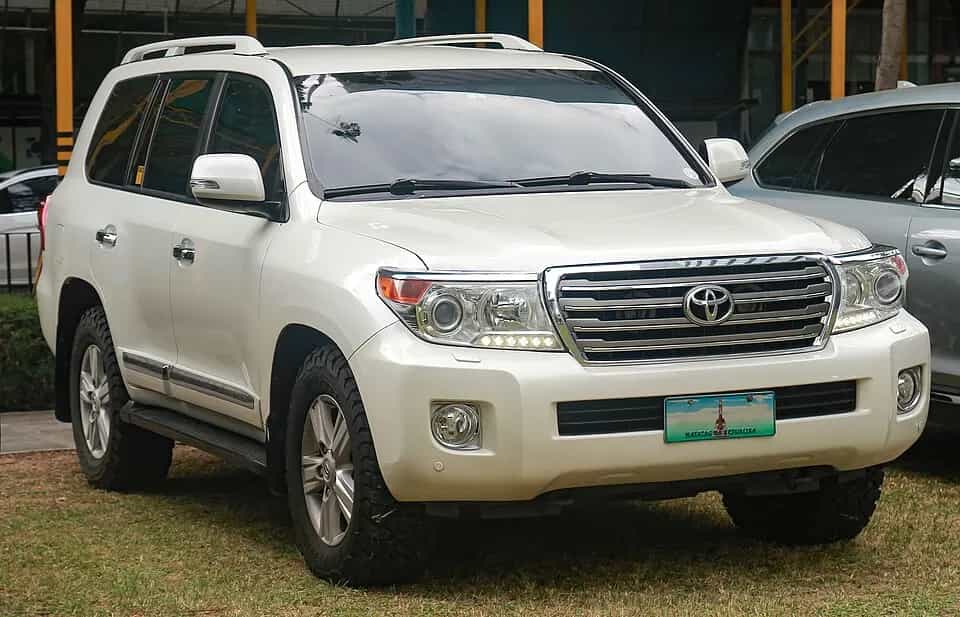
Toyota Land Cruiser – used car imported from the USA
Photo: Ethan Llamas · CC BY-SA 4.0 · Wikimedia Commons

Model history: years and generations

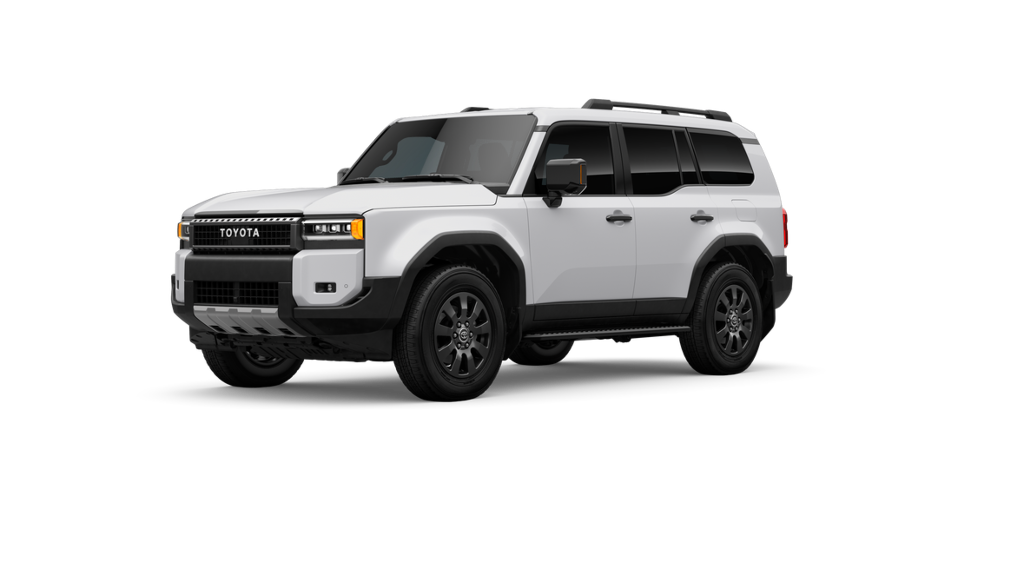
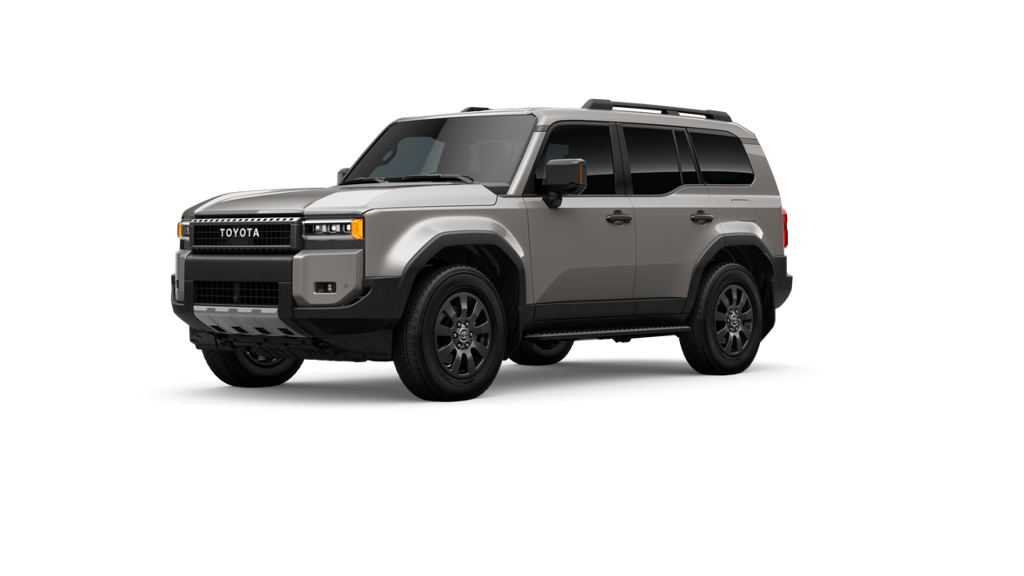
Two US-market chapters matter most. The 200 Series (2008–2021) was sold in the US as a full-luxury, V8-powered full-size SUV until Toyota withdrew it after 2021. After a pause, the nameplate returned to the US for 2024 as the all-new 250 Series (J250), a hybrid-powered, more compact and more affordable Land Cruiser sharing its platform with the latest Tacoma and Lexus GX. The closely related Lexus LX is the luxury twin of the 200/300 hardware. For used imports today, the 200 Series V8 and the early 250 Series hybrid are the two main targets.

Engines, transmissions and drive

The US 200 Series runs the 5.7-litre 3UR-FE V8, roughly 381 hp and 544 Nm, with a six- or later eight-speed automatic and full-time four-wheel drive with a Torsen centre differential and low range — a smooth, torque-rich combination built for the long haul. The 2024-on 250 Series uses the 2.4-litre turbocharged i-FORCE MAX hybrid, around 326 hp and strong low-end torque, with an eight-speed automatic and full-time four-wheel drive plus a locking centre differential. Both are serious, permanently four-wheel-drive machines rather than part-time systems.

Equipment lines and body styles

The Land Cruiser is a five-door SUV. The US 200 Series was sold in a near-fully-loaded single specification with three rows of seating, leather, crawl control and the Multi-Terrain system. The 250 Series is offered in trims such as the retro-styled 1958, the mid-level Land Cruiser and higher First Edition/Premium grades, mostly five-seat, with more rugged, boxy styling that deliberately echoes older FJ models.

The US used market

The 200 Series holds its value exceptionally well in the US, so clean examples are sought after and rarely cheap; you will find a spread from well-kept low-mileage cars to high-mileage but sound trucks, given how long owners keep them. The 250 Series is new enough that used supply is still building. Sun-belt cars tend to be rust-free, which matters for the frame and TÜV inspection.

Is an import right for you?

A used Land Cruiser suits buyers who want a supremely durable, genuinely capable luxury off-roader with a reputation for crossing continents. The 200 V8 appeals to those who want the last of the big naturally aspirated Land Cruisers; the 250 hybrid suits buyers wanting the newest, more efficient version. It is a large, heavy vehicle, and running costs — especially on the V8 — should be part of your decision.

Specs at a glance

AttributeTypical figure (series-dependent)
Body styleBody-on-frame SUV, 5-door
Seating5 (200 Series up to 8)
Engine (200 US)5.7 L V8 (3UR-FE)
Engine (250 US)2.4 L turbo hybrid (i-FORCE MAX)
Power (V8)approx. 381 hp
Power (hybrid)approx. 326 hp
Transmission6/8-speed automatic
DriveFull-time 4WD with low range, centre diff lock
Length (200)approx. 4.95 m
Kerb weightapprox. 2,600 kg (200 V8)
Ground clearanceapprox. 22 cm
Towingup to approx. 3,600 kg
Fuel typePetrol / petrol-hybrid
OriginBuilt in Japan

Common issues buyers should know

The Land Cruiser's durability reputation is deserved, but ownership is not free of costs. The 5.7 V8 200 Series is mechanically stout; watch for starter failures buried under the intake (a labour-intensive job), water-pump wear, and the general expense of servicing a heavy luxury off-roader. Air-suspension components on the related Lexus LX can be costly, though the standard Land Cruiser uses conventional springs. Frame and underbody corrosion on cars from salted regions is the key inspection point. The 250 Series hybrid is new, so long-term data is limited; early attention should focus on completing any recalls and confirming the hybrid system's service record. Across the board, honest maintenance history is the strongest reassurance.

Differences from the European version

US Land Cruisers differ from European-spec cars in equipment and calibration: mph speedometer, US lighting (often no separate rear fog lamp, red turn signals on some years), DOT glazing, US navigation and radio bands, and US emissions tuning. The US 200 Series was petrol-only, whereas Europe often received diesel Land Cruisers — so a US import is specifically the petrol/hybrid specification. These are documentation and TÜV items, not obstacles.

Import step by step

Select the vehicle and confirm series and specification; run a VIN and origin check to establish the plant of build; pay via escrow; arrange ocean freight (RoRo or container) from a US port to Bremerhaven or Rotterdam; clear German customs; present for TÜV and individual approval; and register locally.

Customs and taxes: what applies

In short: the 0% duty rate applies only with documented US origin (VIN/plant) – German import VAT of 19% is always due.

Two separate charges apply. The import duty: the standard EU passenger-car rate is 10%, and a 0% preferential rate can apply only where US origin is provable by VIN and plant under Regulations (EU) 2026/1455 and 2026/1461 (in force since 1 July 2026, direct transport, until 31 December 2029). The Land Cruiser is built in Japan, so it typically will not qualify for the US-origin 0% rate — plan for the standard duty unless a VIN check proves otherwise. Separately and always, the 19% German import VAT (Einfuhrumsatzsteuer) applies on the customs value. We quote both openly and add no margin.

Modifications and single-vehicle approval

Expect to add or convert a rear fog lamp, adapt the headlight beam pattern to ECE, confirm a km/h speedometer, and document the odometer reading. Any aftermarket bar work, lighting or lift must be certified or removed. Registration proceeds once approval is issued.

What to verify before buying

  • Decode the VIN and confirm the build plant and origin.
  • Inspect the frame and underbody for corrosion.
  • Pull a Carfax or AutoCheck report for accidents and title events.
  • On the V8, check for starter symptoms and cooling-system service.
  • Review full service history, including hybrid records on the 250.
  • Confirm a clean, non-salvage title.
  • Test full-time 4WD, low range and the centre differential lock.

Common questions

What engine does the US Land Cruiser use?

The 200 Series used the 5.7 V8; the 2024-on 250 Series uses a 2.4-litre turbo hybrid.

Is the US Land Cruiser different from the European one?

Yes. The US car is petrol or hybrid, where Europe often had diesels, and equipment and calibration differ.

Does the 0% import duty apply?

Usually not, because it is built in Japan. Expect the standard duty unless a VIN check proves US origin; the 19% import VAT always applies.

Is the Land Cruiser reliable?

It is among the most durable SUVs made, though servicing a heavy luxury off-roader is not cheap. History matters.

How capable is it off-road?

Very. Both series have full-time 4WD, low range, a locking or Torsen centre differential and terrain systems.

Will it pass German TÜV?

Yes, after the usual lighting and documentation adjustments during individual approval.

How is it shipped from the USA?

By RoRo or container from a US port to a northern European port, followed by customs clearance.

See the full Toyota in the Carhub, compare it with the 4Runner or the retro FJ Cruiser, look at the Highlander, and browse current Land Cruiser listings.