Tesla Model 3

Importing a used Tesla Model 3 from the USA

The Tesla Model 3 is the car that took electric driving mainstream, and the American used market is where it sells in the greatest numbers. That depth of supply, combined with the different equipment and pricing dynamics in the States, is why buyers regularly ask us to help import a used Tesla Model 3 from the USA. USCar Trader acts purely as an independent broker: we source from US sellers, verify the VIN and build origin, and manage shipping and clearance. We deal only in used vehicles and take no dealer margin on the car.

Because the Model 3 is a global product with software-defined features, an American car can behave almost identically to a European one once connected — but there are import-specific details around origin, charging and homologation that reward doing this properly. Here is what you need to know.

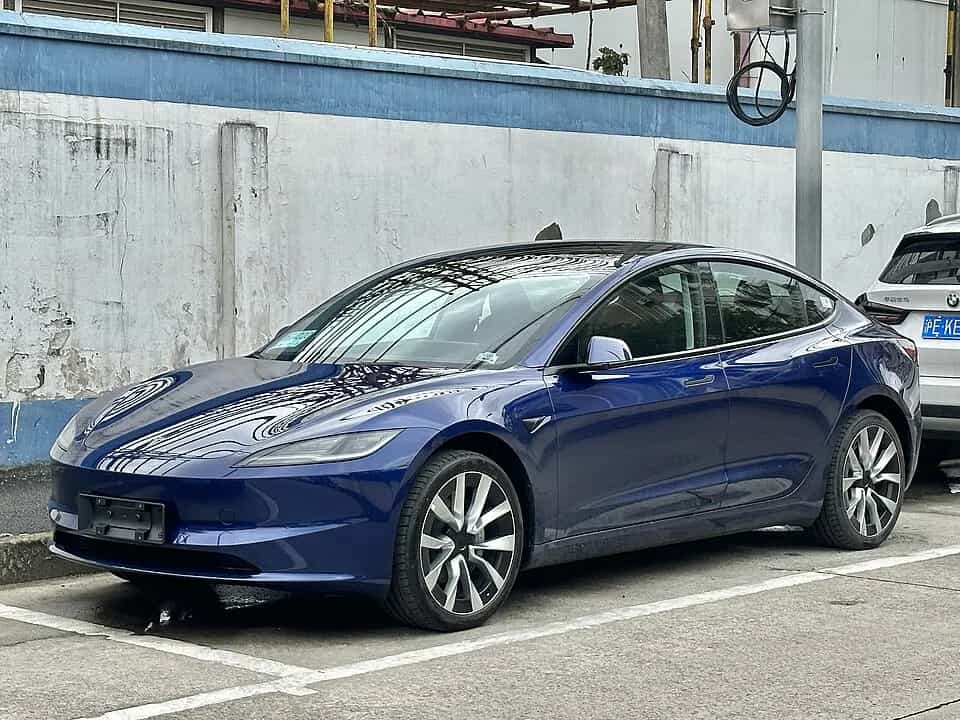
Tesla model-3 – used car imported from the USA
Photo: JustAnotherCarDesigner · CC0 · Wikimedia Commons

From launch to today

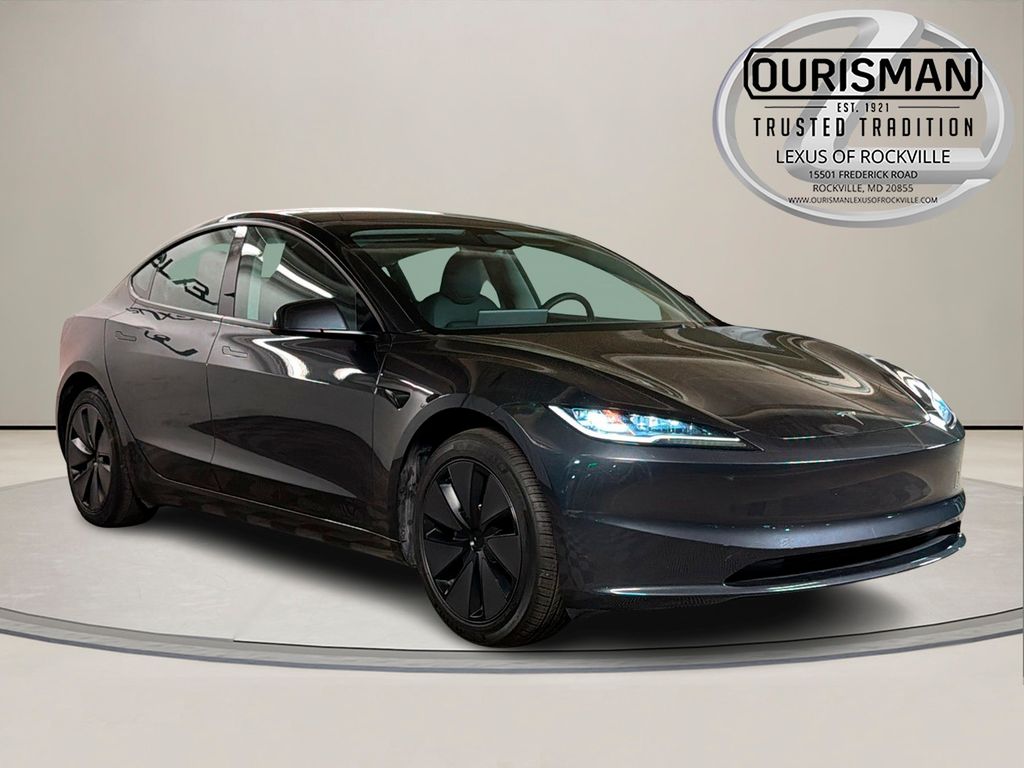
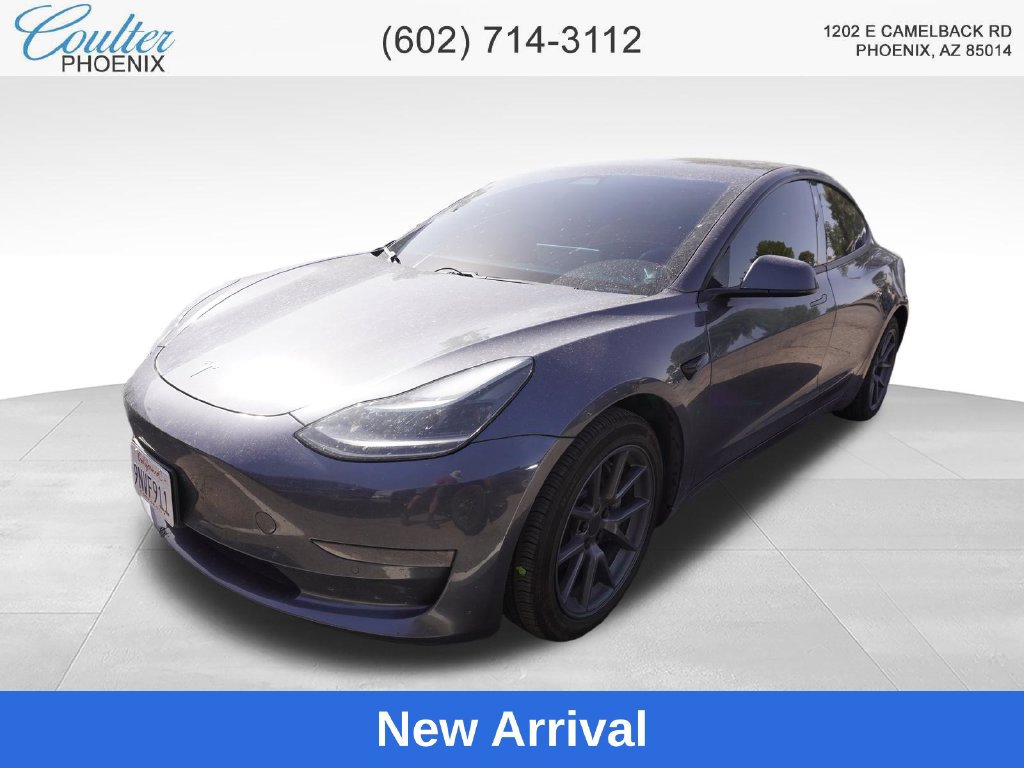
The Model 3 entered production in mid-2017 as Tesla's first mass-market car, built at the Fremont, California plant for the North American market. Over its life it received rolling hardware and software updates rather than formal model years: a heat-pump HVAC system and improved efficiency arrived for 2021, and a comprehensive refresh known internally as "Highland" landed for the 2024 model year with restyled front and rear ends, a quieter cabin, new interior materials and revised suspension. Crucially for import, US cars carry a VIN beginning with 5YJ, which denotes Fremont assembly and generally supports a US-origin determination — unlike Model 3 cars built in Shanghai for other markets.

Engines and drivetrain in detail

The Model 3 is fully electric, so "engine" means electric motors and battery. Three configurations dominate the US used pool. The rear-wheel-drive Standard Range / RWD uses a single rear motor and, on many years, an LFP (lithium-iron-phosphate) battery that tolerates daily 100% charging. The Long Range AWD adds a front motor for dual-motor traction and the longest range. The Performance sits at the top with uprated motors, larger brakes, a lowered sport suspension and a track mode. Power is delivered instantly through a single-speed reduction gear; there is no conventional transmission to service.

Trim levels and variants

Body style is a single four-door fastback saloon — there is no estate or hatchback Model 3. Trim differences are mostly about drivetrain (RWD, Long Range, Performance) and options such as the white interior, larger wheels, and the tiered Autopilot / Enhanced Autopilot / Full Self-Driving software packages. Because features are unlocked in software, two visually identical cars can differ in capability, so always confirm exactly which options a given VIN carries.

Used availability in the USA

Supply is large and turnover is fast. Former lease and fleet cars, plus private sellers upgrading to newer Teslas, keep the market well stocked across all three drivetrains. Typical import candidates are 2019–2023 cars with moderate mileage and healthy battery state of health. Battery degradation on the Model 3 is generally modest, but it is measurable and worth confirming. Salvage and rebuilt-title cars circulate widely in the US and should be approached with caution. As always, this page lists no European prices; live listings are the right reference.

When importing makes sense

A used Model 3 suits the buyer who wants a fast, efficient, tech-forward EV and is comfortable with Tesla's minimalist, screen-centric approach. Long Range AWD cars make the most sense for German motorway use and winter traction, while the RWD LFP cars are the value pick for city and commuter duty. If you rely heavily on public rapid charging, note the connector and Supercharger points covered below.

Facts and figures

Body style4-door fastback saloon
GenerationFirst (2017–2023) / Highland refresh (2024–)
Assembly (US cars)Fremont, California — VIN 5YJ
PowertrainBattery-electric, single or dual motor
DriveRWD or AWD (dual motor)
Power (RWD)approx. 283 hp
Power (Performance)approx. 450+ hp
Battery typeLFP (Standard/RWD) or NCA (Long Range/Performance)
Usable capacityapprox. 57.5–82 kWh depending on version
0–100 km/happrox. 3.3–6.1 s by version
DC fast chargingup to ~250 kW (Supercharger V3)
US charge portNACS (Tesla) connector
Lengthapprox. 4,694 mm
Wheelbaseapprox. 2,875 mm
Curb weightapprox. 1,750–1,850 kg
Seating5

Reliability and common problems

Mechanically the Model 3 is simple and durable, but there are recurring gripes. Early build quality drew criticism for uneven panel gaps and paint blemishes, so inspect fit and finish closely. "Phantom braking" — sudden false emergency braking events on the driver-assist system — has affected some cars via software. The 12-volt auxiliary battery can fail and leave the car unresponsive; later cars moved to a longer-life lithium 12V unit. Front suspension control-arm and upper-arm bushings can wear and knock, and pre-2021 cars without the heat pump are less efficient in cold German winters. Wind and road noise on older cars is noticeably higher than on the Highland refresh. Confirm the Autopilot computer version (HW3 vs HW4) if software features matter to you.

How US versions differ

The most important difference is the charge port: US Model 3 cars use Tesla's NACS connector, whereas European public rapid chargers and most Superchargers in Germany use CCS2. Plan for a NACS-to-CCS2 adapter and check Supercharger compatibility for the specific car. US cars have amber front side markers, mph-priority displays (switchable to km/h in software) and no rear fog lamp as standard. Navigation, units and language localise in software once the car is set up for the region.

From US purchase to registration

The sequence is: select the car → verify the VIN, confirm 5YJ/Fremont origin and battery health → fund via escrow → arrange ocean freight from a US port → clear German customs → present for TÜV individual approval (§21) with the required lighting and fog-lamp changes → register at the Zulassungsstelle. Because the Model 3 is a known homologated type, approval is generally straightforward once the physical modifications are made.

Costs, duty and taxes at a glance

Key point: duty depends on the plant of build; only a VIN check secures the 0% rate. Import VAT of 19% applies regardless.

Two charges apply, stated separately. Import duty: since 1 July 2026, Regulations (EU) 2026/1455 and 2026/1461 permit a 0% rate for vehicles of provable US origin shipped directly from the USA, valid until 31 December 2029. A Fremont-built Model 3 with a 5YJ VIN often meets the US-origin test — but we confirm this from the VIN and never promise "duty-free" in advance. Import VAT: German Einfuhrumsatzsteuer of 19% always applies, on every import, calculated on the customs value. We add no margin to either.

TÜV, approval and license plates

Plan for European-approved headlights or a beam-pattern conversion, a retrofitted rear fog lamp, and confirmation that the speed display is set to km/h. The odometer and battery data are documented and cross-checked against the vehicle history during approval. After the TÜV certificate is issued, registration follows the standard used-import path.

Pre-purchase checklist

Before buying, verify: (1) the VIN begins 5YJ and matches all documents; (2) a clean Carfax/AutoCheck history free of salvage, flood or rebuilt branding; (3) measured battery state of health and range; (4) the Autopilot/FSD software tier actually attached to the VIN; (5) the HW3 vs HW4 computer version; (6) tyre and control-arm condition; and (7) that the US title is clean and transferable.

Import FAQ

Can a US Tesla Model 3 charge in Germany?

Yes, with a NACS-to-CCS2 adapter for public rapid chargers. Home AC charging works with the appropriate cable. Confirm Supercharger access for the specific car.

Does a US-built Model 3 qualify for 0% EU import duty?

Often, because Fremont cars (VIN 5YJ) can establish US origin. We verify this from the VIN before you commit and never guarantee duty-free.

Is the 19% import VAT always payable?

Yes. German import VAT of 19% applies to every imported vehicle regardless of origin and is calculated on the customs value.

How much battery degradation is normal?

Modest for the Model 3 — typically a single-digit to low-double-digit percentage over several years — but always confirm the measured state of health for the individual car.

What is the Highland refresh?

The 2024 update with restyled bodywork, a quieter, higher-quality cabin and revised suspension. Earlier cars are the pre-Highland first generation.

Are salvage-title Teslas worth importing?

They are cheaper but carry real risk on structural and battery integrity, and can complicate TÜV approval. We generally recommend clean-title cars only.

Which version is best for Germany?

Long Range AWD for motorway range and winter traction; RWD LFP cars are the value choice for city and commuter use.

Start here: browse Tesla in the Carhub, compare the Tesla Model S, the BMW i4 and the Polestar 2, or view current Model 3 listings.