Importing a used Subaru Outback from the USA
USCar Trader acts purely as an independent broker for this process.
 0049 (0)89 2000 791 00
 Mo - Fr 8:00am - 8:00pm
USCar Trader import service
Choose a specific vehicle. Where data is available, its detail page shows the import cost calculation. We assess any possible duty benefit with you before purchase.
Important: A 0% EU import-duty rate may be available for a vehicle covered by Regulation (EU) 2026/1455 that has US origin and is imported directly into the EU. CETA may apply to a vehicle with preferential Canadian origin. Whether the requirements are met is assessed for the individual case. Please contact us before purchase; we review the possible duty benefit and provide non-binding support through the process. Import VAT and other costs are assessed separately.
CarHub · Subaru
The Subaru Outback occupies a niche that almost no other manufacturer fills convincingly: a raised, all-wheel-drive estate that drives like a car but clears rough tracks like a light SUV.

Price:39,758.00 USD

Price:50,609.00 USD

Price:39,758.00 USD
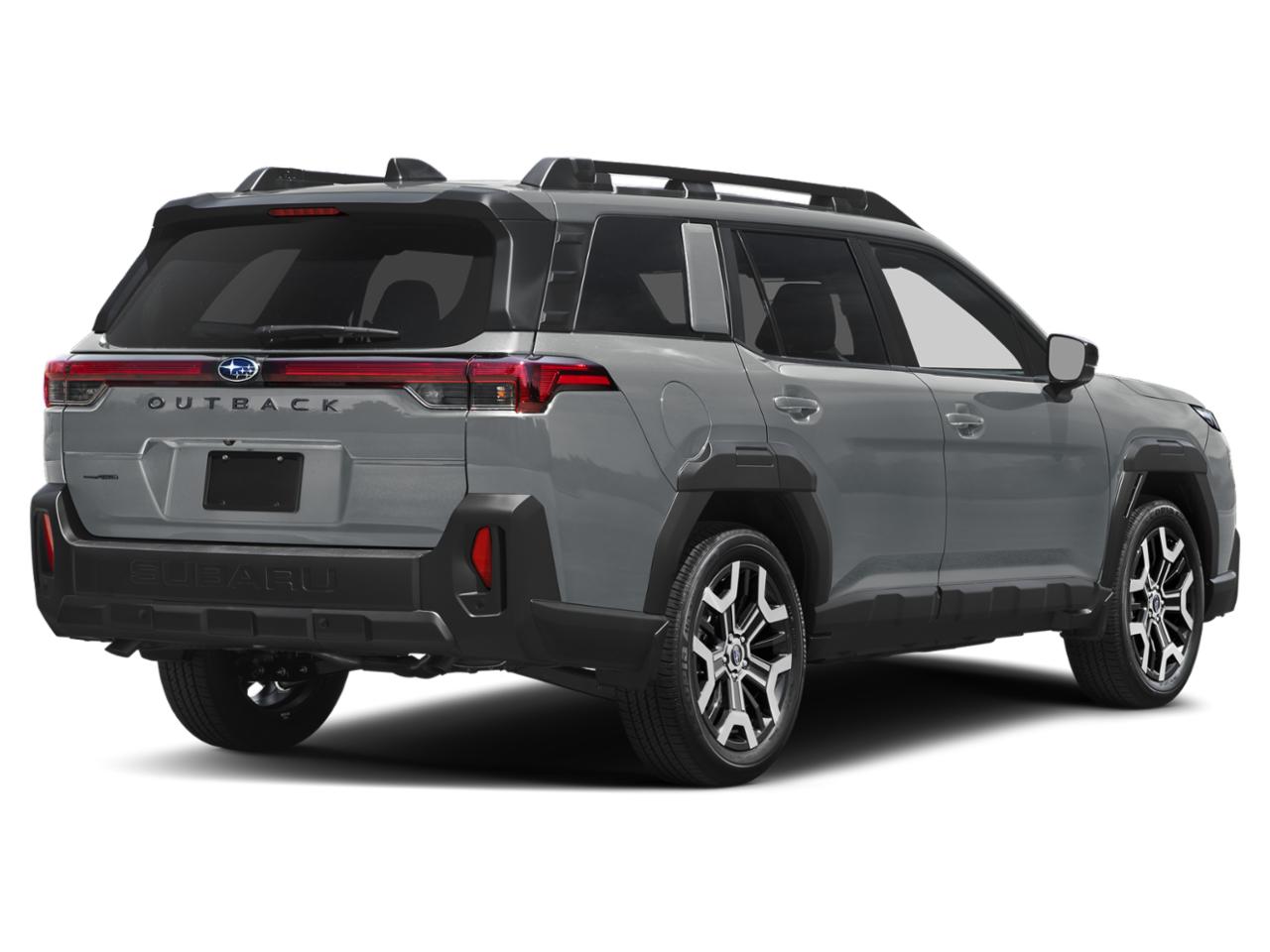
Price:46,845.00 USD

Price:50,609.00 USD
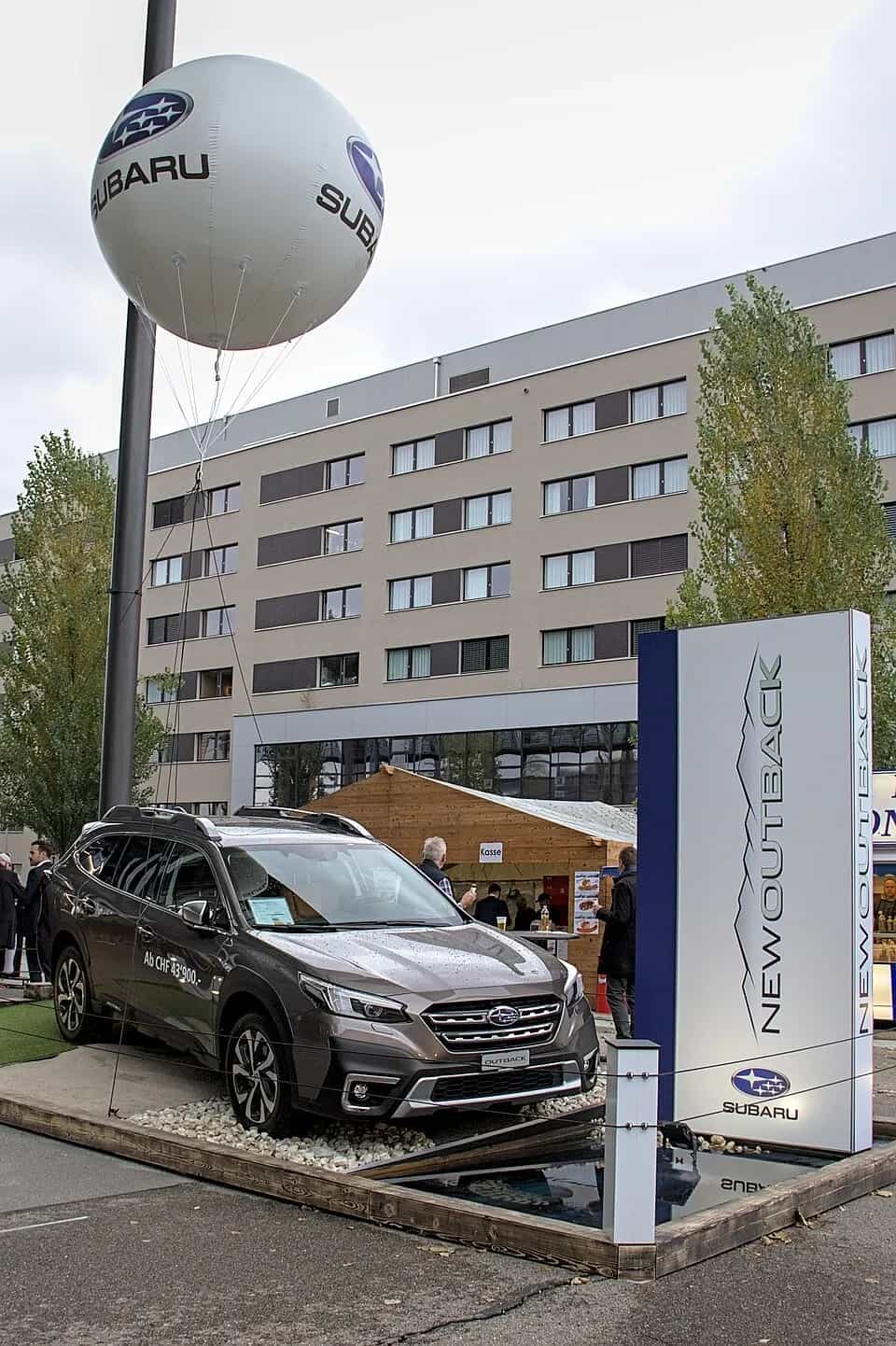
Model profile
USCar Trader acts purely as an independent broker for this process.
The Outback began life in the mid-1990s as a rugged version of the Legacy wagon, and by the time it matters for import it had become a distinct model line.
Powertrain and equipment
Almost every US Outback runs a horizontally opposed 'boxer' engine driving all four wheels through Subaru's Lineartronic CVT (fourth-generation cars could still be found with a conventional automatic or a manual).
The Outback is sold only as a five-door wagon/crossover, but US trim walks are long: Base, Premium, Limited and Touring recur across generations, with Onyx Edition and Wilderness variants added later.
Vehicle selection
Supply is the Outback's great advantage. Fifth- and sixth-generation cars are plentiful across the whole country, with typical import candidates showing between roughly 40,000 and 130,000 miles depending on age. Cars from the dry southern and western states tend to have the cleanest underbodies, which matters for a wagon that will face German winters and salted roads.
Vehicle data
| Body style | Typical US-spec figures: 5-door wagon / crossover |
|---|---|
| Length | Typical US-spec figures: approx. 4,820–4,870 mm |
| Width | Typical US-spec figures: approx. 1,840 mm |
| Height | Typical US-spec figures: approx. 1,670–1,680 mm |
| Wheelbase | Typical US-spec figures: approx. 2,745 mm |
| Curb weight | Typical US-spec figures: approx. 1,550–1,750 kg |
| Seating | Typical US-spec figures: 5 |
| Base engine | Typical US-spec figures: 2.5 L FB25 boxer, ~175 hp |
|---|---|
| Six-cylinder (5th gen) | Typical US-spec figures: 3.6 L EZ36 flat-six, ~256 hp |
| Turbo (6th gen XT) | Typical US-spec figures: 2.4 L FA24 turbo boxer, ~260 hp |
| Transmission | Typical US-spec figures: Lineartronic CVT (earlier auto/manual) |
| Drivetrain | Typical US-spec figures: Symmetrical All-Wheel Drive (standard) |
| Max towing | Typical US-spec figures: approx. 1,225–1,588 kg depending on engine |
| Fuel tank | Typical US-spec figures: approx. 63–70 litres |
| Generations considered | Typical US-spec figures: BR (2010–2014), BS (2015–2019), BT (2020–2024) |
|---|---|
| Ground clearance | Typical US-spec figures: approx. 220 mm (more on Wilderness) |
Values are reproduced verbatim from the existing article table. The documents for the specific vehicle govern.
Pre-purchase review
The Outback has a broadly solid reputation, but it has known weak points worth checking. The older EJ-series 2.5-litre engines (into the early 2010s) were notorious for external head gasket seepage; the later FB25 improved on this but some owners report elevated oil consumption, so a car with a documented oil-use pattern deserves scrutiny.
Germany and Europe
US-market headlights use the FMVSS/SAE beam pattern, which differs from the ECE pattern required in the EU, so they may need adjustment or replacement with ECE-compliant units for registration.
USCar Trader services
As a buyer based in Germany, you do not have to inspect the vehicle yourself in the United States or Canada. Within the agreed scope, USCar Trader can coordinate document review, a separately commissioned on-site inspection and purchase processing.
Covered inspection points are agreed in advance. An on-site inspection records condition at the appointment and is not a guarantee.
Next step: Before commissioning, USCar Trader and the customer agree which document, history, inspection and transaction checks suit the vehicle and are included in the service. This records what was actually checked.
Import process
The assessment depends on the specific vehicle and the circumstances of the transaction. Please contact USCar Trader before purchase; we review any possible duty benefit and provide non-binding support. Import VAT and other costs are considered separately.
Questions and answers
It can be, especially if you want an engine or trim Europe rarely offered, such as the 3.6R flat-six or a well-equipped Limited. Value depends on the individual car, its history and the total landed cost including VAT.
No, not automatically. A 0% EU import-duty rate may be available for a vehicle covered by Regulation (EU) 2026/1455 that has US origin and is imported directly into the EU. CETA may apply to a vehicle with preferential Canadian origin. Whether the requirements are met is assessed for the individual case. Please contact USCar Trader before purchase; we review the possible duty benefit and provide non-binding support. Import VAT and other costs are assessed separately.
Import VAT and other taxes or costs are assessed separately under the applicable rules and the circumstances of the individual case. A blanket answer for every vehicle would not be reliable.
The Lineartronic CVT is reliable when serviced but costly to repair if neglected. Look for documented fluid changes and avoid cars with a history of hard towing without maintenance.
Import candidates commonly show between about 40,000 and 130,000 miles. History and condition matter more than the number alone.
The 2015–2019 fifth generation offers a strong balance of refinement, safety tech and value; the 2020+ sixth generation adds the turbo XT and newer electronics.
From purchase to registration typically several weeks, driven mainly by ocean freight and the individual approval appointment.
No. We are an independent broker and intermediary for used US vehicles, with no dealer margin and no manufacturer partnership.
More vehicles