Subaru Legacy

Importing a used Subaru Legacy from the USA

The Subaru Legacy is the quiet outlier among midsize sedans: standard symmetrical all-wheel drive, a horizontally opposed boxer engine and a reputation for surviving hard winters and long distances. For German and EU buyers it is a rare thing — a genuinely all-weather family sedan from America. Crucially for import, the Legacy is US-built at Subaru of Indiana in Lafayette, which frequently makes it a strong candidate for the 0% EU import duty when the VIN confirms US origin. As an independent broker, USCar Trader sources, inspects and ships used Legacy examples from the United States. Below: the generations, the boxer drivetrain, the trims and the used market, followed by full technical and import detail.

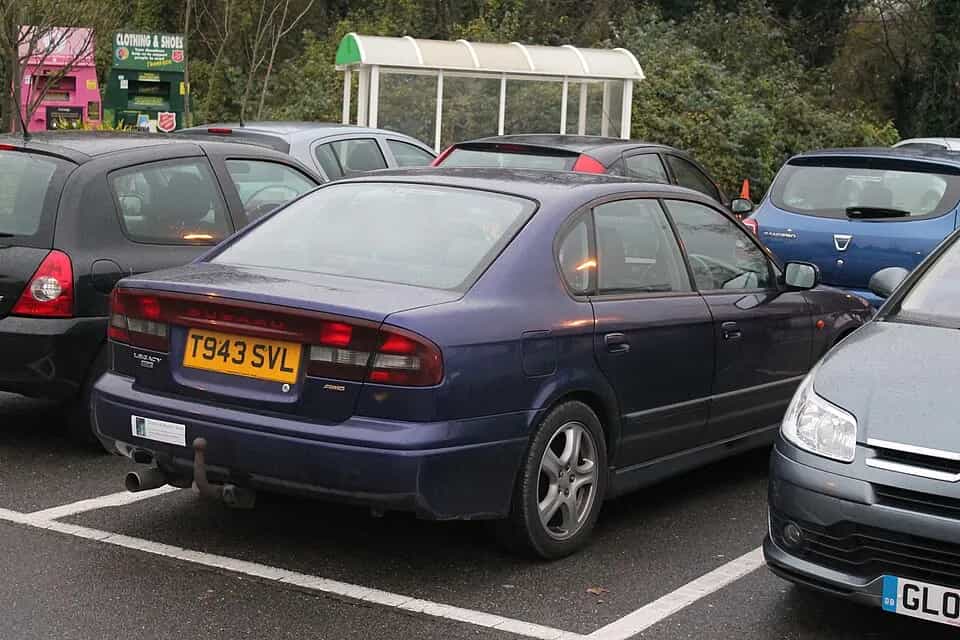
Subaru legacy – used car imported from the USA
Photo: Charlie · CC BY 2.0 · Wikimedia Commons

Model history: years and generations

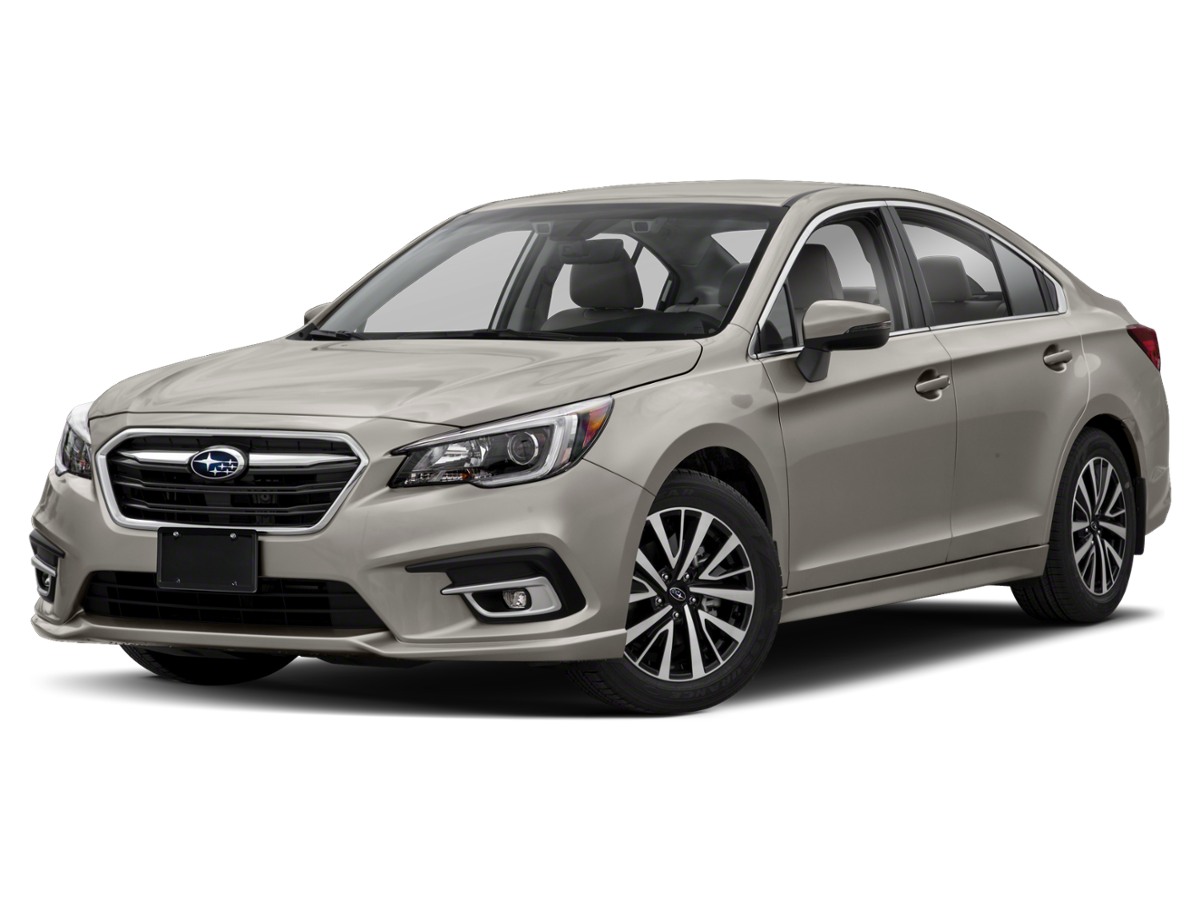
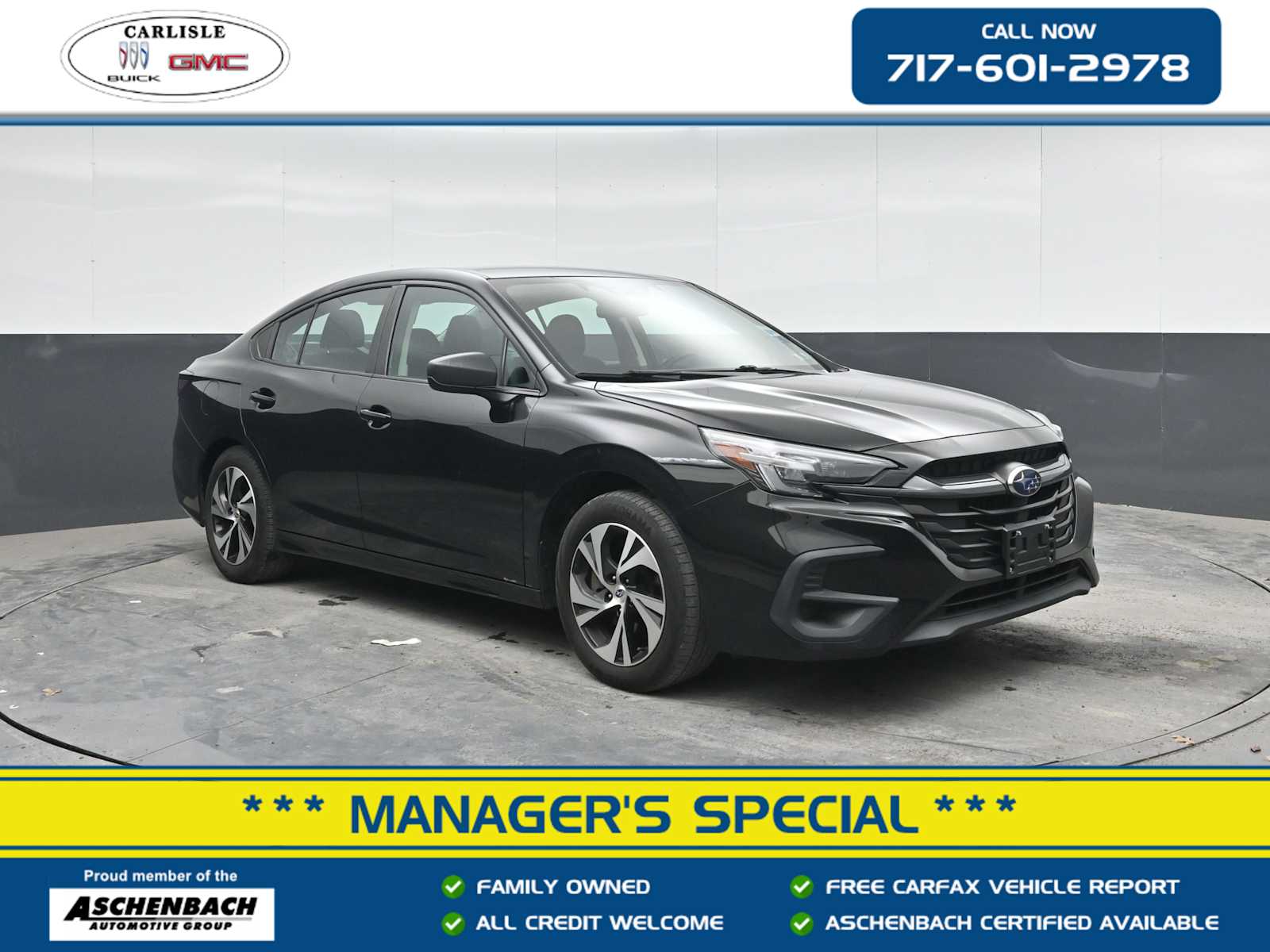
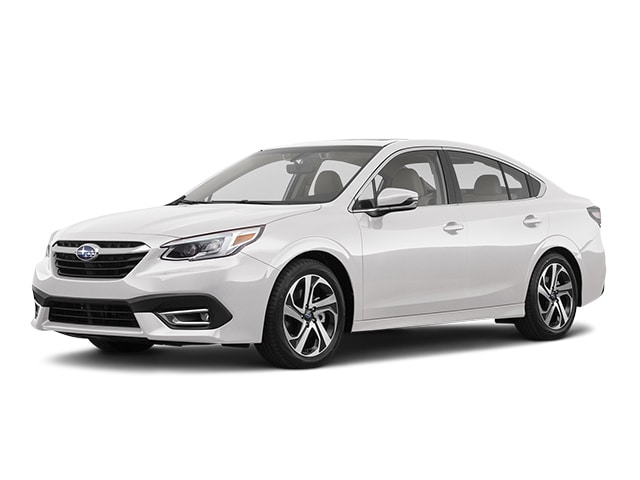
The Legacy has run for decades, but the two most relevant generations for import are the sixth generation (2015–2019, BN/BS) and the seventh generation (2020–2025, BW). The sixth-gen car brought a quieter, roomier cabin, the EyeSight driver-assistance suite and a refined Lineartronic CVT. The seventh generation moved to the Subaru Global Platform for a stiffer body and better crash performance, added the large 11.6-inch portrait touchscreen on most trims and reintroduced a turbocharged flagship. Note that Subaru discontinued the Legacy after the 2025 model year, which makes clean late-production cars a sensible import target while supply is fresh.

Engines, transmissions and drive

Two engine families matter. The volume unit is the naturally aspirated 2.5-litre FB25 boxer four, producing roughly 175–182 hp depending on year, tuned for smoothness and economy rather than outright pace. The enthusiast choice is the 2.4-litre FA24 turbocharged boxer in the seventh-gen Legacy XT, delivering around 260 hp and a healthy 375 Nm — enough to make the Legacy genuinely quick. Both drive through Subaru's Lineartronic CVT with a stepped manual mode, and every Legacy sends power to all four wheels through symmetrical all-wheel drive. That AWD layout, packaged around the low boxer engine, gives the Legacy excellent traction and a low centre of gravity — a real advantage over front-drive rivals in the same class.

Equipment lines and body styles

The modern Legacy is a four-door sedan only (the wagon role passed to the Outback long ago). US trims typically run Base, Premium, Sport, Limited and Touring, with the turbocharged XT badge applied to Limited XT and Touring XT on the seventh generation. Higher trims add leather or Nappa upholstery, heated and ventilated seats, a Harman Kardon audio system, the larger touchscreen and the full EyeSight assistance package. For import buyers, a Premium or Limited hits the value sweet spot; the XT is the one to chase if you want the turbo.

The US used market

Subaru sells the Legacy in steady numbers across the snow-belt and mountain states, so the US used market is well stocked with maintained, single-owner cars. Because Subaru owners skew toward regular servicing, documented histories are common. Typical import candidates sit in the roughly 40,000–140,000 km band. A word of caution specific to this brand: many Legacies live in salt-heavy northern states, so underbody and subframe corrosion checks matter more than usual — a rust-free southern or western car is worth seeking out. Complete records and a clean title outrank a marginally lower odometer.

Is an import right for you?

A used Subaru Legacy suits the buyer who wants sedan comfort and running costs but genuine all-weather ability — someone in an Alpine or rural region, or anyone who simply values sure-footed AWD without stepping up to an SUV. The XT adds real performance for those who want it. It is less ideal if you want a rear-drive sports saloon feel or maximum boot space. For confident, all-season family transport with a strong US origin case for import, the Legacy is a smart, slightly left-field choice.

Specs at a glance

AttributeTypical figure (7th-gen Legacy)
Body style4-door midsize sedan
Base engine2.5 L FB25 boxer 4-cyl, ~182 hp
Turbo engine (XT)2.4 L FA24 turbo boxer, ~260 hp / 375 Nm
TransmissionLineartronic CVT (with manual mode)
DrivetrainSymmetrical all-wheel drive (standard)
0–100 km/h (XT)approx. 6.1–6.5 s
0–100 km/h (2.5)approx. 8.5–9 s
Lengthapprox. 4,795 mm
Wheelbaseapprox. 2,750 mm
Kerb weightapprox. 1,570–1,680 kg
Boot volumeapprox. 425 L
FuelPetrol
Seats5
AssistanceEyeSight (stereo-camera) suite
Build locationLafayette, Indiana, USA

Common issues buyers should know

The Legacy is fundamentally durable, but boxer-specific items are worth knowing. Older EJ-series engines were famous for head-gasket weeping; the current FB and FA engines are far better in this respect, though they can consume some oil, so check levels and oil-consumption history. The Lineartronic CVT is generally reliable but was subject to extended warranties on some earlier Subarus for stepper-motor and torque-converter issues — confirm fluid service history and any completed campaigns via VIN. Other points: valve-spring and fuel-pump recalls affected certain 2019–2020 models, so verify recall completion; on the FA24 turbo watch for oil quality discipline; and, as noted, inspect for rust on cars from salted regions. EyeSight cameras and the large touchscreen can occasionally throw software faults resolved by updates. For a used Legacy, a car with clean CVT fluid records and completed recalls is the one to buy.

Differences from the European version

US Legacies use mph-primary clusters, US lighting configurations (often amber rear indicators, US side markers and DRL logic) and North American radio bands and traffic-info systems. EyeSight is calibrated to US road markings. These are all addressable during approval but must be brought to German conformity. Equipment bundling differs from any European Subaru sedan of the era, so match the US trim to the features you want.

Import step by step

1) Selection — we shortlist suitable used Legacy examples from US auctions and dealers. 2) VIN and origin check — we confirm the Lafayette build code, which supports the US-origin case for duty. 3) Escrow — payment is held until the car is verified and released. 4) Ocean freight — container or RoRo to a North European port such as Bremerhaven. 5) Customs clearance — declaration with origin-correct duty plus 19% import VAT. 6) TUEV / individual approval — inspection and any required modifications for §21. 7) Registration — final registration at your local Zulassungsstelle.

Customs and taxes: what applies

Key point: duty depends on the plant of build; only a VIN check secures the 0% rate. Import VAT of 19% applies regardless.

Two separate charges, never merged into a margin. The customs duty first: under EU Regulations 2026/1455 and 2026/1461 (in force since 1 July 2026, direct transport, valid to 31 December 2029), a vehicle of provable US origin can qualify for a 0% import duty rate. Because the Legacy is US-built in Indiana, a US-origin outcome is often achievable — but it is never automatic or guaranteed, and the VIN and plant code must prove it. Where US origin cannot be shown, the standard EU third-country rate for passenger cars (10%) applies. Second, and always: the German import VAT (Einfuhrumsatzsteuer) of 19%, calculated on the customs value plus duty and freight. We itemise both so you see exactly what is duty and what is VAT.

Modifications and single-vehicle approval

Typical approval work includes fitting or activating a rear fog lamp, confirming headlight beam compliance, ensuring the speedometer reads in km/h, and preparing documentation for §21 individual approval. The odometer is recorded and checked against the US history. After the TUEV report is issued, the car is registered normally.

What to verify before buying

  • Decode the VIN and confirm the Lafayette build and origin.
  • Obtain a full Carfax or AutoCheck history.
  • Confirm a clean title (not salvage/rebuilt unless deliberate).
  • Inspect thoroughly for rust on subframe and underbody.
  • Review CVT fluid and general service records; check oil consumption.
  • Verify all recalls completed via VIN.
  • On XT cars, confirm turbo/oil maintenance discipline.

Common questions

Does being US-built guarantee 0% duty on a Legacy?

No. US build makes the 0% rate likely achievable, but it is never guaranteed. The VIN and plant code must prove US origin; otherwise the 10% rate applies. The 19% VAT always applies.

Is the Subaru Legacy reliable?

Yes, generally. The modern boxer engines are durable; the main checks are CVT fluid history, oil consumption and completed recalls.

Does every Legacy have all-wheel drive?

Yes. Symmetrical AWD is standard on every Subaru Legacy — there is no front-drive version.

What is the Legacy XT?

The XT is the turbocharged flagship with the 2.4-litre FA24 boxer producing around 260 hp, offered on the seventh generation.

Is the CVT a weak point?

It is generally reliable, but confirm the fluid was serviced and check for any completed CVT-related campaigns via the VIN.

Why check so carefully for rust?

Many Legacies live in salted northern US states. A rust-free southern or western example is preferable and worth seeking out.

Can a US Legacy be registered in Germany?

Yes, after TUEV individual approval and the usual lighting and speedometer conformity work.

Do I still pay VAT if duty is 0%?

Yes. The 19% import VAT is entirely separate and always applies.

Take the next step: explore Subaru in the Carhub, compare stablemates like the Subaru Outback, the Subaru Impreza and the sportier Subaru WRX, or view current Legacy listings and let USCar Trader manage the import.