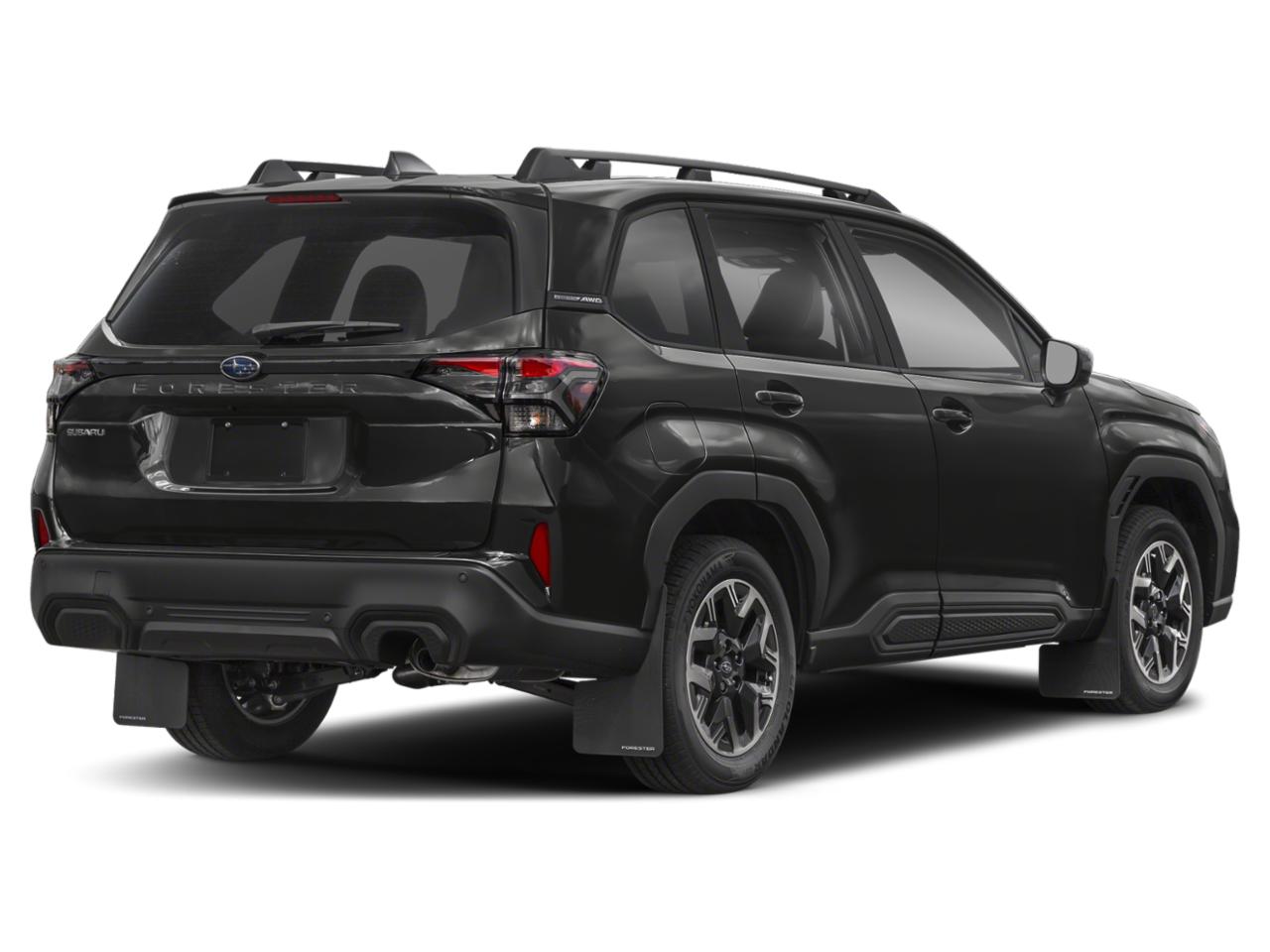
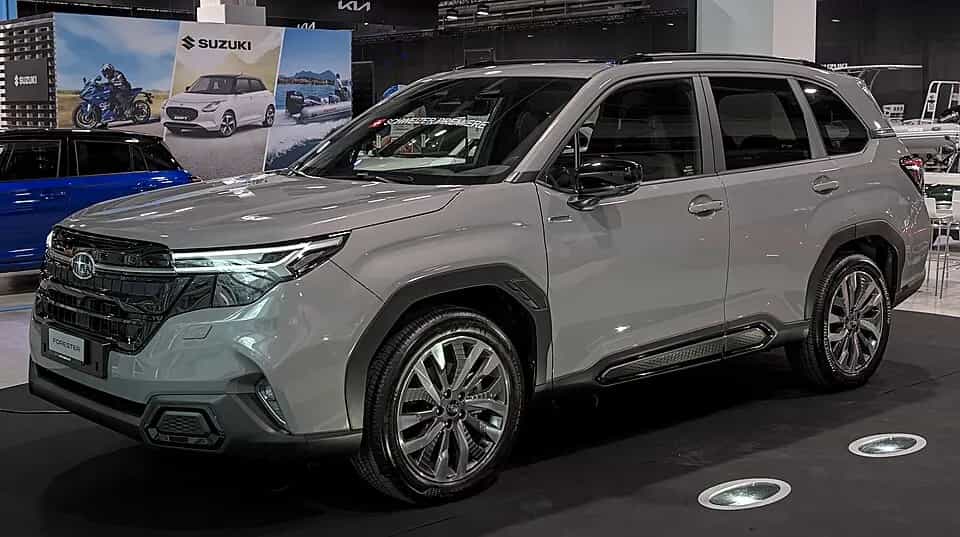
Subaru Forester
Importing a used Subaru Forester from the USA
Few small SUVs enjoy the loyalty the Subaru Forester commands in North America. Standard symmetrical all-wheel drive, a boxer engine, tall glass and genuine light off-road ability make it a fixture in snow-belt and mountain states — which is precisely why the US used market is deep and varied. If you want to import a used Subaru Forester from the USA, USCar Trader works as your independent broker, sourcing and vetting the car, checking origin and history, and handling transport and clearance without carrying stock or taking a margin on the vehicle.

From launch to today
For today's importer the relevant Foresters are the fourth generation (SJ, 2014–2018), the fifth generation (SK, 2019–2024) and the sixth generation (SL, from 2025). The SJ was the first to make the Lineartronic CVT mainstream and, importantly, offered a proper turbocharged 2.0XT. The SK moved to the Subaru Global Platform, gaining a stiffer, safer structure, more interior space and standardised EyeSight driver assistance, but it dropped the turbo. The newest SL refines that formula further. All generations keep the brand's hallmark: full-time all-wheel drive as standard, not an option.
Engines and drivetrain in detail
The core engine across the SJ and SK is the 2.5-litre FB25 flat-four, naturally aspirated, producing roughly 170–182 hp depending on year, driving all four wheels through a Lineartronic CVT. The SJ additionally offered the 2.0-litre FA20 turbo in the 2.0XT — about 250 hp and a genuinely quick Forester that is now a sought-after used find. Earlier third-generation (SH) cars used the 2.5-litre engine with turbo XT variants and older four- and five-speed automatics. The defining trait throughout is Subaru's symmetrical AWD, which gives the Forester its all-weather confidence.
Trim levels and variants
The Forester is a five-door wagon-style SUV. US trims typically run Base, Premium, Sport, Limited and Touring, with the rugged Wilderness added from 2022 on the SK — raised ride height, all-terrain tyres, revised gearing and protective cladding. Popular equipment includes a panoramic roof, X-Mode for low-traction surfaces, heated seats, and on Limited and Touring cars a leather interior and premium Harman Kardon audio. The Sport trim adds orange accents and a more assertive look.
Used availability in the USA
Supply is strong and spread across years and trims. Clean 2019–2023 SK cars with 30,000–80,000 miles are plentiful, and 2014–2018 SJ examples — including the coveted 2.0XT — are readily found. Because Foresters are popular in snowy northern states, be extra diligent about underbody corrosion on cars from road-salt regions; examples from California, Arizona and the Pacific Northwest interior tend to be cleaner. Well-kept, single-owner cars with full Subaru service history are common and worth prioritising.
When importing makes sense
A used Forester suits a buyer who wants a practical, safe, all-weather family SUV with real all-wheel-drive credibility and excellent visibility, rather than outright speed or luxury. The SK 2.5 in Premium or Sport trim is the sensible all-rounder; the SJ 2.0XT is the pick for anyone wanting extra performance; the Wilderness is the choice for light trail use. It is a car that rewards long ownership.
Facts and figures
| Item | Detail (5th gen SK, 2.5i) |
|---|---|
| Body style | 5-door compact SUV |
| Generation | 5th gen (SK), 2019–2024 |
| Engine | 2.5 L FB25 flat-4 (boxer), naturally aspirated |
| Power | approx. 182 hp (136 kW) |
| Torque | approx. 176 lb-ft (239 Nm) |
| Transmission | Lineartronic CVT |
| Drivetrain | Symmetrical all-wheel drive (standard) |
| 0–60 mph | approx. 8.5–9.0 s |
| Fuel economy (EPA comb.) | approx. 29 mpg (US) |
| Length | approx. 4,625 mm |
| Wheelbase | approx. 2,670 mm |
| Ground clearance | approx. 220 mm |
| Curb weight | approx. 1,560–1,640 kg |
| Cargo (seats up) | approx. 764 L |
| Fuel type | Petrol (regular unleaded) |
| Assembly | Ōta, Gunma (Japan) |
Reliability and common problems
The Forester is broadly reliable, but its boxer engines have a few well-documented quirks worth checking. Some FB-series 2.5 engines from around 2011–2018 were subject to oil-consumption concerns, so confirm oil level and top-up history and watch for a car that burns oil between services. Older EJ-series engines (SH and earlier) are known for head-gasket weeping over time. The Lineartronic CVT is generally durable but expensive if it fails, so verify smooth operation and any fluid service. Beyond that, look at wheel bearings, the occasional oil-leak from the cam carriers, and rust on the rear subframe and brake lines on cars from salted regions. None of these should deter you — they simply define what to inspect.
How US versions differ
US Foresters typically lack a rear fog lamp, which Germany requires, and use US-pattern headlights that need ECE-compliant units or adjustment. The speedometer reads in mph and EyeSight is calibrated for US conditions but functions normally. Infotainment supports Apple CarPlay and Android Auto on SK cars; radio bands and any built-in navigation may need attention. This is standard US-to-EU conversion work.
From US purchase to registration
Select the car and agree an offer; run a VIN and origin check; pay securely through escrow; ship by ocean freight from a US port to a European port such as Bremerhaven; clear customs; complete the TÜV individual approval (Einzelabnahme) with any required modifications; and register in Germany. USCar Trader coordinates every stage.
Costs, duty and taxes at a glance
Bottom line: what matters is the factory shown by the VIN – proven US origin unlocks 0% duty. The 19% import VAT always applies.
We separate the two charges every time. Import duty first: EU Regulations 2026/1455 and 2026/1461 allow a 0% rate for vehicles of provable US origin imported since 1 July 2026 under direct transport, in force until 31 December 2029. The Forester is built in Japan, so origin here is neutral — the applicable rate depends on the actual plant shown by the VIN, and 0% would require genuine US assembly. Separately, and always, the 19% German import VAT (Einfuhrumsatzsteuer) applies on the customs value. We never promise "duty-free" and take no margin on the car.
TÜV, approval and license plates
Typical Einzelabnahme work: fitting ECE headlights (or a documented adjustment), adding a rear fog lamp, confirming the km/h speedometer, and verifying tyre and lighting compliance. The Forester's conventional mechanicals make the process straightforward, though AWD tyre matching should be checked so all four tyres are the same size and wear.
Pre-purchase checklist
Verify the VIN and build plant; obtain a full Carfax or AutoCheck report clear of salvage, flood and odometer issues; check oil-consumption and head-gasket history for the engine year; inspect the underbody and subframe for rust; confirm the CVT operates smoothly with service records; ensure a clean, lien-free title; and confirm all four tyres match. A pre-purchase inspection is strongly advised.
Import FAQ
Is the Subaru Forester reliable enough to import?
Yes. It is a dependable all-weather SUV; just check the engine's oil-consumption history and the CVT's condition on the specific car.
Does a used Forester qualify for 0% EU customs duty?
Only if the VIN proves US assembly. Foresters are Japanese-built, so the rate depends on the plant. The 19% import VAT always applies.
Which Forester should I import?
The 2019–2024 SK 2.5 is the balanced choice; the 2014–2018 2.0XT for performance; the Wilderness for light off-road use.
Does every Forester have all-wheel drive?
Yes. Symmetrical AWD is standard on every US Forester — there is no front-wheel-drive version.
What are the common problems?
Oil consumption on some 2.5 engines, head gaskets on older EJ engines, CVT service costs, and rust on salt-region cars.
Is there a turbo Forester?
Yes, the SJ-generation 2.0XT (2014–2018) with about 250 hp. The SK dropped the turbo.
How long does the import take?
Typically several weeks, mainly shipping and the TÜV appointment. USCar Trader manages the timeline.
What fuel does it use?
Regular unleaded petrol for the 2.5; the 2.0XT turbo prefers premium.
To get started, browse Subaru in the Carhub, compare stablemates such as the Subaru Outback, the Subaru Crosstrek and the Subaru Ascent, or view current Forester listings.