Pontiac Grand Prix
Importing a used Pontiac Grand Prix from the USA
The Pontiac Grand Prix is a genuine slice of American everyday performance history: a front-drive sedan that, in its hotter versions, packed a supercharged 3800 V6 and, right at the end, a small-block V8. For a European enthusiast it offers big-car character, that unmistakable Pontiac attitude and mechanical simplicity that makes long-term ownership realistic. USCar Trader works as an independent broker for used US cars, sourcing a Grand Prix from the American market and handling the import to Germany without acting as a dealer and without a margin on the vehicle.
Anyone looking to import a used Pontiac Grand Prix from the USA is buying into cars that are almost entirely American-built, which has real relevance for customs treatment.

Generations at a glance
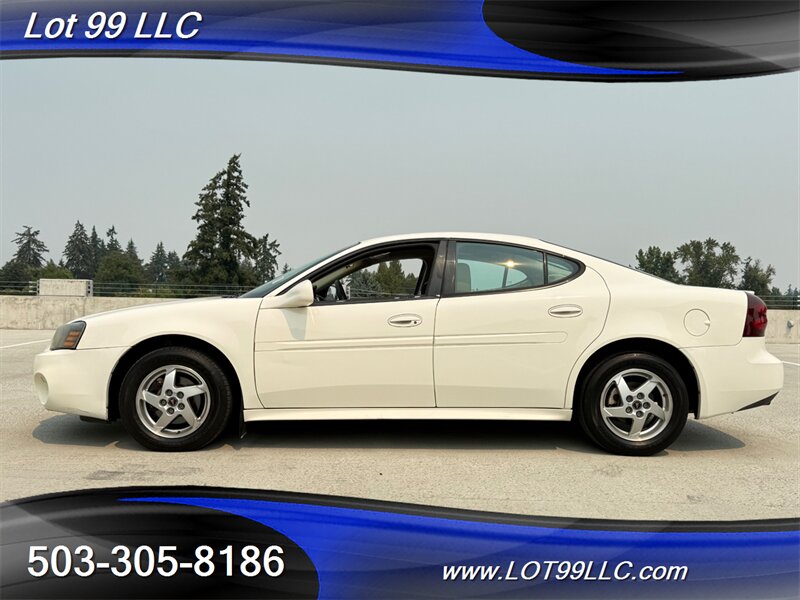
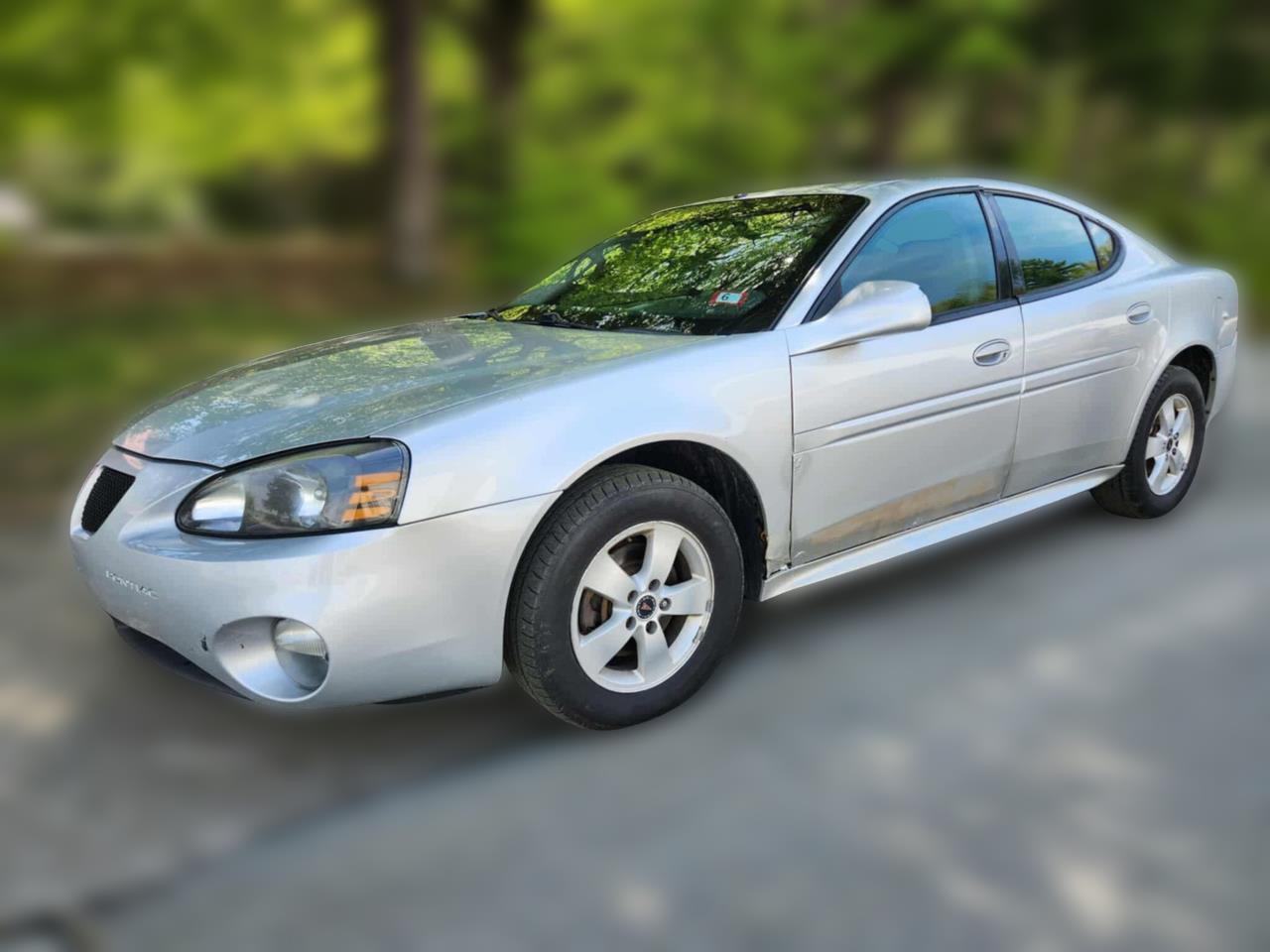
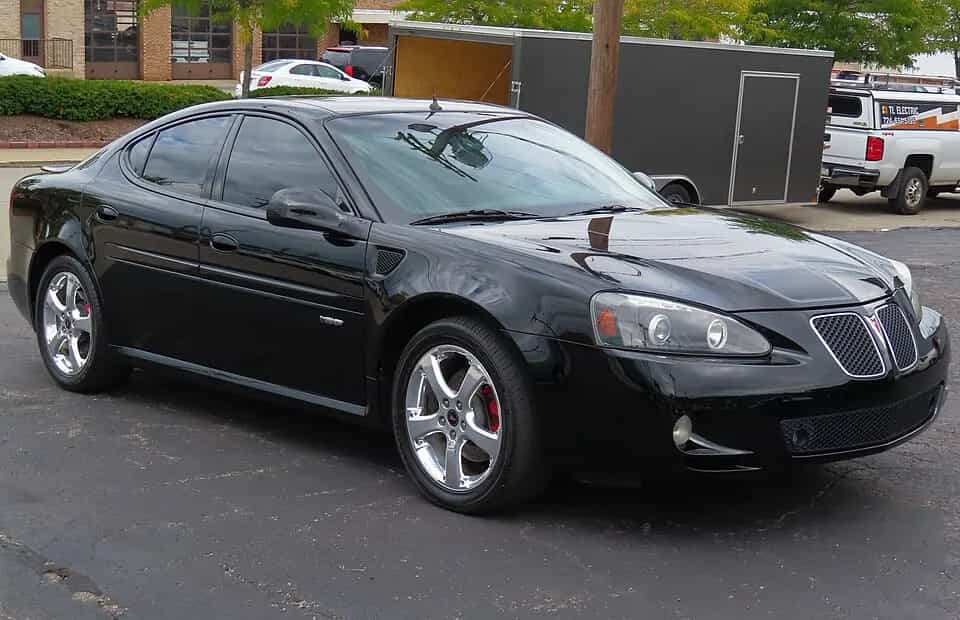
The Grand Prix name spans decades, but the imports that matter most are the front-drive W-body cars. The sixth generation (1997–2003) reintroduced the coupé and sedan on GM's W platform, with the sporty GT and the supercharged GTP at the top. The seventh and final generation (2004–2008) dropped the coupé, sharpened the styling and, from 2005, added the range-topping GXP. Earlier, the fifth generation (1988–1996) established the W-body Grand Prix. Across these years the car evolved from a broad-shouldered coupé and sedan into a focused sports sedan before Pontiac wound the model down in 2008.
Powertrain lineup
The heart of the Grand Prix story is GM's 3800 V6. The naturally aspirated 3.8-liter (L36, and later Series III) produced around 200 horsepower, while the supercharged 3800 (L67, later L32) in the GTP made roughly 240–260 horsepower with strong low-end torque courtesy of its Eaton blower. The 2005–2008 GXP broke the mould with a 5.3-liter LS4 V8 producing 303 horsepower, driving the front wheels — an unusual and characterful setup. Transmissions were GM's 4-speed automatics (4T65-E, with the heavy-duty HD version behind the boosted and V8 cars). All Grand Prix models of this era are front-wheel drive.
Trims in the US market
Sixth-generation cars came as a two-door coupé and four-door sedan in SE, GT and GTP forms. The seventh generation was sedan-only, offered as base, GT (supercharged) and GXP (V8), with a Comp G package late in the run. Typical US equipment includes the driver-focused Pontiac dash, head-up display on sporty trims, leather options, and the split-folding rear seat that made these practical daily cars. The GTP and GXP are the halo versions European buyers usually want.
The used market stateside
Grand Prix supply in the States remains reasonable, with plenty of sixth- and seventh-generation cars still in circulation. Typical survivors now show higher mileage, so condition and maintenance history matter more than the odometer alone. GTP and GXP examples are the most collectible and command the most attention. Cars from southern and western states tend to be rust-free, which is the single most important factor when selecting one for import.
Who should import one
The Grand Prix suits a buyer who wants an affordable, torquey American sedan with real personality and a strong parts network, especially fans of the supercharged 3800 or the rare front-drive V8 GXP. It is a rewarding project or weekend car rather than a fuel-sipping commuter. Buyers seeking modern safety technology or low running costs should set expectations accordingly.
Key specifications
| Specification | Detail (6th–7th gen Grand Prix) |
|---|---|
| Production years (relevant) | 1997–2008 |
| Body styles | 2-door coupé (to 2003), 4-door sedan |
| Platform | GM W-body |
| Base engine | 3.8L V6 (L36 / Series III) |
| Base power | approx. 200 hp |
| GTP engine | Supercharged 3.8L V6 (L67/L32) |
| GTP power | approx. 240–260 hp |
| GXP engine | 5.3L LS4 V8 |
| GXP power | 303 hp |
| Transmission | 4-speed automatic (4T65-E / HD) |
| Drivetrain | Front-wheel drive |
| Seating | 5 |
| Length | approx. 5,000 mm (7th gen) |
| Fuel | Regular/premium (GXP premium) |
| Fuel tank | approx. 64 L |
How reliable is it?
The 3800 V6 is one of GM's most durable engines and the main reason Grand Prix reliability has a solid reputation, but it has well-known weak points. The plastic upper intake manifold and elbow can crack and cause coolant loss and overheating, so many owners fit metal replacements; failing intake gaskets are common on higher-mileage cars. Supercharged GTP models can suffer supercharger coupler wear and benefit from periodic blower-oil service. The LS4 V8 in the GXP is strong but is known for engine mounts that struggle with its torque and for oil-cooler line issues. Across the range the 4T65-E automatic is generally tough but should have fresh fluid, and the front tyres wear quickly on the powerful FWD versions. For anyone researching Grand Prix common problems, cooling-system and intake-manifold history is the first thing to check.
What US models do differently
American Grand Prix cars use US lighting, MPH speedometers and US emissions calibration. Being a mainstream GM product, mechanical parts are inexpensive and widely available, though some trim and interior pieces are easier to source from the US. There is no European equivalent, so an imported car is genuinely rare on German roads, which is part of the appeal.
Seven steps to your import
The sequence is: select a suitable car on the US market; run a VIN and origin check to confirm the build plant and customs status; pay through secured escrow so funds release only against documents; ship by container or RoRo to a North European port such as Bremerhaven; clear customs on arrival; complete the TÜV individual approval (Einzelabnahme); then register in Germany. USCar Trader coordinates every stage as your independent broker.
Customs, taxes and costs explained
Bottom line: what matters is the factory shown by the VIN – proven US origin unlocks 0% duty. The 19% import VAT always applies.
The Grand Prix is favourable on origin because these cars were assembled in North America, with US production at GM's Fairfax plant in Kansas among others. Where the VIN and plant confirm US origin, the vehicle can qualify for the 0% EU import duty introduced under Regulations (EU) 2026/1455 and 2026/1461 (in force since 1 July 2026, direct transport, running until 31 December 2029). Because some W-body production also took place in Canada, origin is never assumed — it is proven from the VIN before any claim is made. Separately, and always, the 19% German import VAT (Einfuhrumsatzsteuer) applies to the customs value. We never promise duty-free status; each car is verified individually.
German TÜV and registration
For German approval an imported Grand Prix typically needs a rear fog lamp installed, headlights adjusted or replaced for right-hand traffic, and side-marker lighting addressed. The speedometer must read km/h, and the odometer/units are checked. A TÜV-experienced workshop familiar with US GM cars handles these routinely, and any aftermarket modifications must be documented for the Einzelabnahme.
The buyer checklist
Before buying any US Grand Prix, confirm: decode the VIN for plant and US-origin status; pull a Carfax or AutoCheck history for accidents and title branding; verify a clean (non-salvage) title unless intentionally buying one; inspect the intake manifold, coolant and cooling system for the known 3800 issues; check supercharger or LS4 service on GTP/GXP cars; look hard for rust on cars from salt-belt states; and confirm transmission fluid and shift quality.
Questions and answers
Is the supercharged 3800 reliable?
Yes, it is a robust engine, but watch the plastic intake manifold and supercharger coupler; both are known service items that are cheap to address.
What is special about the GXP?
It is the only Grand Prix with a V8 — a 303-horsepower 5.3-liter LS4 driving the front wheels — making it the rarest and most sought-after version.
Can a Grand Prix qualify for 0% import duty?
It can, when the VIN confirms US origin, since many were built in the USA. We verify the build plant before making any statement, as some were Canadian-built.
Does the 19% import VAT always apply?
Yes, the German import VAT of 19% is charged on the customs value in every case, separately from any duty.
Are parts hard to find in Germany?
Mechanical parts for the 3800 and LS4 are widely available and affordable; some trim pieces are easiest to source from the US.
Coupé or sedan?
The coupé was offered only through the sixth generation (to 2003); the final 2004–2008 cars are sedan-only.
What is the biggest thing to check on inspection?
The cooling system and intake manifold on the 3800, and rust on cars from northern states.
Can USCar Trader handle everything?
Yes, as an independent broker we manage selection, escrow, shipping, customs and TÜV, without acting as the selling dealer.
Browse more classic American metal via Pontiac in the Carhub, compare the iconic Pontiac Firebird, the muscular Pontiac GTO and the roadster Pontiac Solstice, or see the current Grand Prix listings.