Polestar 4

Importing a used Polestar 4 from the USA

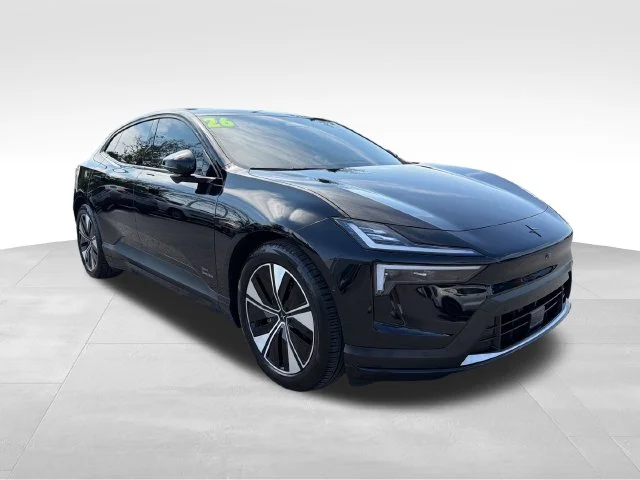
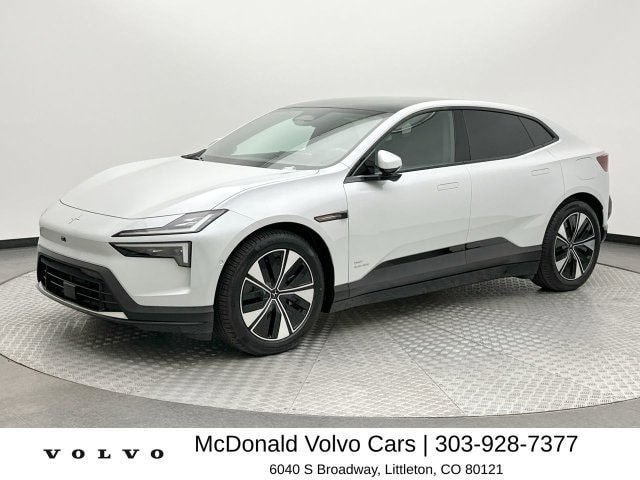
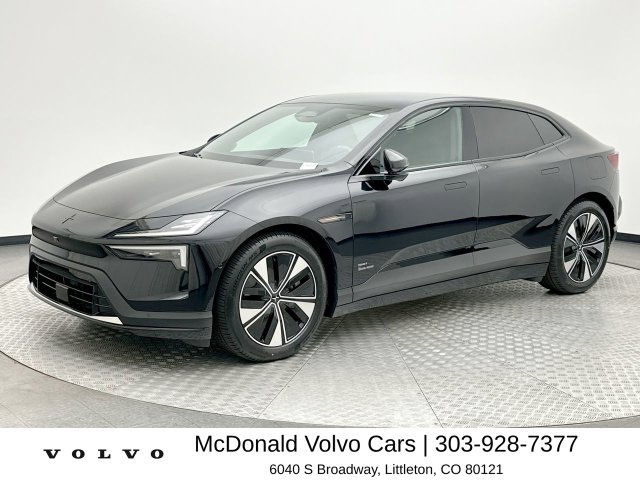
The Polestar 4 is the brand's electric SUV-coupe, best known for a design decision that still divides opinion: it has no rear window, replacing it with a roof-mounted camera feeding a digital rear-view mirror. Importing a used Polestar 4 from the USA gives European buyers access to American-market cars and specifications, but the origin question is central here — this is not a US-built car, and that shapes the customs outcome. Below is a clear look at the model, its electric hardware, the used supply and how the import runs.

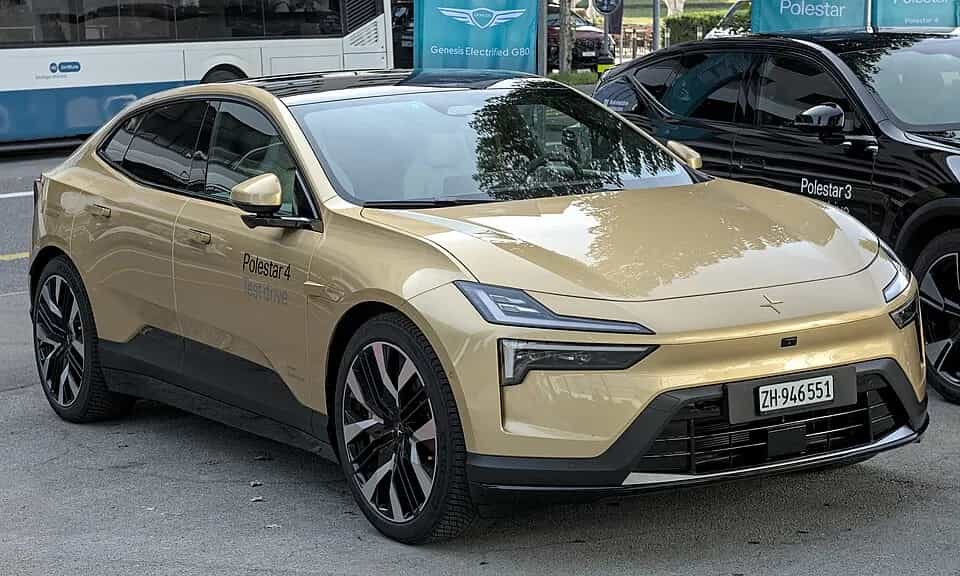
Polestar 4 – used car imported from the USA
Photo: Alexander-93 · CC BY-SA 4.0 · Wikimedia Commons

Model history and generations

Polestar revealed the 4 in 2023 and began customer deliveries through 2024 into 2025, positioning it between the smaller Polestar 2 fastback and the larger Polestar 3 SUV. It sits on parent group Geely's dedicated electric SEA platform. Production started in China, with additional assembly added in Busan, South Korea, for certain markets from 2025. As a young model there is a single generation to date, so used cars are early-build examples rather than a spread of facelifts — worth remembering when you assess software maturity.

Engines and drivetrain

The Polestar 4 is battery-electric, using a large battery pack of roughly 100 kWh (around 94 kWh usable) on a 400-volt architecture. Two configurations dominate. The Long Range Single Motor drives the rear axle with about 272 hp for the best efficiency and range, while the Long Range Dual Motor adds a front motor for all-wheel drive and roughly 544 hp, cutting the 0–100 km/h time to the low four-second range. EPA range for the single-motor car sits around the high-200-mile mark, with the dual motor a little lower. DC fast charging peaks near 200 kW, and the single-motor version can disconnect its front motor entirely for efficiency on the AWD car. This is a genuinely quick, long-legged EV rather than an economy runabout.

Which trim makes sense

Body-wise the Polestar 4 is a five-seat electric SUV-coupe with that camera-based rear view and a panoramic glass roof. The line-up centres on Long Range Single Motor and Long Range Dual Motor cars, with option packs — typically named along the lines of Plus and Pilot — bundling upgraded audio, driver assistance, soft interior materials and larger wheels. The cabin is built around a large landscape touchscreen running Android Automotive with Google services baked in.

Supply on the US market

Because the Polestar 4 only reached US customers recently, the used pool is small and skews to low-mileage, near-new cars — often lightly used or ex-demo vehicles in current-generation specification. That newness is an advantage for battery health and warranty remaining, but choice is narrower than for an established EV, so sourcing a specific colour and pack combination can take time. Expect current cars rather than high-mileage examples.

Who benefits from importing

The Polestar 4 suits a design-led EV buyer who wants strong range, serious performance in dual-motor form, and a minimalist Scandinavian cabin that stands apart from German rivals. If you are comfortable with the camera rear-view mirror, value a clean Android-based interface, and want an electric SUV-coupe that few of your neighbours will own, it is a compelling import. Buyers who dislike the no-rear-window concept, or who want the deepest European dealer and parts density, should test that comfort first.

Technical data

AttributeTypical figure
Body style5-seat electric SUV-coupe
Revealed2023; US deliveries 2024–2025
PlatformGeely SEA (electric)
AssemblyChina; also South Korea (from 2025)
Batteryapprox. 100 kWh (approx. 94 kWh usable)
Architecture400 V
Single Motor powerapprox. 272 hp (RWD)
Dual Motor powerapprox. 544 hp (AWD)
0–100 km/h (Dual)approx. 3.8 s
EPA range (Single)approx. 270–300 miles
DC fast chargingup to approx. 200 kW
Rear viewCamera + digital mirror (no rear window)
InfotainmentAndroid Automotive, ~15.4-inch screen
Fuel typeElectric
Seating5

Known weak points and maintenance

As a very new EV, the Polestar 4 has no deep long-term record, so the honest guidance is to focus on the things that actually vary between early cars. The most talked-about item is software: over-the-air updates, occasional infotainment lag or resets, and the learning curve of the camera-based rear-view mirror, which some drivers take time to trust. Confirm the car is on the latest software and that the digital mirror and roof camera work flawlessly. On the electric side, the Geely SEA hardware is shared across the group, and the usual EV checks apply — battery state of health, charging behaviour at both AC and DC, and 12-volt battery condition. Panel fit, glass-roof seals and door-handle mechanisms are worth a close look on early production cars. For Polestar 4 reliability the verdict is: mechanically straightforward EV, software still maturing.

US and EU spec compared

US cars use amber side markers, US headlight patterns, mph-first displays, and no factory rear fog lamp, plus North American charging port provisioning and connected-service configuration. Charging adapters and settings may need attention for European AC and DC networks. These are standard import conversion points rather than obstacles.

The import process in detail

Selection: agree the exact car, battery and motor configuration. VIN and origin check: confirm the country of manufacture from the VIN. Escrow: funds are held securely until the vehicle is verified and released. Ocean freight: the car is booked on a direct sailing to a European port. Customs clearance: duty and 19% import VAT are assessed and paid on arrival. TUEV and individual approval: the car is inspected and adapted to German standards, including EV-specific checks. Registration: with approval and documents complete, you register and plate the car.

What customs clearance really costs

Bottom line: what matters is the factory shown by the VIN – proven US origin unlocks 0% duty. The 19% import VAT always applies.

USCar Trader acts as an independent broker with no margin on the vehicle. Keep two charges separate. The 0% EU import duty under Regulations (EU) 2026/1455 and 2026/1461 (in force since 1 July 2026 for directly transported cars, until 31 December 2029) applies only to vehicles of provable US origin. The Polestar 4 is built in China and, for some markets, South Korea — not the USA — so its VIN normally will not support a US-origin claim, and the applicable duty rate depends on the actual country of manufacture rather than the 2026 US scheme. We verify the exact rate from your VIN before quoting and never advertise duty-free. In every case the 19% German import VAT (Einfuhrumsatzsteuer) applies separately on top.

TUEV, modifications and registration

Typical work includes headlight adaptation for right-hand traffic, adding or activating a rear fog lamp, side-marker handling and a km/h display. EV inspection also covers charging safety and high-voltage isolation. The odometer reading is documented. Once the single-vehicle approval (Einzelabnahme) is issued, registration proceeds normally.

Check before you buy

Confirm the VIN matches the car and identifies the build country. Pull a Carfax or AutoCheck history for accidents and title branding. Check battery state of health and recent charging behaviour. Verify the digital rear-view camera and mirror function perfectly. Confirm the title is clean, not salvage or rebuilt. Check the car is on current software with recalls closed. Inspect glass roof, panels and door handles on early cars.

Common questions

Is the Polestar 4 built in the USA?

No. It is built in China, with some later production in South Korea. Its VIN normally will not support a US-origin claim, so the 0% US-origin duty scheme does not apply and the rate depends on the actual plant.

Does it really have no rear window?

Correct. A roof-mounted camera feeds a digital rear-view mirror instead of a glass rear window. Confirm it works perfectly before buying.

Do I still pay import VAT?

Yes. The 19% German import VAT always applies at customs, separate from any duty.

What range does it offer?

The Long Range Single Motor targets roughly 270–300 miles EPA, with the Dual Motor a little lower in exchange for AWD and much stronger performance.

How reliable is it?

It is too new for a long record. The EV hardware is shared Geely-group technology; the main early-life caveats are software maturity and the camera mirror.

How fast can it charge?

On its 400-volt architecture, DC fast charging peaks near 200 kW under suitable conditions.

How long does the import take?

Freight, clearance and TUEV approval usually take several weeks, depending on sailings and inspection slots.

To get started, browse Polestar in the Carhub, compare related EVs like the Polestar 3, the Polestar 2 and the BMW i4, or view current Polestar 4 listings.