Nissan NV Cargo

Importing a used Nissan NV Cargo from the USA

The Nissan NV Cargo is a full-size American work van built on truck underpinnings, and it stands out from the European commercial-van crowd for exactly that reason. Produced at Nissan's Canton, Mississippi plant from 2012 to 2021, it borrowed heavily from the Titan pickup and was engineered for durability over refinement. As an independent broker for used US vehicles, USCar Trader sources the right NV configuration and manages the import from purchase to registration. We do not act as a dealer, take no margin, and have no manufacturer ties.

Nissan NV Cargo – used car imported from the USA
Photo: Jason Lawrence from Boston · CC BY 2.0 · Wikimedia Commons

Model history and generations

Nissan launched the NV Cargo for the 2012 model year as its first serious entry into the North American full-size van segment, competing with the Ford E-Series and later Transit, Chevrolet Express, and Ram ProMaster. It was offered as NV1500, NV2500 HD, and NV3500 HD, denoting rising payload capacities. A mild refresh in 2017 updated the grille, interior, and equipment. Production ran through 2021, when Nissan withdrew from the segment, so all NV Cargo vans on the used market are from this single, long-lived generation. A separate, smaller NV200 compact van used entirely different, car-based engineering.

Engines and drivetrain

The NV Cargo used two petrol engines shared with the Titan family. The base unit is the 4.0-litre VQ40DE V6 producing around 261 hp, while the stronger option is the 5.6-litre VK56 V8 with roughly 317 hp and abundant low-end torque for hauling. Both drive the rear wheels through a robust automatic transmission (a five-speed on most of the run), with a body-on-frame layout carried over from the pickup. There is no diesel and no all-wheel drive; this is a straightforward, torque-rich petrol workhorse.

Which trim makes sense

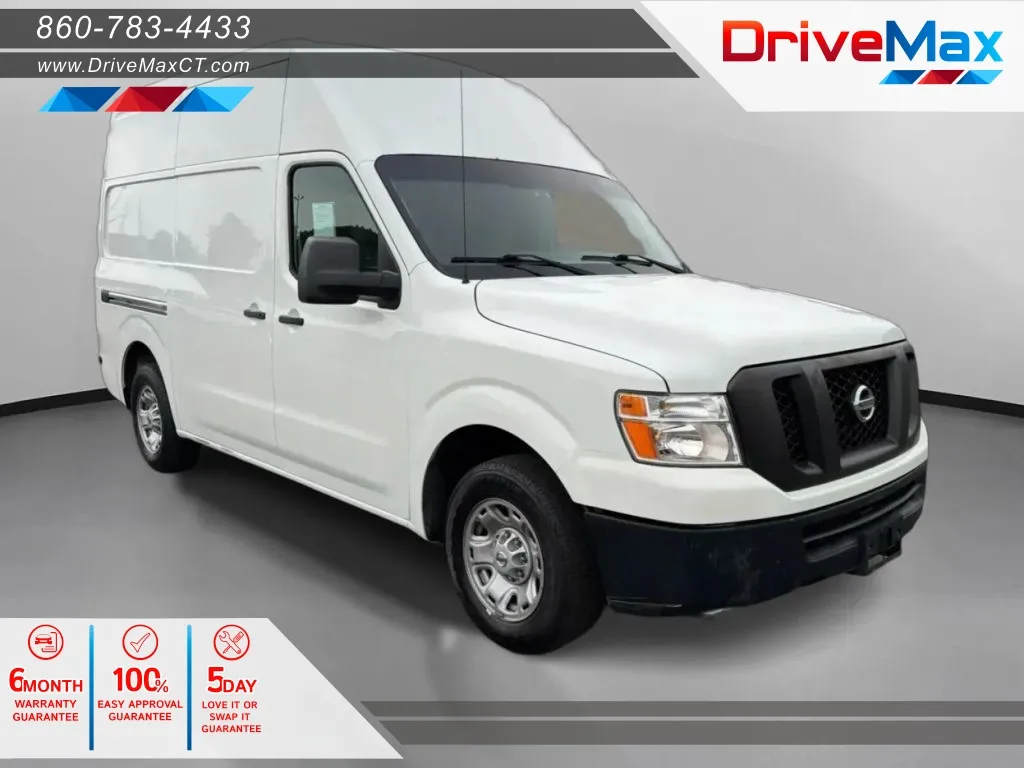
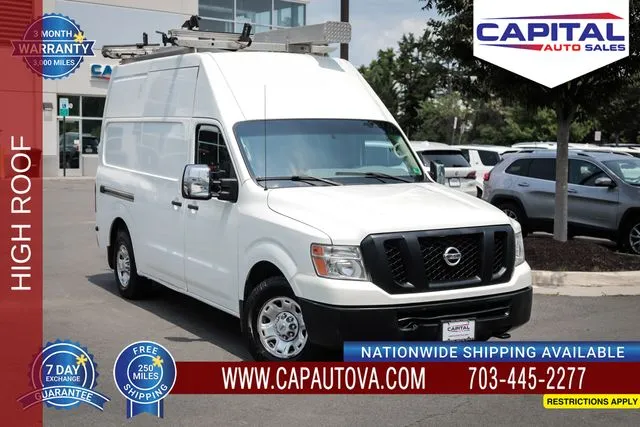
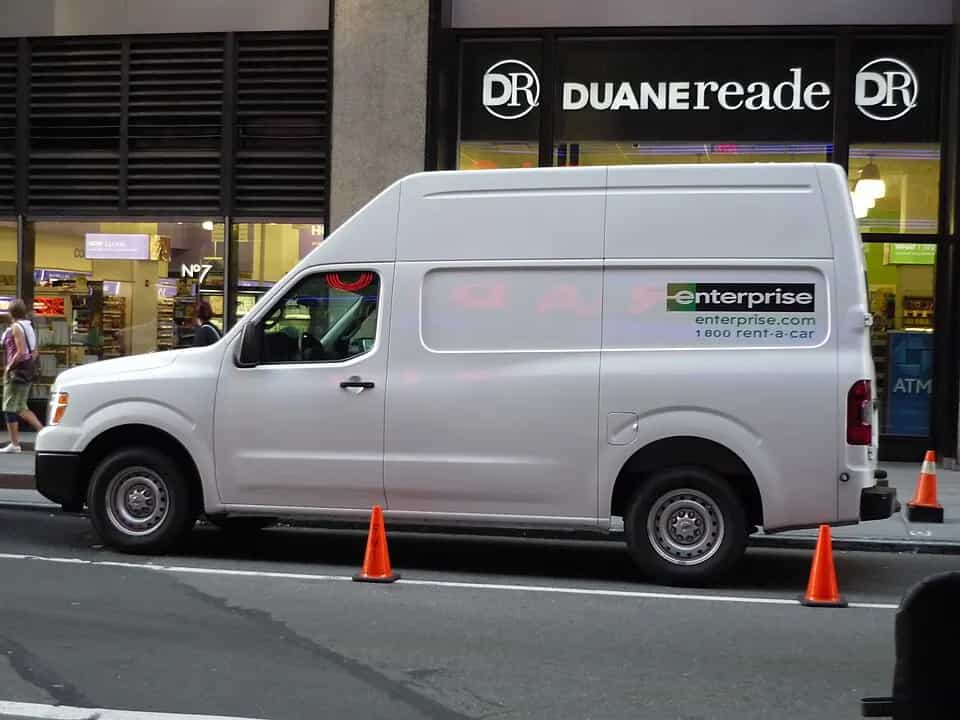
The defining choice is roof height. The standard-roof van keeps a lower overall profile, while the high-roof version is tall enough to stand upright inside, a genuine advantage for tradespeople and camper conversions. S and SV trims cover the range, with SV adding convenience features. The wide, flat load floor and near-vertical sides make the cargo box unusually easy to shelve out or fit, and the deep engine bay pushed into the cabin gives quick service access.

Supply on the US market

American fleets bought these vans in volume, so the used supply is steady, spanning light-duty second-owner vans to higher-mileage ex-fleet units. NV2500 HD high-roof vans with the V8 are the most versatile and the most requested for conversions. Because so many lived in dry states, rust-free bodies are common, and the simple mechanicals mean condition is easy to assess. Mileage varies widely, so history matters more than the odometer alone.

Who benefits from importing

The NV Cargo appeals to buyers who want a rugged, truck-based van that is rare in Europe, whether for a business with a distinctive fleet vehicle or for a spacious, tall camper conversion. Its petrol V8, standing headroom, and heavy-duty frame set it apart from European diesel vans. Buyers who prioritise fuel economy will find it thirsty, but those who value durability and interior volume are well served.

Technical data

ItemDetail (NV2500 HD, representative)
Body styleFull-size cargo van, standard or high roof
PlatformBody-on-frame (Titan-derived)
Base engine4.0 L VQ40DE V6, approx. 261 hp
Optional engine5.6 L VK56 V8, approx. 317 hp
Torque (V8)approx. 522 Nm
Transmission5-speed automatic
DriveRear-wheel drive
Max payloadup to approx. 1,770 kg (NV3500 HD)
Max towingup to approx. 4,300 kg
High-roof interior heightapprox. 1.96 m (stand-up)
Lengthapprox. 6.10 m
FuelPetrol
Seating2 (cargo)
AssemblyCanton, Mississippi, USA
Production years2012–2021

Known weak points and maintenance

The NV Cargo is mechanically conservative, which helps reliability. The VK56 V8 and VQ40 V6 are proven Nissan truck engines with strong service track records. Known items to check include exhaust manifold bolts and gaskets on the V8, the radiator and transmission cooler (fresh fluid extends transmission life), and front suspension wear on high-mileage fleet vans. Interior plastics are hard-wearing but basic. Fuel consumption is the real drawback, not durability. On a used NV Cargo, service history and how hard the van was worked matter more than mileage; a well-maintained ex-fleet van can be an excellent buy.

US and EU spec compared

US vans are left-hand drive with mph clusters and US lighting. The NV is wide and long by European standards, which affects urban manoeuvring and parking. For approval it needs European-pattern headlights, a rear fog lamp, and marker adjustments, and its registration class in Germany (typically N1) determines tax and inspection treatment. There is no factory diesel, so plan around petrol running costs. Emissions documentation should be confirmed for the specific model year.

The import process in detail

The process moves from selecting the van, to VIN and origin verification, to secure escrow payment, to ocean freight from a US port, to EU customs clearance, then TÜV individual approval (Einzelabnahme) and registration at your local authority. USCar Trader coordinates each stage and prepares the documents customs needs to determine origin.

What customs clearance really costs

Bottom line: what matters is the factory shown by the VIN – proven US origin unlocks 0% duty. The 19% import VAT always applies.

Two charges apply and are always itemised separately, with no broker margin. First, EU import duty: light commercial vans are generally dutiable, and the rate depends on classification and origin. A 0% rate can apply where US origin is provable via the VIN and the Canton plant code under Regulations (EU) 2026/1455 and 2026/1461, in force since 1 July 2026 for directly transported vehicles until 31 December 2029. Because the NV's origin is not automatic on paper, the VIN determines the outcome. Second, the German import VAT (Einfuhrumsatzsteuer) of 19% always applies on top, regardless of origin. We never advertise "duty-free" or guarantee a rate.

TÜV, modifications and registration

Typical work includes headlight adaptation, fitting a rear fog lamp, adjusting side markers, confirming the speedometer, and documenting the odometer conversion. The van's dimensions and payload are recorded for its commercial registration class. After the Einzelabnahme you can register it.

Check before you buy

Confirm the VIN and Canton plant code against the title. Pull a Carfax or AutoCheck history for accidents, title brands, and use as a fleet vehicle. Inspect the frame, floor, and cargo area for corrosion and past hard use. Check service records for engine and transmission maintenance. Verify the title is clean, not salvage. Inspect exhaust manifolds and front suspension on high-mileage vans. Confirm roof height and configuration match your needs.

Common questions

Does the NV Cargo qualify for 0% EU import duty?

Only if US origin is proven by the VIN and Canton plant code. Otherwise the applicable commercial-vehicle rate applies, and the 19% import VAT applies either way.

Is there a diesel version?

No. The NV Cargo was sold only with the 4.0 V6 and 5.6 V8 petrol engines.

Can I stand up inside?

Yes, in the high-roof version, which offers close to 1.96 m of interior height, ideal for conversions.

How reliable is the NV Cargo?

Its truck-based engines are durable; the main trade-off is high petrol consumption rather than fragility.

What can it tow and carry?

Depending on model, payload reaches around 1,770 kg and towing up to roughly 4,300 kg.

Is it hard to register in Germany?

No, it follows the standard commercial-vehicle Einzelabnahme route with lighting and marker adaptations.

Do I pay VAT even for a commercial vehicle?

Yes. The 19% German import VAT is due on import regardless of vehicle class.

Browse the full Nissan in the Carhub, compare related US work vans such as the Ford Transit Van, the RAM ProMaster Cargo Van, and the Chevrolet Express Cargo, or view current NV Cargo listings.