From launch to today
The R35 GT-R is a single, continuously developed generation rather than a series of clean-sheet redesigns. It launched in Japan in late 2007 and reached the United States for the 2009 model year.
 0049 (0)89 2000 791 00
 Mo - Fr 8:00am - 8:00pm
USCar Trader import service
Choose a specific vehicle. Where data is available, its detail page shows the import cost calculation. We assess any possible duty benefit with you before purchase.
Important: A 0% EU import-duty rate may be available for a vehicle covered by Regulation (EU) 2026/1455 that has US origin and is imported directly into the EU. CETA may apply to a vehicle with preferential Canadian origin. Whether the requirements are met is assessed for the individual case. Please contact us before purchase; we review the possible duty benefit and provide non-binding support through the process. Import VAT and other costs are assessed separately.
CarHub · Nissan
The R35 Nissan GT-R earned its "Godzilla" nickname honestly: a launch-control-armed, all-wheel-drive coupe that has, for well over a decade, out-accelerated cars costing several times as much.

Price:66,000.00 USD

Price:230,899.00 USD
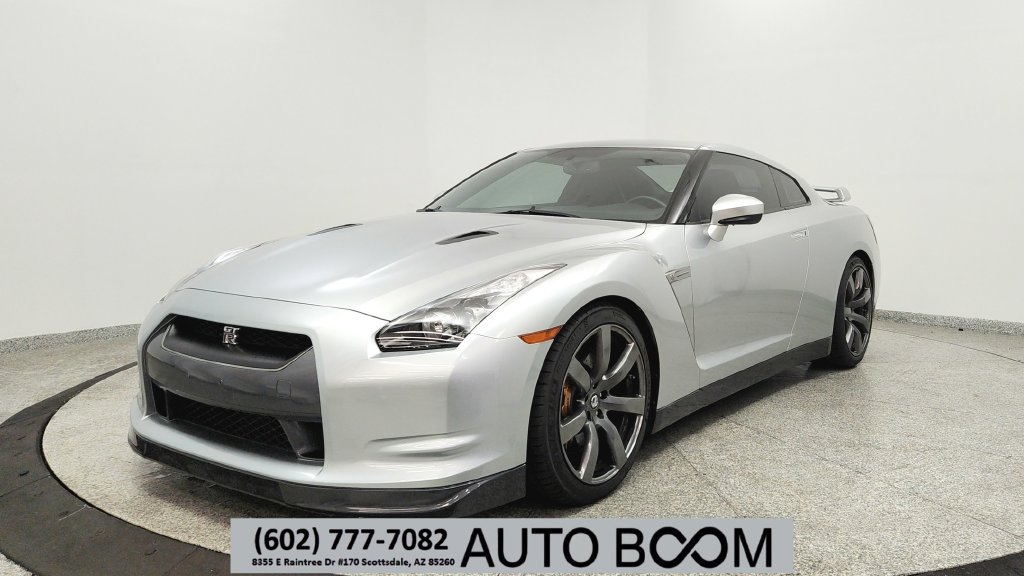
Price:79,886.00 USD
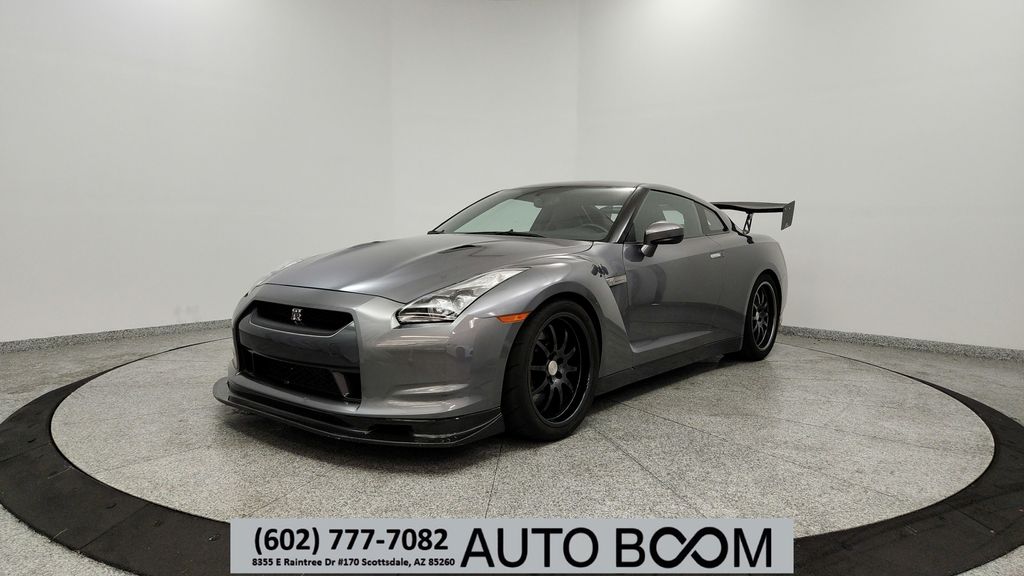
Price:78,999.00 USD
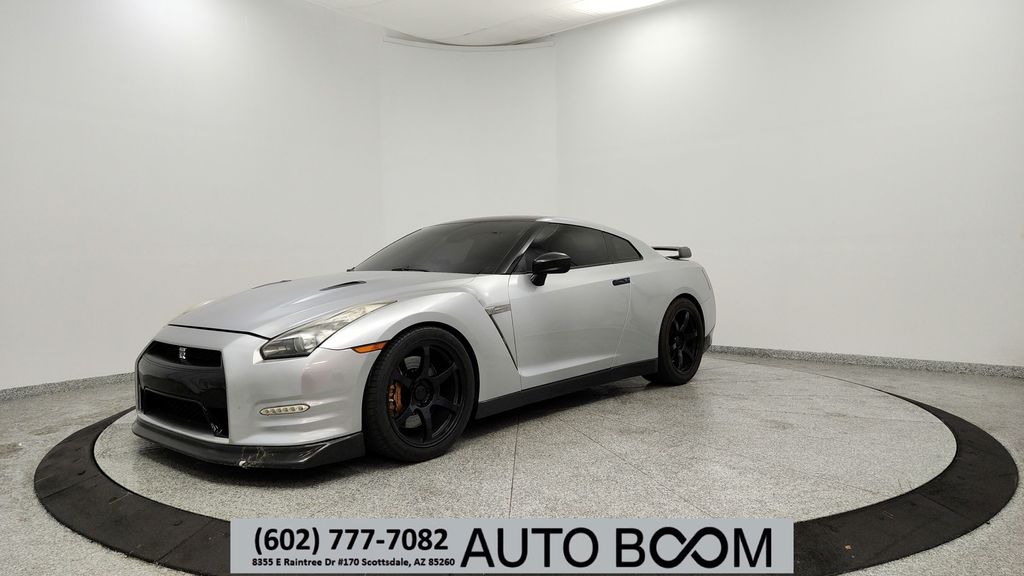
Price:70,899.00 USD
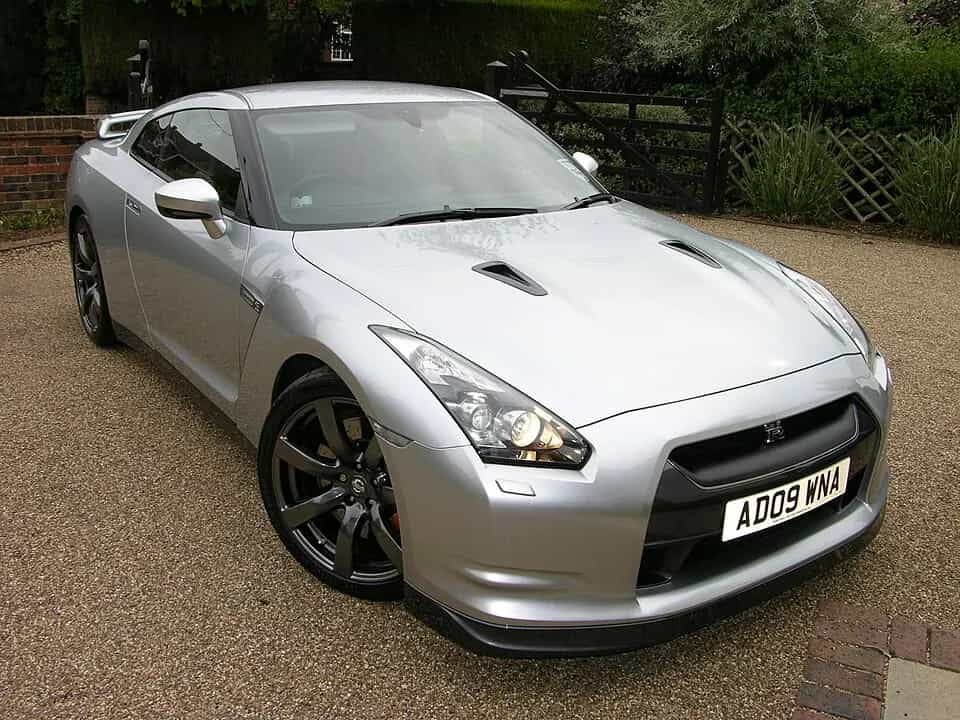
Model profile
The R35 GT-R is a single, continuously developed generation rather than a series of clean-sheet redesigns. It launched in Japan in late 2007 and reached the United States for the 2009 model year.
Powertrain and equipment
Every R35 uses the VR38DETT, a 3.8-litre twin-turbo V6 hand-assembled by a single technician (a "Takumi") and badged with their name plate.
The GT-R is offered only as a 2+2 two-door coupe. The US trim ladder over the years included the base and Premium, the Black Edition with unique wheels and interior trim, the track-focused Track Edition, and the flagship Nismo with uprated turbos, aero and suspension.
Vehicle selection
The United States was one of the GT-R's largest markets, so supply of used R35s is healthy across the full model-year range.
The GT-R rewards a driver who wants supercar acceleration with genuine year-round usability, a rear seat for occasional use, and a car that can be driven hard without drama.
Vehicle data
| Body style | Detail (typical R35): 2-door 2+2 coupe |
|---|---|
| Length | Detail (typical R35): approx. 4,710 mm |
| Curb weight | Detail (typical R35): approx. 1,740 kg |
| Engine | Detail (typical R35): VR38DETT twin-turbo V6 |
|---|---|
| Power (2009) | Detail (typical R35): approx. 480 hp |
| Power (MY17+) | Detail (typical R35): approx. 565 hp (Nismo ~600 hp) |
| Torque | Detail (typical R35): approx. 466 lb-ft |
| Transmission | Detail (typical R35): 6-speed dual-clutch (GR6) |
| Drive | Detail (typical R35): AWD (ATTESA E-TS) |
| Fuel tank | Detail (typical R35): approx. 74 L |
| Fuel | Detail (typical R35): Premium petrol |
| Generation | Detail (typical R35): R35 (2007–, US from 2009 MY) |
|---|---|
| Displacement | Detail (typical R35): 3,799 cc |
| 0–60 mph | Detail (typical R35): approx. 2.9–3.2 s |
| Top speed | Detail (typical R35): approx. 315 km/h |
Values are reproduced verbatim from the existing article table. The documents for the specific vehicle govern.
Pre-purchase review
Mechanically the VR38DETT is strong when serviced correctly and fed the right fuel, but the GT-R is a precision machine with precision costs. Known Nissan GT-R common problems include dual-clutch transmission wear and, on early cars, the notorious bellhousing cracking that Nissan addressed under warranty in period — worth checking on a 2009–2010 car.
Germany and Europe
US-market GT-Rs carry American lighting and instrumentation: mph-primary displays, US headlamp aim, US indicator arrangements and no rear fog lamp.
The assessment depends on the specific vehicle and the circumstances of the transaction. Please contact USCar Trader before purchase; we review any possible duty benefit and provide non-binding support. Import VAT and other costs are considered separately.
Typical approval items are adding rear fog lamp function, adjusting headlamps to EU aim, confirming indicator compliance, and documenting a genuine odometer reading.
USCar Trader services
As a buyer based in Germany, you do not have to inspect the vehicle yourself in the United States or Canada. Within the agreed scope, USCar Trader can coordinate document review, a separately commissioned on-site inspection and purchase processing.
Covered inspection points are agreed in advance. An on-site inspection records condition at the appointment and is not a guarantee.
Next step: Before commissioning, USCar Trader and the customer agree which document, history, inspection and transaction checks suit the vehicle and are included in the service. This records what was actually checked.
Import process
The import process for a Nissan GT-R is planned around the specific listing, location, documents and commissioned service scope.
Questions and answers
Yes. US-market R35s are widely available and importable; USCar Trader handles sourcing, verification, shipping and approval as your broker.
No, not automatically. A 0% EU import-duty rate may be available for a vehicle covered by Regulation (EU) 2026/1455 that has US origin and is imported directly into the EU. CETA may apply to a vehicle with preferential Canadian origin. Whether the requirements are met is assessed for the individual case. Please contact USCar Trader before purchase; we review the possible duty benefit and provide non-binding support. Import VAT and other costs are assessed separately.
Import VAT and other taxes or costs are assessed separately under the applicable rules and the circumstances of the individual case. A blanket answer for every vehicle would not be reliable.
The MY17-onward cars offer more power and a much-improved interior; earlier cars are cheaper but check the transmission and bellhousing history.
Dual-clutch transmission wear, early-car bellhousing cracks, expensive brakes and tyres, and the risks of heavily tuned examples.
They can be. Non-standard tunes and parts complicate individual approval and carry higher mechanical risk, so stock cars are preferable.
Container shipping is recommended for a valuable, low coupe to protect it during the ocean crossing.
Yes, unusually so for its performance — AWD traction and a rear seat make it practical, though running costs are high.
More vehicles