Maserati Quattroporte

Importing a used Maserati Quattroporte from the USA

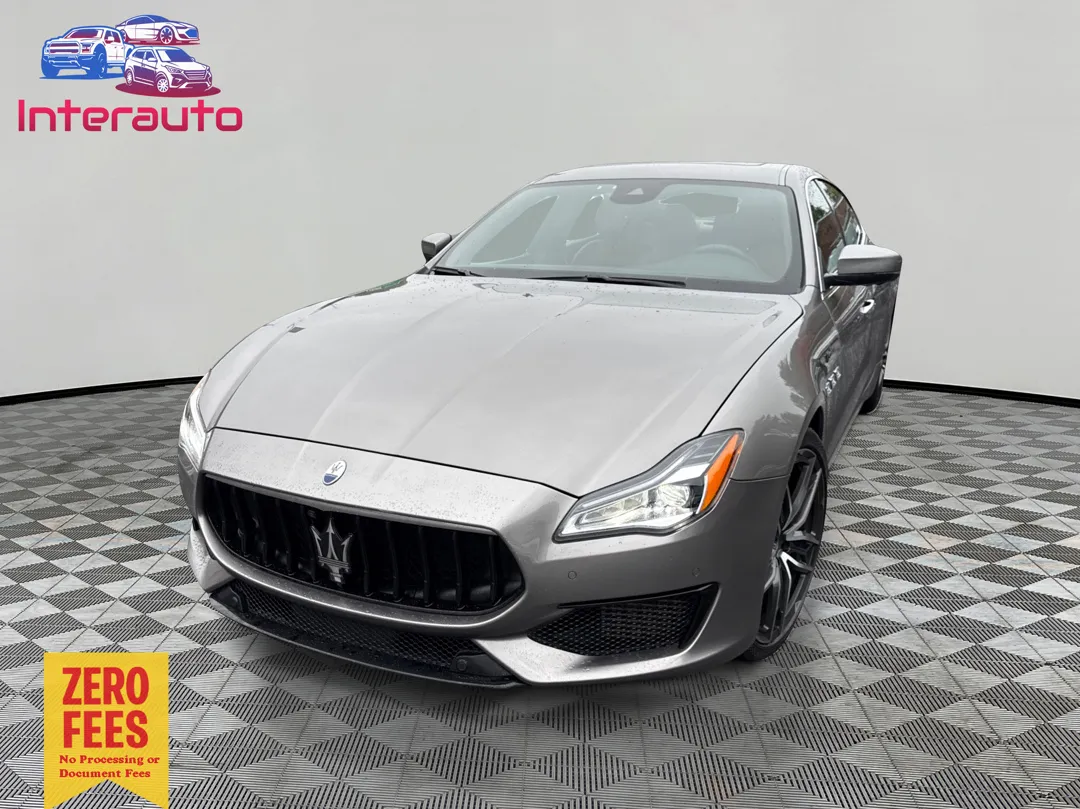
The Quattroporte is the car that keeps Maserati honest: a full-size luxury sedan with a Ferrari-built engine and a body that still turns heads a decade after it left the showroom. The American used market is one of the deepest sources for these cars, partly because the US bought them in volume and partly because depreciation there is steep, which works in a European buyer's favour. As an independent broker for used US vehicles, USCar Trader sources, inspects and ships the Quattroporte you actually want rather than whatever a local dealer happens to have on the lot.

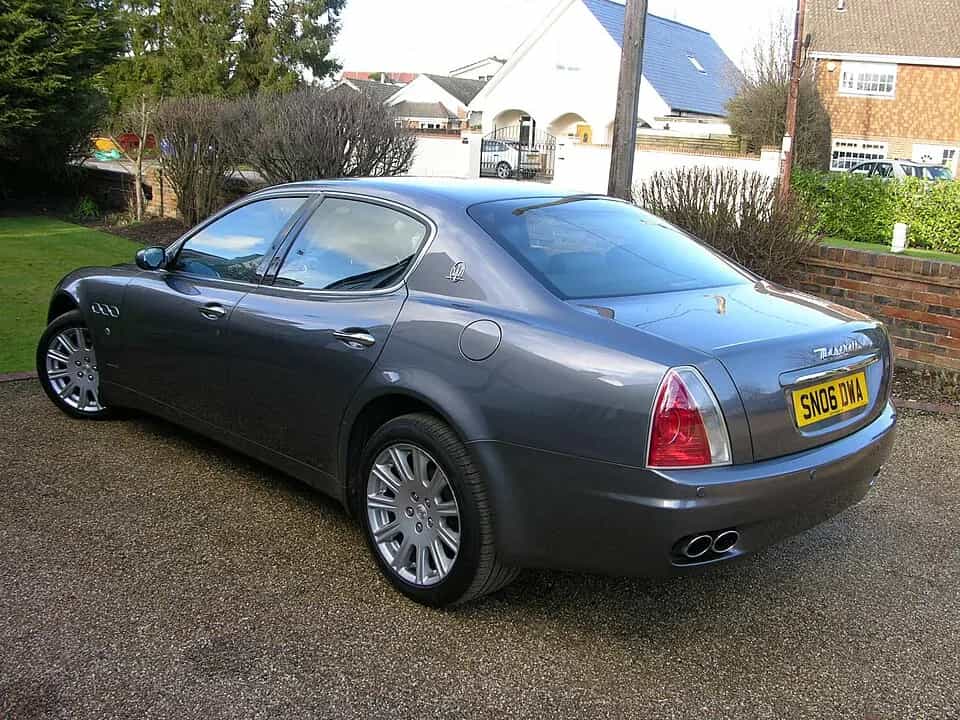
Maserati quattroporte – used car imported from the USA
Photo: The Car Spy · CC BY 2.0 · Wikimedia Commons

Production years and key changes

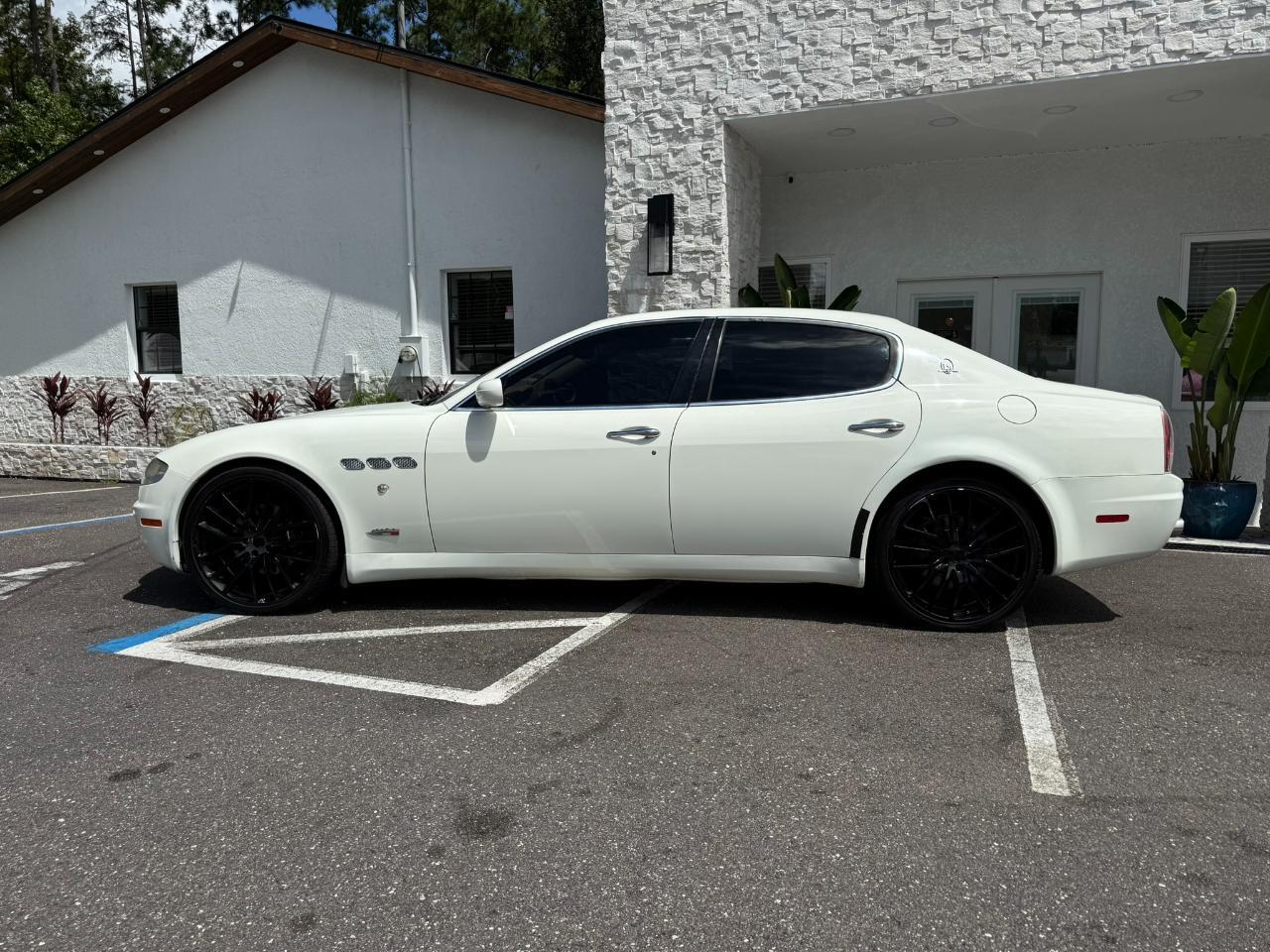
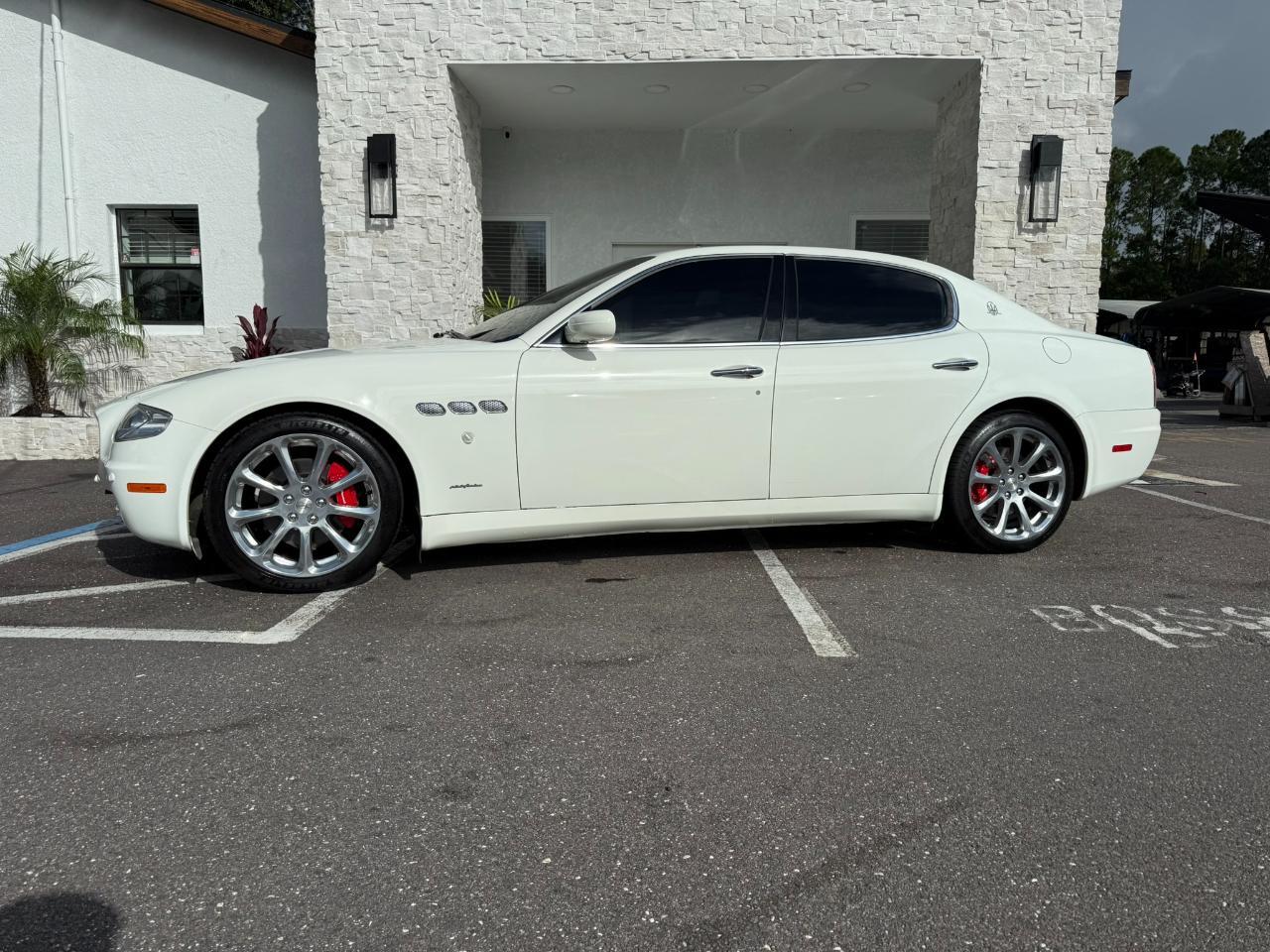
Two generations dominate the American classifieds. The fifth generation (M139, 2004-2012) introduced the Pininfarina shape and a 4.2-litre naturally aspirated V8 built alongside Ferrari's engines, later joined by a 4.7-litre in the Sport GT S. Early cars used the DuoSelect automated single-clutch gearbox; from 2007 Maserati offered a conventional ZF six-speed automatic that most buyers now prefer. The sixth generation (M156, 2013 onward) grew larger and switched to forced induction: a 3.0-litre twin-turbo V6 and a 3.8-litre twin-turbo V8, both assembled by Ferrari in Maranello. This is the version you will see most often on US lots.

What is under the hood

US-market sixth-gen cars come as the Quattroporte S and S Q4 with the 3.0 V6 (around 404-424 hp depending on year) and the flagship GTS with the 3.8 V8 rated near 523-530 hp. The Q4 designation adds an on-demand all-wheel-drive system that suits German winters far better than the rear-drive-only cars. Every M156 uses the excellent ZF eight-speed automatic, which is one of the more robust components in the whole car. The older M139's 4.2 and 4.7 V8s scream to a high redline and sound extraordinary, but the automated DuoSelect gearbox demands sympathetic driving.

Trims and body styles

The Quattroporte is a four-door sedan only, but trim variation is wide: GranLusso leaned toward Ermenegildo Zegna interiors and comfort, GranSport toward darker trim and firmer damping. Sixth-gen options such as air suspension, soft-close doors, a Harman Kardon or Bowers & Wilkins system and heated rear seats are common on well-specified US cars.

What the US market offers

Availability is strong for 2014-2019 cars, typically with 30,000 to 90,000 miles. Many were leased in warm-climate states, which means dry, rust-free underbodies and often complete dealer service records. The GTS V8 is rarer and commands attention; the V6 S Q4 is the value sweet spot. Condition ranges widely, so a documented history matters more here than on a mainstream sedan.

Who this import is for

Import a used Quattroporte from the USA if you want a genuine Ferrari-engined luxury sedan without German list prices, and if you value character over the clinical precision of a German rival. It rewards an owner who budgets for proper Maserati servicing. If you want zero-drama daily reliability, look elsewhere; if you want a car with soul, few large sedans deliver like this one.

Technical data and figures

SpecificationDetail (typical US-market Quattroporte VI)
Body styleFour-door full-size luxury sedan
GenerationsM139 (2004-2012), M156 (2013-present)
Engine (S / S Q4)3.0 L twin-turbo V6 (Ferrari-built)
Engine (GTS)3.8 L twin-turbo V8 (Ferrari-built)
Power outputapprox. 404-530 hp depending on variant
TransmissionZF 8-speed automatic
DrivetrainRear-wheel drive or Q4 all-wheel drive
0-100 km/happrox. 4.7-5.5 s
Lengthapprox. 5,262 mm
Wheelbaseapprox. 3,171 mm
Kerb weightapprox. 1,860-1,950 kg
Fuel tankapprox. 80 L
Seating5
Fuel typePetrol
Typical US mileage30,000-90,000 miles

Reliability: trouble spots to check

The ZF eight-speed and the Ferrari-built turbo engines are fundamentally strong, but a Quattroporte punishes deferred maintenance. On M156 cars watch for oil leaks around the turbo oil lines and valve covers, occasional coil-pack and spark-plug wear, and infotainment glitches (the early NTG-based system can be temperamental). Suspension bushings and the air springs on so-equipped cars are wear items. On the older M139, DuoSelect clutch wear and hydraulic pump faults are the classic weak points, and the variator/timing components deserve inspection. Across the range, budget for premium tyres and for servicing at a specialist rather than a general garage. Quattroporte reliability is acceptable when the car has been maintained; it is expensive when it has not.

US vs. Europe differences

US cars run amber side markers, mph-primary instruments and sometimes different headlamp aiming. The V6 and V8 petrol engines match European tune closely, but the diesel Quattroporte sold in Europe was never offered in the States, so every US import is petrol. Telematics and radio bands differ and may need attention. None of this blocks registration, but it feeds directly into the TÜV work described below.

How the import works

Selection of the specific car and VIN comes first, followed by a VIN and origin check to establish the build plant. USCar Trader then arranges a secure escrow payment, inland transport to the port, ocean freight to a European harbour such as Bremerhaven, and customs clearance on arrival. After that the car goes through TÜV inspection and individual approval (Einzelabnahme) before German registration.

Import duty, VAT and fees

In short: the 0% duty rate applies only with documented US origin (VIN/plant) – German import VAT of 19% is always due.

The Quattroporte is built in Italy, so it is flagged origin-neutral: the applicable import duty depends on the actual plant shown by the VIN, and the 0% EU rate under Regulations (EU) 2026/1455 and 2026/1461 applies only where provable US origin exists. On top of any duty, the 19% German import VAT (Einfuhrumsatzsteuer) always applies and is calculated separately. We never quote a hidden margin, and we never promise duty-free status.

From modifications to registration

Expect rear fog lamp fitment, headlight and side-marker adjustment, a speedometer readable in km/h and a documented odometer reading. The individual approval confirms the car meets German construction and equipment rules before the registration office issues plates.

Pre-buy inspection points

Verify the VIN and build plant. Pull a Carfax or AutoCheck history for accidents and title status. Confirm a clean, non-salvage title. Inspect for oil leaks and service-book stamps. Check tyre age and brake wear. Confirm the gearbox type on older cars. Have a specialist scan for stored fault codes.

What buyers ask most

Is the Maserati Quattroporte engine really built by Ferrari?

Yes. The petrol V6 and V8 in the sixth-generation car are assembled at Ferrari's Maranello facility, as were the naturally aspirated V8s in the earlier model.

Which Quattroporte is best for German winters?

The S Q4 with all-wheel drive handles snow and wet far better than the rear-drive V6 and V8 cars.

Can I import a diesel Quattroporte from the USA?

No. The diesel was a European-only model, so every US car is petrol.

How reliable is a used Quattroporte?

Solid if maintained by a specialist, costly if neglected. History and inspection matter more than mileage alone.

Will the 0% EU import duty apply?

Only with provable US origin from the VIN and plant. Otherwise the standard rate applies, and the 19% import VAT always applies separately.

What mileage is normal on a US import?

Most 2014-2019 cars show between 30,000 and 90,000 miles.

Are US cars rust-free?

Cars from warm, dry states usually are, but every example should be inspected underneath.

How long does the import take?

From purchase to registration typically several weeks, driven mainly by ocean freight and TÜV scheduling.

Explore more Maserati in the Carhub, compare the Ghibli, the GranTurismo and the Levante, or browse current Quattroporte listings.