Maserati GranTurismo

Importing a used Maserati GranTurismo from the USA

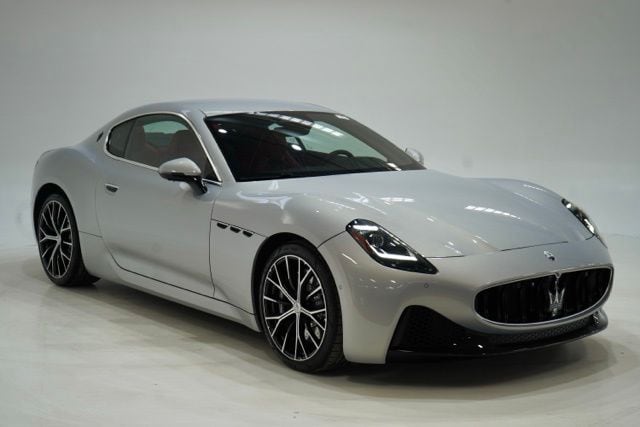
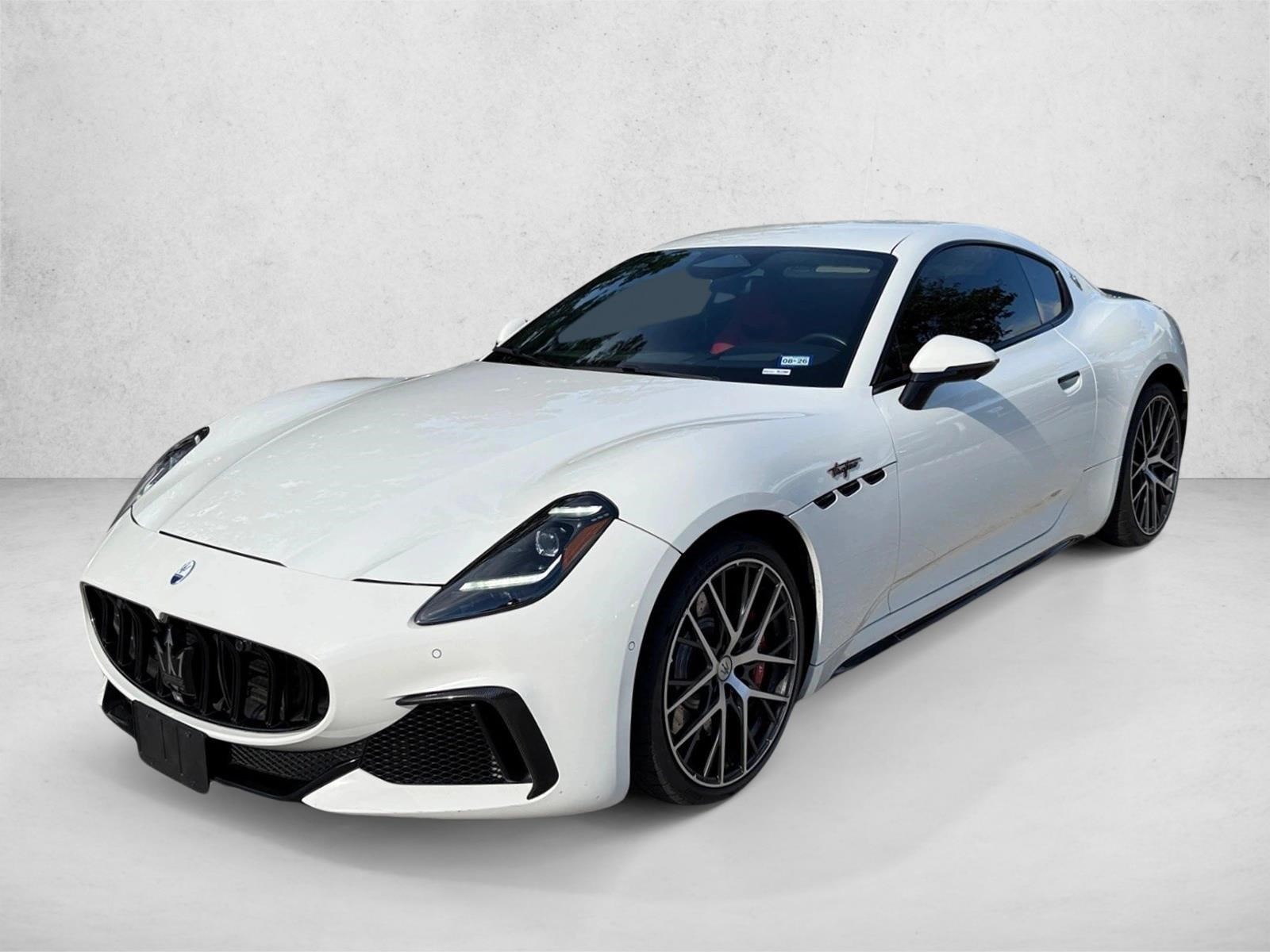
The GranTurismo is the Maserati that made the marque desirable again: a Pininfarina-drawn 2+2 coupe with a Ferrari-built V8 and one of the finest naturally aspirated soundtracks of its era. Large numbers were sold in the United States, and the American used market is one of the best places to find well-kept examples. Importing a used Maserati GranTurismo from the USA lets you tap that pool of cars, and USCar Trader arranges it purely as your broker and intermediary, with no manufacturer tie and no margin added to the vehicle itself.

Maserati granturismo – used car imported from the USA
Photo: The Car Spy · CC BY 2.0 · Wikimedia Commons

Generations at a glance

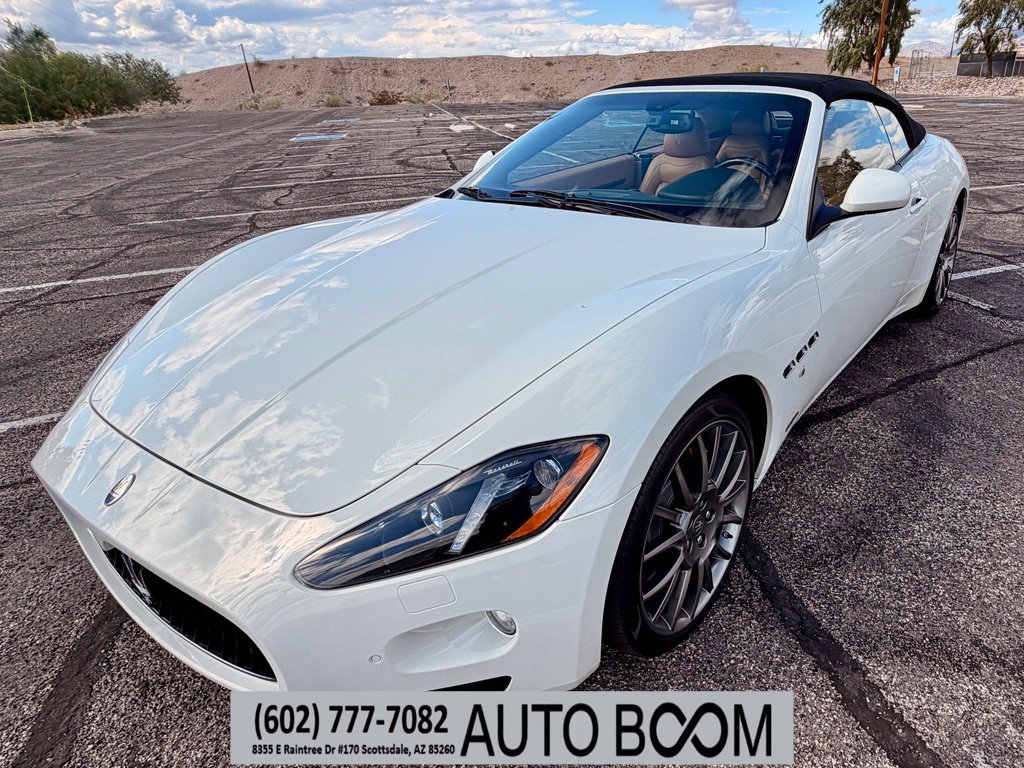
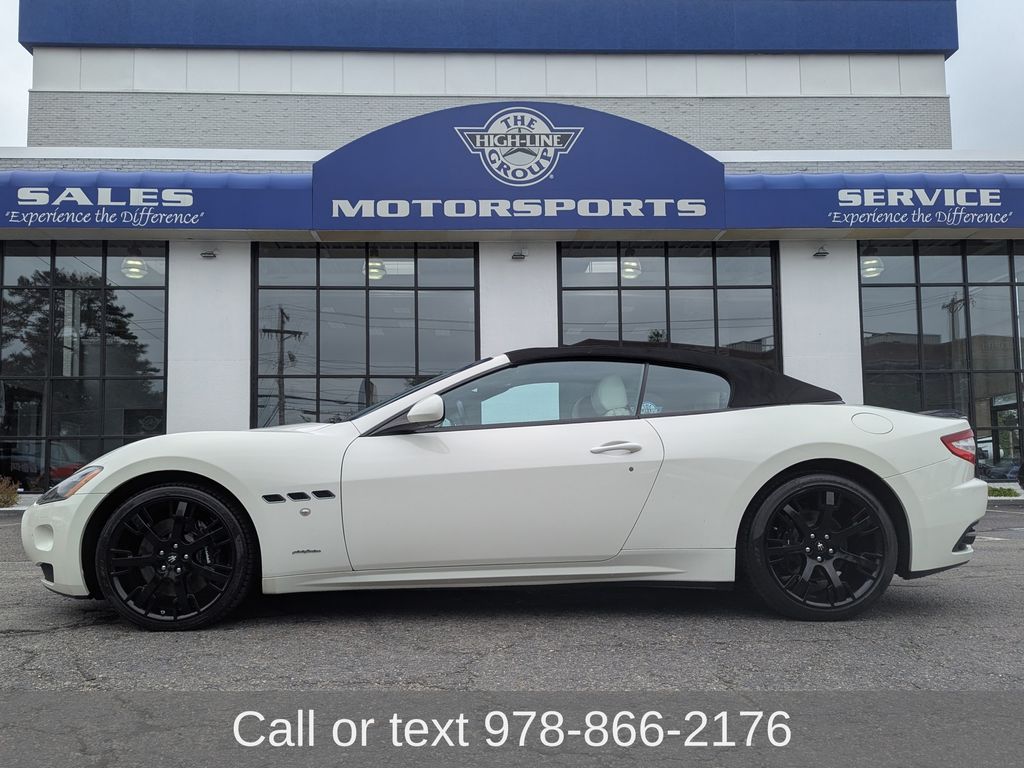
The first-generation GranTurismo (internal code M145) ran from 2007 to 2019, an unusually long life that kept the naturally aspirated V8 on sale well after rivals had turbocharged. It launched with the 4.2-litre car, then the sharper GranTurismo S arrived with a 4.7-litre engine, followed by the harder-edged MC and MC Stradale variants and various Sport trims. The convertible sold separately as the GranCabrio. A wholly new second-generation GranTurismo arrived for 2023 with a twin-turbo V6 and an electric Folgore, but the cars you will typically import from the US are the naturally aspirated first-generation coupes.

Powertrain lineup

The heart of the car is the F136 V8, hand-assembled by Ferrari in Maranello. The base 4.2 makes around 405 hp; the 4.7 in the S, Sport and MC ranges from roughly 440 to 460 hp with about 490 Nm and a screaming top end. Power goes to the rear wheels through a rear-mounted transaxle for balanced weight distribution. Two transmissions were offered: a smooth ZF 6-speed torque-converter automatic (fitted to the base car and the GranTurismo S Automatic), and the electro-actuated MC-Shift 6-speed single-clutch gearbox in the sportier S and MC models, which delivers faster, more dramatic shifts but demands a sympathetic clutch technique.

Trims in the US market

The body is a strict 2+2 coupe; the rear seats are usable for children or short trips rather than adults. Trim walk runs from the refined base and S, through the Sport with darker detailing and more aggressive mapping, to the track-minded MC and lightweight MC Stradale. US cars are generally well equipped, with leather, the Bose or optional premium audio, and the Skyhook adaptive damping on many examples. Wheel sizes, brake specification and interior stitching vary by year and trim.

The used market stateside

American GranTurismos were often bought as second cars and covered modest annual mileage, so low-odometer examples are relatively common. As always with an exotic, service history outweighs the mileage figure. The best cars have a clear record of clutch, fluid and belt-versus-chain service and no accident damage. Prices in the US have softened as the model aged, which is precisely what makes a careful import attractive, but a pre-purchase inspection is essential rather than optional on a car of this complexity.

Who should import one

Import a GranTurismo if you want a genuine Italian grand tourer with a Ferrari-derived engine, timeless styling and a naturally aspirated voice that newer turbo cars cannot replicate. It rewards owners who will maintain it properly and use it regularly. It is not the choice for someone seeking cheap running costs, but as a usable, characterful weekend GT it has few equals for the money.

Key specifications

SpecificationDetail (GranTurismo S, 4.7 V8)
Body style2+2 coupe
GenerationFirst generation (M145), 2007–2019
Length4,881 mm
Width1,915 mm
Height1,353 mm
Wheelbase2,942 mm
Engine4.7 L F136 V8 (Ferrari-built)
Powerapprox. 440 hp @ 7,000 rpm
Torqueapprox. 490 Nm
TransmissionZF 6-speed auto or MC-Shift 6-speed
DrivetrainRear-wheel drive, transaxle
0–100 km/happrox. 4.9 s
Top speedapprox. 295 km/h
Kerb weightapprox. 1,880 kg
FuelPetrol (premium)
AssemblyModena, Italy

How reliable is it?

The F136 V8 is strong when serviced, but it has recognised weak points. A rattle on cold start often points to the timing-chain tensioners and variator wear, a known and potentially costly repair. Cars with the MC-Shift electro-actuated gearbox wear their single clutch faster in stop-start use, so clutch life and past replacements matter. The soft-touch coating on interior buttons and trim becomes sticky with age, brakes and tyres are expensive, and suspension bushings and the Skyhook dampers wear over the years. Coolant and oil leaks, plus the health of the battery and electronics during long idle periods, are worth checking. None of this is unusual for the class, but maintenance is genuinely expensive and a deferred-service car can absorb a lot of money.

What US models do differently

US-market cars carry different lighting (side marker lamps, US headlamp aim, no rear fog lamp), an mph-first cluster, and sometimes US-specific bumper and emissions details. Equipment packages and audio options were specified for the American market. Because the GranTurismo is a low, wide performance car, its lighting and speedometer changes are usually the main compliance items rather than any structural work.

Seven steps to your import

Selection and price agreement come first, followed by a VIN and origin check. Payment runs through escrow for security. The car is transported to a US port and shipped by sea to Europe, then cleared through customs on arrival. A technical inspection and individual approval (TÜV/§21) with any required conversions follows, and finally German registration. USCar Trader coordinates each stage as your intermediary and keeps the costs transparent.

Customs, taxes and costs explained

Key point: duty depends on the plant of build; only a VIN check secures the 0% rate. Import VAT of 19% applies regardless.

Two charges are separate and must be treated as such. The EU import duty can be 0% only on vehicles of provable US origin under Regulations (EU) 2026/1455 and 2026/1461, in force since 1 July 2026 for directly transported goods until 31 December 2029. The GranTurismo is built in Modena, Italy, so US origin does not apply; the applicable rate depends on the documented origin and is generally the standard passenger-car duty. Independently of that, the 19% German import VAT (Einfuhrumsatzsteuer) always applies on import. We never describe an import as duty-free or guaranteed, and we add no margin of our own.

German TÜV and registration

Typical changes are fitting or activating a rear fog lamp, adjusting or replacing headlamps for the European beam pattern, ensuring compliant side indicators, and providing a km/h speedometer reading. The odometer is verified for plausibility. Once the individual approval is granted, standard German registration completes the process.

The buyer checklist

Confirm before purchase: the VIN matches the title and paperwork; a Carfax or AutoCheck report is clean of salvage, flood and odometer issues; there is a documented service history including timing-chain and (on MC-Shift cars) clutch service; the engine has no cold-start rattle; the title is clean rather than rebuilt; the brakes, tyres and suspension are in good order; and the electronics, air conditioning and dampers all function.

Questions and answers

Can I import a used Maserati GranTurismo to Germany?

Yes. As a used vehicle it can be imported, cleared and individually approved for German registration, with USCar Trader acting as your broker.

Does the 0% EU import duty apply to the GranTurismo?

No, because it is built in Italy, so US origin cannot be shown. The rate depends on documented origin and is generally the standard passenger-car duty, and the 19% German import VAT always applies.

Should I choose the 4.2 or the 4.7?

The 4.2 is smooth and cheaper to buy; the 4.7 in the S and MC is stronger and sharper, with more power and a harder edge. Both share the same core engine architecture.

Automatic or MC-Shift gearbox?

The ZF automatic is easier to live with day to day; the MC-Shift single-clutch is more engaging but wears its clutch faster and needs sympathetic driving.

What are the common problems?

Timing-chain tensioner and variator rattle, clutch wear on MC-Shift cars, sticky interior coatings, and expensive brakes and suspension are the recurring items.

Is it expensive to maintain?

Yes. Service, tyres, brakes and any driveline work are costly, so a fully documented history is worth paying for.

Will it pass German TÜV?

Yes, once lighting, rear fog lamp and speedometer are made EU-compliant and the car is mechanically sound, it can pass individual approval.

Discover more in the Maserati in the Carhub, compare the four-door Maserati Quattroporte and the Maserati Ghibli, consider the rival Bentley Continental GT, or browse the current GranTurismo listings.