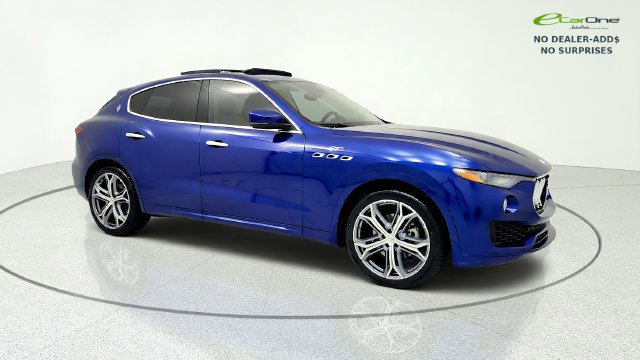
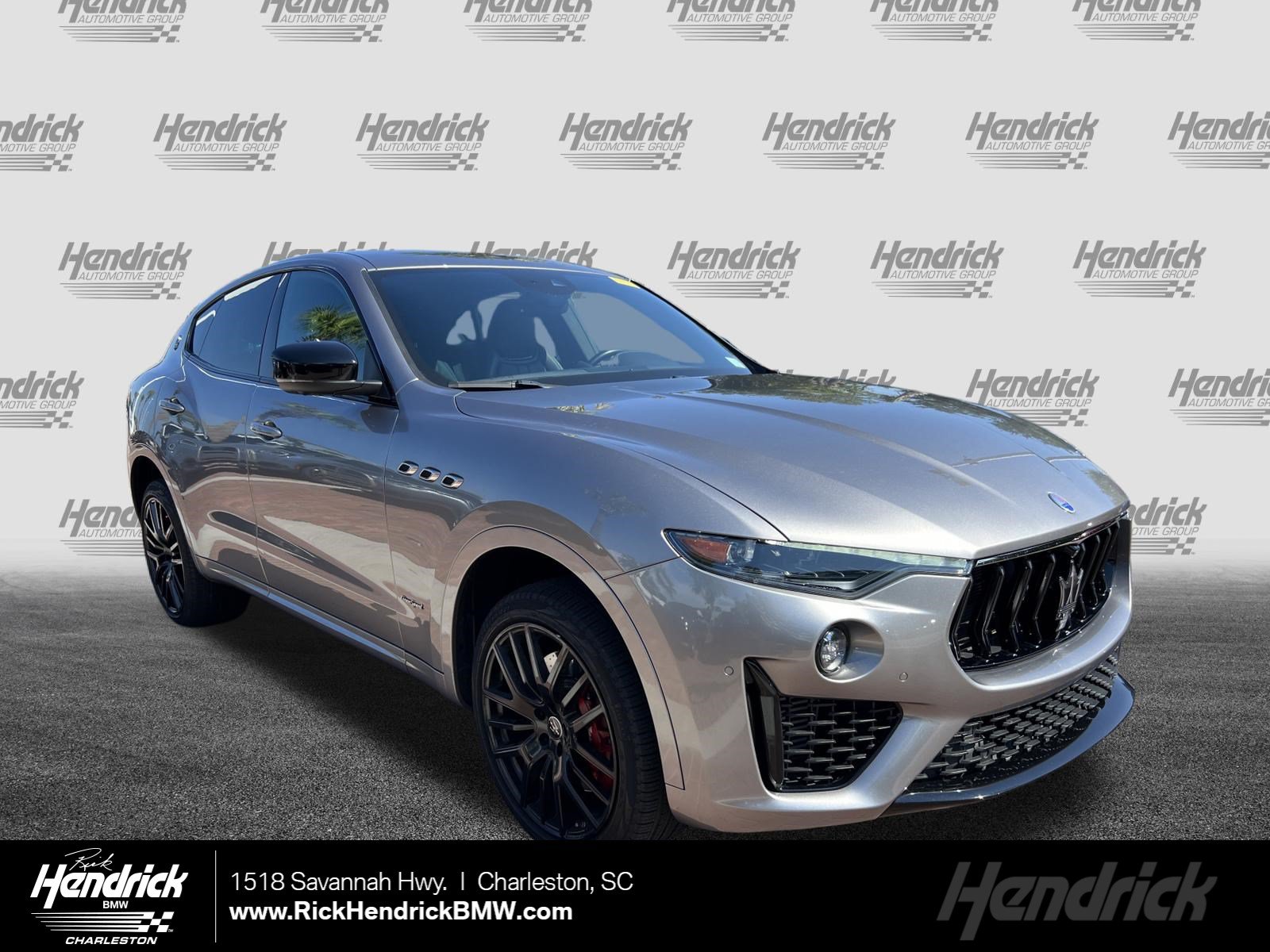
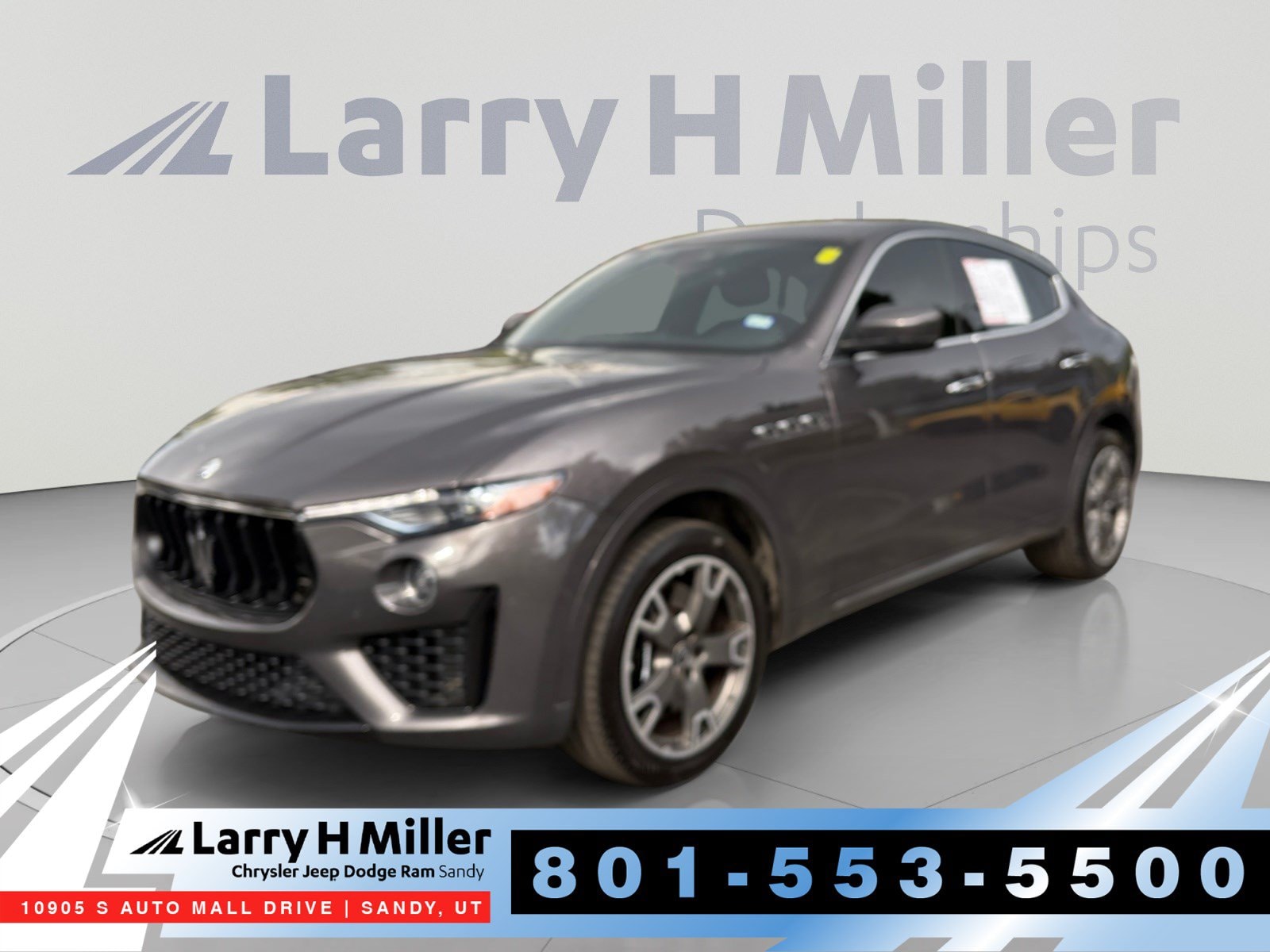
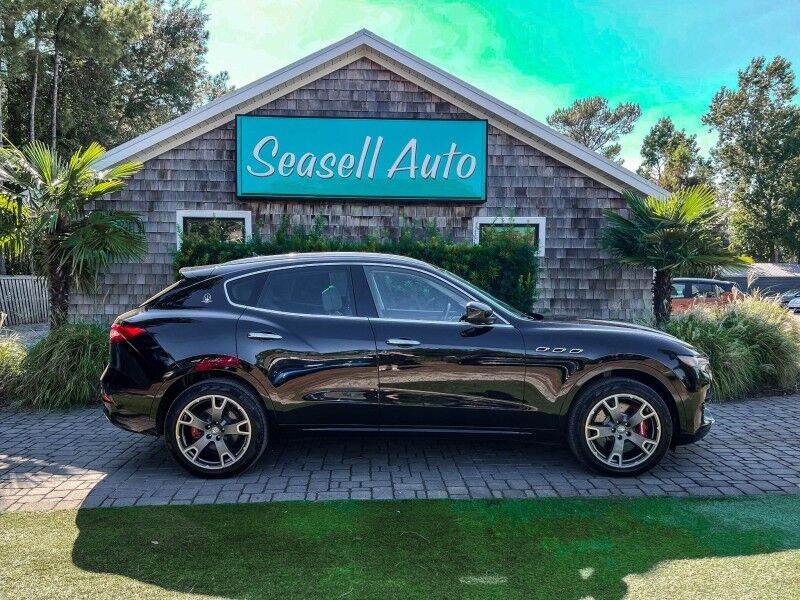
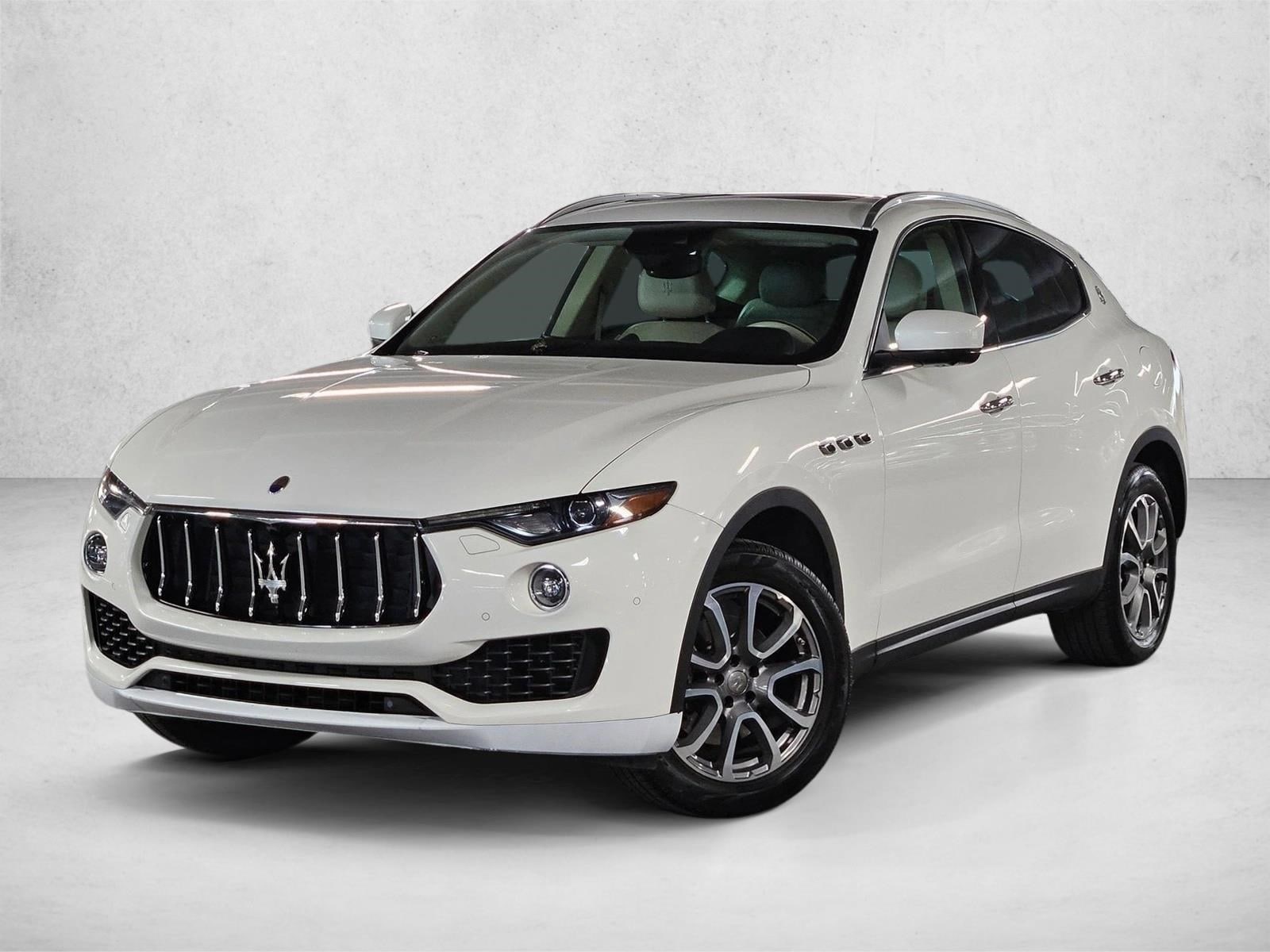
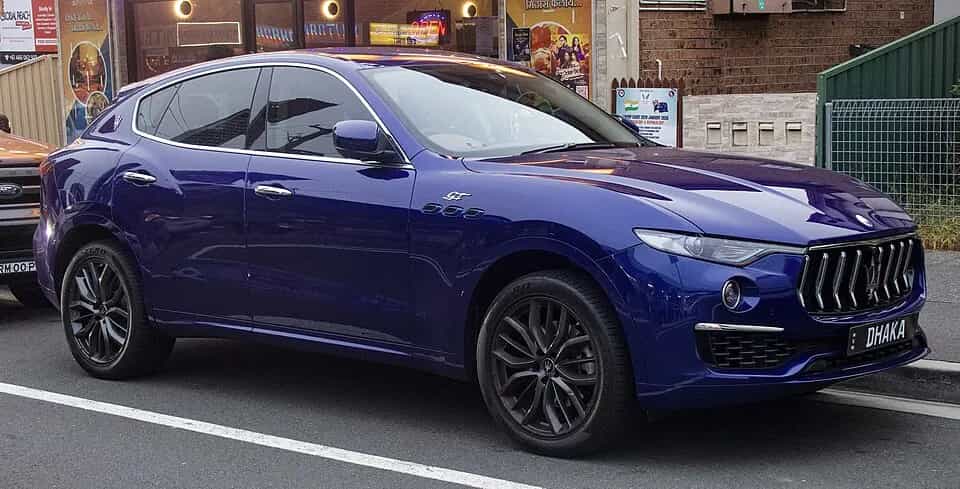
Maserati Levante
Importing a used Maserati Levante from the USA
The Levante was Maserati's first SUV, and it brought Italian design drama and Ferrari-built engines into a segment dominated by German rivals. On the American used market these cars are plentiful and, thanks to steep first-owner depreciation, they represent a way into genuine exotic-badge motoring. Importing a used Levante from the USA lets German and EU buyers tap that larger pool of well-optioned, often low-mileage examples. USCar Trader operates strictly as an independent broker for used vehicles — you select the Levante, we verify and import it, and there is no dealer margin and no manufacturer affiliation.

Model history: years and generations
Launched for the 2016 model year and sold through 2024, the Levante rides on the same rear-biased platform family as the Ghibli and Quattroporte saloons. Over its run it gained equipment updates, revised infotainment, and the addition of higher-performance V8 variants. Key milestones include the arrival of the GTS and Trofeo V8 models and, later, the Modena and Ultima trim reshuffles. It remained a single generation throughout, so buying is about choosing the right engine, trim and model year rather than decoding multiple platforms.
Engines, transmissions and drive
US Levantes are petrol only. The core engine is a 3.0-litre twin-turbo V6, built by Ferrari in Maranello, offered in roughly 345 hp base tune and about 424-430 hp in the S/Modena S. At the top sit the GTS and Trofeo, powered by a 3.8-litre twin-turbo V8 producing around 550 hp and up to 580 hp respectively. Every US car pairs its engine with a ZF 8-speed automatic and Maserati's Q4 all-wheel-drive system, which is rear-biased for handling but can shuffle torque forward for traction. Air suspension with Skyhook adaptive damping was widely fitted. Note that the diesel V6 sold in Europe was never offered in the USA, so an imported US car will be a petrol V6 or V8.
Equipment lines and body styles
The Levante is a five-door, five-seat SUV only. Trim progression runs from the base Levante through S, GranLusso and GranSport appearance packages, up to the GTS and Trofeo V8 flagships, with later Modena and Ultima editions. GranLusso emphasises comfort and materials while GranSport adds sportier styling and seats. When importing, the engine choice and options — air suspension, driver assistance, premium audio, carbon or wood trim — matter more to value than the trim name alone.
The US used market
Availability in the USA is strong, and because these SUVs depreciated quickly, the used market offers everything from lightly used low-mileage V6 cars to characterful V8 Trofeos. Typical cars carry moderate mileage and were often garage-kept status vehicles rather than workhorses. The sensible target is a well-documented example with a full Maserati service history, because deferred maintenance on this car gets expensive fast.
Is an import right for you?
A used Levante suits the buyer who wants a distinctive, fast, luxurious SUV with an unmistakable engine note and an exclusive badge, and who accepts higher running costs in exchange. It is a poor fit for anyone chasing minimal maintenance bills or class-leading efficiency. For enthusiasts who value character over spreadsheet logic, few SUVs at used prices deliver the same theatre.
Specs at a glance
| Attribute | Detail (US-spec) |
|---|---|
| Body style | 5-door luxury SUV, 5 seats |
| Base engine | 3.0 L twin-turbo V6 (Ferrari-built) |
| Base power | approx. 345 hp |
| S / Modena S power | approx. 424-430 hp |
| GTS engine | 3.8 L twin-turbo V8, ~550 hp |
| Trofeo engine | 3.8 L twin-turbo V8, ~580 hp |
| Transmission | ZF 8-speed automatic |
| Drivetrain | Q4 all-wheel drive (rear-biased) |
| Suspension | Air springs with Skyhook adaptive damping |
| Fuel (US) | Petrol only |
| Seating | 5 |
| Length | approx. 197 in (~5,005 mm) |
| 0-60 mph (Trofeo) | approx. 3.8 s |
| Model years | 2016-2024 |
| Origin | Built in Italy (verify by VIN/plant) |
Common issues buyers should know
The Levante rewards a car with complete service history and punishes a neglected one. Owners most often report issues with the older FCA-based infotainment (freezes and slow response on early cars), electrical gremlins and sensor faults, and the air suspension, whose compressor and struts are wear items that are costly to replace. The twin-turbo V6 is strong but shares timing and cooling components that demand on-schedule service; some cars have needed timing chain and tensioner attention. Brakes, tyres and the low front lip wear quickly given the performance and weight. Budget realistically for maintenance and insist on documented dealer or specialist history — a cheap Levante with gaps in its records is rarely a bargain once the first repair bill lands.
Differences from the European version
US cars read in mph, lack a rear fog lamp, and use US lighting and DRL configurations that must be adapted for German approval. The most notable mechanical difference is the absence of the European diesel — imported US Levantes are petrol V6 or V8. Emissions and CO2 figures established at the TUEV set the annual Kfz-Steuer, which on a V8 is significant. Connected services and navigation mapping may need European reconfiguration.
Import step by step
Selection: you choose the Levante; we appraise it. VIN and origin check: the plant code confirms Italian assembly and exact build. Escrow: payment held until the car is verified. Ocean freight: container or RoRo to a German port. Customs clearance: duty and import VAT declared. TUEV / individual approval: inspection and modifications. Registration: German plates issued.
Customs and taxes: what applies
Bottom line: what matters is the factory shown by the VIN – proven US origin unlocks 0% duty. The 19% import VAT always applies.
Duty and VAT are separate charges. The 0% EU import duty under Regulations (EU) 2026/1455 and 2026/1461 applies only to vehicles with provable US origin shipped directly within the window to 31 December 2029. The Levante is built in Italy, so it will not meet the US-origin test — the standard EU passenger-car customs rate, currently 10%, therefore applies. Independently, the 19% German import VAT (Einfuhrumsatzsteuer) is always charged on the customs value plus duty. We never build in a margin; you see the actual figures.
Modifications and single-vehicle approval
Typical work covers fitting a rear fog lamp, adapting the headlights and markers to European norms, converting or documenting the speedometer, and recording the odometer in kilometres. Because the model was sold in Europe, a matching European specification can sometimes ease the paperwork, but a US car still requires individual verification of lighting and emissions at the TUEV.
What to verify before buying
Confirm the VIN against the title and car; obtain a Carfax or AutoCheck history for accidents and title brands; verify a complete Maserati or specialist service record; test the air suspension through all ride heights; check the infotainment for faults and software updates; inspect brakes, tyres and the front lip for wear; and ensure the title is clean and lien-free.
Common questions
Can I import a used Maserati Levante to Germany?
Yes. As an independent broker we source the Levante you select in the USA and manage shipping, customs and registration to German plates.
Does the Levante qualify for 0% import duty?
No, because it is built in Italy. The 0% rate requires provable US origin; otherwise the standard EU car duty (currently 10%) applies.
Is import VAT always due?
Yes. The 19% German import VAT applies to every used-car import, separately from customs duty.
Which engines came to the USA?
Petrol only: a 3.0 twin-turbo V6 in several tunes, plus the 3.8 twin-turbo V8 in the GTS and Trofeo. The European diesel was not sold there.
Are Levantes expensive to maintain?
Yes, relative to mainstream SUVs. Air suspension, brakes, tyres and scheduled engine service are the main cost areas, so full history matters.
What are the common problems?
Early infotainment glitches, electrical faults, air-suspension wear and deferred timing/cooling service on neglected cars.
How quick is the Trofeo?
The V8 Trofeo reaches 60 mph in roughly 3.8 seconds, making it one of the fastest SUVs of its era.
How long does importing take?
Generally a couple of months from purchase to registration, covering shipping, clearance and approval.
Discover more from Maserati in the Carhub, compare the smaller Maserati Grecale and the rival Alfa Romeo Stelvio, or browse current Levante listings.