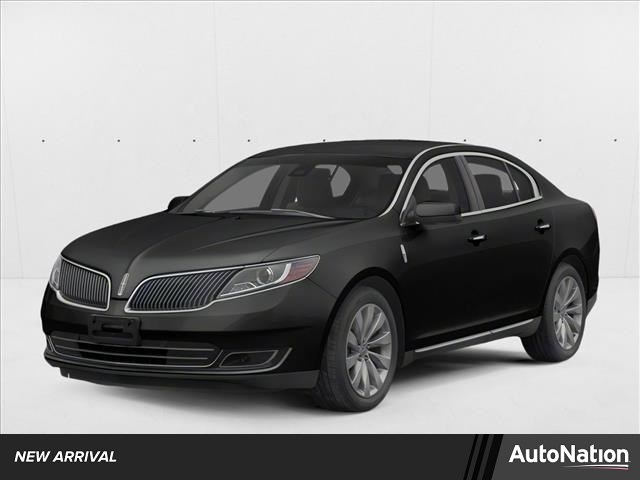
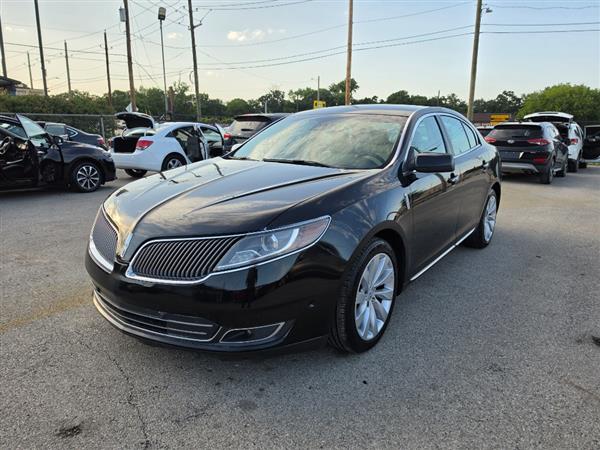
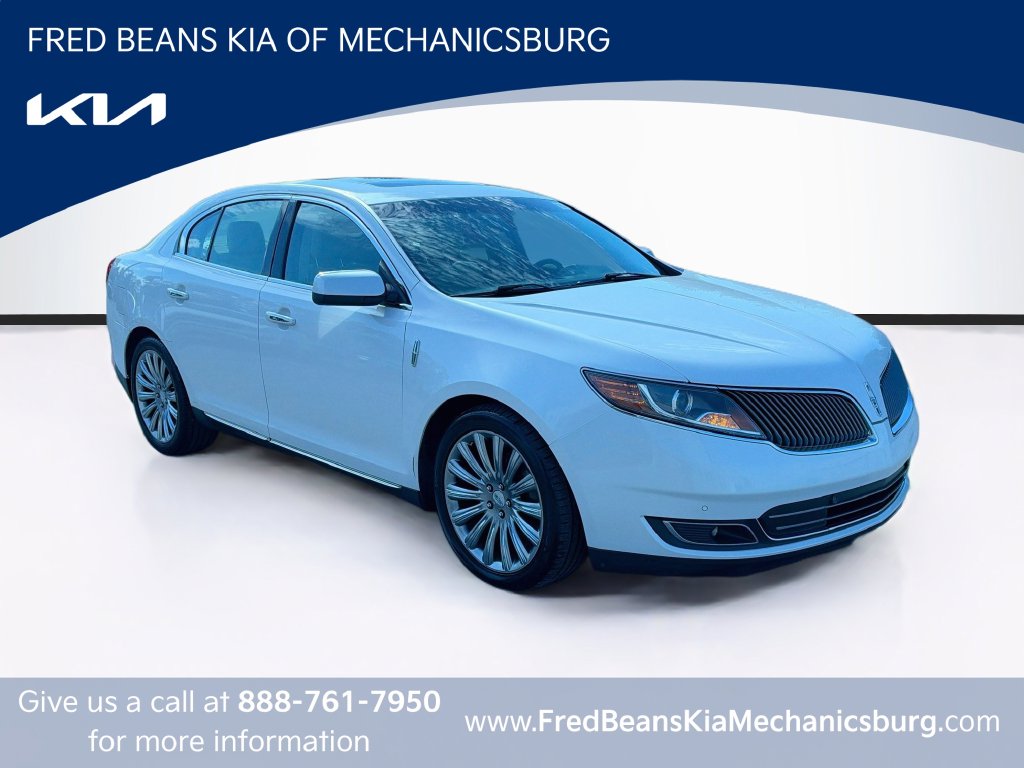
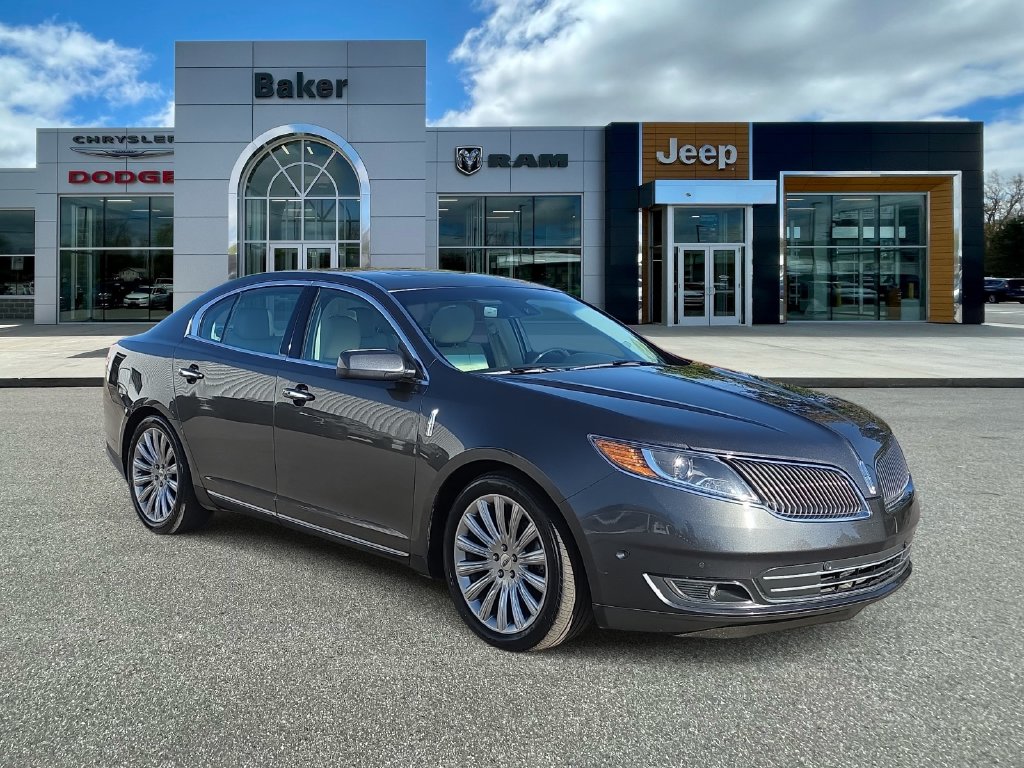
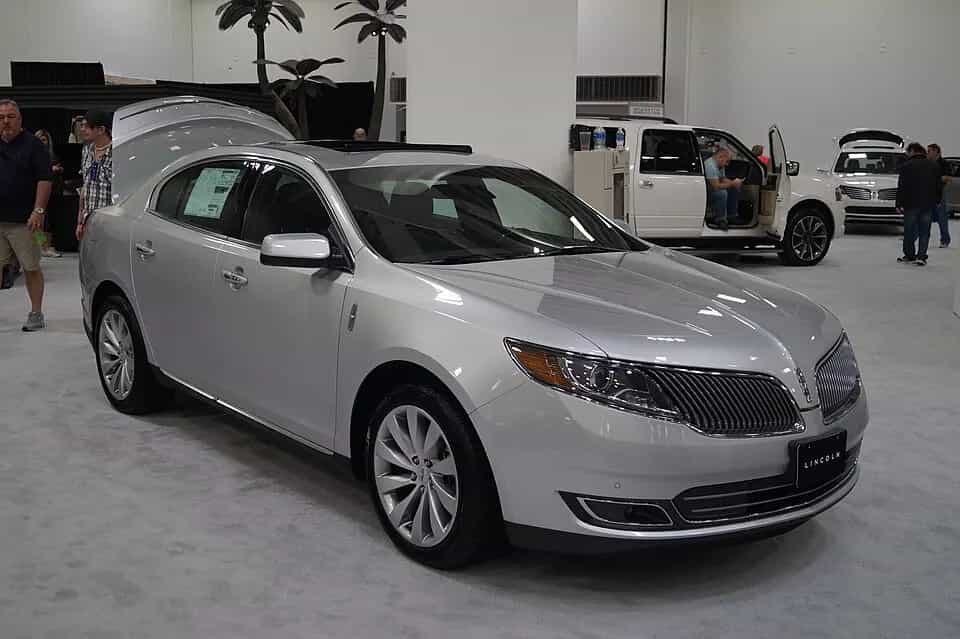
Lincoln MKS

Importing a used Lincoln MKS from the USA

The Lincoln MKS was Ford's American full-size luxury sedan, a comfortable, softly sprung cruiser that in EcoBoost form hid genuine performance beneath its dignified styling. It was never a familiar sight on European roads, so a used MKS brought over directly from the United States is essentially the only way to own one here. USCar Trader works as an independent broker for used US vehicles, sourcing MKS sedans from the American market where they were sold across a full range of trims and drivetrains. If you are researching how to import a used Lincoln MKS from the USA, the following sections walk through the model's history, its engines, the used market and the practical steps to German registration.

Lincoln mks – used car imported from the USA
Photo: Greg Gjerdingen · CC BY 2.0 · Wikimedia Commons

Production years and key changes

The MKS was produced in a single generation from the 2009 to the 2016 model year, built at Ford's Chicago Assembly plant in Illinois. It rode on the Ford D3 platform, which traces its architecture to Volvo's large-car design, giving the MKS a solid structure and a smooth ride. A significant refresh for 2013 brought a new split-wing grille, revised interior, adaptive suspension and updated electronics, and it is these later cars that most import buyers seek. The MKS shared much of its engineering with the Ford Taurus of the period but wore its own bodywork and a plusher, more heavily equipped cabin. Production ended in 2016 without a direct successor, as Lincoln moved toward the Continental.

What is under the hood

Two engines defined the MKS. The standard unit was a naturally aspirated 3.7-litre V6 producing roughly 300 to 305 horsepower, usually driving the front wheels with all-wheel drive optional. The more interesting choice was the 3.5-litre EcoBoost twin-turbo V6, rated at around 355 horsepower and 350 lb-ft of torque and paired with standard all-wheel drive. The EcoBoost turned the MKS into a surprisingly quick large sedan while retaining its relaxed manners. Both engines used a six-speed automatic. The EcoBoost car is the enthusiast's pick and the more sought-after import, while the 3.7 offers a simpler, lower-cost ownership proposition.

Trims and body styles

The MKS was offered only as a four-door sedan, but it came generously equipped even in base form. Options and packages added features such as ventilated and multi-contour front seats with massage, a THX audio system, adaptive cruise control, blind-spot monitoring and a panoramic roof. The EcoBoost package bundled the twin-turbo engine with all-wheel drive and sportier suspension tuning. Because Lincoln positioned the MKS as a value-luxury flagship, many US cars are loaded with equipment that would have been costly options on rival European sedans.

What the US market offers

The MKS sold steadily in the United States, so the used pool is healthy and offers a good spread of years, trims and mileages. Post-2013 facelift cars are the most desirable, and EcoBoost all-wheel-drive examples command the most interest. Many MKS sedans served as comfortable long-distance cars, so higher-mileage highway examples exist alongside lightly used ones. Southern and western states again yield the cleanest, rust-free bodies. Condition is generally good because these were bought by owners who valued comfort and equipment.

Who this import is for

The MKS suits the buyer who wants a large, quiet, well-equipped luxury sedan with a distinctly American character and, in EcoBoost form, real straight-line pace. It appeals to someone who prefers ride comfort and features over sharp handling, and who likes the idea of a car that few others in Germany will have. It is well suited to long-distance driving and to buyers who appreciate value-luxury specification that the European market never offered.

Technical data and figures

SpecificationDetail (MKS 3.5 EcoBoost AWD)
Body style4-door sedan, 5 seats
Engine3.5 L EcoBoost twin-turbo V6
Powerapprox. 355 hp (265 kW)
Torqueapprox. 350 lb-ft (475 Nm)
Transmission6-speed automatic
Drive layoutAll-wheel drive (FWD on 3.7)
0-100 km/happrox. 6.0-6.3 s
Lengthapprox. 5,161 mm
Widthapprox. 1,930 mm
Wheelbaseapprox. 2,868 mm
Kerb weightapprox. 1,950 kg
FuelPetrol
Fuel tankapprox. 72 L
AssemblyChicago Assembly, Illinois, USA
Production years2009-2016

Reliability: trouble spots to check

The MKS is a generally dependable car, and its shared Ford underpinnings mean parts and know-how are relatively accessible. When assessing Lincoln MKS reliability, focus on a few known areas. The 3.5 EcoBoost can suffer from carbon build-up on the intake valves over time, a trait of direct-injection turbo engines, and its turbo intercooler can accumulate condensation that causes brief misfires in humid conditions; a software update and revised hardware addressed this on many cars. Water-pump wear on the V6 engines is worth checking because the pump is internal and labour-intensive to replace. The six-speed automatic is robust but benefits from fluid changes. The adaptive suspension, THX audio and MyLincoln Touch electronics can develop faults on higher-mileage cars, and the early touchscreen interface is slower than modern systems. Overall, a documented service history and a healthy EcoBoost with recent maintenance make for a sound import.

US vs. Europe differences

US MKS sedans use mph instrumentation, US rear lighting logic and SAE headlight patterns, all corrected during approval. American cars frequently carry equipment such as multi-contour massage seats and THX audio that were never offered in Europe. Navigation and connected features are set up for the US market. The MKS has no European type approval, so imports proceed through an individual inspection.

How the import works

The path runs in sequence: choose the vehicle and obtain a condition report; verify the VIN and confirm the build plant for origin; pay through escrow so funds are only released once ownership is confirmed; ship by ocean freight from a US port to Bremerhaven or a similar European port; clear customs on arrival; complete a TÜV individual inspection (Einzelabnahme) with any required modifications; and register the car in Germany. USCar Trader coordinates every stage as your intermediary.

Import duty, VAT and fees

Bottom line: what matters is the factory shown by the VIN – proven US origin unlocks 0% duty. The 19% import VAT always applies.

The MKS was assembled at Chicago Assembly in Illinois, which makes it a strong candidate for the 0% EU import duty available under Regulations (EU) 2026/1455 and 2026/1461, in force since 1 July 2026 for direct transport and valid until 31 December 2029. That rate applies only where US origin is provable through the VIN and plant code; each car must be verified individually. Where origin cannot be shown, the standard 10% third-country car duty applies. Separately and in all cases, the 19% German import VAT (Einfuhrumsatzsteuer) is due and is calculated on its own basis. We never promise a duty-free result and never add a margin; the outcome depends on the specific VIN.

From modifications to registration

Typical work includes adapting or replacing the headlights for a European beam pattern, fitting a rear fog lamp, and confirming the speedometer shows km/h. The odometer reading is documented and checked for plausibility against the history. Once the TÜV certificate is issued, the car is registered at the local authority and receives German plates.

Pre-buy inspection points

Match the VIN across the title, dash and door label. Obtain a Carfax or AutoCheck report to check for accidents, title branding and odometer accuracy. Inspect for rust on cars from northern or salted regions. Verify service history, with particular attention to EcoBoost maintenance and any intercooler or software updates. Check the water pump and cooling system condition. Confirm the title is clean rather than salvage or rebuilt. Test all electronics, including the touchscreen and driver aids.

What buyers ask most

Where was the Lincoln MKS built?

At Ford's Chicago Assembly plant in Illinois, which generally supports a US-origin customs claim when confirmed by the VIN.

Can the MKS qualify for 0% EU import duty?

Yes, if US origin is proven via the VIN and plant. Without that proof, the standard 10% car duty applies.

Is the 19% import VAT always due?

Yes. The German import VAT of 19% applies to every import and is calculated separately from any customs duty.

Which MKS should I import?

Post-2013 facelift cars are the most desirable, and the 3.5 EcoBoost with all-wheel drive is the performance choice.

Is the EcoBoost engine reliable?

It is generally durable but can show intake carbon build-up and, on some cars, intercooler condensation, both of which are well understood.

Are MKS parts available in Europe?

Many components are shared with the Ford Taurus and Flex, so mechanical parts are relatively accessible through Ford channels.

How long does the import take?

Usually six to twelve weeks from purchase to German registration, depending on freight and inspection timing.

Can the MKS be registered in Germany?

Yes, through a TÜV individual approval covering lighting, a rear fog lamp and speedometer units, followed by standard registration.

See more American luxury through our Lincoln in the Carhub, or compare related sedans such as the Lincoln MKZ, the Lincoln Continental and the Lincoln Town Car. You can also browse the current MKS listings we can source and import for you.