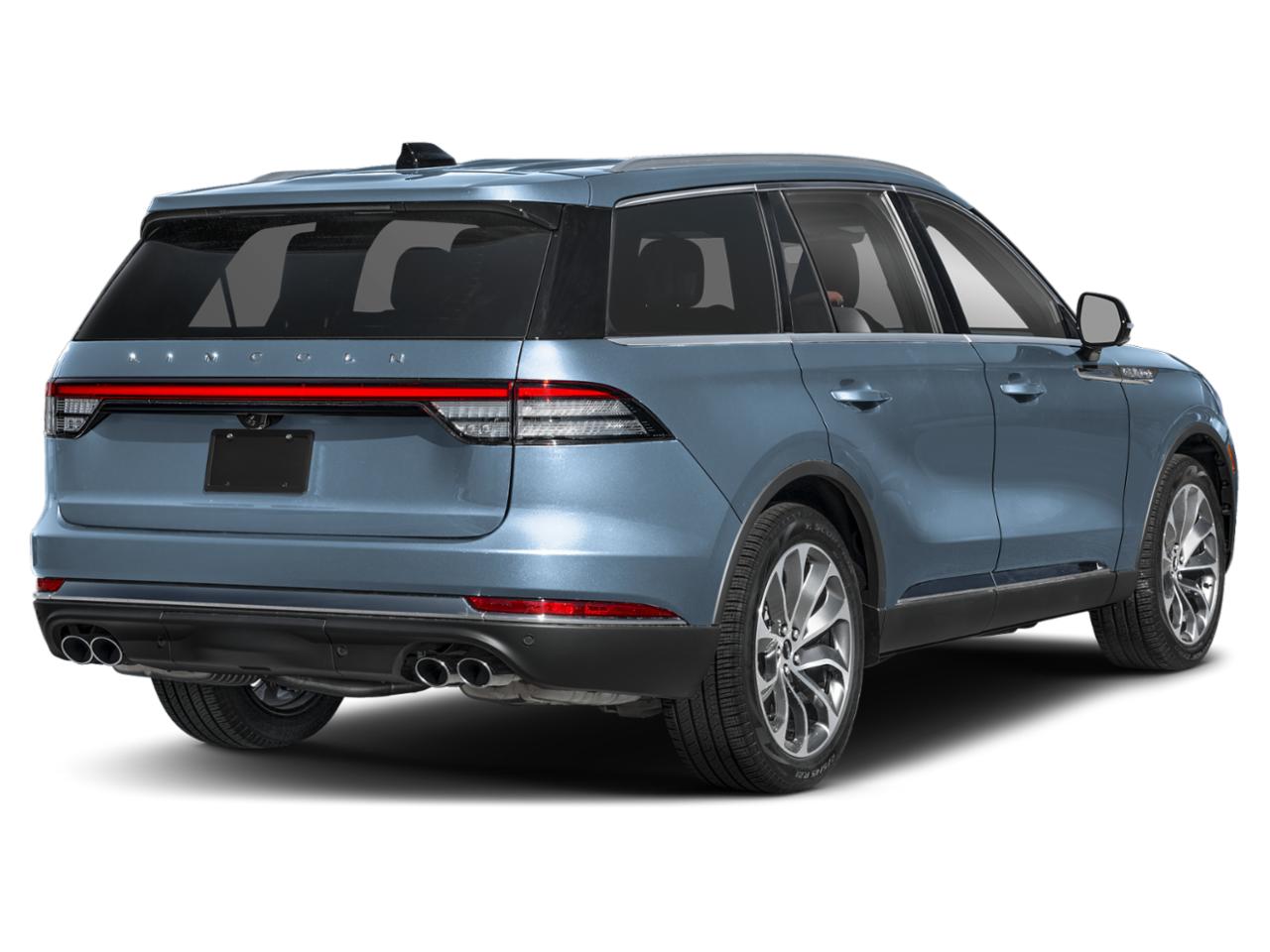
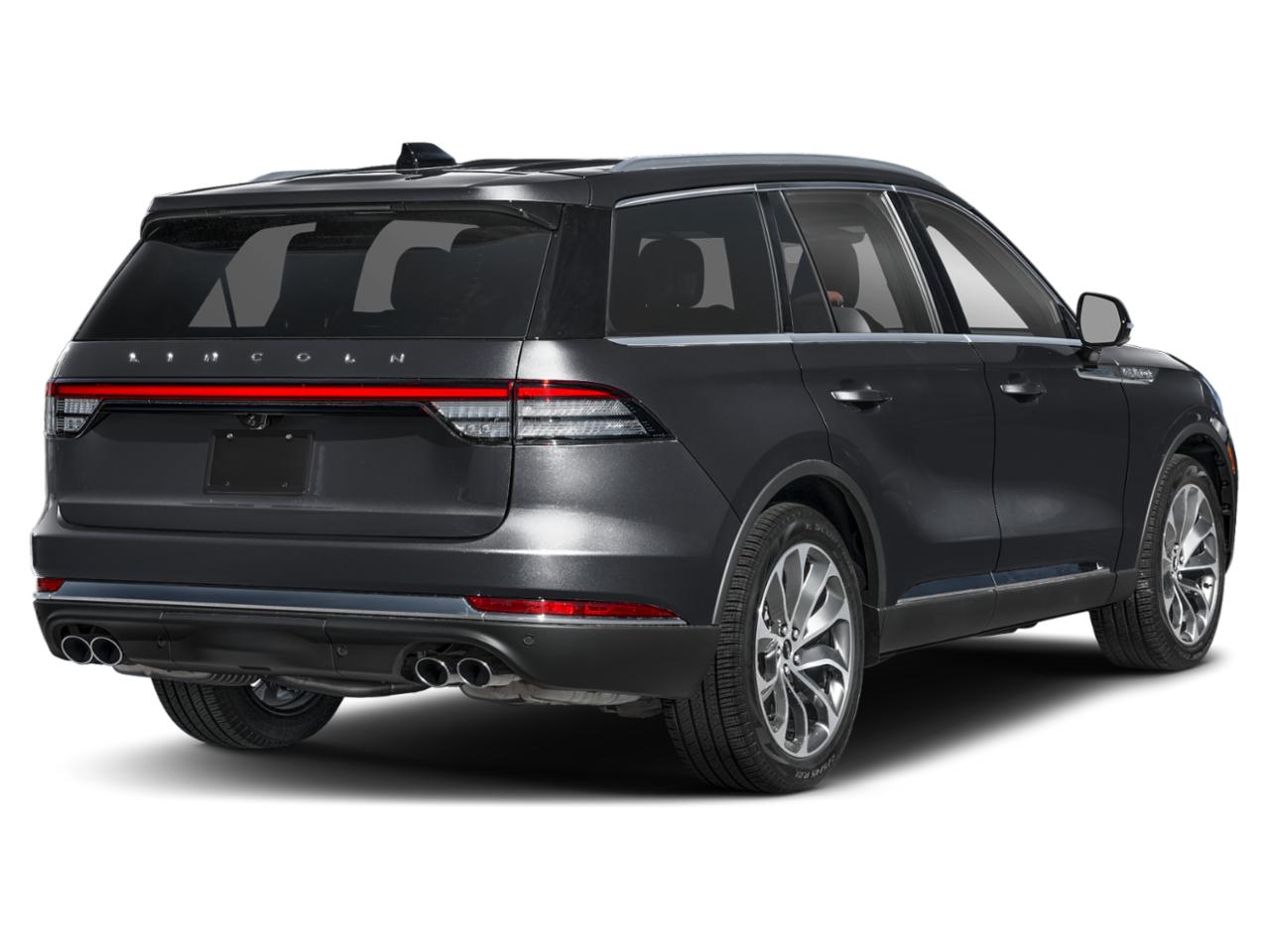
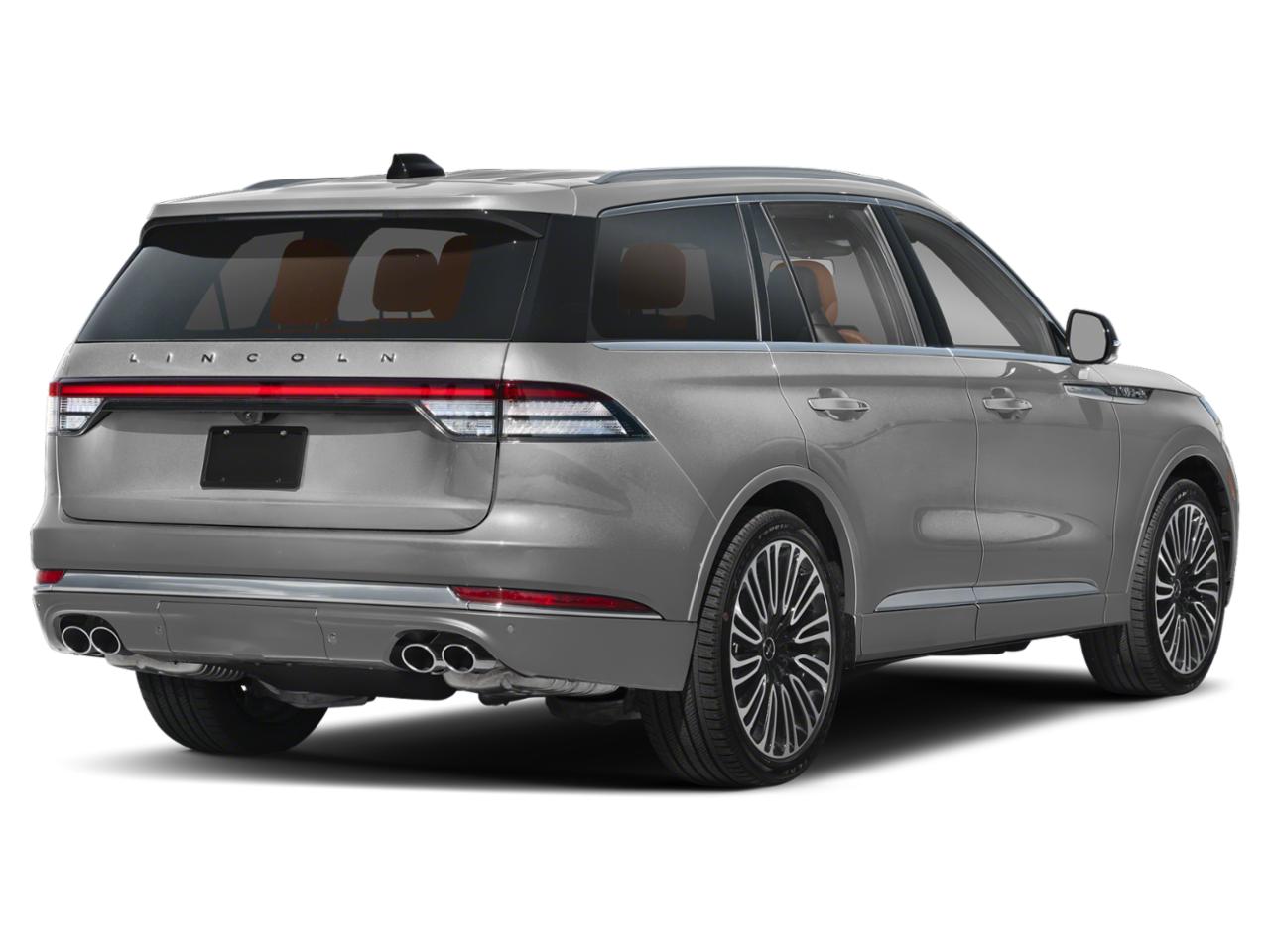
Lincoln Aviator

Importing a used Lincoln Aviator from the USA

The Lincoln Aviator is one of those American luxury SUVs that Europe almost never sees on the road, which is precisely why it draws attention when it does. It is a three-row, rear-drive-based crossover built on Ford's CD6 platform, sitting above the compact Corsair and Nautilus in Lincoln's lineup. For a German buyer, the appeal is straightforward: a genuinely large, quiet, richly equipped SUV with a twin-turbo V6 or a plug-in hybrid drivetrain, at used-market values that rarely align with anything comparable from the German premium brands. As an independent import broker, USCar Trader sources these cars directly from the US used market and handles the transport and clearance; we do not sell new vehicles and we hold no dealer franchise.

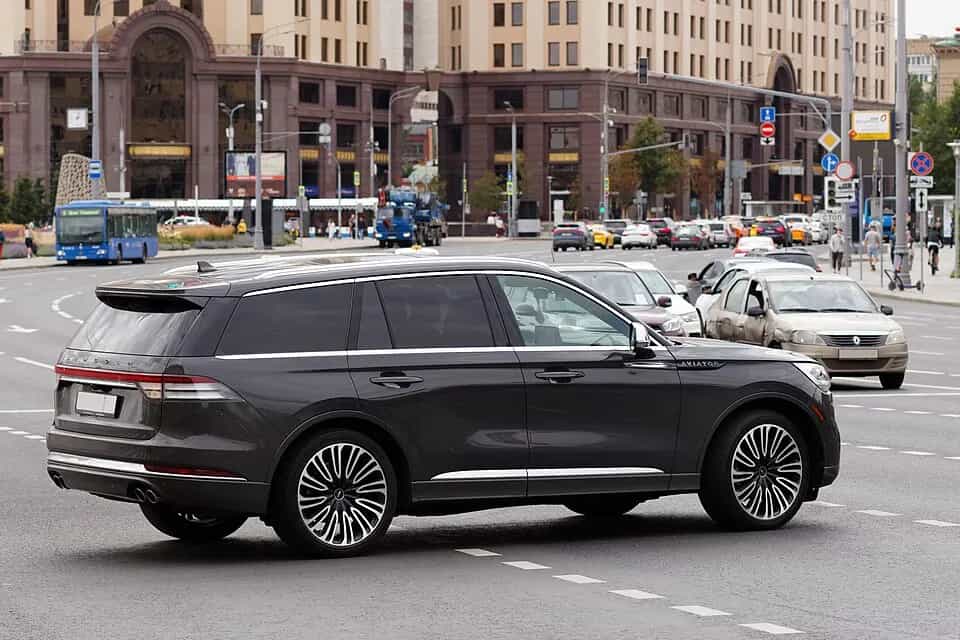
Lincoln Aviator – used car imported from the USA
Photo: Retired electrician · CC0 · Wikimedia Commons

Generations at a glance

The nameplate has history — the original Aviator (2002-2005) was a body-on-frame Explorer relative — but the car people import today is the second generation, launched for the 2020 model year and still in production. This is a clean-sheet design sharing its longitudinal, rear-drive architecture with the Ford Explorer of the same era. Lincoln facelifted it for the 2023 model year with a revised grille, new 13.2-inch central touchscreen running the newer infotainment software, and simplified trim structure. When you import a used Lincoln Aviator from the USA, you are almost always looking at a 2020 through 2024 car, so it pays to know whether you are getting the pre- or post-2023 dashboard and screen.

Powertrain lineup

Two powertrains dominate. The standard engine is Ford's 3.0-liter twin-turbo V6 (the "Aviator" gas model), rated at 400 hp and 415 lb-ft, driving through a 10-speed automatic. The plug-in variant, badged Aviator Grand Touring, pairs the same V6 with an electric motor for a combined 494 hp and 630 lb-ft, plus a usable all-electric range of roughly 33 km on the US EPA cycle. Both can be had with rear-wheel drive or all-wheel drive; European importers almost universally want the AWD cars. The 10-speed is the same transmission Ford uses across the F-150 and Explorer range, so parts and knowledge are widespread. Note the Grand Touring's battery is small by modern PHEV standards — it is a performance-and-refinement device more than an economy play.

Trims in the US market

The Aviator comes only as a five-door, three-row SUV; there is no coupe or long-wheelbase version. Trim walk in the US runs from Standard and Reserve up to the range-topping Black Label, with the Grand Touring PHEV available on the higher trims. Black Label cars bring themed interiors (Chalet, Flight, Manhattan), extended leather, and a concierge program that means little in Europe but signals a well-optioned car. Desirable options to look for include the 28-speaker Revel Ultima audio, air suspension with Adaptive Suspension and road-scanning, second-row captain's chairs, and the panoramic roof.

The used market stateside

Supply is healthy. The Aviator sold in reasonable volume as a fleet and retail luxury SUV, so American auctions and dealer inventory regularly list 2020-2022 examples with 40,000 to 120,000 km on the clock, many coming off lease in clean condition. Southern and western states yield the rust-free cars worth shipping; the Grand Touring PHEV is rarer and commands a premium in the US, so patience helps. Because it is a large, thirsty V6, high-mileage examples exist, and mileage on US SUVs tends to accumulate on highways rather than in stop-start traffic — generally kinder to the drivetrain.

Who should import one

This suits a buyer who wants a big, hushed, seven-seat family SUV with an interior that feels distinct from the usual German offerings, and who values the twin-turbo V6's effortless torque over outright badge prestige. It is not the choice for someone chasing low running costs or tight German parking; it is wide and heavy. If you want presence, comfort, and something your neighbours cannot buy at the local dealer, the Aviator is a compelling import a used Lincoln Aviator from the USA project.

Key specifications

ItemDetail (typical 2020-2024)
Body style5-door, 3-row luxury SUV (6-7 seats)
PlatformFord/Lincoln CD6, longitudinal RWD-based
Base engine3.0 L twin-turbo V6 (gas)
Base output400 hp / 415 lb-ft
PHEV (Grand Touring)3.0 TT V6 + e-motor, 494 hp / 630 lb-ft
EV range (PHEV, EPA)~33 km
Transmission10-speed automatic
DriveRWD or AWD
Length~5,057 mm
Width (excl. mirrors)~2,015 mm
Wheelbase~3,025 mm
Kerb weight~2,100-2,400 kg
Towing (AWD)up to ~2,500 kg
FuelPremium petrol (95+)
Seating7 (bench) or 6 (captain's chairs)

How reliable is it?

Early 2020 cars were the shakiest. Owners and NHTSA data point to first-year software and electronics gremlins: infotainment freezes, the 360-degree camera dropping out, and glitches with the phone-as-a-key system. Lincoln issued several software updates and a handful of recalls covering seatbelt anchors and, on some builds, wiring. The air suspension is a known long-term cost item — compressors and struts are not cheap, and a car that sits low on one corner needs inspection. The 3.0 twin-turbo V6 is generally robust but demands disciplined oil changes; check for cam-phaser rattle on cold start, a Ford-family trait. On the Grand Touring, confirm the high-voltage battery actually charges and holds range. Aviator reliability improved noticeably from the 2022 model year onward, so a later car is the safer import.

What US models do differently

US Aviators run amber-only rear turn signals or combined red units, headlights aimed for right-hand traffic, MPH-primary clusters, and no rear fog lamp — all items a German TUEV inspector will flag. US cars use the older AM/FM and SiriusXM tuning; the satellite radio simply goes dark here, which is cosmetic. Otherwise the mechanicals, safety structure, and Co-Pilot360 driver aids transfer directly. Premium petrol is required either way.

Seven steps to your import

The process runs: select a specific car and review its listing and photos; verify the VIN and confirm the build plant and history via Carfax or AutoCheck; place funds in escrow rather than wiring a stranger; arrange inland US transport to the export port and book ocean freight (roll-on/roll-off or container) to Bremerhaven; clear EU customs on arrival; present the car for TUEV inspection and individual approval (Einzelabnahme per Section 21 StVZO); then register it at your local Zulassungsstelle.

Customs, taxes and costs explained

In short: the 0% duty rate applies only with documented US origin (VIN/plant) – German import VAT of 19% is always due.

The Aviator is assembled at Ford's Chicago Assembly plant in Illinois, which usually supports US preferential origin. With provable US origin (the VIN and plant evidence), the EU import duty on a passenger car can be 0% under Regulations (EU) 2026/1455 and 2026/1461, applicable to used US-origin cars on direct transport since 1 July 2026 and running through 31 December 2029. This is never automatic or guaranteed — origin must be documented, and without it the standard 10% car duty applies. Separately and in every case, German import VAT (Einfuhrumsatzsteuer) of 19% is levied on the customs value plus duty and freight. We charge no margin on the vehicle; you pay the seller, the shipping, the duties and the VAT, plus our transparent brokerage fee.

German TÜV and registration

Expect to add a rear fog lamp, adjust or replace headlights for right-hand traffic, and confirm the rear turn-signal colour meets German rules. The speedometer must display km/h (most Aviators toggle units in the menu, which the inspector accepts). Odometer readings are converted and documented from miles. A COC is not available for US cars, so the Einzelabnahme replaces it, with emissions and CO2 values established during approval.

The buyer checklist

Decode the VIN and confirm the Chicago build plant for the origin claim. Pull a full Carfax or AutoCheck history for accidents, title branding and odometer consistency. Inspect underbody and suspension mounts for rust despite a southern-state origin. Confirm complete service records, especially oil-change intervals on the turbo V6. Verify title status is clean (not salvage, flood or rebuilt) unless knowingly buying a project. On a Grand Touring, test that the traction battery charges and delivers range. Check the air suspension holds the car level overnight.

Questions and answers

Can I import a used Lincoln Aviator to Germany?

Yes. It is a standard M1 passenger SUV and passes German registration via individual approval once the required lighting and instrumentation changes are made.

Will the Aviator qualify for 0% import duty?

Often, because it is US-built in Chicago — but only with documented US origin and direct transport under the 2026 regulations. Without proof, the normal 10% car duty applies. The 19% import VAT always applies.

Is the Aviator reliable?

Later cars (2022+) are solid; 2020 first-year examples had software and electronics teething issues. Air suspension and the turbo V6's oil discipline are the main long-term watch points.

Petrol or plug-in hybrid?

The gas 3.0 V6 is simpler and cheaper to buy; the Grand Touring PHEV adds power and short electric commutes but a small battery and more complexity.

How many seats does it have?

Six with second-row captain's chairs, or seven with the bench.

What fuel does it need?

Premium unleaded, 95 octane or higher, for both powertrains.

How long does the import take?

Typically several weeks from purchase to registration, driven mainly by ocean freight scheduling and the TUEV appointment.

Are parts available in Germany?

Wear and service parts are obtainable via US supply and specialist importers; the Ford-shared V6 and 10-speed help.

Ready to start? Browse Lincoln in the Carhub, compare it with the Lincoln Nautilus and the compact Lincoln Corsair, or view current Aviator listings.