Jaguar XJ

Importing a used Jaguar XJ from the USA

The Jaguar XJ is one of the last genuinely characterful full-size luxury saloons — an aluminium-bodied car that trades the upright formality of German rivals for a low, coupe-like roofline and a driver-focused chassis. Americans bought them steadily, often in long-wheelbase form, which makes the US a sensible hunting ground if you want to import a used Jaguar XJ from the USA. A point to settle first: the XJ was built at Castle Bromwich in the United Kingdom, so its documented origin is European. That shapes the customs treatment set out below. USCar Trader acts strictly as an independent broker — sourcing, verification and logistics — with no dealer role and no margin on the car.

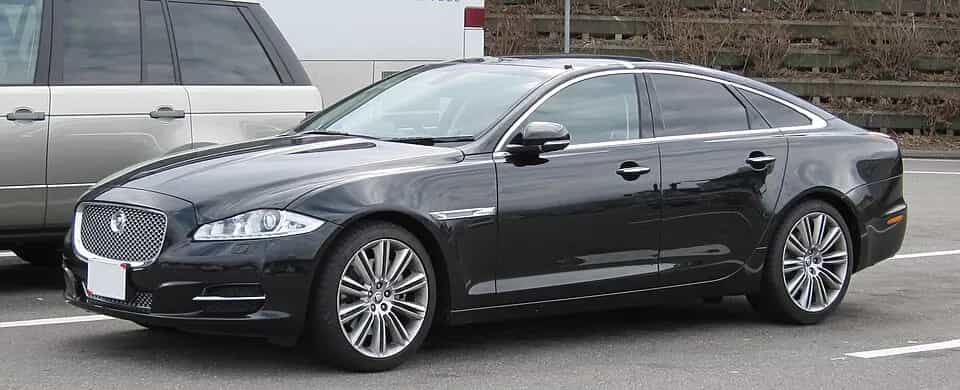
Jaguar xj – used car imported from the USA
Photo: TTTNIS · Public domain · Wikimedia Commons

Generations at a glance

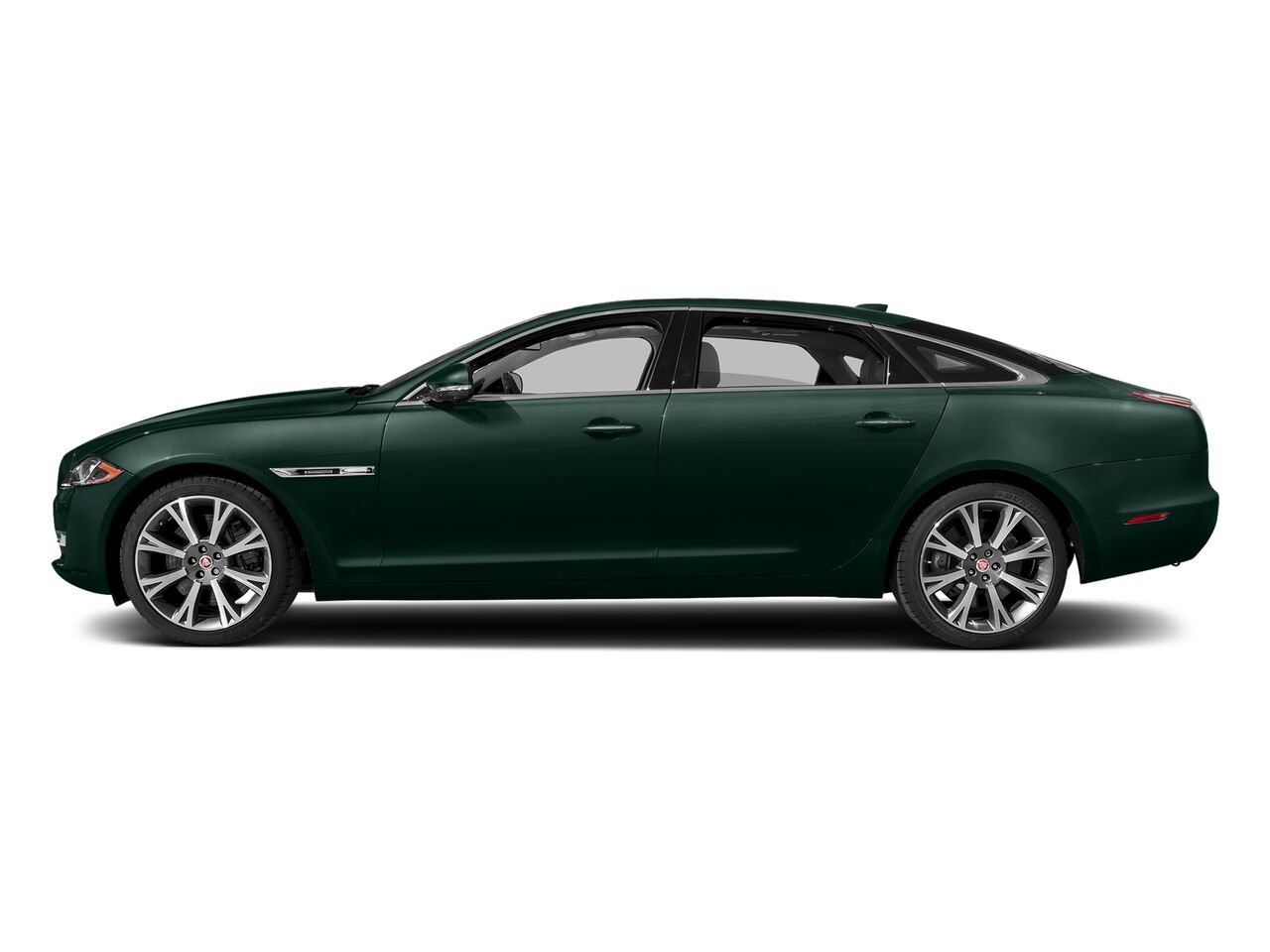
Two aluminium-monocoque generations reached the US. The X350/X358 (roughly 2004–2009) was the first all-aluminium XJ, conservatively styled but light and agile for its size. The X351 (US 2011–2019) was Ian Callum's dramatic reinvention: a fastback silhouette, a full-width dash and a genuinely modern cabin, offered in standard and long-wheelbase (XJL) form. It is the X351 that most import buyers target, both for its looks and its wide engine choice.

Powertrain lineup

The X350 offered a 4.2-litre V8 (around 300 hp) and a supercharged 4.2 in the XJR (about 400 hp). The X351 moved to a 3.0-litre supercharged V6 (roughly 340–380 hp), a naturally aspirated 5.0-litre V8 (around 385 hp) and the supercharged 5.0 in the XJ Supercharged and XJR / XJR575 (approximately 470–575 hp). All X351s use the ZF eight-speed automatic. Drive is rear-wheel drive, with all-wheel drive added from 2013 on the 3.0 V6 for buyers in colder US states — a useful spec to seek out for German winters.

Trims in the US market

The XJ is a four-door saloon in standard or long wheelbase. US trim ladders ran through XJ, XJL Portfolio, Supercharged, Supersport and the XJR / XJR575 performance models, with the earlier X350 topped by Vanden Plas and Super V8. Long-wheelbase cars add substantial rear legroom and were popular as owner-driven and chauffeured cars alike, so back-seat comfort is a real selling point.

The used market stateside

American XJs tend to be well-equipped, garage-kept luxury cars, and the supercharged V6 is the most common later engine, with V8s spread across the range. Mileage varies from very low on cherished examples to high on former executive cars. Focus your inspection on the electronics, air suspension and service history rather than bodywork, since the aluminium structure resists corrosion. No prices are quoted here; supply and condition differ car to car.

Who should import one

A used XJ suits a buyer who wants presence and driving feel over badge conformity — someone happy to run a sophisticated aluminium luxury car and to budget for specialist maintenance. Long-wheelbase V6 all-wheel-drive cars make the most sensible everyday imports; the supercharged V8s appeal to enthusiasts chasing performance and rarity.

Key specifications

Reference modelJaguar XJ X351 3.0 V6 Supercharged
Body styles4-door saloon, standard & long wheelbase (XJL)
Generations (US)X350/X358 (2004–2009); X351 (2011–2019)
Engine3.0 L supercharged V6 (petrol)
Powerapprox. 340–380 hp
Other engines5.0 V8 NA ~385 hp; 5.0 V8 SC ~470–575 hp
TransmissionZF 8-speed automatic
Drive layoutrear-wheel drive; AWD (3.0 V6, from 2013)
Body constructionriveted/bonded aluminium monocoque
Length (SWB)approx. 5127 mm
Length (LWB)approx. 5247 mm
Widthapprox. 1899 mm
Heightapprox. 1456 mm
Wheelbase (SWB)approx. 3032 mm
Seats4–5
Suspensionair suspension (all round)

How reliable is it?

The XJ is rewarding but demands informed ownership. The air suspension is the headline item: compressors and struts wear and are a common repair, so check that the car sits level and rises correctly. On the AJ133 5.0-litre V8, early cars (roughly 2010–2012) are associated with timing-chain tensioner wear, so verify service records and listen for start-up rattle. The supercharged V6 has its own maintenance points around the coolant crossover pipe and water pump. Across the range, budget for the infotainment system, occasional electrical gremlins and battery drain on cars that sit. The aluminium body resists rust well, but any accident repair must be done by a specialist with the right equipment — inspect for poor previous work. Serviced by someone who knows the platform, an XJ is dependable; neglected, it can be costly.

What US models do differently

US XJs were petrol only, whereas Europe offered a 3.0-litre V6 diesel that most import buyers will never see from America. US cars carry a miles-per-hour cluster, headlamps aimed for right-hand traffic and US side-marker lamps. Equipment packaging and some driver-assist features also differ by market, so compare the specific car against European expectations before committing.

Seven steps to your import

The route is consistent: shortlist and inspect; confirm the VIN, plant and documented origin; secure funds via escrow; book ocean freight to a European port; clear customs on arrival; complete the TÜV inspection and individual approval for a US-spec car; then register locally. USCar Trader manages each stage on your behalf as broker.

Customs, taxes and costs explained

Key point: duty depends on the plant of build; only a VIN check secures the 0% rate. Import VAT of 19% applies regardless.

Because the XJ is built in the United Kingdom, its documented origin is European, so the 0% preferential rate for goods of proven US origin under Regulations (EU) 2026/1455 and (EU) 2026/1461 does not normally apply — that rate depends on a verifiable US plant identified through the VIN. Plan for the standard passenger-car customs duty on the customs value unless a separate relief is established. In every case, the 19% German import VAT (Einfuhrumsatzsteuer) applies on top, calculated on value plus duty and freight. There is no duty-free guarantee; treatment follows the documentation.

German TÜV and registration

Approval work typically covers converting the headlamps to a European beam pattern, ensuring a rear fog lamp, switching the instrument display to km/h, confirming the odometer, and checking tyre markings and any lighting differences. Once the TÜV report and individual approval are issued, the XJ can be registered.

The buyer checklist

  • Decode the VIN and confirm plant and documented origin.
  • Obtain a Carfax or AutoCheck report for accidents, title and odometer history.
  • Confirm the air suspension holds pressure and the car self-levels.
  • On 5.0 V8 cars, check for timing-chain service and cold-start rattle.
  • Review full service history, especially coolant and supercharger maintenance.
  • Inspect for signs of prior aluminium repair or panel replacement.
  • Verify a clean, transferable title before releasing funds.

Questions and answers

Which XJ generation is best to import?

The X351 (2011–2019) is the usual target for its styling and engine range; the 3.0 V6 supercharged, ideally with AWD, is the most practical everyday choice.

Does a US-built badge mean 0% duty?

The XJ is built in the UK, so it does not qualify for the US-origin 0% rate. Origin is confirmed by the VIN and plant during clearance.

Is the 19% import VAT always due?

Yes. German import VAT of 19% applies to every import, calculated on the vehicle value plus duty and freight.

What are the main reliability concerns?

Air suspension, early 5.0 V8 timing-chain wear, the V6's coolant components and infotainment quirks are the recurring items to check.

Can I get an all-wheel-drive XJ from the USA?

Yes. From 2013 the 3.0 V6 was offered with AWD in the US, which is worth seeking for German winter use.

How long does importing take?

Freight, clearance, TÜV and registration usually span several weeks once the car is secured, subject to shipping and inspection schedules.

Are parts and service available in Germany?

Yes, through Jaguar specialists and the dealer network; budget for specialist labour given the aluminium body and air suspension.

Is the long-wheelbase XJL harder to import?

No — it follows the same process; it simply offers more rear space and is common in the US market.

Take the next step: explore Jaguar in the Carhub, compare related models such as the Jaguar XF, the Jaguar XE or the Jaguar F-TYPE, or view current XJ listings available to import.