From launch to today
The F-TYPE (internal code X152) arrived in 2013 as a two-seat convertible, with the coupe following in 2014. It rode on a shortened aluminium architecture and was offered in a broad range of outputs from the outset.
 0049 (0)89 2000 791 00
 Mo - Fr 8:00am - 8:00pm
USCar Trader import service
Choose a specific vehicle. Where data is available, its detail page shows the import cost calculation. We assess any possible duty benefit with you before purchase.
Important: A 0% EU import-duty rate may be available for a vehicle covered by Regulation (EU) 2026/1455 that has US origin and is imported directly into the EU. CETA may apply to a vehicle with preferential Canadian origin. Whether the requirements are met is assessed for the individual case. Please contact us before purchase; we review the possible duty benefit and provide non-binding support through the process. Import VAT and other costs are assessed separately.
CarHub · Jaguar
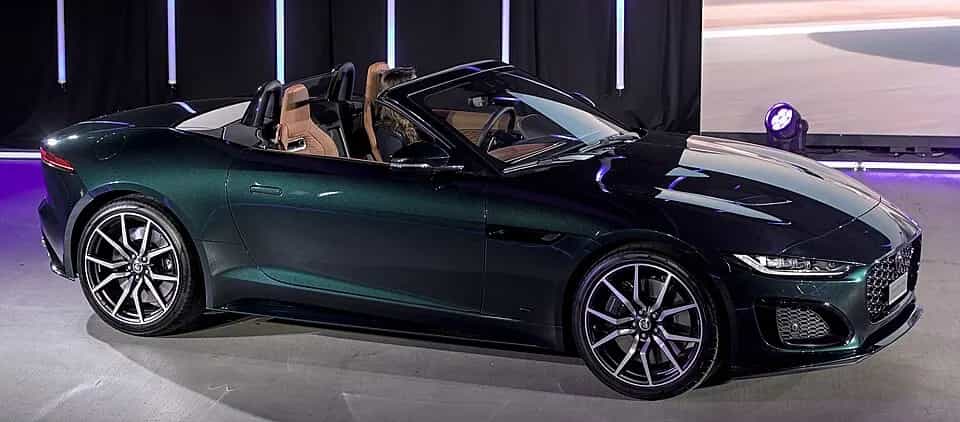
The Jaguar F-TYPE is the car that reconnected Jaguar with its sports-car heritage, and the USA was one of its most important markets throughout its life.

Price:88,157.00 USD
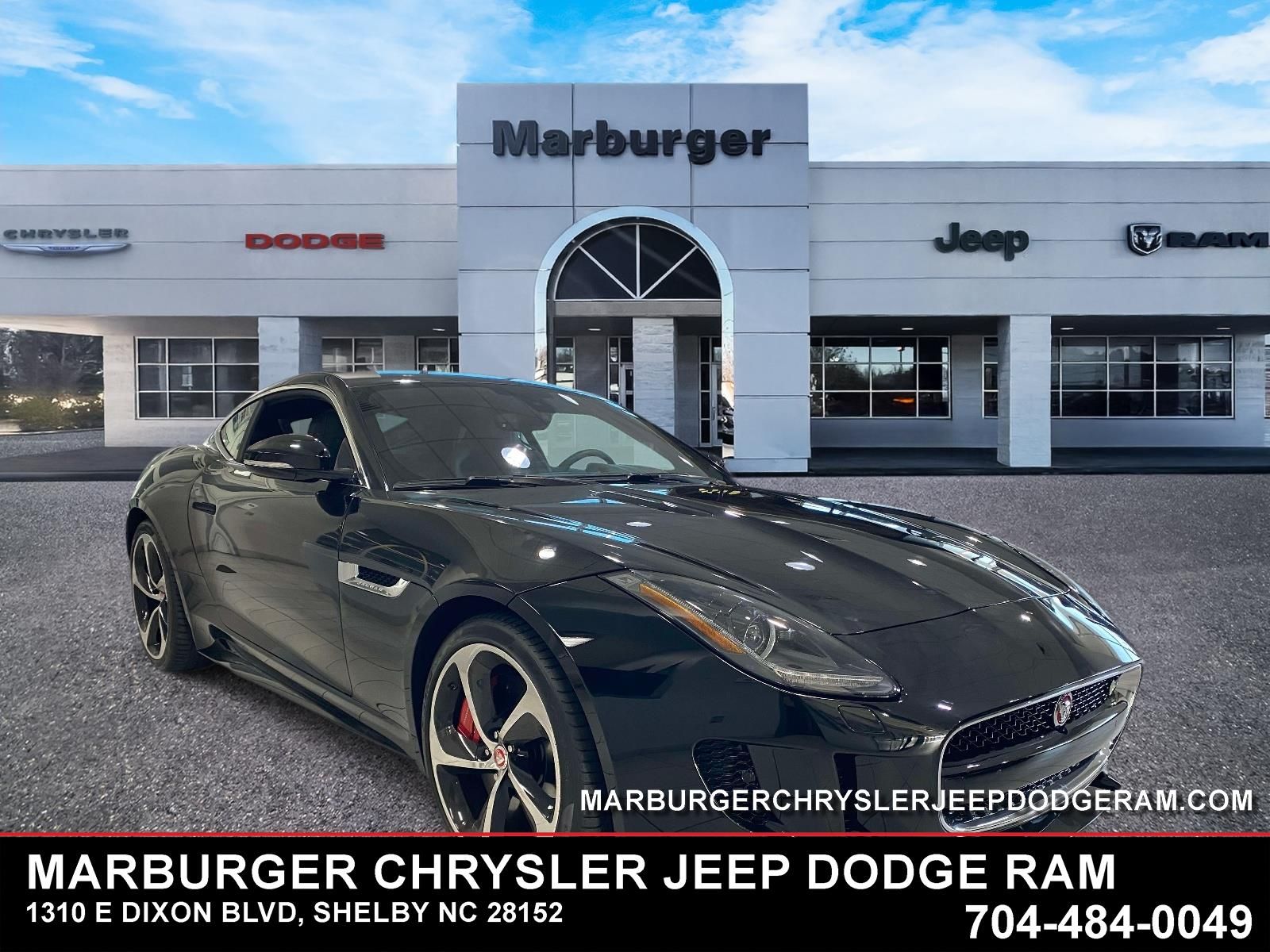
Price:56,887.00 USD
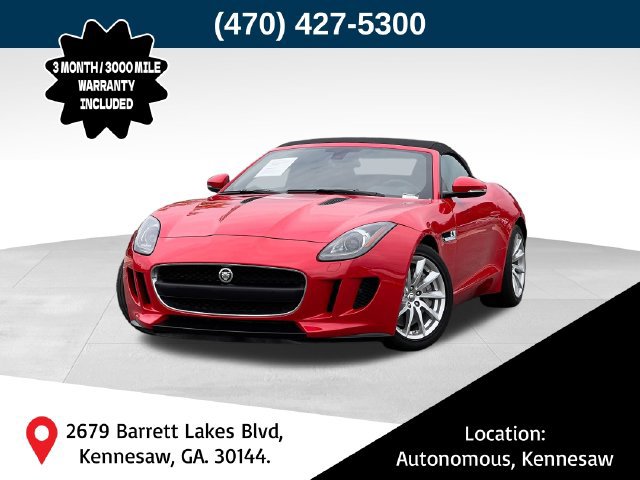
Price:26,500.00 USD
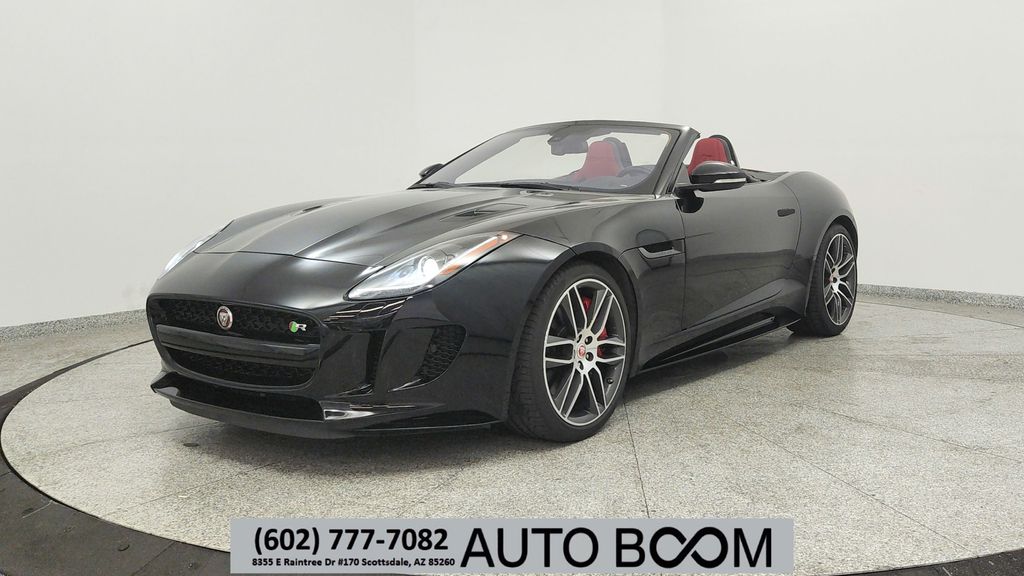
Price:49,599.00 USD
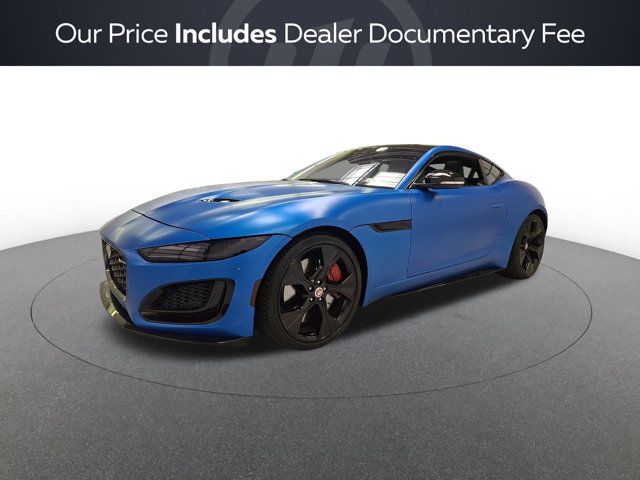
Price:57,790.00 USD
Model profile
The F-TYPE (internal code X152) arrived in 2013 as a two-seat convertible, with the coupe following in 2014. It rode on a shortened aluminium architecture and was offered in a broad range of outputs from the outset.
Powertrain and equipment
The pre-facelift range centred on a 3.0-litre supercharged V6 in roughly 340 hp and 380 hp tunes, and a 5.0-litre supercharged V8 that produced around 495 hp in S guise, 550 hp in the F-TYPE R and up to 575 hp in the SVR.
The F-TYPE is a strict two-seater available as a coupe or a fabric-roof convertible. The walk runs from the four-cylinder and V6 base cars up through S, R-Dynamic, the F-TYPE R and the flagship SVR.
Vehicle selection
American supply spans the full 2014–2024 range, with 2014–2017 supercharged V6 cars especially plentiful and the V8 R and SVR available for those wanting maximum performance.
The F-TYPE suits a driver who wants a charismatic, V8-capable British sports car with a distinctive exhaust note and real style.
Vehicle data
| Body styles | 2-seat coupe, 2-seat convertible |
|---|---|
| Length | approx. 4470 mm |
| Kerb weight | approx. 1520–1720 kg |
| Seats | 2 |
| Layout | Front engine, RWD or AWD |
|---|---|
| Four-cylinder | 2.0 L turbo, approx. 300 hp |
| V6 | 3.0 L supercharged, approx. 340–380 hp |
| V8 | 5.0 L supercharged, approx. 495–575 hp |
| Transmission | 8-speed ZF auto; 6-speed manual (V6, 2016–2018) |
| Fuel | Premium unleaded |
| Model / code | Jaguar F-TYPE (X152) |
|---|---|
| Production | 2013–2024 (facelift 2021) |
| 0–100 km/h (R) | approx. 4.0 s |
| Top speed (SVR) | approx. 322 km/h |
| Construction | Aluminium architecture |
| Brakes (R/SVR) | Optional carbon-ceramic |
Values are reproduced verbatim from the existing article table. The documents for the specific vehicle govern.
Pre-purchase review
Jaguar F-TYPE reliability is generally sound, but there are specific items to watch. On the 5.0 supercharged V8 (the AJ133), timing-chain tensioners and guides are the key long-term concern; chain wear that goes unaddressed can be expensive, so documented attention on higher-mileage V8s is valuable. Water pumps and the supercharger's intercooler coolant circuit are maintenance points across the supercharged engines.
Germany and Europe
US-market F-TYPEs carry amber side markers, US headlight beam patterns and mph instruments, with US emissions calibration and OBD.
The assessment depends on the specific vehicle and the circumstances of the transaction. Please contact USCar Trader before purchase; we review any possible duty benefit and provide non-binding support. Import VAT and other costs are considered separately.
Approval work is typically lighting-related: European headlamps or corrected beam, a rear fog lamp, and side-marker handling, plus documentation of the mph instruments.
USCar Trader services
As a buyer based in Germany, you do not have to inspect the vehicle yourself in the United States or Canada. Within the agreed scope, USCar Trader can coordinate document review, a separately commissioned on-site inspection and purchase processing.
Covered inspection points are agreed in advance. An on-site inspection records condition at the appointment and is not a guarantee.
Next step: Before commissioning, USCar Trader and the customer agree which document, history, inspection and transaction checks suit the vehicle and are included in the service. This records what was actually checked.
Import process
The import process for a Jaguar F-TYPE is planned around the specific listing, location, documents and commissioned service scope.
Questions and answers
Yes. As an independent broker we source used F-TYPEs across the US market, including coupes, convertibles and the rare manual V6, and handle the full import.
No, not automatically. A 0% EU import-duty rate may be available for a vehicle covered by Regulation (EU) 2026/1455 that has US origin and is imported directly into the EU. CETA may apply to a vehicle with preferential Canadian origin. Whether the requirements are met is assessed for the individual case. Please contact USCar Trader before purchase; we review the possible duty benefit and provide non-binding support. Import VAT and other costs are assessed separately.
Import VAT and other taxes or costs are assessed separately under the applicable rules and the circumstances of the individual case. A blanket answer for every vehicle would not be reliable.
The 2.0 four-cylinder is the least demanding; the V6 and V8 are robust but the supercharged V8 needs documented timing-chain and coolant maintenance.
Yes. Jaguar offered a six-speed manual on rear-drive V6 cars around 2016–2018, and these can be sourced from the US market.
Timing-chain wear on the 5.0 V8, water-pump and supercharger-coolant items, occasional electronics quirks and rapid rear-tyre wear on powerful cars.
Ocean freight and clearance usually span several weeks, with TÜV and registration following once the car arrives and is inspected.
Yes, but sun-belt convertibles should be checked for top and interior wear. We inspect the roof, seals and mechanism before purchase.
More vehicles