Jaguar XF

Importing a used Jaguar XF from the USA

The Jaguar XF is the executive saloon that pulled Jaguar out of its wood-and-leather comfort zone and put it back in the fight with the BMW 5 Series, Mercedes E-Class and Audi A6. America bought the XF in large numbers and in configurations that were rare or short-lived in Europe, which is exactly why the US used market is such a rewarding place to shop. If you want to import a used Jaguar XF from the USA, you will find well-equipped supercharged cars, low-mileage lease returns and the occasional hot XFR at prices that reflect a very different market. USCar Trader handles that import as an independent broker, and this guide explains what a US-sourced XF means for engines, condition, customs and German registration.

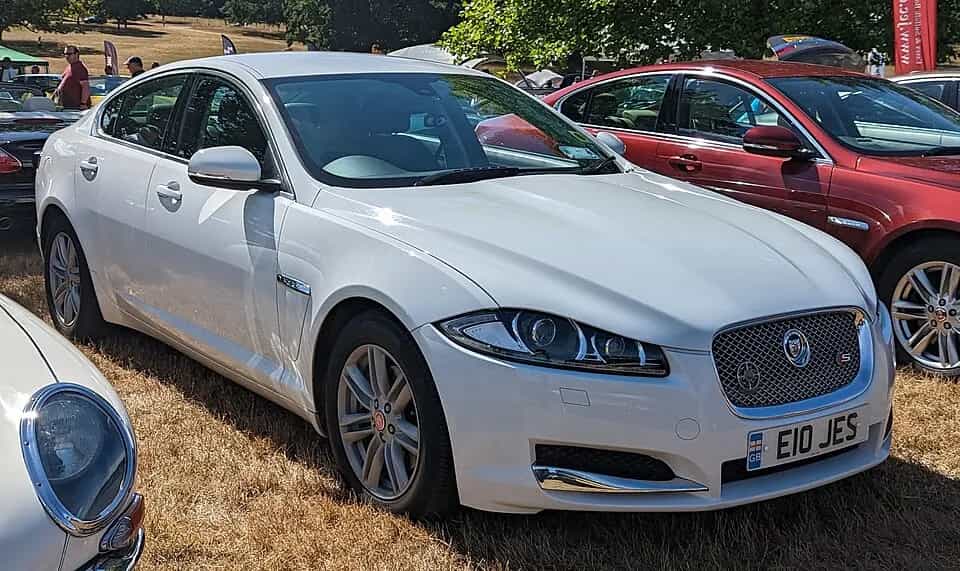
Jaguar xf – used car imported from the USA
Photo: Calreyn88 · CC BY-SA 4.0 · Wikimedia Commons

From launch to today

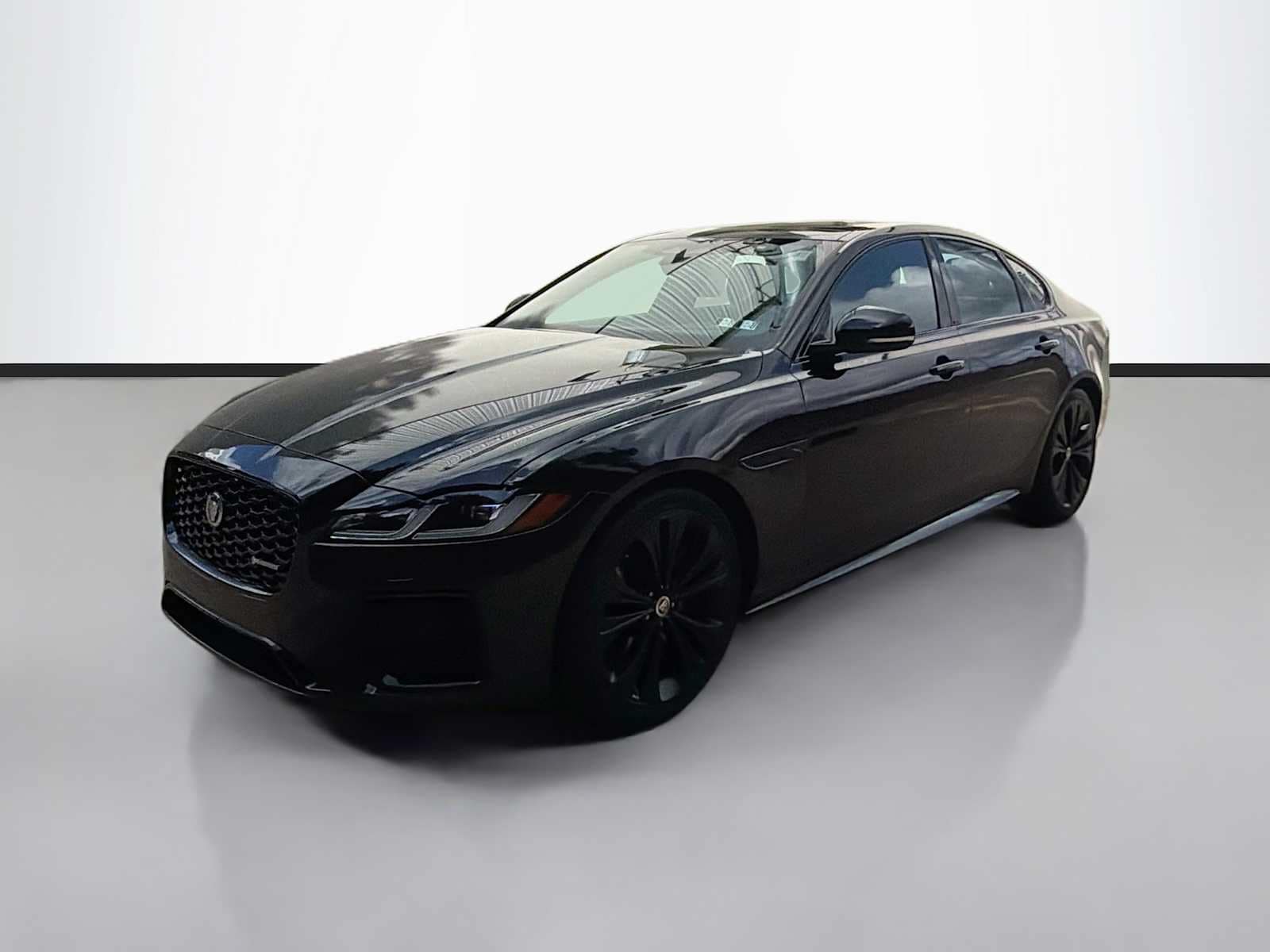
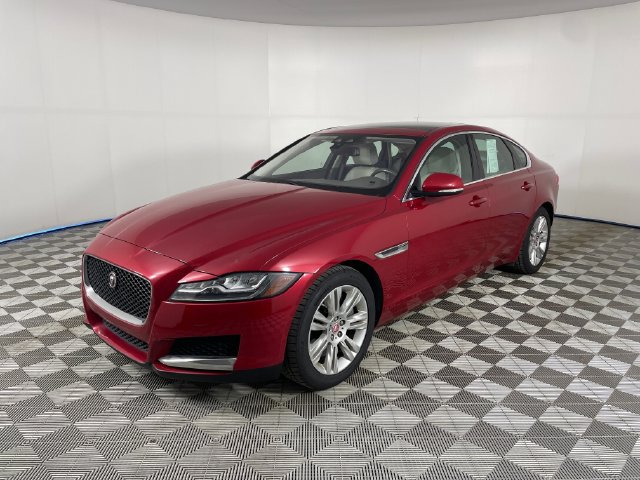
The first-generation XF (internal code X250) arrived for the 2009 model year and ran through 2015, with a significant 2012 facelift that brought slimmer headlights and Jaguar's now-familiar face. It rode on a steel platform derived from the older S-Type but felt thoroughly modern inside, with the rotary gear selector that rises out of the console on start-up. The second-generation XF (X260) launched for 2016 and switched to Jaguar's aluminium-intensive iQ[Al] architecture, shedding weight and gaining a longer wheelbase and more rear legroom. A mild facelift for the 2021 model year updated the interior with the Pivi Pro infotainment system and a curved-glass display. Alongside the saloon, the estate — badged XF Sportbrake — reached the US in limited numbers, so a US-import Sportbrake is a genuinely uncommon find.

Engines and drivetrain in detail

The US line-up leaned heavily on petrol. Early X250 cars offered a 5.0-litre naturally aspirated V8 (around 385 hp) and, in XFR and later XFR-S guise, a supercharged 5.0 V8 making 510 and 550 hp respectively. From 2013 Jaguar added a 2.0-litre turbocharged four and a 3.0-litre supercharged V6 (340 or 380 hp) that carried into the X260. The second generation standardised on the 2.0 turbo four (roughly 247 hp), the 3.0 supercharged V6, and briefly a 2.0-litre diesel (the 20d) that is scarce in the States. Nearly all US XF models use the ZF 8-speed automatic — a robust, smooth unit — paired with rear-wheel drive or optional all-wheel drive, the latter popular in snow-belt states.

Trim levels and variants

US trims evolved from Premium, Prestige and Portfolio to R-Sport, S and the range-topping performance R models. Expect leather, heated and cooled seats, Meridian audio, panoramic roofs and adaptive suspension on higher grades. The core body is the four-door saloon; the Sportbrake estate is the collector's pick for anyone who wants space with the XF's low, wide stance.

Used availability in the USA

America's XF stock is deep and varied. Typical import candidates are 2013–2020 cars with 40,000 to 100,000 miles (roughly 65,000–160,000 km), many coming off single-owner leases in dry southern and western states where corrosion is minimal. Supercharged V6 S models and the earlier XFR are the sweet spot for buyers who want the performance and equipment that were expensive extras in Europe. Because Jaguar depreciation is steep in the US, condition-per-mile tends to be strong for the money.

When importing makes sense

A US-import XF suits the driver who wants a comfortable, fast, rear-drive executive saloon with real presence and does not mind that it is a Jaguar rather than the default German choice. It rewards buyers who value a specific engine — the supercharged V6 or a V8 — that is hard to find locally, and who are comfortable budgeting for premium-brand maintenance. If you want a bargain runabout, look elsewhere; if you want character and pace, the XF delivers.

Facts and figures

AttributeDetail (reference: X260, 2016+)
Vehicle classExecutive saloon (mid-size luxury sedan)
GenerationsX250 (2009–2015), X260 (2016–present)
Body styles4-door saloon; Sportbrake estate
Lengthapprox. 4,954 mm
Width (excl. mirrors)approx. 1,880 mm
Heightapprox. 1,457 mm
Wheelbaseapprox. 2,960 mm
Kerb weightapprox. 1,595–1,825 kg
Petrol engines (US)2.0 turbo I4; 3.0 supercharged V6; 5.0 (SC) V8 (X250)
Power rangeapprox. 240–550 hp
TransmissionZF 8-speed automatic (6-speed on early X250)
DrivetrainRear-wheel drive or all-wheel drive
0–100 km/happrox. 4.3–6.5 s depending on engine
Boot capacityapprox. 540 l (saloon)
Assembly plantCastle Bromwich, United Kingdom

Reliability and common problems

Jaguar XF reliability is respectable but demands attention to a few known weak points. The supercharged 3.0 V6 and 5.0 V8 share a design in which the timing chain tensioners and guides can wear, so a rattle on cold start is a red flag worth investigating before purchase. The supercharger's nose-cone coupler and the plastic coolant crossover pipe on V8s are recognised failure items. Across the range, watch for water-pump seepage, direct-injection carbon build-up, occasional electric water-pump failure on the four-cylinder, and infotainment glitches on early InControl systems (Pivi Pro is far better). The ZF 8-speed gearbox is durable but benefits from a fluid service around 100,000 km despite Jaguar's optimistic intervals. Battery drain from parasitic loads is common on cars that sit; a healthy battery and clean fault memory are good signs.

How US versions differ

US-market XF models are overwhelmingly petrol, so diesel is rare compared with Europe. American cars use amber side-marker lamps, an mph-primary instrument cluster and headlights aimed for US traffic. Some driver-assist and lighting functions are calibrated differently. None of this prevents registration in Germany, but it does define the small list of conversions needed for approval.

From US purchase to registration

The process runs: shortlist a specific car and verify it with photos and history; confirm the VIN and build plant to establish the correct customs origin; place funds in escrow so the seller is paid only against clean documents; arrange inland transport and roll-on/roll-off or container ocean freight to Bremerhaven or Rotterdam; clear customs on arrival; present the car for TÜV and, where needed, individual approval (Einzelabnahme under §21 StVZO); and finally register it at your local authority.

Costs, duty and taxes at a glance

In short: the 0% duty rate applies only with documented US origin (VIN/plant) – German import VAT of 19% is always due.

The Jaguar XF is built in the United Kingdom, so it is not automatically a US-origin vehicle. The applicable customs duty rate depends on the car's actual country of manufacture, which we confirm from the VIN and plant code. Where a US build is documented, the 0% preferential rate under Regulations (EU) 2026/1455 and 2026/1461 can apply (direct transport, valid until 31 December 2029); otherwise the standard third-country passenger-car rate applies. Separately and in every case, the 19% German import VAT (Einfuhrumsatzsteuer) is charged on the customs value. We never promise a duty-free import and we never build a hidden margin into the car.

TÜV, approval and license plates

Typical work for German approval includes fitting or activating a rear fog lamp, adjusting or replacing headlights to European specification, confirming the speedometer reads in km/h, and documenting emissions compliance. The odometer must be converted or clearly recorded in kilometres. Once TÜV issues the report, registration follows in the usual way.

Pre-purchase checklist

1) Decode the VIN and confirm the exact engine, plant and specification. 2) Pull a Carfax or AutoCheck history for accidents, title branding and odometer consistency. 3) Inspect the underbody for rust, especially on cars from northern states. 4) Verify supercharger and timing-chain health with a cold-start listen and, ideally, a specialist inspection. 5) Check service records for fluid changes on the ZF gearbox. 6) Confirm the title is clean (not salvage or rebuilt) unless deliberately buying a project. 7) Test all electronics, cooling and air-conditioning.

Import FAQ

Is the Jaguar XF a reliable used import?

It is reasonably reliable for a premium car if you buy on history and address the known timing-chain and coolant items. Neglected examples can be expensive, so a documented service record matters more than a low price.

Which XF engine is best to import from the USA?

The 3.0-litre supercharged V6 offers the best blend of performance and everyday usability, while the earlier XFR V8 appeals to enthusiasts who want the drama and can budget for it.

Does a US Jaguar XF qualify for 0% import duty?

Only if the VIN shows a US build plant. Most XF models are UK-built, so we check each car individually; the 19% import VAT applies regardless.

How many miles is too many on a used XF?

With full history, 100,000–150,000 km is normal and manageable. The concern is not the number but whether services and known repairs were done on time.

Can I import a Jaguar XF Sportbrake from the USA?

Yes, though US Sportbrakes are uncommon, so expect a longer search and a slightly higher price than the saloon.

How long does the import take?

From purchase to German registration, roughly eight to twelve weeks depending on shipping schedules and TÜV scheduling.

What does TÜV usually require?

Rear fog lamp, headlight adjustment, a km/h speedometer and emissions documentation are the common items; the car itself rarely needs mechanical changes.

Explore more options via Jaguar in the Carhub, compare related models such as the Jaguar F-Pace, the compact Jaguar XE and the Jaguar F-TYPE, or browse current XF listings.