Infiniti Q50

Importing a used Infiniti Q50 from the USA

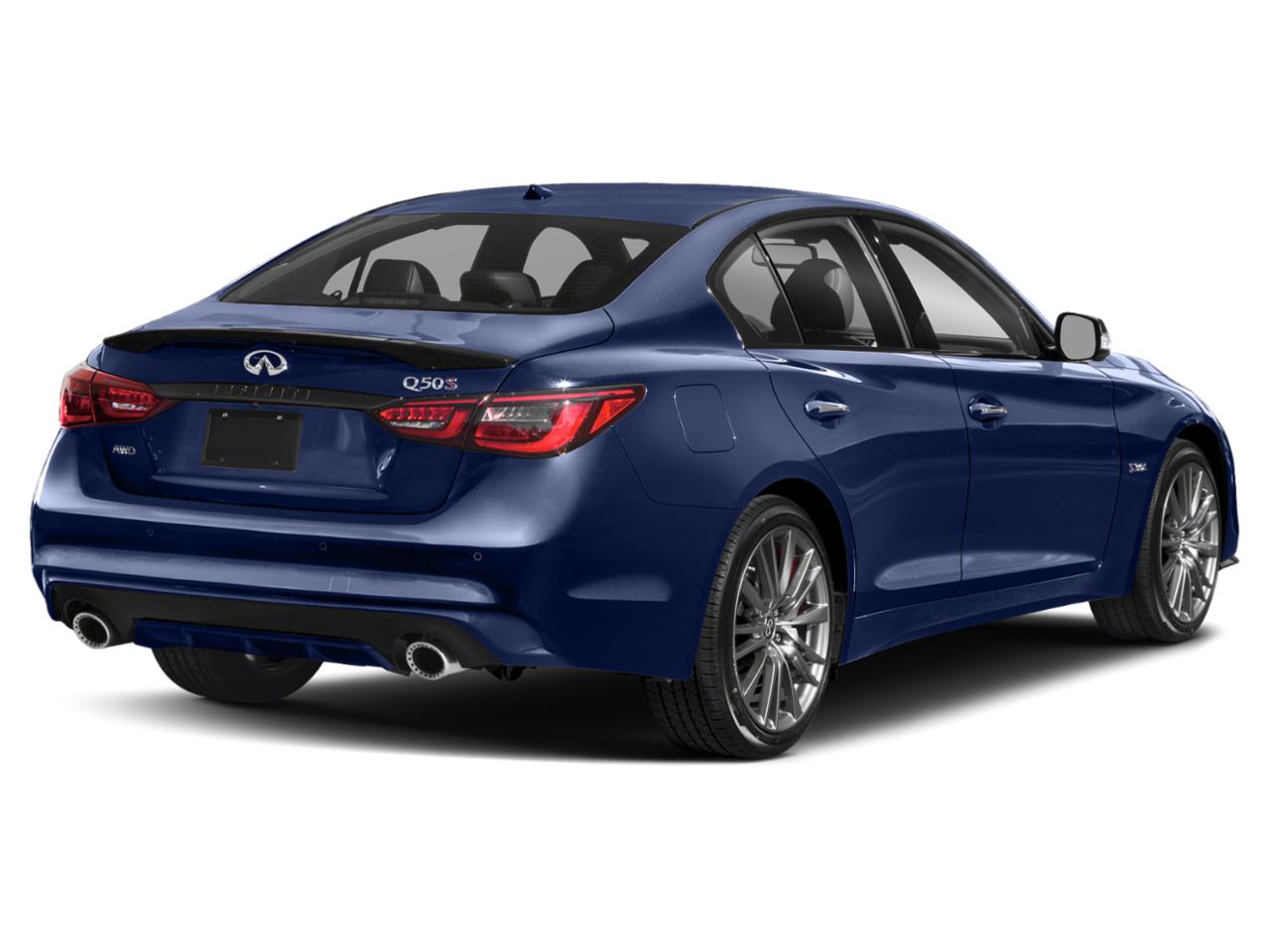
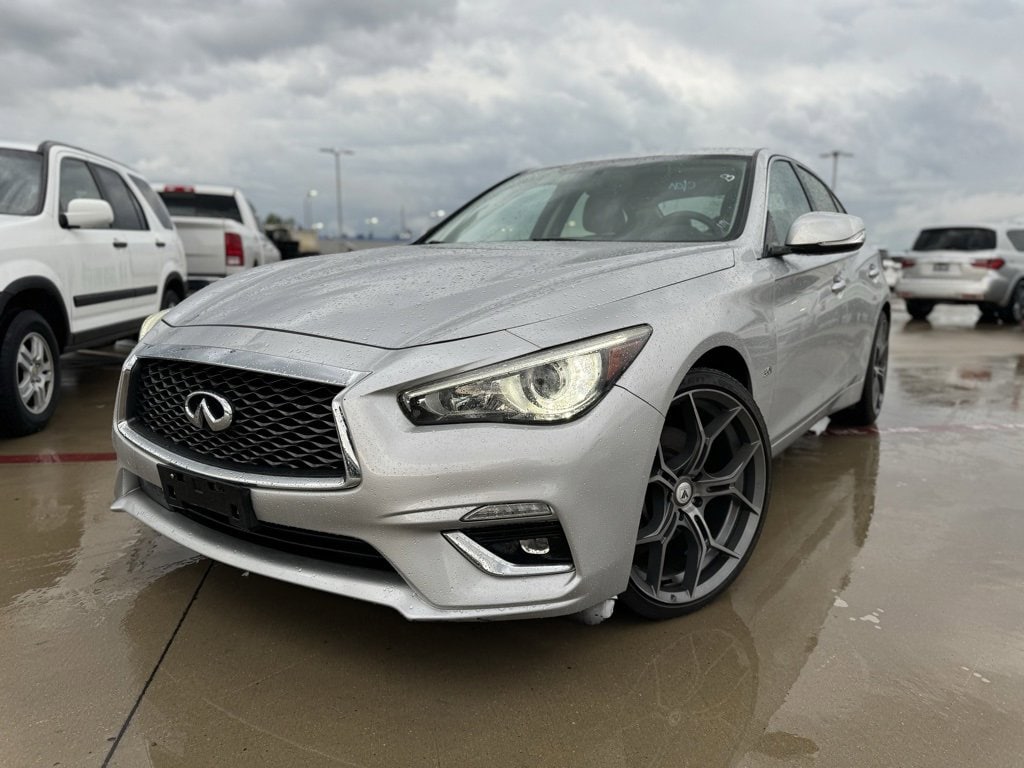
The Infiniti Q50 is a compact executive sedan that offers something genuinely different in a class dominated by German badges. Infiniti — Nissan's premium brand — pulled out of most of Europe years ago, so a Q50 on German plates stands apart from the usual crowd, and its twin-turbo V6 versions bring real muscle. For buyers who want a rear-drive or all-wheel-drive sedan with strong engines, generous standard equipment and rarity value, importing a used Q50 from the USA is a compelling option. The origin point is important and we address it honestly: the Q50 is built in Japan, which shapes how customs is handled.

Infiniti Q50 – used car imported from the USA
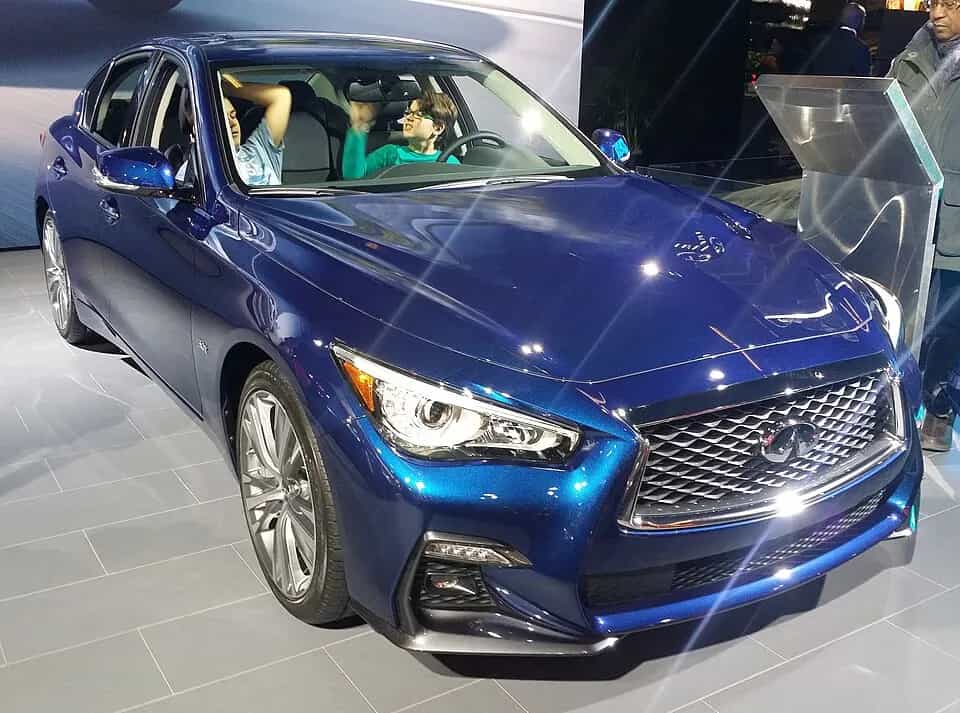
Photo: Bull-Doser · Public domain · Wikimedia Commons

Model history: years and generations

The Q50 (chassis V37) launched for the 2014 model year, replacing the well-loved G37 sedan and adopting Infiniti's new Q naming. Early cars offered a naturally aspirated 3.7-litre V6 and a hybrid, plus a 2.0-litre turbo four sourced from Mercedes. From the 2016 model year Infiniti introduced its own 3.0-litre twin-turbo VR30 V6 in two states of tune, including the range-topping Red Sport 400. The Q50 has run a long production life with periodic equipment updates, so the used market spans a decade of cars from bargain early examples to well-equipped later ones.

Engines, transmissions and drive

The headline engines are the VR30DDTT 3.0-litre twin-turbo V6, offered at around 300 hp (3.0t) and around 400 hp in the Red Sport 400 — a serious output for the class. Early cars used the VQ37VHR 3.7-litre V6 (around 328 hp), a smooth, high-revving unit carried over in spirit from the G37. A 2.0-litre turbo four (Mercedes-derived, around 208 hp) covered the entry point, and the Q50 Hybrid paired a 3.5-litre V6 with an electric motor. All use a 7-speed automatic, with rear-wheel drive standard and intelligent all-wheel drive optional across most engines.

Equipment lines and body styles

The Q50 is a four-door sedan only; the two-door version was sold separately as the Q60. US trims evolved through Pure, Luxe, Sport and Red Sport 400 designations, with the Sensory and ProAssist/ProActive packages adding technology on later cars. Red Sport 400 examples, with their higher-output V6, upgraded brakes and sportier setup, are the most sought-after imports.

The US used market

Supply is strong. The Q50 sold well across a long run, so used cars are readily available from roughly 2014 onward, spanning a wide range of mileages and equipment. The 3.0t and Red Sport 400 make up much of the enthusiast interest, while 2.0t and earlier 3.7 cars offer value. Condition is generally good, but as with any car with a performance following, verify history and confirm the twin-turbo cars have been maintained properly.

Is an import right for you?

The Q50 suits the buyer who wants a distinctive, well-equipped sport sedan that almost nobody else in Germany will have — particularly the Red Sport 400, which delivers big power for the money. It rewards someone comfortable sourcing parts through Nissan channels, given Infiniti's absence from the European market. If you want rarity, strong engines and rear- or all-wheel-drive character, the Q50 is well worth importing.

Specs at a glance

AttributeDetail
Build years2014–present (V37)
Body style4-door sedan
Assembly plantTochigi, Japan
Petrol engines2.0 turbo I4, 3.7 V6, 3.0 twin-turbo V6, 3.5 V6 hybrid
Power rangeapprox. 208–400 hp
Torque (Red Sport)approx. 475 Nm
Transmission7-speed automatic
DrivetrainRear-wheel drive or intelligent AWD
Lengthapprox. 4800 mm
Widthapprox. 1824 mm
Wheelbaseapprox. 2850 mm
Kerb weightapprox. 1680–1820 kg
Fuel tankapprox. 76 litres
Boot capacityapprox. 400 litres
Fuel typePetrol (premium recommended)

Common issues buyers should know

The Q50's mechanical story depends on the engine. The older VQ37 3.7 V6 is a proven, robust unit with a long track record, though it likes oil and benefits from regular changes. The VR30 twin-turbo V6, while powerful, had well-documented early issues with coolant and oil crossover and turbo-related concerns on the first model years; later cars and updated components improved matters, so history and any service bulletins matter. The Direct Adaptive Steering (steer-by-wire) system fitted to some cars is clever but has drawn mixed feedback — test it thoroughly. The dual-screen InTouch infotainment is feature-rich but can feel slow. Across the board, verified maintenance is the best predictor of a trouble-free Q50.

Differences from the European version

Infiniti no longer operates in most of Europe, so servicing runs through Nissan specialists and US parts channels — mechanically the Q50 shares a great deal with Nissan products, which helps. US-market cars have headlights aimed for right-hand traffic, amber side-marker lamps and an mph speedometer, and typically no rear fog lamp, which must be added for German approval. Infotainment and navigation may need regional adaptation.

Import step by step

The sequence is: select the exact car and agree price and condition; run a VIN and origin check to establish the Japanese build and clean history; place funds in escrow; book ocean freight to a European port such as Bremerhaven; clear customs on arrival; present the car for TÜV and individual approval; then register and plate it. USCar Trader coordinates all of this as an independent broker, not as a dealer.

Customs and taxes: what applies

Remember: no origin proof, no 0% duty – and 19% German import VAT is due on every import.

Origin drives the customs treatment. The Q50 is built in Tochigi, Japan, so it is not a US-origin vehicle. The 0% EU import duty preference under Regulations 2026/1455 and 2026/1461 applies only to cars of provable US origin, which the Q50 is not — its duty follows its actual Japanese origin. We never call such an import "duty-free" or "guaranteed." The 19% German import VAT (Einfuhrumsatzsteuer) always applies and is charged separately on the customs value. We quote duty and VAT as distinct, transparent line items.

Modifications and single-vehicle approval

Typical approval work includes fitting a rear fog lamp, adjusting or replacing headlights for right-hand traffic, and ensuring the speedometer displays km/h. The odometer reading must be verified and shown correctly. Cars with steer-by-wire and adaptive systems should be checked to confirm everything functions before the inspection. Once individual approval is granted, the Q50 is registered like any other vehicle.

What to verify before buying

Confirm the VIN matches car and documents and shows the Japanese build; obtain a Carfax or AutoCheck report clear of accident, flood or salvage marks; on VR30 twin-turbo cars, check the cooling and oil systems and any turbo history; verify service records support the mileage; confirm the title is clean and in the seller's name; test the Direct Adaptive Steering and driver-assistance systems; and inspect tyres and brakes, especially on Red Sport cars.

Common questions

Can I import a used Infiniti Q50 from the USA?

Yes. As Infiniti left most of Europe, importing is often the only route, and a used Q50 can be registered in Germany after customs clearance and approval.

Does the Q50 qualify for 0% EU import duty?

No, not on the US-origin basis — it is built in Japan, so the US-origin preference does not apply and duty follows its actual origin.

Does the 19% import VAT always apply?

Yes. The 19% German Einfuhrumsatzsteuer is charged on every imported car regardless of duty.

Which Q50 should I import?

The Red Sport 400 is the enthusiast pick for its 400 hp twin-turbo V6; the 3.0t offers similar character for less, and the 3.7 is a smooth, proven alternative.

Is the Infiniti Q50 reliable?

The 3.7 V6 is very durable; the early VR30 twin-turbo needs checks for coolant and oil issues, so verify maintenance and model year.

How are parts handled in Europe?

Through Nissan specialists and US channels. The Q50 shares much with Nissan, which eases servicing despite Infiniti's absence here.

How long does the import take?

Usually a few weeks for shipping plus clearance and approval, depending on port schedules.

Is USCar Trader a dealer?

No. We are an independent broker arranging used US vehicle imports on your behalf, with no manufacturer partnership or vehicle margin.

See more in the Infiniti in the Carhub, compare related models such as the Infiniti Q60 Coupe, the Infiniti QX50 and the Acura TLX, or browse the current Q50 listings.