Infiniti FX
Importing a used Infiniti FX from the USA
The Infiniti FX was one of the first crossovers to genuinely drive like a sports car, and the US market remains the deepest source of clean, well-kept examples. Nissan's premium arm sold the FX in far larger numbers in North America than it ever did in Europe, which means the American classifieds carry a wider spread of trims, colours and engine choices — including V8 versions that were never officially offered here. If you want to import a used Infiniti FX from the USA, USCar Trader sources the car, verifies its history and manages the entire journey to your German registration. We act purely as an independent broker: no dealer margin, no manufacturer tie-in.

Model history: years and generations
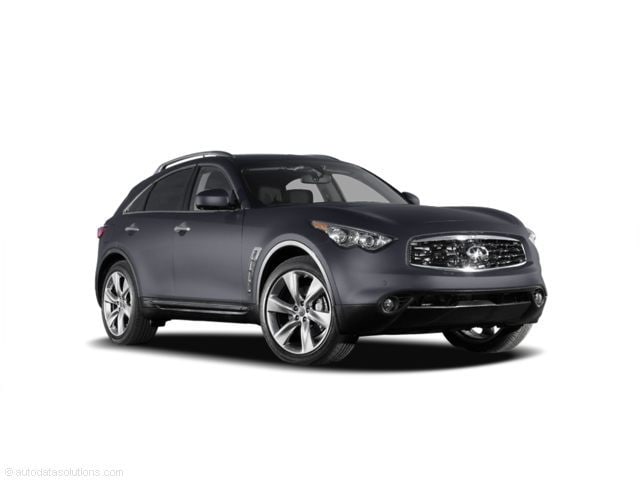
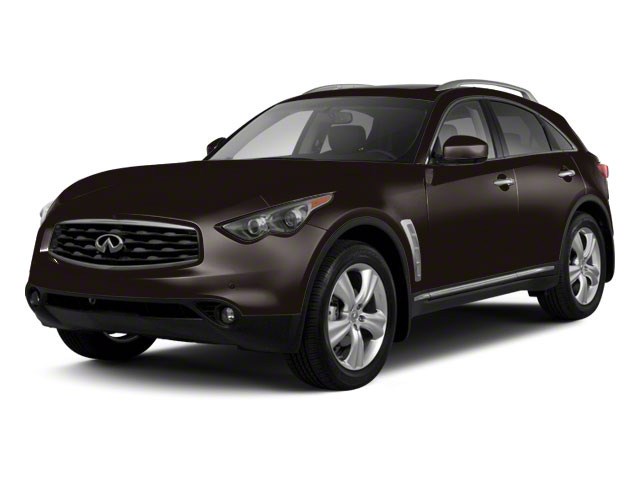
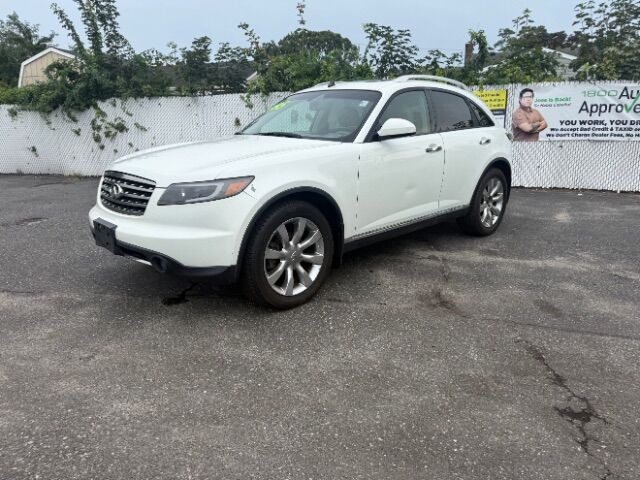
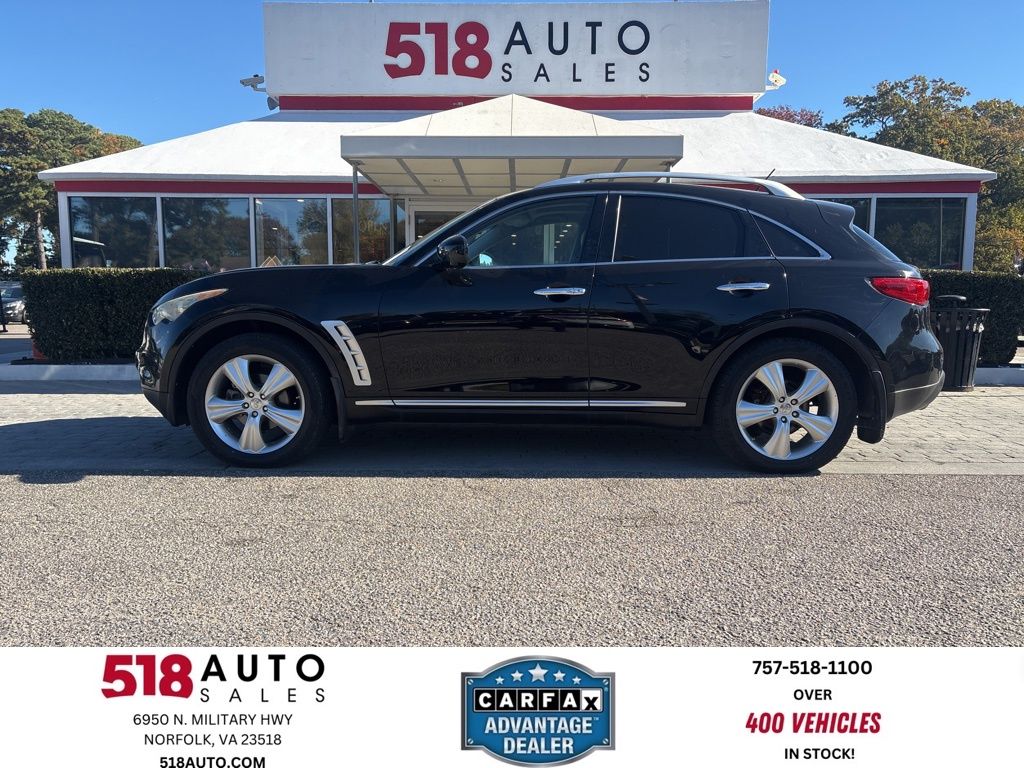
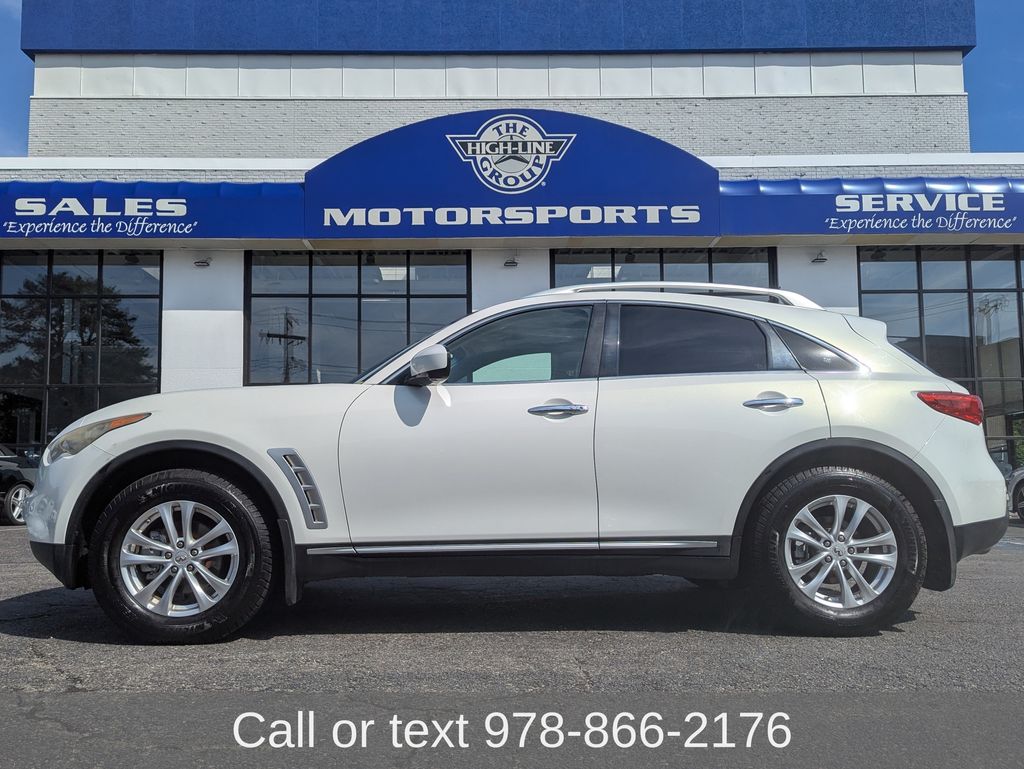
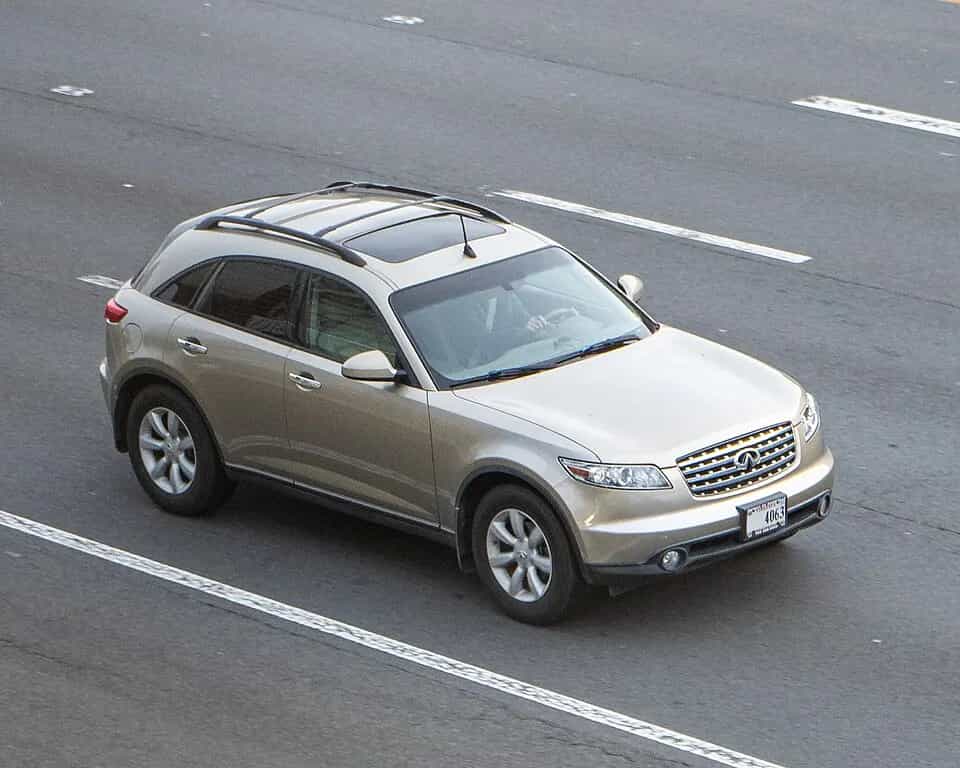
The first generation (chassis code S50) launched for the 2003 model year as the FX35 and FX45. It sat on Nissan's FM platform, shared with the 350Z and Infiniti G35, and its low, coupe-like roofline set it apart from boxy rivals. The second generation (S51) arrived for 2009 as the FX35 and the flagship FX50, with the FX37 name appearing from 2013 as the V6 grew in displacement. In 2014 Infiniti renamed the car QX70, so late examples you find in the US may be badged either way — mechanically they are close relatives.
Engines, transmissions and drive
Early FX35 cars used the 3.5-litre VQ35DE V6 (around 280 hp); the FX45 ran the 4.5-litre VK45DE V8 with roughly 320 hp. The second generation moved to the 3.7-litre VQ37VHR V6 (about 325 hp) in the FX35/FX37, while the FX50 carried the 5.0-litre VK50VE V8 producing near 390 hp with variable valve event and lift. First-generation cars used a five-speed automatic; the S51 stepped up to a seven-speed automatic with manual paddle control. Rear-wheel drive was standard on some trims, but the vast majority of US cars carry Infiniti's Intelligent AWD, which is what most German buyers want for winter use.
Equipment lines and body styles
The FX is a five-door, five-seat SUV only — there was no coupe or long-wheelbase variant. American cars are typically loaded: heated leather, a Bose audio system, sunroof, and on higher trims the Around View Monitor, adaptive cruise, and the Deluxe Touring or Technology packages. Large factory wheels (20 inches on the FX50) and the sport-tuned suspension are common, so inspect tyres and dampers closely.
The US used market
Second-generation FX35, FX37 and FX50 cars from roughly 2009 to 2013 are the sweet spot. Typical mileage runs from low figures on garage-kept examples to higher numbers on daily drivers; many Sun Belt cars (Arizona, Texas, Florida) are rust-free, which matters for a smooth TÜV inspection later. Condition varies widely, so a documented service history and a clean Carfax or AutoCheck report are worth more than a low odometer alone.
Is an import right for you?
The FX suits a buyer who wants a distinctive, quick premium SUV that has largely disappeared from German forecourts. If you value the naturally aspirated V6 or the rare V8 soundtrack, sharp steering and a car that stands apart from the usual German premium SUVs, importing a used Infiniti FX from the USA gives you selection and specification you simply cannot match locally.
Specs at a glance
| Body style | 5-door premium SUV / crossover |
| Generations | S50 (2003–2008), S51 (2009–2013, later QX70) |
| Petrol engines | 3.5 V6, 4.5 V8, 3.7 V6, 5.0 V8 |
| FX50 output | approx. 390 hp (VK50VE 5.0 V8) |
| FX37 output | approx. 325 hp (VQ37VHR 3.7 V6) |
| Transmission | 7-speed automatic (S51) |
| Drive | RWD or Intelligent AWD |
| 0–100 km/h (FX50) | roughly 5.8 s |
| Length (S51) | approx. 4.86 m |
| Wheelbase | approx. 2.89 m |
| Kerb weight | roughly 1,950–2,150 kg |
| Fuel | Petrol (premium recommended) |
| Seats | 5 |
| Wheels | 18–21 inch depending on trim |
| Build country | Japan (Tochigi) |
Common issues buyers should know
The VQ and VK engines are fundamentally robust, but there are known FX common problems worth budgeting for. Early VQ35 units can consume oil and suffer timing chain tensioner wear; keep an eye on oil level between services. Front suspension bushings and upper control arms wear on cars with big wheels and firm damping, producing knocks over bumps. The electronic climate and Around View systems can throw faults, and the factory run-flat or low-profile tyres are expensive. FX50 owners should check the variable valve lift system and cooling. Overall Infiniti FX reliability is good for a performance SUV, provided servicing is documented.
Differences from the European version
US cars run mph speedometers, amber side markers and headlamps aimed for right-hand traffic. Daytime running lights and a rear fog lamp are typically absent and must be added for German approval. Radio tuning steps and, on some cars, the telematics module differ from European specification. None of this is a barrier — it is standard conversion work handled during import.
Import step by step
Selection of the right FX, then a VIN and origin check to establish the plant of manufacture, followed by a secure escrow payment. We arrange US inland transport and ocean freight to a North European port, then handle customs clearance, the TÜV individual approval (Einzelabnahme), and finally your local registration.
Customs and taxes: what applies
In short: the 0% duty rate applies only with documented US origin (VIN/plant) – German import VAT of 19% is always due.
Two charges are separate. Import duty depends on where the car was actually built: the 0% EU rate under Regulations (EU) 2026/1455 and 2026/1461 applies only to vehicles with provable US origin (verified by VIN and plant). The FX was built in Japan, so a standard import duty rate normally applies rather than the US-origin preference — we confirm the exact figure from the VIN before you commit. On top of that, the 19% German import VAT (Einfuhrumsatzsteuer) always applies and is calculated on the customs value plus duty and freight. We never add a hidden margin.
Modifications and single-vehicle approval
Typical work includes converting the headlights, fitting a rear fog lamp, confirming the odometer reads correctly (kilometres are accepted with mph documentation), and presenting original US paperwork. Once the FX passes the Einzelabnahme, registration proceeds normally.
What to verify before buying
Verify the VIN against the title; pull a full Carfax or AutoCheck history; inspect underbody and wheel arches for rust on northern cars; confirm a clean (not salvage/rebuilt) title; review service records for oil and timing maintenance; check all four tyres and the big alloys for kerb and crack damage; and test the AWD and electronics on a road test where possible.
Common questions
Can I import a used Infiniti FX from the USA to Germany?
Yes. USCar Trader manages sourcing, freight, customs and TÜV so the car arrives ready to register.
Does the Infiniti FX qualify for 0% import duty?
Only vehicles with provable US origin qualify. The FX is Japanese-built, so a standard duty rate normally applies — we confirm from the VIN.
Is the FX50 V8 available in the US?
Yes, the 5.0-litre FX50 was a US-market trim and is one of the main reasons buyers import.
How reliable is the Infiniti FX?
Solid for a performance SUV; watch oil consumption, timing chain wear and suspension bushings.
Is the FX the same as the QX70?
Yes. Infiniti renamed the second-generation FX to QX70 in 2014.
Do I always pay German import VAT?
Yes, 19% Einfuhrumsatzsteuer always applies, separate from any customs duty.
What mileage should I look for?
Documented history matters more than the number; well-kept Sun Belt cars are ideal.
Are parts available in Germany?
Shared Nissan mechanicals mean most service parts are obtainable through Infiniti and specialist suppliers.
Explore more Infiniti in the Carhub, compare the closely related Infiniti QX70 and the Infiniti QX50, or browse current FX listings.