Importing a used Hyundai Tucson from the USA
USCar Trader acts purely as your broker.
 0049 (0)89 2000 791 00
 Mo - Fr 8:00am - 8:00pm
USCar Trader import service
Choose a specific vehicle. Where data is available, its detail page shows the import cost calculation. We assess any possible duty benefit with you before purchase.
Important: A 0% EU import-duty rate may be available for a vehicle covered by Regulation (EU) 2026/1455 that has US origin and is imported directly into the EU. CETA may apply to a vehicle with preferential Canadian origin. Whether the requirements are met is assessed for the individual case. Please contact us before purchase; we review the possible duty benefit and provide non-binding support through the process. Import VAT and other costs are assessed separately.
CarHub · Hyundai
The Hyundai Tucson is a compact SUV that sells in big numbers on both sides of the Atlantic, but the US-market version is a different animal in detail: it uses different engines, a distinct trim structure and, crucially, a mix of build locations.
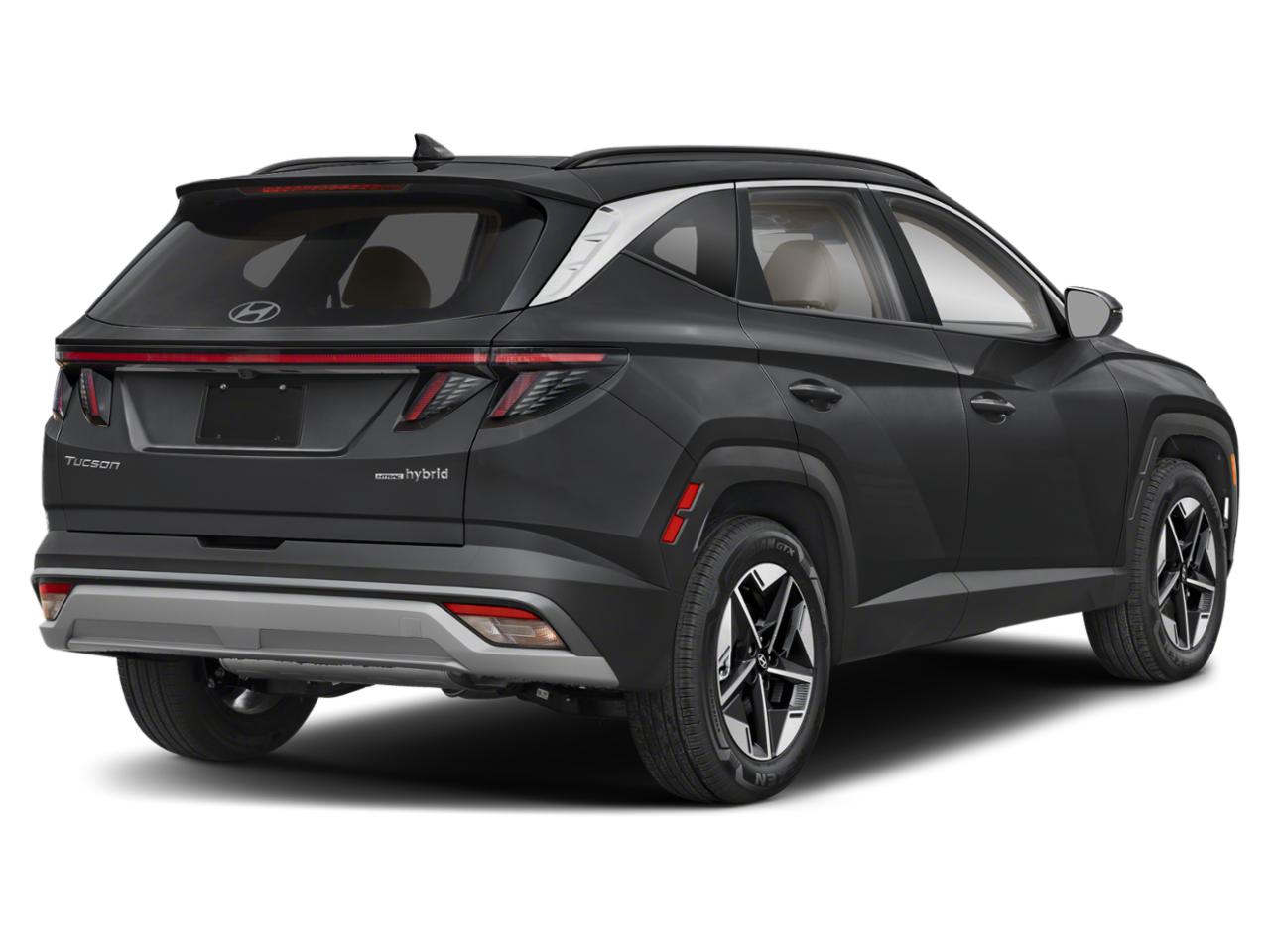
Price:36,900.00 USD

Price:34,070.00 USD

Price:34,805.00 USD

Price:36,855.00 USD

Price:37,615.00 USD
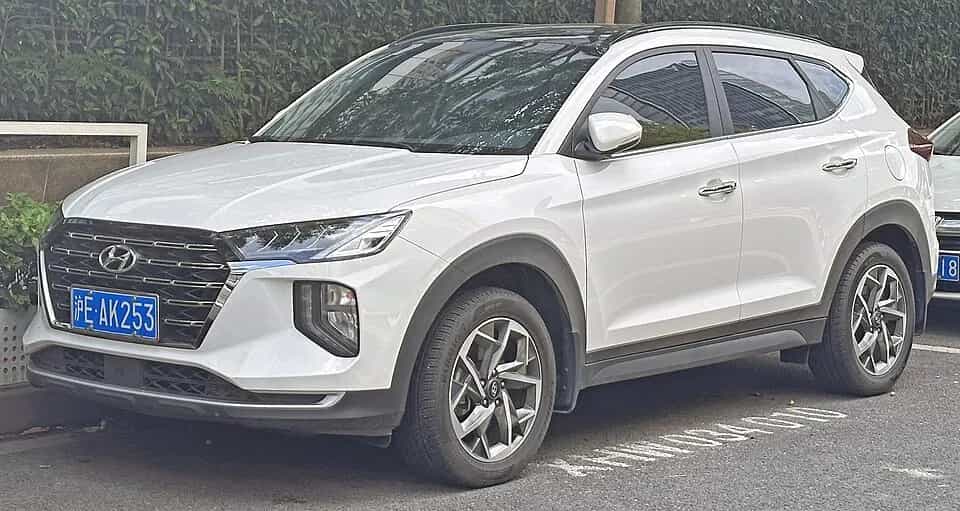
Model profile
USCar Trader acts purely as your broker.
The Tucson has been Hyundai's compact SUV since 2004, but the relevant used-import cars come from the third and fourth generations.
Powertrain and equipment
US Tucsons skip the diesels sold in Europe. Third-generation cars used the 2.0-litre Nu naturally aspirated four (around 164 hp) and the 1.6-litre Gamma turbo (around 175 hp) with a seven-speed dual-clutch transmission.
The Tucson is a five-door, five-seat SUV. US trims run SE, SEL, N Line, XRT and Limited, with the Limited adding leather, ventilated front seats, a panoramic roof, a larger touchscreen and a full driver-assistance suite.
Vehicle selection
The Tucson is a US best-seller, so used supply is deep and varied. Typical import candidates are two to seven years old with 20,000 to 90,000 miles. Because many are family cars, look for even wear and complete service records rather than the highway-heavy profiles common to sedans. Cars from dry southern and western states offer the cleanest bodies.
Vehicle data
| Body style | Typical figure (4th gen, US): 5-door compact SUV |
|---|---|
| Length (US) | Typical figure (4th gen, US): approx. 4,630 mm |
| Wheelbase | Typical figure (4th gen, US): approx. 2,755 mm |
| Kerb weight | Typical figure (4th gen, US): approx. 1,550-1,800 kg |
| Seating | Typical figure (4th gen, US): 5 |
| Drivetrain | Typical figure (4th gen, US): FWD or HTRAC AWD |
|---|---|
| Base engine | Typical figure (4th gen, US): 2.5 L Smartstream I4, ~187 hp |
| Hybrid | Typical figure (4th gen, US): 1.6 L turbo hybrid, ~226 hp system |
| Plug-in hybrid | Typical figure (4th gen, US): 1.6 L turbo PHEV, ~261 hp system |
| Transmission | Typical figure (4th gen, US): 8-speed auto / 6-speed auto (hybrid) |
| Fuel tank | Typical figure (4th gen, US): approx. 54 litres |
| Fuel type | Typical figure (4th gen, US): Petrol / hybrid / plug-in hybrid |
| Boot capacity | Typical figure (4th gen, US): approx. 1,095 litres (US LWB) |
|---|---|
| Assembly | Typical figure (4th gen, US): Montgomery, Alabama (US) or Ulsan, Korea |
Values are reproduced verbatim from the existing article table. The documents for the specific vehicle govern.
Pre-purchase review
The Tucson is generally dependable, but there are known watch points.
Germany and Europe
US-market headlights use the FMVSS/SAE beam pattern, which differs from the ECE pattern required in the EU, so they may need adjustment or replacement with ECE-compliant units for registration.
Typical work includes fitting or activating a rear fog lamp, adapting the headlights to the European beam pattern, and confirming or converting the odometer to kilometres.
USCar Trader services
As a buyer based in Germany, you do not have to inspect the vehicle yourself in the United States or Canada. Within the agreed scope, USCar Trader can coordinate document review, a separately commissioned on-site inspection and purchase processing.
Covered inspection points are agreed in advance. An on-site inspection records condition at the appointment and is not a guarantee.
Next step: Before commissioning, USCar Trader and the customer agree which document, history, inspection and transaction checks suit the vehicle and are included in the service. This records what was actually checked.
Import process
We manage the chain end to end as your intermediary.
Questions and answers
No, not automatically. A 0% EU import-duty rate may be available for a vehicle covered by Regulation (EU) 2026/1455 that has US origin and is imported directly into the EU. CETA may apply to a vehicle with preferential Canadian origin. Whether the requirements are met is assessed for the individual case. Please contact USCar Trader before purchase; we review the possible duty benefit and provide non-binding support. Import VAT and other costs are assessed separately.
Whether a duty benefit may be available for the specific vehicle is assessed individually. Please contact USCar Trader before purchase; we review the case and provide non-binding support through the process.
The fourth-generation US car is the long-wheelbase version, so it offers more rear-seat and cargo space than the European short-wheelbase Tucson.
Yes. HTRAC AWD is widely available in the US used pool across petrol and hybrid models.
Broadly dependable, provided engine and electronics recalls are closed and, on hybrids, the high-voltage system checks out. Service history is key.
No. The US market offers petrol, hybrid and plug-in hybrid only.
Usually several weeks from selection to registration, driven by shipping schedules and approval timing.
Available VIN, title and history information can be reviewed in the vehicle profile. USCar Trader can also arrange a separately booked on-site inspection within a scope agreed in advance.
More vehicles