Hyundai Accent

Importing a used Hyundai Accent from the USA

The Hyundai Accent is one of the most sensible small sedans ever sold in North America — cheap to run, easy to service and reliable when maintained. It's not a glamour import, but for buyers who want a low-cost, dependable used car sourced from the vast American market, it makes real sense. USCar Trader works as an independent broker for used US vehicles, handling the sourcing, transport and German approval so the Accent arrives ready to register. Here is what the car offers and what importing one actually involves.

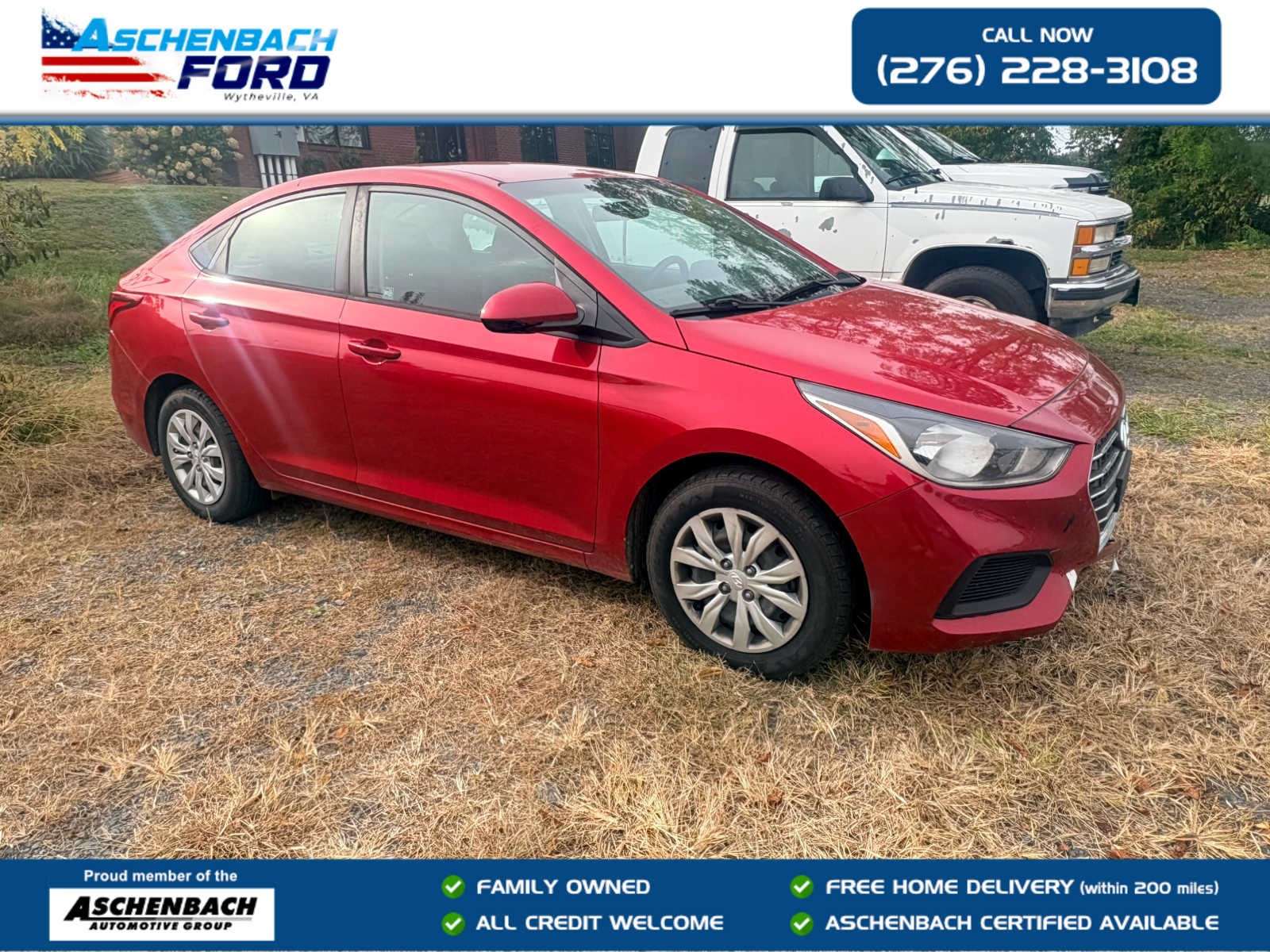
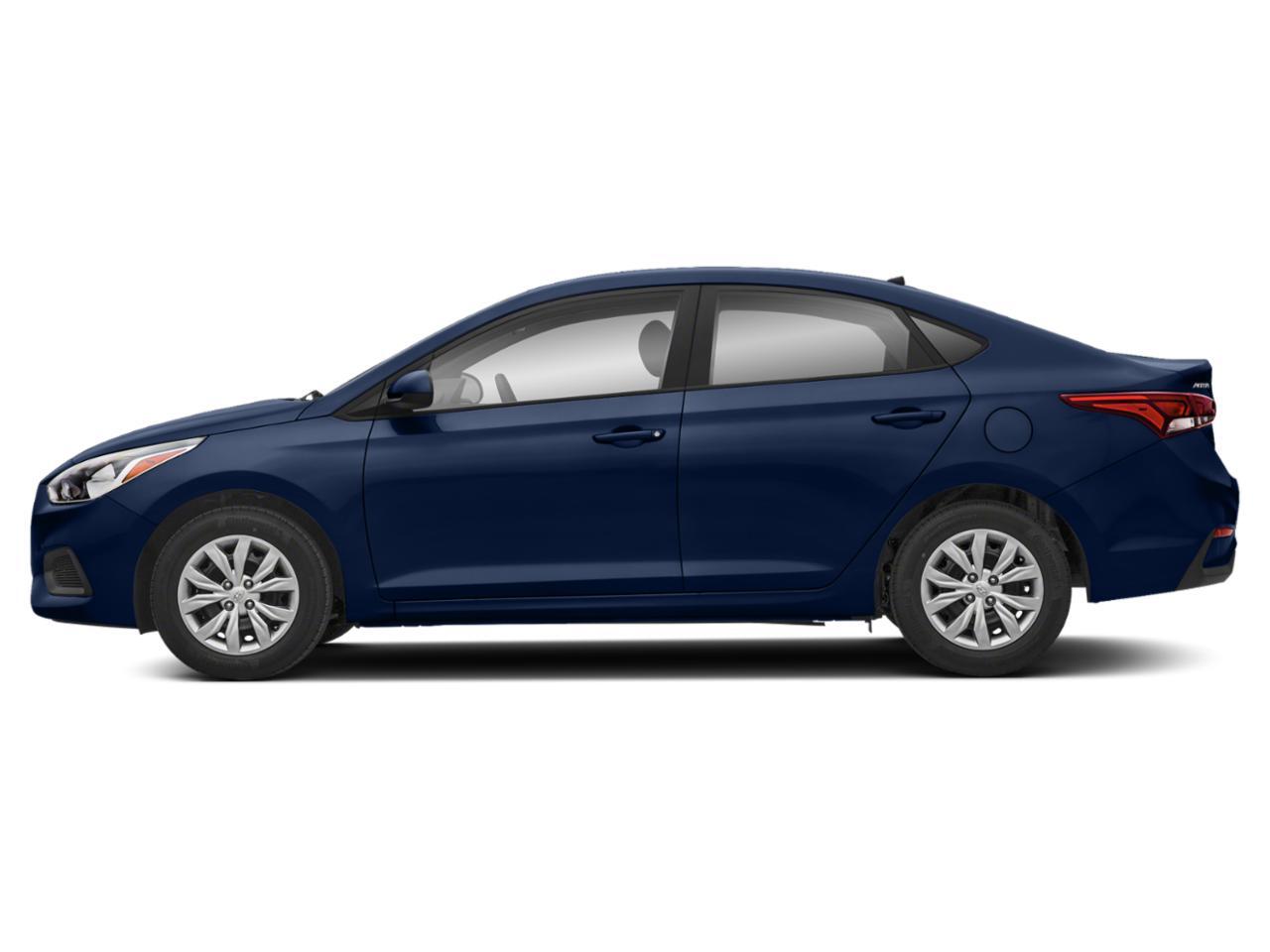
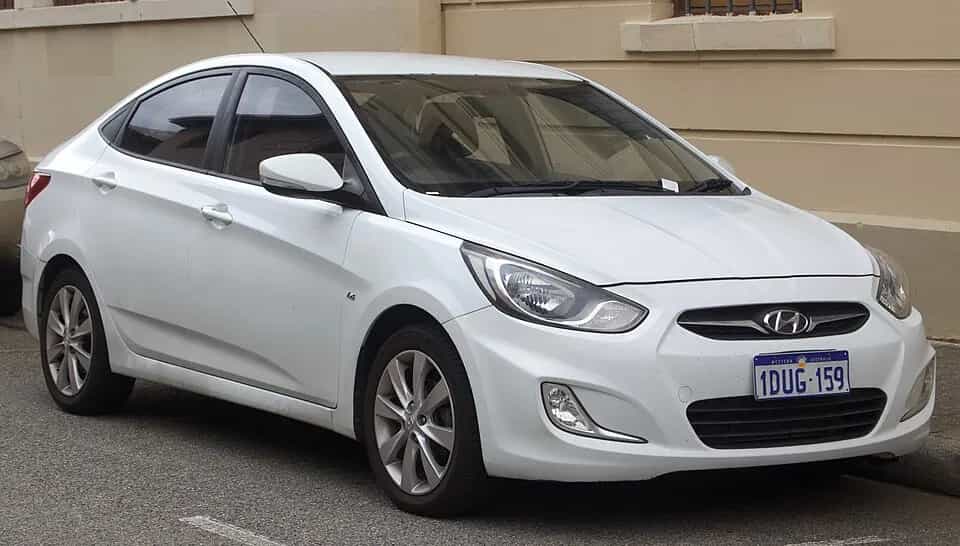
Hyundai Accent – used car imported from the USA
Photo: EurovisionNim · CC BY-SA 4.0 · Wikimedia Commons

Production years and key changes

Hyundai has sold the Accent in the US for decades as its entry-level model. The third generation (2006–2011) offered both sedan and hatchback with a 1.6-litre four-cylinder of around 110 hp. The fourth-generation RB (2012–2017) was a clear step up — sharper styling, a 1.6-litre GDI direct-injection engine of roughly 138 hp early on, and a much better interior. The fifth-generation HC (2018–2022) was sold in the US as a sedan only, initially with the 1.6 GDI and, from 2019, a 1.6-litre Smartstream four rated near 120 hp paired with a continuously variable transmission. Hyundai withdrew the Accent from the US line-up after the 2022 model year, so the newest used examples are now several years old.

What is under the hood

Every US Accent is a front-wheel-drive four-cylinder petrol car. The 1.6-litre Gamma GDI dominates 2012–2018 cars, delivering brisk-enough performance for a light subcompact and decent economy. The 2019–2022 Smartstream 1.6 traded a little peak power for smoothness and efficiency. Transmissions run the full small-car spread: a six-speed manual (increasingly rare and desirable to enthusiasts), a conventional six-speed automatic on RB cars, and a CVT (marketed as IVT) on the last HC generation. There is no turbo, no all-wheel drive and no hybrid — the Accent's appeal is simplicity.

Trims and body styles

US trims typically ran SE, SEL and Limited on the last generation, with the earlier RB adding a hatchback (GS/SE) alongside the sedan. Base cars are genuinely basic — steel wheels, cloth, manual air conditioning — while higher trims add alloy wheels, a touchscreen with Apple CarPlay and Android Auto, heated seats and forward-collision warning on the newest cars. If you want the better-equipped Accent, look for SEL or Limited badging.

What the US market offers

Accents are plentiful and cheap in the States, which keeps import economics attractive even after freight. They served as fleet, rental and first-owner economy cars, so mileage varies enormously — many sit between 60,000 and 160,000 km. Southern-state examples avoid the rust that plagues salt-belt cars, and because the Accent was never a performance car, most have led gentle lives. Condition and maintenance history matter far more than the badge; a well-kept 1.6 GDI is a genuinely durable little car.

Who this import is for

The Accent suits a buyer who wants an affordable, fuss-free runabout and likes the idea of a documented US car rather than a tired local one. It's a sound choice for a commuter, a first car, or a second household car where running costs trump prestige. Because the Accent is built outside the US, buyers chasing the 0% import duty should be realistic — the plant, not the badge, decides the rate.

Technical data and figures

AttributeTypical figure (US fifth-gen Accent)
Body styleFour-door subcompact sedan
Lengthapprox. 4,385 mm
Widthapprox. 1,729 mm
Wheelbaseapprox. 2,580 mm
Kerb weight1,090–1,200 kg
Engine (RB)1.6 L Gamma GDI I4, ~138 hp
Engine (HC)1.6 L Smartstream I4, ~120 hp
Transmission6-speed manual, 6-speed automatic or IVT/CVT
DrivetrainFront-wheel drive
FuelPetrol
Seats5
Fuel economyStrong for the class
Model years (US)2006–2022
AssemblyKorea / Mexico (varies by year)

Reliability: trouble spots to check

The Accent has a good reliability reputation, but the 1.6 GDI direct-injection engine can develop carbon build-up on the intake valves over high mileage — a periodic intake clean is worth budgeting for. Some owners report minor issues with the electronic power steering, occasional early clutch wear on manuals, and paint that is thinner than on premium cars. The CVT/IVT on the last generation is generally durable but benefits from fluid changes despite "lifetime" labelling. There are no widespread catastrophic faults; this is a car that rewards routine oil changes and little else. For Accent common problems, focus on service history rather than any single design flaw.

US vs. Europe differences

American Accents run amber side-marker lights, mph-dominant instruments and headlamp aim set for right-hand traffic. Equipment bundling differs from European small cars, and infotainment mapping is US-oriented. Mechanically the engines are shared globally, so parts and service knowledge are widely available in Germany, which keeps ownership straightforward after import.

How the import works

The route is the same as for any US car: choose and inspect the vehicle; run a VIN and origin check to confirm the build plant; pay through escrow rather than a direct transfer; ship by container or RoRo to a German port; clear customs on arrival; obtain the TÜV individual approval (§21 StVZO) with the necessary modifications; and register locally. USCar Trader manages each handoff so the car does not sit idle at the port.

Import duty, VAT and fees

Key point: duty depends on the plant of build; only a VIN check secures the 0% rate. Import VAT of 19% applies regardless.

Keep the two charges separate. The EU import duty under Regulations (EU) 2026/1455 and 2026/1461 can be 0% for vehicles of proven US origin brought in by direct transport between 1 July 2026 and 31 December 2029. The Accent carries a "neutral" origin flag and is generally assembled in Korea or Mexico, so in most cases the standard passenger-car duty rate applies rather than 0% — the plant on the VIN decides, and nothing is guaranteed without documentary proof. Separately, and always, the 19% German import VAT (Einfuhrumsatzsteuer) is due on the customs value plus duty and freight. USCar Trader works on a transparent fee and adds no margin to the vehicle price.

From modifications to registration

Expect to convert the lighting to European specification, retrofit a rear fog lamp (required in Germany, absent on US cars), and document the odometer if it reads in miles. Without a European CoC, the TÜV inspector assesses the car by VIN and technical inspection. After the approval you register at your Zulassungsstelle.

Pre-buy inspection points

  • Decode the VIN to establish the actual build plant for duty purposes.
  • Order a Carfax or AutoCheck report for accident, title and mileage history.
  • Check the title is clean rather than salvage or flood-damaged.
  • Inspect for rust, favouring dry southern-state cars.
  • Confirm the 1.6 GDI has no rough idle or carbon-related misfire.
  • Verify the CVT/automatic shifts smoothly and fluid has been serviced.
  • Ask for maintenance records to confirm regular oil changes.

What buyers ask most

Is the Hyundai Accent reliable?

Yes. It is one of the more dependable subcompacts, with routine maintenance being the main requirement. Watch intake carbon on the GDI engine over high mileage.

Will a US Hyundai Accent qualify for 0% import duty?

Usually not, because the Accent is generally built in Korea or Mexico rather than the USA. The rate depends on the plant confirmed by the VIN, and 0% requires proven US origin.

Does the 19% import VAT still apply?

Always. The German Einfuhrumsatzsteuer of 19% is charged on every import regardless of origin.

Which Accent should I look for?

A well-maintained 1.6 GDI sedan in SEL or Limited trim offers the best mix of equipment and durability; enthusiasts may seek the six-speed manual.

How much does shipping add?

Ocean freight and clearance are additional to the car price; USCar Trader quotes them transparently so you can judge the total landed cost.

Do I need a rear fog lamp?

Yes. US Accents lack one and it must be retrofitted for German approval.

Is USCar Trader a Hyundai dealer?

No. USCar Trader is an independent broker for used US vehicles, with no manufacturer partnership and no margin on the car.

Can I still find newer Accents?

Yes, up to the 2022 model year, after which Hyundai discontinued it in the US. Later cars carry the Smartstream engine.

To begin, browse Hyundai in the Carhub, compare related models such as the Hyundai Elantra, the Hyundai Sonata and the Hyundai Veloster, or view current Accent listings.