Hyundai Santa Cruz

Importing a used Hyundai Santa Cruz from the USA

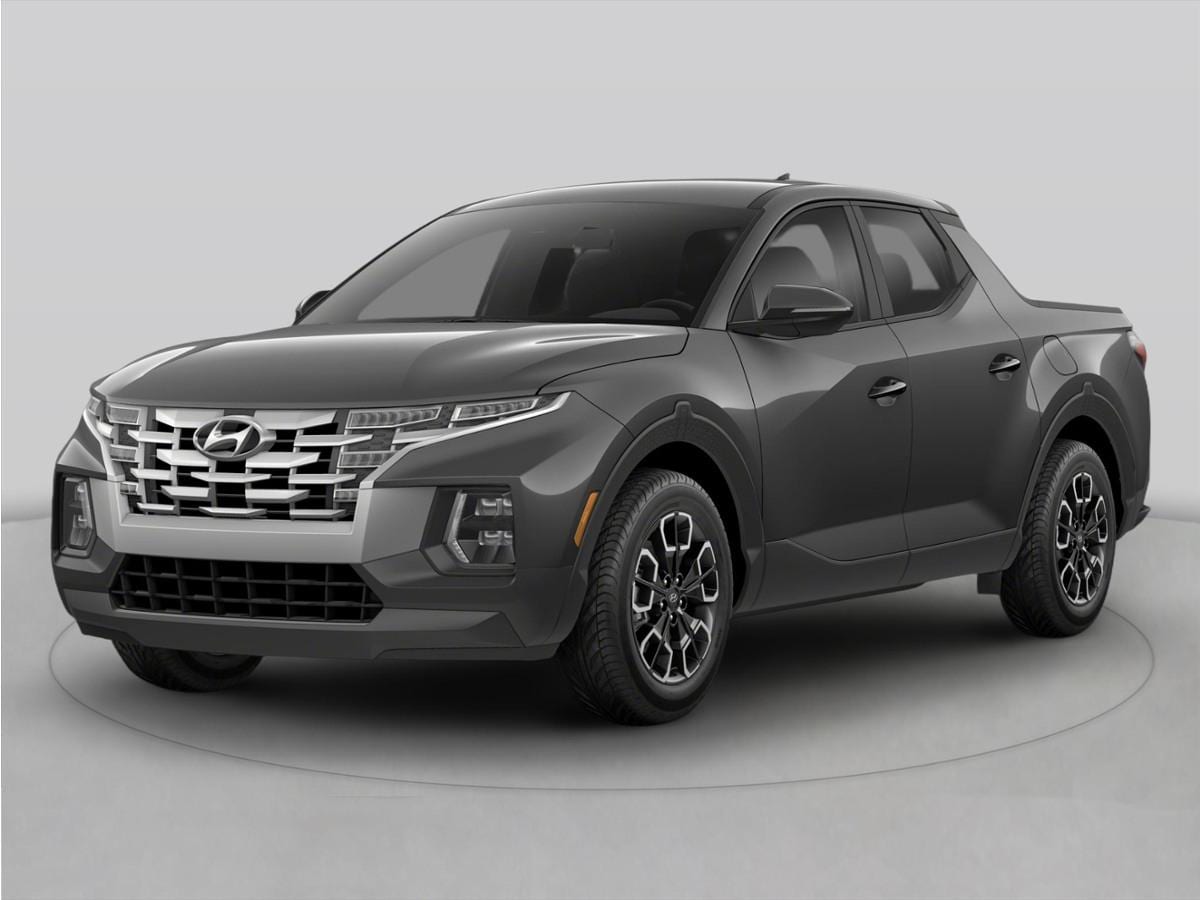
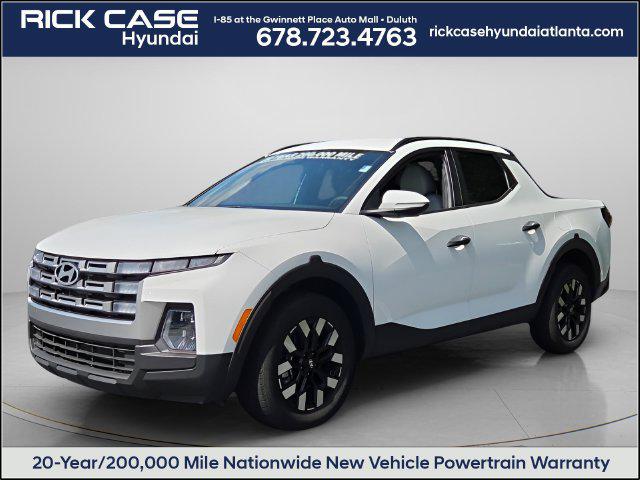
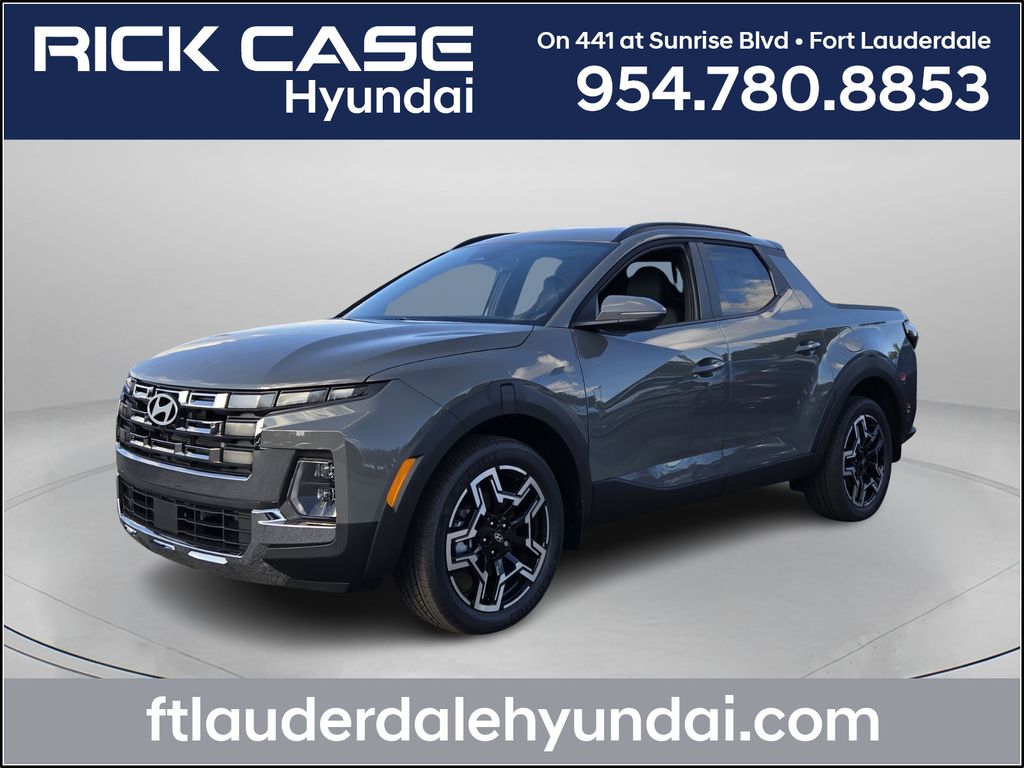
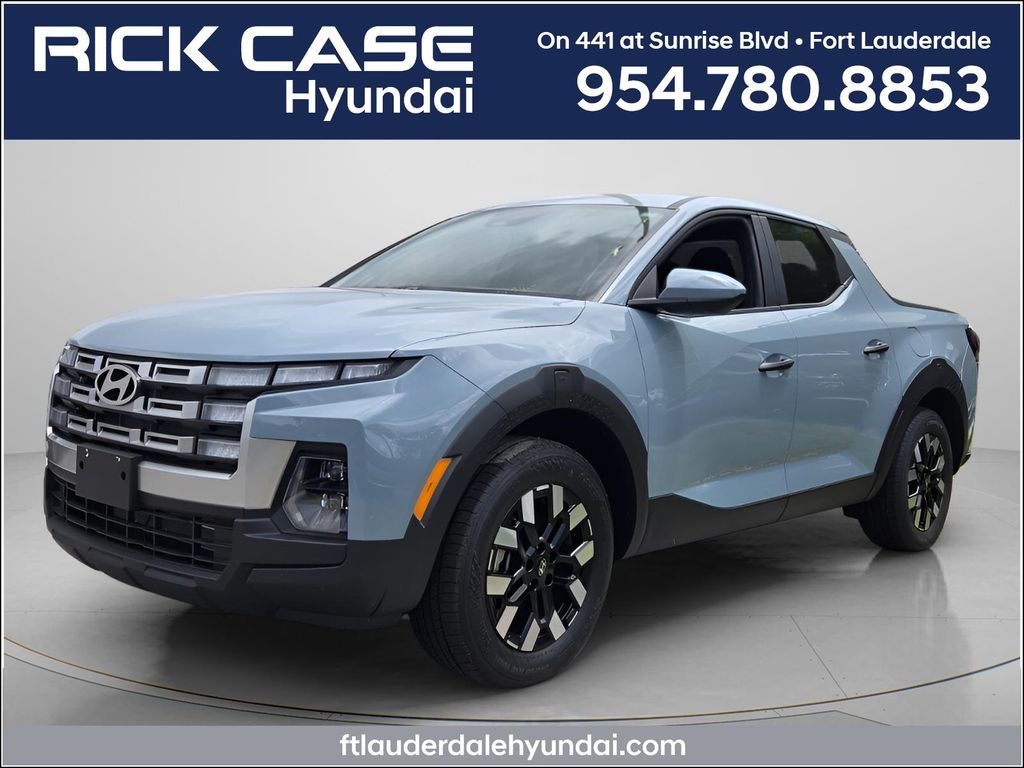
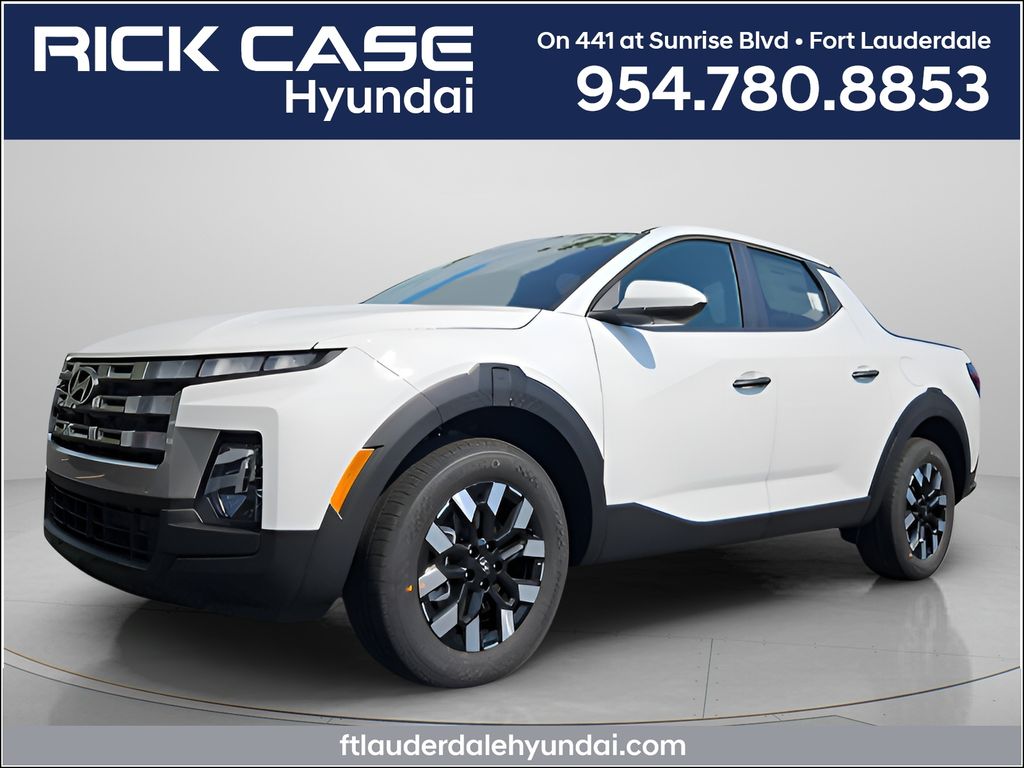
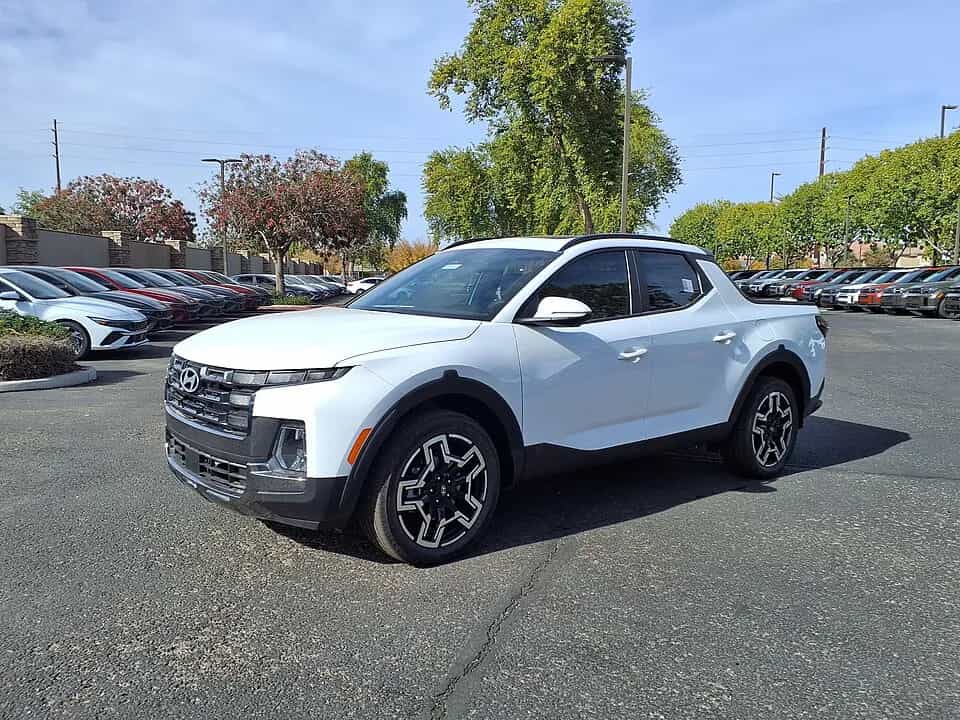
The Hyundai Santa Cruz is a compact, car-based "sport adventure vehicle" that blurs the line between crossover and pickup, and it was designed first and foremost for North America. It is not sold new across much of Europe, so if you want one, importing a used Hyundai Santa Cruz from the USA is essentially the only route. Built on the Tucson's unibody platform, it drives like an SUV, parks like one, and adds a short, genuinely useful open bed with a clever lockable underbed storage tub. For buyers who like the pickup format but find full-size trucks unwieldy on German roads, the Santa Cruz is an intriguing, distinctive alternative with real everyday usability.

Hyundai santa-cruz – used car imported from the USA
Photo: HJUdall · CC0 · Wikimedia Commons

Model history: years and generations

The Santa Cruz launched for the 2022 model year as an all-new model, sharing its foundations with the fourth-generation Tucson. It received a mid-cycle refresh later in its run that updated the front-end styling, interior layout and technology, including a revised dashboard and larger screens. As a young model, US used examples are generally low-mileage and well-equipped, and the range has stayed consistent enough that buying used is straightforward once you understand the two engine choices and the trim ladder.

Engines, transmissions and drive

Two petrol engines are offered. The standard 2.5-litre naturally aspirated four-cylinder produces around 191 hp and drives through an 8-speed automatic. The engine to seek out is the 2.5-litre turbocharged four, making roughly 281 hp and 311 lb-ft, paired with an 8-speed dual-clutch transmission; it transforms the character of the vehicle and unlocks the higher tow rating. Front-wheel drive is standard, with Hyundai's HTRAC all-wheel drive optional and strongly recommended for German conditions. The turbo AWD combination is the one most import buyers will want.

Equipment lines and body styles

There is a single body style: a four-door crew cab with a compact bed, around 1.3 metres long, plus the signature under-bed storage. US trims run from SE and SEL up to sportier and better-equipped grades such as Night, XRT and the top Limited, with the turbo engine tied to the upper trims. Equipment on higher grades includes a large touchscreen, leather, a premium sound system, a sliding rear window, an integrated bed tonneau and a full suite of driver-assist features. The XRT adds mild off-road styling and tuning for a more rugged look.

The US used market

Because the Santa Cruz is recent and popular, US used supply is steady and skews toward newer, low-mileage cars, many still within their US warranty period. Turbo Limited and XRT examples are the most sought-after. As always, sourcing from milder, drier regions helps preserve condition. There is no European pricing quoted here; the value of the US route is simple, since this vehicle is largely unavailable new in Europe, importing a clean used example is the practical way to own one.

Is an import right for you?

The Santa Cruz suits buyers who want the utility and image of a pickup without the bulk, thirst and parking headaches of a full-size truck, and who value a modern, car-like driving experience. It is ideal for active lifestyles, bikes, gear and the occasional dirty load, wrapped in an SUV that fits a normal garage. If you need serious towing or payload, a body-on-frame pickup is the better tool; the Santa Cruz is about clever, right-sized versatility.

Specs at a glance

AttributeTypical US-spec figure
Body styleCompact unibody crew-cab pickup
GenerationFirst generation (2022-)
Base engine2.5 L NA I4
Power (2.5 NA)approx. 191 hp
Top engine2.5 L turbo I4
Power (2.5T)approx. 281 hp
Torque (2.5T)approx. 311 lb-ft (421 Nm)
Transmission8-speed auto / 8-speed DCT (turbo)
DrivetrainFWD or HTRAC AWD
Bed lengthapprox. 1,32 m (52 in)
Lengthapprox. 4,970 mm
Wheelbaseapprox. 3,005 mm
Max towing (2.5T)approx. 2,270 kg (5,000 lb)
Seating5
FuelPetrol

Common issues buyers should know

The Santa Cruz shares its mechanicals with the Tucson, which gives it a broadly solid reliability outlook, but a few Santa Cruz common problems are worth flagging. The turbo model's 8-speed dual-clutch transmission can feel hesitant or jerky at low speeds and in stop-start traffic, which is characteristic rather than a fault, though software updates improved it. As with other recent Hyundai turbo-GDI engines, keep an eye on oil consumption and follow oil-change intervals strictly; carbon build-up on direct-injection engines is a known long-term consideration. Some owners report infotainment glitches and minor electronic gremlins that dealer software addresses. Check the bed tonneau mechanism, the under-bed storage drain and the sliding rear window for correct operation. Overall, a serviced Santa Cruz is dependable, and parts commonality with the widely sold Tucson helps with support.

Differences from the European version

US cars use amber side markers, US-spec headlights, mph instruments and North American infotainment and connected-services bands. Some driver-assist calibrations and speed-sign recognition are set for US roads. Because the Santa Cruz is not a mainstream European model, dealer familiarity is lower here, though the shared Tucson underpinnings mean most service parts are attainable. Lighting and documentation are the main adaptation tasks.

Import step by step

The sequence is the same as for any US import: select the exact vehicle and agree terms; verify the VIN, build details and history via Carfax/AutoCheck plus a physical inspection; pay through secure escrow rather than a direct wire; ship by container (recommended) or RoRo; clear customs on arrival with correct classification and origin evidence; present for TUEV and individual approval (Einzelabnahme); then register in Germany. Because the model is uncommon here, retaining the original documentation and window sticker helps the approval and later resale.

Customs and taxes: what applies

Remember: no origin proof, no 0% duty – and 19% German import VAT is due on every import.

The two charges are separate. Import duty first: under Regulations (EU) 2026/1455 and 2026/1461 (in force since 1 July 2026, direct-transport requirement, valid until 31 December 2029) a used vehicle of provable US origin can qualify for the preferential 0% rate. The Santa Cruz carries a neutral origin flag, so the outcome depends on the actual build shown by the VIN; the Santa Cruz is assembled at Hyundai's plant in Montgomery, Alabama, which can support US origin, but this must be confirmed from the VIN and documentation rather than assumed. Where US origin cannot be proven, the standard EU third-country passenger-car duty (normally 10%) applies to the customs value. Second, and always due regardless of origin, is the 19% German import VAT (Einfuhrumsatzsteuer). USCar Trader is an independent broker with no vehicle margin, and we never describe an import as duty-free or guaranteed. Note that a compact pickup's tariff classification should be confirmed case by case.

Modifications and single-vehicle approval

Expect the usual headlight conversion to European beam pattern, addition of a rear fog lamp, and confirmation that the cluster reads in km/h (many Hyundai clusters can switch units). The odometer reading is recorded at approval. As no European COC exists for this US model, plan for individual approval under §21 StVZO, with lighting and emissions as the key checkpoints; the open bed and any bed accessories should be presented as fitted.

What to verify before buying

Decode the VIN to confirm the turbo versus non-turbo engine, HTRAC AWD, model year and trim, and the Alabama build. Pull the full Carfax/AutoCheck history for clean mileage and no structural accidents. Test-drive specifically for dual-clutch behaviour on the turbo car. Inspect the bed, tonneau and under-bed storage for damage and drainage. Confirm a clean, non-salvage title. Run a diagnostic scan for stored powertrain or ADAS codes, and check for outstanding software updates.

Common questions

Why import a Santa Cruz from the USA?

Because it is largely unavailable new in Europe. The US is the source market, offering low-mileage, well-equipped used examples across the trim range.

Which engine should I choose?

The 2.5-litre turbo with AWD is the one to seek: markedly stronger, better to tow with, and tied to the higher trims.

Is the Santa Cruz reliable?

Broadly yes, sharing Tucson mechanicals. The main talking points are dual-clutch low-speed manners and normal turbo-GDI oil discipline.

Will I pay import duty?

It is built in Alabama, which can support US origin, but this must be proven from the VIN under the 2026 regulations for the 0% rate; otherwise the standard passenger-car duty applies. The 19% import VAT is always due.

Is it a real pickup?

It is a unibody, car-based pickup, so it drives like an SUV with a useful short bed rather than being a heavy-duty body-on-frame truck.

How much can it tow?

The turbo model is rated up to around 2,270 kg (5,000 lb); the non-turbo is rated considerably lower.

Can it be registered in Germany?

Yes, via individual approval (Einzelabnahme) with lighting conversion and a rear fog lamp, as with other US imports.

Is USCar Trader a Hyundai dealer?

No. We are an independent broker and intermediary for used US vehicles, with no dealer margin and no manufacturer partnership.

Browse all Hyundai in the Carhub, compare the closely related Hyundai Tucson SUV, or look at rival pickups such as the Honda Ridgeline and the Ford Ranger. When you are ready, view the current Santa Cruz listings.