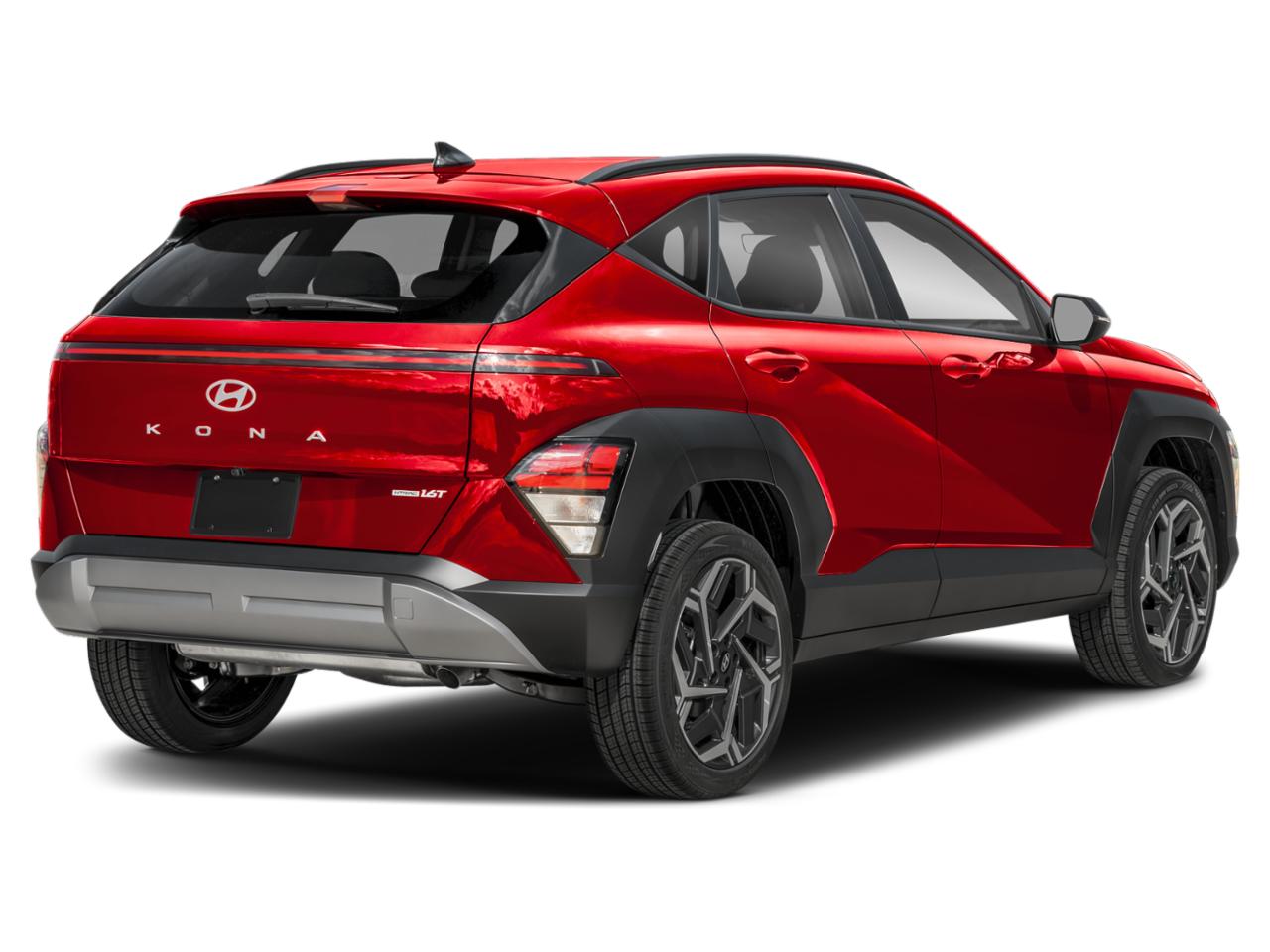
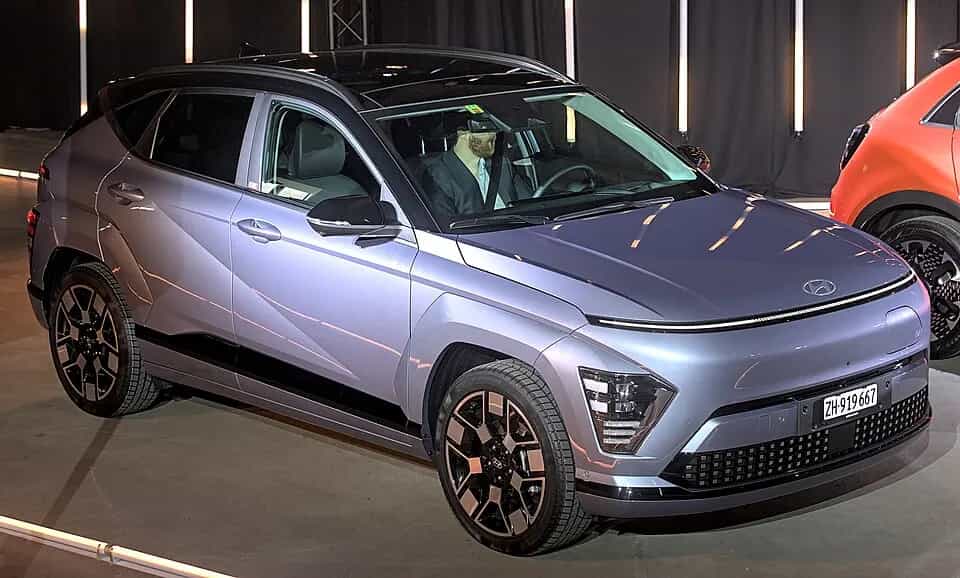
Hyundai Kona

Importing a used Hyundai Kona from the USA

The Hyundai Kona is a subcompact crossover that sells in both Europe and the US, but the North American versions often differ in engines, trims and equipment, which is what makes importing a used US example worthwhile for buyers who want a specific configuration or better value. As an independent broker for used US vehicles, USCar Trader sources, vets and ships a Kona to your specification and manages the German import process end to end. The Kona sold in the US is built in South Korea, so its customs treatment differs from a US-built car — a point covered in detail below.

Hyundai kona – used car imported from the USA
Photo: Alexander-93 · CC BY-SA 4.0 · Wikimedia Commons

Model history and generations

The first-generation Kona launched for 2018 on Hyundai's B-SUV platform, offered with petrol engines and, later, a distinct all-electric Kona EV. Hyundai facelifted the first-gen car for 2022 with sharper styling and added the sporty N Line and the high-performance Kona N in some markets. The second generation arrived for 2024, substantially larger, with a futuristic full-width light bar, a dual-screen dashboard and more interior space — closer to a compact than a subcompact. The used US market therefore covers two clearly different generations, giving importers a choice between the tidy original and the roomier, tech-heavy successor.

Engines and drivetrain

US petrol Konas offered a 2.0-litre naturally aspirated four (around 147 hp) with a CVT/automatic, and a stronger 1.6-litre turbocharged four (around 175–195 hp) with a seven-speed dual-clutch, the latter fitted to the sporty N Line and higher trims. All-wheel drive was available on most versions — valuable for German winters. The second generation continued with a 2.0 and a 1.6 turbo. Every petrol Kona runs on regular US gasoline, so no fuel adaptation is required. The turbo AWD versions are the pick for drivers wanting extra performance and traction from a small crossover.

Which trim makes sense

The Kona is a five-door subcompact/compact crossover only. US trims across the generations included SE, SEL, N Line and the top Limited, with N Line adding sport styling and the turbo engine, and Limited bringing leather, a sunroof, upgraded audio and full driver assistance. For the best mix of equipment and driving character on an import, the N Line or Limited turbo AWD are the ones to target.

Supply on the US market

The Kona has been a strong US seller since 2018, so used supply is deep and varied across trims and drivetrains. Typical import candidates are 2019–2023 first-generation cars with 25,000 to 75,000 miles (roughly 40,000–120,000 km), or newer second-generation examples for buyers who want the latest interior. Sourcing from drier southern and western states keeps the body clean for German registration. We do not quote Euro prices here, but the breadth of supply lets a broker be selective on condition, trim and history.

Who benefits from importing

The Kona suits buyers who want a compact, efficient and stylish crossover that is easy to park yet well equipped. It is ideal for urban and suburban use, particularly the AWD turbo versions for those who want a bit more capability. It is less suited to buyers needing large cargo space, towing or three rows. For someone who wants a specific US-market configuration or a distinctive small SUV, importing a used Hyundai Kona from the USA is a practical choice.

Technical data

AttributeTypical figure (1st gen 1.6T AWD)
Body styleSubcompact crossover SUV, 5 doors
Seating5
Engine1.6 L turbo I4 (base 2.0 L NA)
Powerapprox. 175 hp (2.0 approx. 147 hp)
Torqueapprox. 265 Nm
Transmission7-speed dual-clutch (base 6-speed auto/CVT)
DrivetrainAWD (FWD available)
FuelRegular gasoline (Kona EV separate)
Lengthapprox. 4180 mm (1st gen)
Widthapprox. 1800 mm
Heightapprox. 1550 mm
Wheelbaseapprox. 2600 mm
Kerb weightapprox. 1350–1500 kg
Cargo volumeapprox. 361 L (1st gen, seats up)
Model years (US)2018–present (2 generations)

Known weak points and maintenance

The Kona is generally dependable, with reasonable Hyundai Kona reliability, but there are specific points to check. The 1.6T dual-clutch can shudder or hesitate at low speed and benefits from a check of clutch behaviour and any updates. Some Hyundai/Kia GDI engines of this era were subject to recalls and campaigns related to engine wear and, in isolated cases, fire risk from fuel or oil leaks, so confirming that all recall work was completed is essential. Carbon build-up and oil consumption can appear if oil changes were skipped. Early infotainment and 12-volt battery quirks are minor. Checking recall completion and oil history addresses most known Hyundai Kona common problems.

US and EU spec compared

US Konas lack a rear fog lamp and have headlight beam patterns for right-hand traffic, both requiring correction for German approval. The cluster reads in mph and US units. Equipment such as heated and ventilated seats, a head-up display, wireless charging and Hyundai's SmartSense driver-assistance suite is common on Limited trims and transfers without issue. The US Kona lineup includes petrol and the separate Kona EV, but no diesel, keeping emissions documentation simple.

The import process in detail

We shortlist suitable cars and confirm the trim, engine and drivetrain you want, then run a VIN and origin check to establish the build plant. Payment is protected through escrow, the car is transported to a US port and booked onto ocean freight (container or RoRo) to a German port such as Bremerhaven. On arrival we clear customs, arrange any modifications, present the Kona for TÜV individual approval (Einzelabnahme) and support final registration.

What customs clearance really costs

Remember: no origin proof, no 0% duty – and 19% German import VAT is due on every import.

Two charges apply separately. EU import duty: the 0% preferential rate under Regulations (EU) 2026/1455 and 2026/1461 applies only to vehicles of proven US origin imported directly (1 July 2026 to 31 December 2029). The Kona sold in the US is built in South Korea, so it will generally not qualify as US-origin; in that case the standard 10% passenger-car duty applies, and the rate always depends on the actual plant confirmed by VIN. Separately, the 19% German import VAT (Einfuhrumsatzsteuer) is due on the customs value in every case. As a broker, USCar Trader adds no margin to these government charges.

TÜV, modifications and registration

Typical TÜV work includes fitting or converting a rear fog lamp, adapting the headlights for right-hand traffic, and confirming rear lighting colours. The odometer is presented for documentation, and many owners convert the mph cluster reading to km/h. Once the Einzelabnahme certificate is issued, German plates and registration follow.

Check before you buy

Verify the VIN against a Carfax or AutoCheck report for accidents and title branding. Confirm a clean (not salvage or flood) title. Confirm all engine and safety recalls were completed. On turbo cars, test the dual-clutch at low speed for shudder. Review oil-change history for the GDI engine. Inspect the underbody for corrosion. Confirm mileage consistency across records.

Common questions

Can a US-market Hyundai Kona get 0% EU import duty?

Generally no, because US Kona cars are built in South Korea, not the US, so they usually do not qualify as US-origin. The rate depends on the actual plant confirmed by VIN; the standard 10% duty typically applies.

Does the 19% import VAT still apply?

Yes, the German Einfuhrumsatzsteuer of 19% applies to every import regardless of duty.

Which version should I import?

The N Line or Limited turbo AWD offers the best equipment and performance; the 2.0 is the economical entry point.

Are there recall concerns?

Some GDI engines had recall campaigns; always confirm all recall work was completed before purchase.

Will a US Kona pass TÜV?

Yes, after lighting adjustments and a rear fog lamp are fitted and the Einzelabnahme is passed.

Is the Kona EV the same as the petrol import?

No, the Kona EV is a separate electric model with different documentation; this page covers the petrol Kona.

How is it shipped?

By container or RoRo ocean freight to a German port, followed by customs clearance.

Are parts available in Germany?

Yes, the Kona is sold in Europe too, so most service parts are readily available.

Explore more in the Hyundai in the Carhub, compare the related Hyundai Tucson and Hyundai Venue, or browse the current Kona listings.