Hyundai IONIQ 5

Importing a used Hyundai IONIQ 5 from the USA

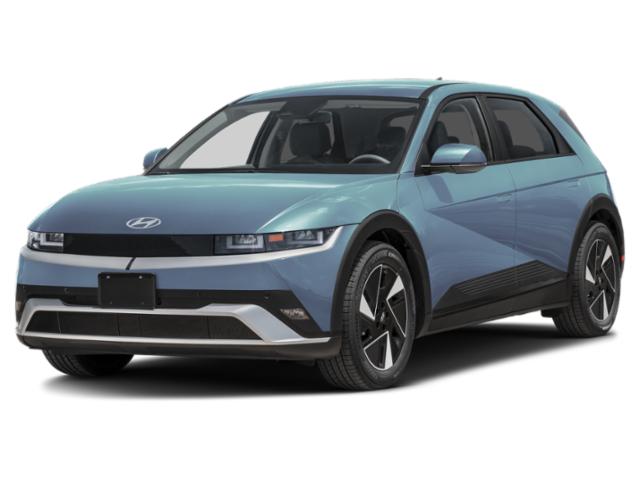
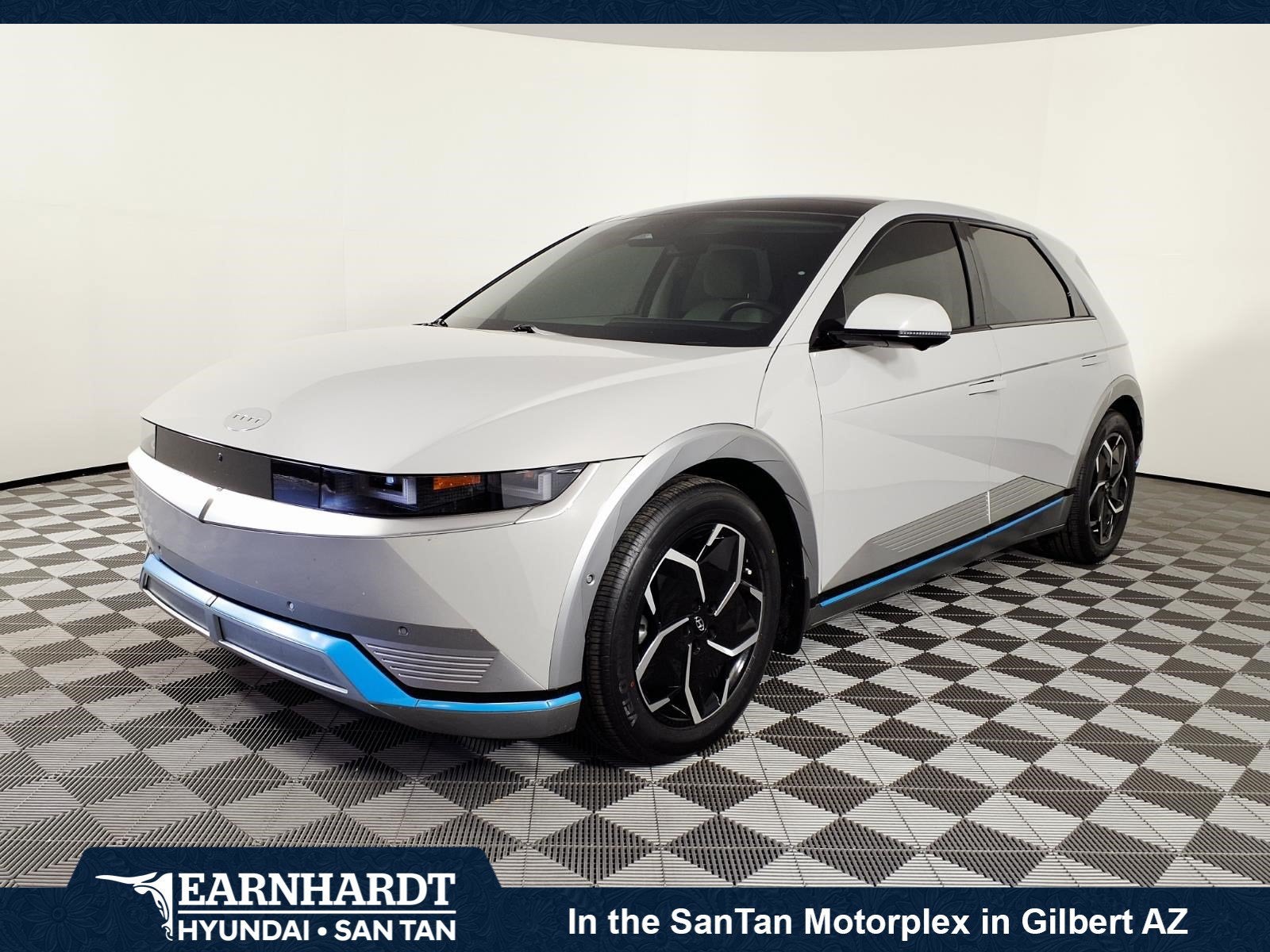
The Hyundai IONIQ 5 is one of the most accomplished electric crossovers on the market — a retro-futurist design built on Hyundai's dedicated 800-volt E-GMP platform, with fast charging and a genuinely spacious cabin. It has sold strongly in the United States, which makes the American used market a real source for these cars. USCar Trader imports used IONIQ 5s as an independent broker, managing sourcing, shipping, customs and approval without taking a margin on the vehicle. Note that US IONIQ 5s use US charging hardware, so the charging interface is a key part of planning the import.

Hyundai ioniq-5 – used car imported from the USA
Photo: Oleg Yunakov · CC BY-SA 4.0 · Wikimedia Commons

From launch to today

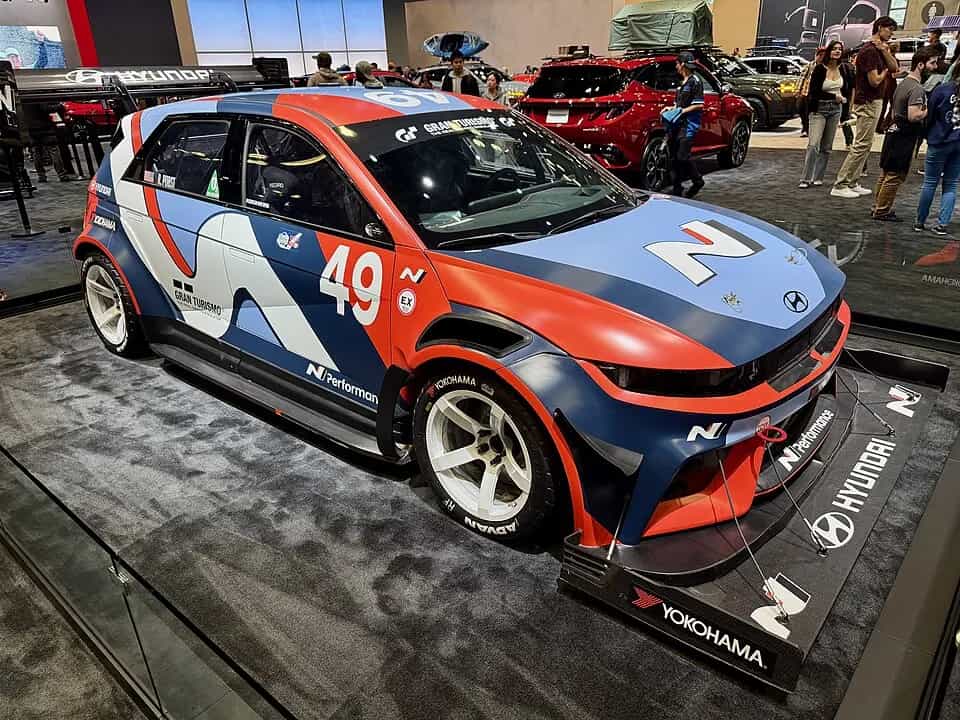
The IONIQ 5 launched for the 2022 model year as the first model under Hyundai's IONIQ electric sub-brand. It was quickly acclaimed for its design, cabin packaging and charging speed. The high-performance IONIQ 5 N joined later as a separate, track-focused variant. For the 2025 model year the IONIQ 5 received meaningful updates: a larger standard battery, a native North American Charging Standard (NACS) port on US cars, and small styling and equipment revisions. On the used market you will therefore find early 2022–2024 cars with the CCS port and newer 2025-onward cars with NACS — an important distinction when planning European charging.

Engines and drivetrain in detail

The IONIQ 5 uses a single- or dual-motor electric drivetrain on the 800-volt E-GMP architecture. US cars have offered a Standard Range battery (around 58 kWh early on) and a Long Range battery (around 77.4 kWh, later increased to roughly 84 kWh from 2025). Single-motor rear-wheel-drive cars produce around 168–225 hp depending on battery; dual-motor all-wheel-drive versions produce around 320 hp with strong acceleration. The 800-volt system is the standout feature: under suitable DC fast charging it can add a large amount of range in well under 20 minutes, and the platform supports vehicle-to-load (V2L) power output. All variants use a single-speed reduction gear.

Trim levels and variants

The IONIQ 5 is a five-door crossover with hatchback-like practicality and a notably flat floor thanks to the skateboard platform. US trims have run SE Standard Range, SE, SEL and Limited, plus the separate N performance model. Higher grades add larger wheels, a premium Bose audio system, a panoramic roof, ventilated seats, a head-up display and the fuller suite of Hyundai SmartSense driver assistance. Dual sliding centre console and reclining lounge front seats feature on better-equipped cars.

Used availability in the USA

Because the IONIQ 5 sold in strong numbers and many entered fleet and lease programmes, used supply is healthy and growing. Typical import candidates are one to four years old with low-to-moderate mileage, often ex-lease and well maintained. As with any used EV, the priority checks are battery state of health, charging behaviour and software version. Cars from milder climates tend to show the best battery condition. The key practical point for European buyers is the charge port: pre-2025 US cars use CCS1, and 2025-onward cars use NACS — both differ from the European CCS2 standard.

When importing makes sense

A used IONIQ 5 suits a buyer who wants a spacious, fast-charging electric crossover with distinctive design and proven 800-volt technology. It is an excellent EV daily driver and family car. The main consideration is charging: you must be comfortable with the charge-port adaptation required to use European CCS2 infrastructure. Buyers who want a saloon shape should look at the IONIQ 6; those wanting a larger three-row EV should consider the IONIQ 9.

Facts and figures

SpecificationDetail (typical US-market IONIQ 5)
Body style5-door electric crossover
GenerationFirst generation (2022–present)
PlatformE-GMP, 800-volt architecture
Battery (Long Range)approx. 77.4 kWh; approx. 84 kWh from 2025
Battery (Standard Range)approx. 58–63 kWh (early cars)
Power (RWD LR)approx. 225 hp
Power (AWD dual-motor)approx. 320 hp
DrivetrainRWD or dual-motor AWD
TransmissionSingle-speed reduction gear
DC fast charging800 V; 10–80% in under ~20 min (ideal conditions)
Charge port (US)CCS1 (2022–2024) / NACS (2025+)
V2LVehicle-to-load supported
Lengthapprox. 4,635 mm
Wheelbaseapprox. 3,000 mm
OriginKorea or US-built — verify by VIN

Reliability and common problems

The IONIQ 5 is a strong performer, but a few issues are worth knowing before you import. The most publicised is the 12-volt battery and ICCU (Integrated Charging Control Unit): some early cars experienced ICCU faults that could prevent the high-voltage battery from charging the 12-volt system, occasionally leaving the car unable to start. Hyundai addressed this under campaigns and software updates, so confirm any relevant recalls or ICCU work have been completed on a used Hyundai IONIQ 5. Beyond that, check for the usual EV items: battery state of health, tyre wear (EV torque is hard on tyres), and correct operation of the regenerative braking and driver-assistance systems. Overall build quality is good and the drivetrain itself has proven robust.

How US versions differ

The most important difference is charging. US cars use CCS1 (older) or NACS (2025+), whereas Europe uses CCS2 — so a charge-port adapter or interface solution is essential to use European fast and AC charging, and this must be planned as part of the import. Beyond charging, US cars carry US-specification lighting (typically no rear fog lamp), mph instruments, US telematics and navigation, and US-configured driver assistance. None of this prevents registration; it defines the conformity and adaptation work.

From US purchase to registration

Select the vehicle from US inventory first. A VIN and origin check then confirms the build plant, battery and charge-port type, and history. Payment is secured through escrow. The car is booked for ocean freight to a European port and cleared through customs on arrival. It is then presented for TÜV inspection and individual approval (Einzelabnahme), including the charging-interface and lighting adaptations, and finally registered for German road use.

Costs, duty and taxes at a glance

Remember: no origin proof, no 0% duty – and 19% German import VAT is due on every import.

Two separate charges apply. Import duty depends on the actual build plant: the 0% EU import duty under Regulations (EU) 2026/1455 and 2026/1461 applies only where genuine US origin is proven by VIN and the vehicle ships in direct transport (in force since 1 July 2026, until 31 December 2029). The IONIQ 5 is built in Korea and, more recently, at Hyundai's US plant, so origin varies car by car — we establish it from the VIN before stating any rate. Where US build cannot be proven, the standard rate applies. Separately and always, the 19% German import VAT (Einfuhrumsatzsteuer) is due on every import. We never promise duty-free import and never add a hidden margin.

TÜV, approval and license plates

Typical work includes adapting the charge port from CCS1 or NACS to European CCS2 charging, fitting or activating a rear fog lamp, adapting the lighting to European standards, converting the speedometer/odometer to km/h, and preparing the technical documentation for individual approval. Once TÜV and Einzelabnahme are passed, the IONIQ 5 is registered.

Pre-purchase checklist

  • Decode the VIN to confirm build plant, battery size and charge-port type.
  • Obtain a Carfax or AutoCheck report for accidents, title and history.
  • Confirm a clean, non-salvage title.
  • Verify battery state of health and charging behaviour.
  • Confirm the ICCU/12-volt battery recalls and updates were completed.
  • Check tyre wear, regen braking and driver-assistance function.
  • Plan the CCS1/NACS-to-CCS2 charging adaptation before purchase.

Import FAQ

Can a US Hyundai IONIQ 5 charge in Germany?

Yes, but only after adapting its US charge port (CCS1 or NACS) to the European CCS2 standard. This is planned as part of the import.

What is the ICCU issue?

Some early cars had an Integrated Charging Control Unit fault affecting 12-volt charging. Confirm the relevant recall and software updates were completed.

How fast does it charge?

Thanks to its 800-volt platform, under ideal DC fast-charging conditions it can go from 10 to 80 percent in under about 20 minutes.

Will I pay 0% import duty?

Only if genuine US origin is proven by VIN and the car ships in direct transport. The IONIQ 5 is built in Korea and the US, so this varies. The 19% import VAT always applies.

How reliable is a used IONIQ 5?

Generally strong. Verify battery health and that the ICCU/12-volt updates and recalls are done.

RWD or AWD?

Rear-wheel drive maximises range; dual-motor all-wheel drive adds traction and much stronger acceleration.

How long does importing take?

Usually several weeks, driven mainly by shipping schedules plus customs, adaptation and approval.

Is USCar Trader a dealer?

No. We are an independent broker for used US vehicles, with no margin on the car and no manufacturer partnership.

Start with Hyundai in the Carhub, compare related models such as the Hyundai IONIQ 6, the Hyundai IONIQ 9 and the Hyundai Kona EV, or view current IONIQ 5 listings.