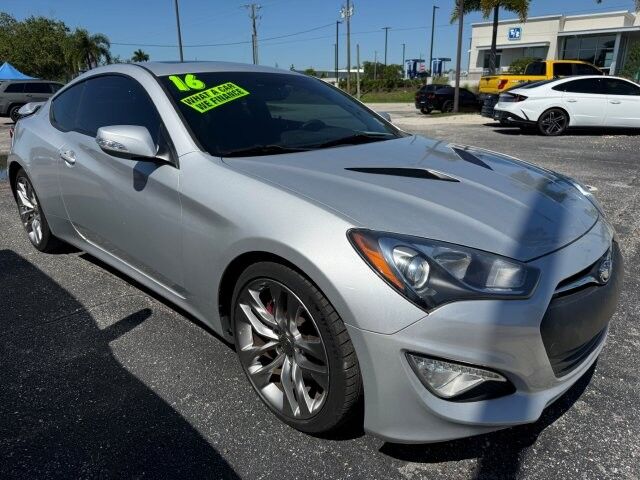
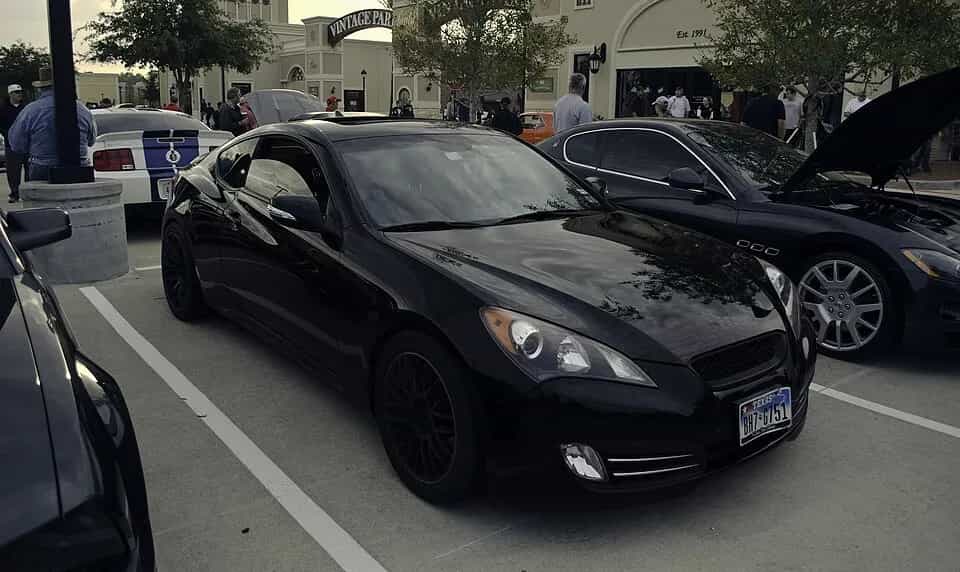
Is the Genesis Coupe rear-wheel drive?
Yes. Every Genesis Coupe is front-engine, rear-wheel drive; an all-wheel-drive version was never offered.
Which engine should I import, the 2.0T or the 3.8 V6?
The 3.8 V6 offers effortless naturally aspirated power and strong reliability, while the 2.0T is lighter, cheaper to insure and popular with tuners. Both are worth importing depending on your priorities.
Does this vehicle automatically qualify for a 0% import-duty rate?
No, not automatically. A 0% EU import-duty rate may be available for a vehicle covered by Regulation (EU) 2026/1455 that has US origin and is imported directly into the EU. CETA may apply to a vehicle with preferential Canadian origin. Whether the requirements are met is assessed for the individual case. Please contact USCar Trader before purchase; we review the possible duty benefit and provide non-binding support. Import VAT and other costs are assessed separately.
How is import VAT treated when importing a Hyundai Genesis Coupe?
Import VAT and other taxes or costs are assessed separately under the applicable rules and the circumstances of the individual case. A blanket answer for every vehicle would not be reliable.
Are parts hard to get in Germany?
Common service parts are available through the Hyundai network and specialists, and many performance components ship easily from the US aftermarket.
Can I import a manual R-Spec or Track model?
Yes. These enthusiast-focused, manual-only trims are exactly the kind of car that is far easier to find in the US than in Europe.
What should I watch for on a used example?
Oil-maintenance history, turbo condition on 2.0T cars, clutch wear on manuals, and any signs of hard track use or heavy modification.
How can a specific Hyundai Genesis Coupe be checked from Germany?
Available VIN, title and history information can be reviewed in the vehicle profile. USCar Trader can also arrange a separately booked on-site inspection within a scope agreed in advance.