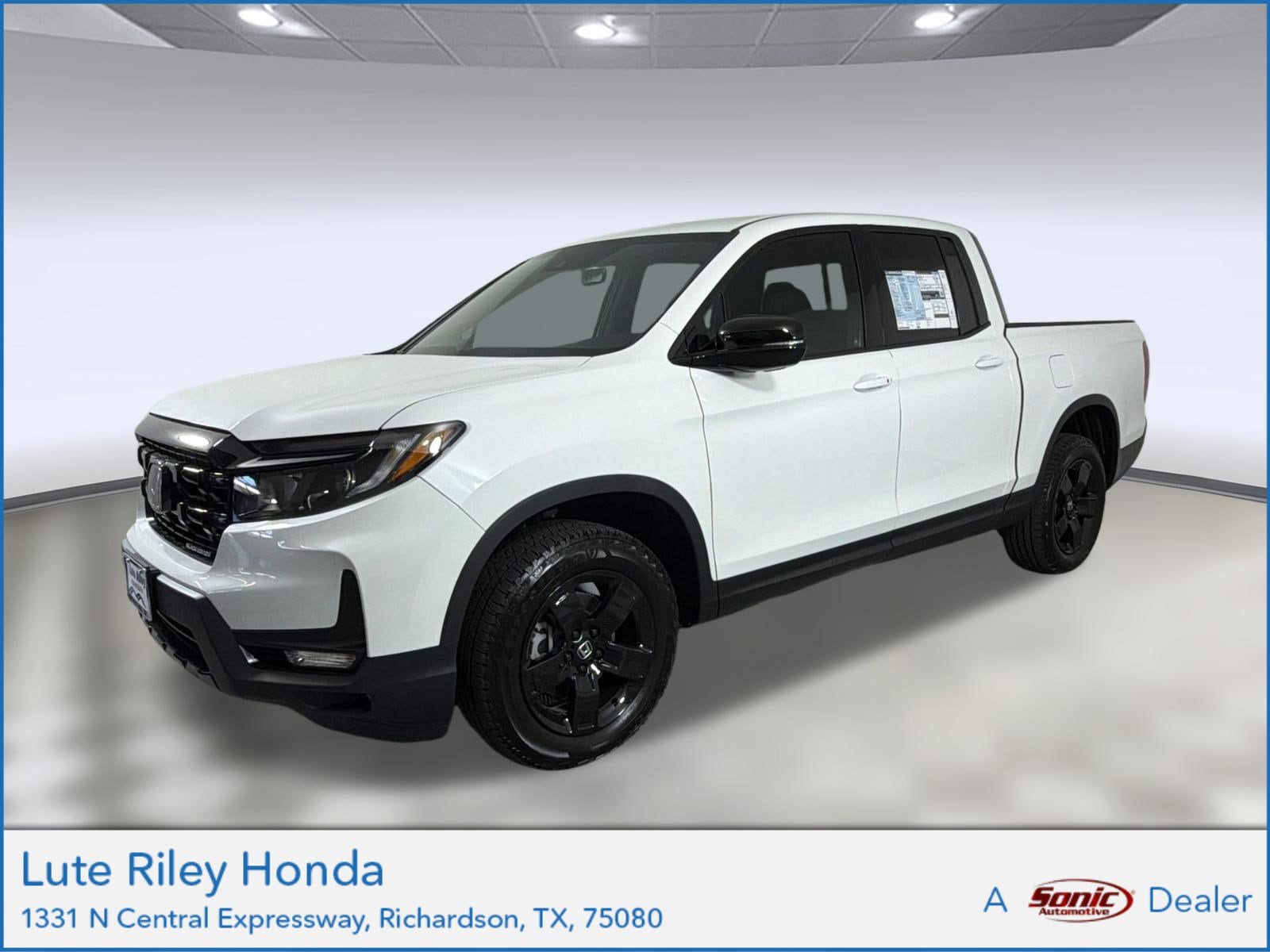
Honda Ridgeline

Importing a used Honda Ridgeline from the USA

The Ridgeline is Honda's unconventional take on the mid-size pickup: a unibody truck that drives like a large SUV while still offering a proper open bed. It was engineered for and sold primarily in North America, so importing a used one from the States is essentially the only way to own one in Germany. That North American focus also helps with customs — every Ridgeline is built at Honda's plant in Lincoln, Alabama, so a used example with a documented US VIN and plant code will usually qualify for 0% EU import duty under the current origin rules, provided the transport is direct. The 19% German import VAT applies on top in every case. For buyers who want the practicality of a pickup bed without the harsh ride and truck-like handling of a body-on-frame rival, the Ridgeline is a genuinely different proposition.

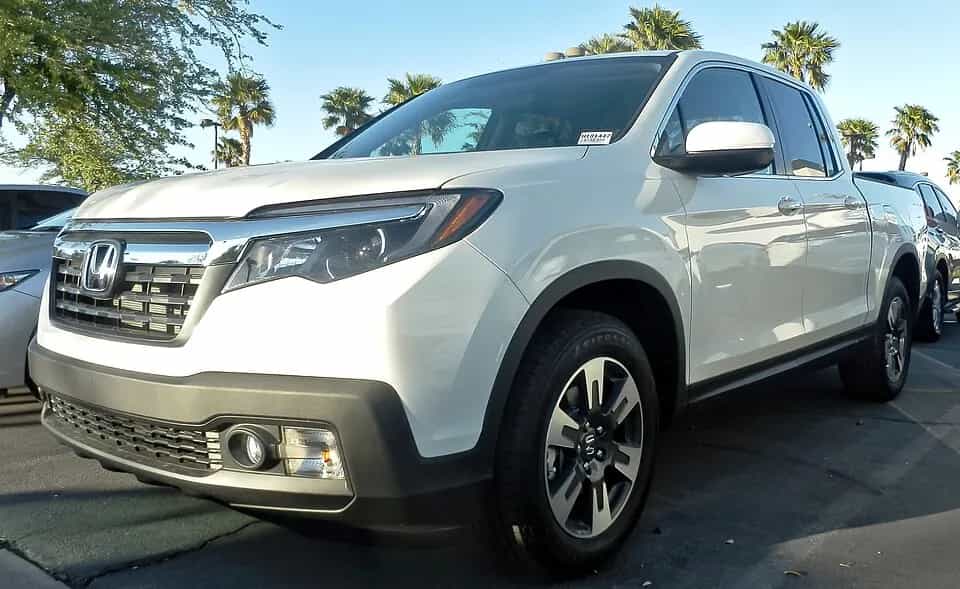
Honda ridgeline – used car imported from the USA
Photo: Alexander Migl · CC BY-SA 4.0 · Wikimedia Commons

Generations at a glance

The first-generation Ridgeline (2006–2014) introduced the concept: a car-based pickup with a distinctive flying-buttress C-pillar, a dual-action tailgate that swings and drops, and a lockable, weatherproof in-bed trunk under the load floor. The second generation (2017–present, on the same platform as the Pilot) adopted a more conventional truck-style body but kept the clever bed features, added an available in-bed audio system and refined the ride and interior. A mild refresh for 2021 gave it a tougher, more rugged front-end look and a standard all-wheel-drive layout. When you import a used Ridgeline from the USA you are typically choosing a second-generation truck, though tidy first-gen examples still appeal to enthusiasts.

Powertrain lineup

The Ridgeline has always used a single engine: Honda's 3.5-litre J35 V6. In the first generation it produced around 250 hp; the second generation raised that to roughly 280 hp. Early second-gen trucks paired the V6 with a six-speed automatic, later switching to a nine-speed automatic. The clever part is the drivetrain — later Ridgelines use Honda's i-VTM4 torque-vectoring all-wheel-drive system, which can send power across the rear axle for genuinely composed handling and useful traction, backed by selectable terrain modes. There is no diesel and no manual gearbox; this is a smooth, petrol-V6 truck aimed at everyday usability rather than heavy-duty towing.

Trims in the US market

The Ridgeline comes in one configuration — a four-door crew cab with a five-foot bed. US trims run from Sport and RTL through RTL-E to the top Black Edition, with off-road-flavoured TrailSport and RTL trims appearing on later years. Higher trims add leather, a sunroof, navigation, a premium audio system with the truck-bed speakers, heated seats and Honda Sensing driver assistance. Because the truck was built for the well-equipped US market, imported examples often arrive loaded.

The used market stateside

Supply is steady rather than vast — the Ridgeline is a niche seller against the Tacoma and Colorado, but that also means clean, well-cared-for examples are common because owners tend to use them as comfortable daily trucks rather than work abusers. Second-generation trucks (2017 onward) typically show 30,000 to 100,000 miles. As with any US import, a rust-free truck from a dry state and a documented service history are the signs of a strong candidate.

Who should import one

A used Ridgeline from the USA is for the buyer who wants a comfortable, car-like pickup with a usable bed, a lockable in-bed trunk and all-weather traction, without the compromises of a ladder-frame truck. It suits active-lifestyle owners, small businesses wanting an open load area, and anyone who values ride comfort and handling over maximum towing or serious rock-crawling. It is not the choice for heavy trailer work or extreme off-roading — its strengths are refinement and clever practicality.

Key specifications

AttributeTypical figure (US-market)
Body styleFour-door crew-cab pickup, unibody
Generations imported1st gen (2006–2014), 2nd gen (2017–)
Assembly plantLincoln, Alabama, USA
Engine3.5 L J35 V6 (petrol)
Powerapprox. 250 hp (gen 1) / 280 hp (gen 2)
Transmission5/6-speed auto (gen 1), 6- or 9-speed auto (gen 2)
DrivetrainAWD (i-VTM4 torque vectoring, later years)
Bed lengthapprox. 1.5 m (5 ft)
Lengthapprox. 5,335 mm (gen 2)
Seating5
Special featuresIn-bed trunk, dual-action tailgate
FuelPetrol
Origin for customsUS-built — usually 0% duty with VIN proof

How reliable is it?

The Ridgeline is one of the more dependable pickups you can buy, helped by the proven J35 V6 shared with Honda's Pilot and Odyssey. Known issues are relatively minor. Some early second-gen trucks with the six-speed automatic showed occasional judder or hesitation; the later nine-speed improved shift behaviour but has its own occasional software quirks. The J35's variable cylinder management (VCM) can contribute to higher oil consumption and, over long distances, spark-plug and motor-mount wear — many owners fit a VCM disabler to mitigate this. First-generation trucks can develop rust on the bed and frame components if used in salted climates, so a southern US example is preferable. Otherwise, regular oil changes and timing-belt service (the J35 is belt-driven) keep the Ridgeline running for a long time.

What US models do differently

US Ridgelines use amber front markers, red rear turn signals, mph instrumentation and no rear fog lamp — all points the TÜV examiner will expect corrected. The bed and its in-bed trunk are unaffected by European rules, but the lighting and the odometer display must be addressed. Honda Sensing and the infotainment work but ship with US navigation data and radio bands. Headlight aim and beam pattern must suit right-hand traffic. Because it is a pickup, note that German registration category (Lkw vs. Pkw) can affect tax and insurance — worth clarifying for your use.

Seven steps to your import

Start by selecting the generation and trim you want and shortlisting clean trucks. A VIN and origin check confirms the Lincoln, Alabama build and pulls the history. Secure escrow protects your payment until the truck is verified. Ocean freight carries it to a European port such as Bremerhaven; on arrival, customs clearance sets the duty and levies the 19% import VAT. TÜV and individual approval follow, then German registration.

Customs, taxes and costs explained

Remember: no origin proof, no 0% duty – and 19% German import VAT is due on every import.

Because the Ridgeline is built exclusively in Alabama, a used example with a documented US VIN and plant code will generally qualify for the 0% EU import duty available for goods of proven US origin under Regulations (EU) 2026/1455 and 2026/1461, provided transport is direct. This is not automatic — it depends on the origin evidence for your specific truck. Separately and always, the 19% German import VAT (Einfuhrumsatzsteuer) is charged on the customs value. As an independent broker we forward these official charges without adding any margin to the price.

German TÜV and registration

Typical preparation includes adding a rear fog lamp and, where required, separate rear indicators, adjusting the headlights for right-hand traffic and confirming the odometer reading is accepted. Any US bed accessories, tonneau covers or lighting bars must be assessed for approval. As a pickup, the vehicle's registration classification should be confirmed early, as it influences road tax and insurance in Germany.

The buyer checklist

Match the VIN to the title and confirm the Alabama plant code. Pull a Carfax or AutoCheck history for accidents, branded titles and odometer records. Inspect the bed, frame components and underbody for rust, especially on first-gen or northern trucks. Check for transmission judder on the test drive, particularly on six-speed cars. Confirm oil-change and timing-belt service history and watch for high oil consumption linked to VCM. Verify the in-bed trunk drains and seals are intact. Confirm the title is clean rather than salvage or rebuilt.

Questions and answers

Does a used US Honda Ridgeline qualify for 0% duty?

It is built only in Alabama, so with a documented US VIN and origin evidence it usually qualifies. The 19% import VAT still applies in every case.

How much can the Ridgeline tow?

Around 2,270 kg (5,000 lb) when properly equipped — respectable for the class, though less than heavy body-on-frame trucks.

Is the Ridgeline reliable?

Yes, notably so for a pickup, thanks to the proven J35 V6. Watch oil consumption from VCM and keep up with timing-belt service.

What makes the in-bed trunk useful?

It is a lockable, weatherproof storage well under the bed floor — handy for tools, luggage or, famously, ice and drinks with its drain plug.

First or second generation — which should I import?

The second generation is more refined, more powerful and better equipped; the first generation is cheaper and has cult appeal. Both use the same durable V6.

Will it register as a car or a truck in Germany?

That depends on how it is classified at registration, which affects tax and insurance. It is worth clarifying before import for your intended use.

Does the AWD system handle snow and mud?

The i-VTM4 all-wheel-drive system with terrain modes copes well with snow, mud and light off-road use, though it is not a low-range rock-crawler.

How long does the import take?

Generally a few weeks of transit plus the time for customs, TÜV and registration once it arrives.

To begin, explore Honda in the Carhub, compare the related Passport SUV, the rival Hyundai Santa Cruz and the Ford Ranger, or view current Ridgeline listings.