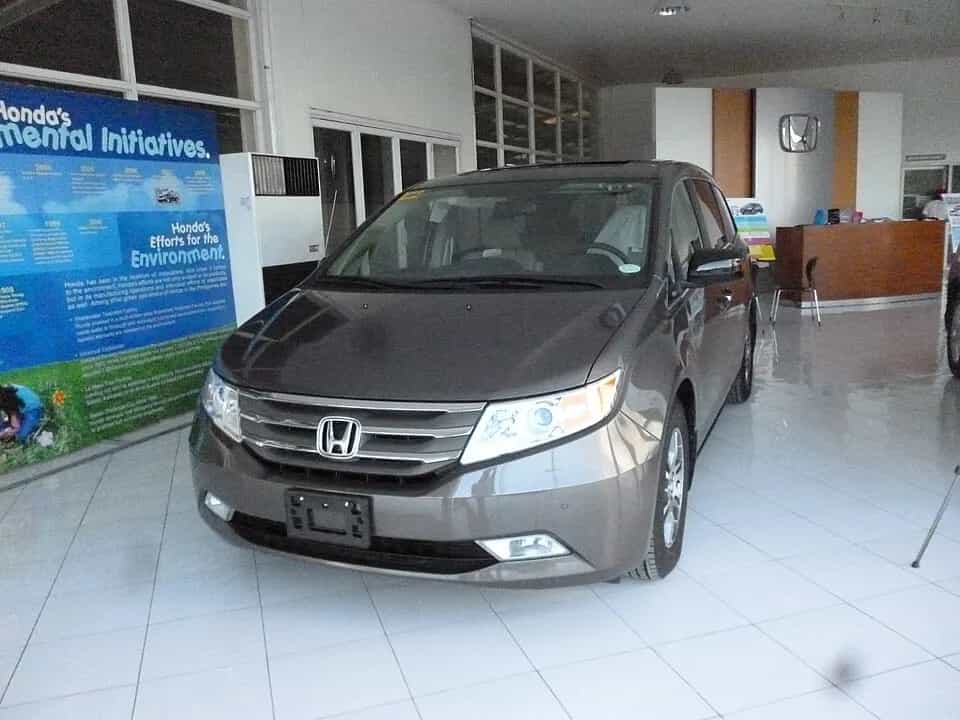
Honda Odyssey
Importing a used Honda Odyssey from the USA
The Honda Odyssey is one of America's definitive family minivans, and for European buyers it represents something the local market barely offers any more: a large, comfortable, genuinely practical eight-seat van engineered specifically for North American families. To import a used Honda Odyssey from the USA is to buy a vehicle designed for exactly this role, with a smooth V6, clever interior packaging and a long reputation for durability. Just as importantly for the customs side, the US Odyssey is built in Lincoln, Alabama — it is an American-origin vehicle — which, with proper VIN documentation, can put it in a favourable position under the current EU import-duty rules. USCar Trader handles the Odyssey as a mainstream US used vehicle and confirms that US build via the VIN at the start of every deal.

Generations at a glance
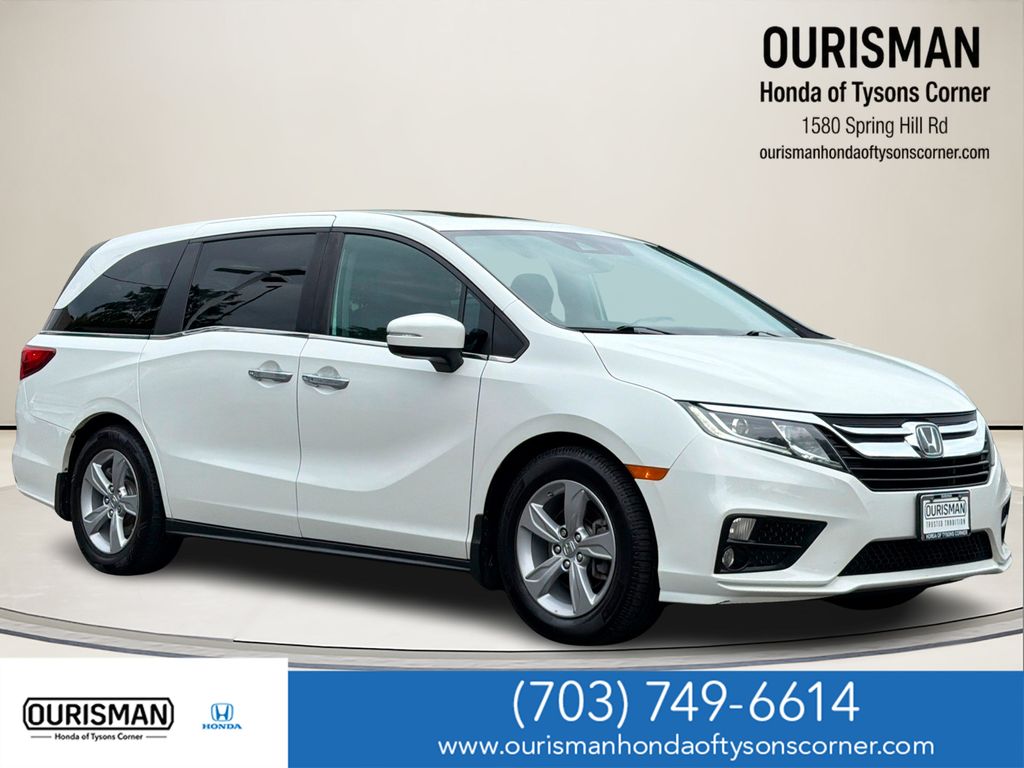
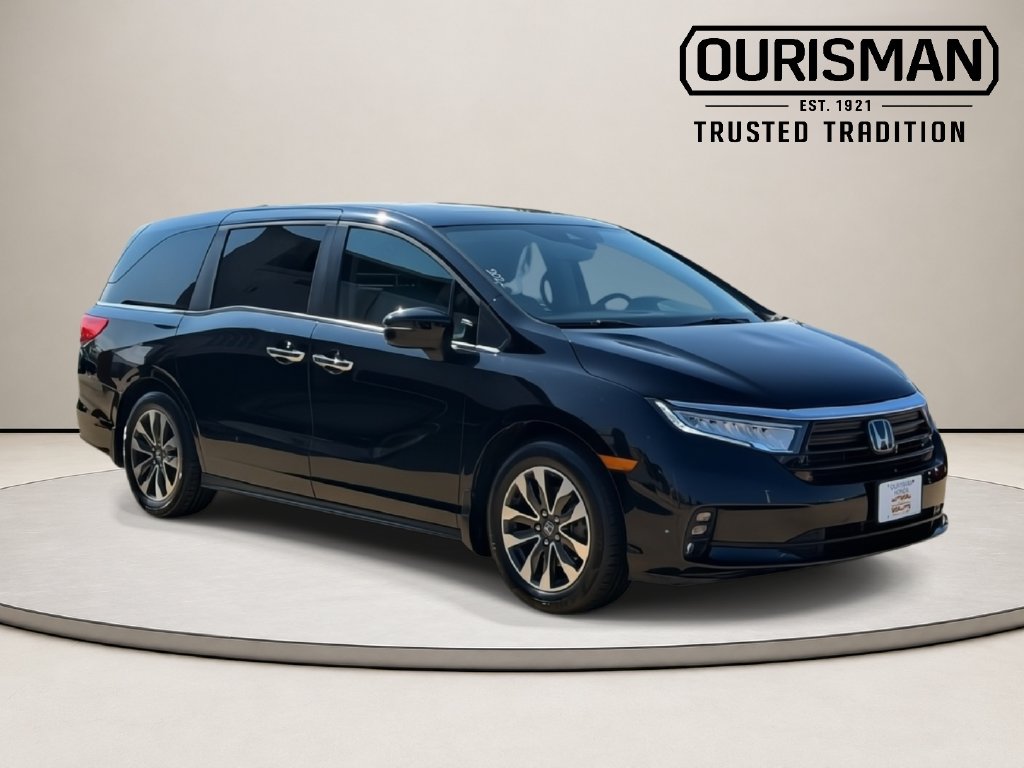
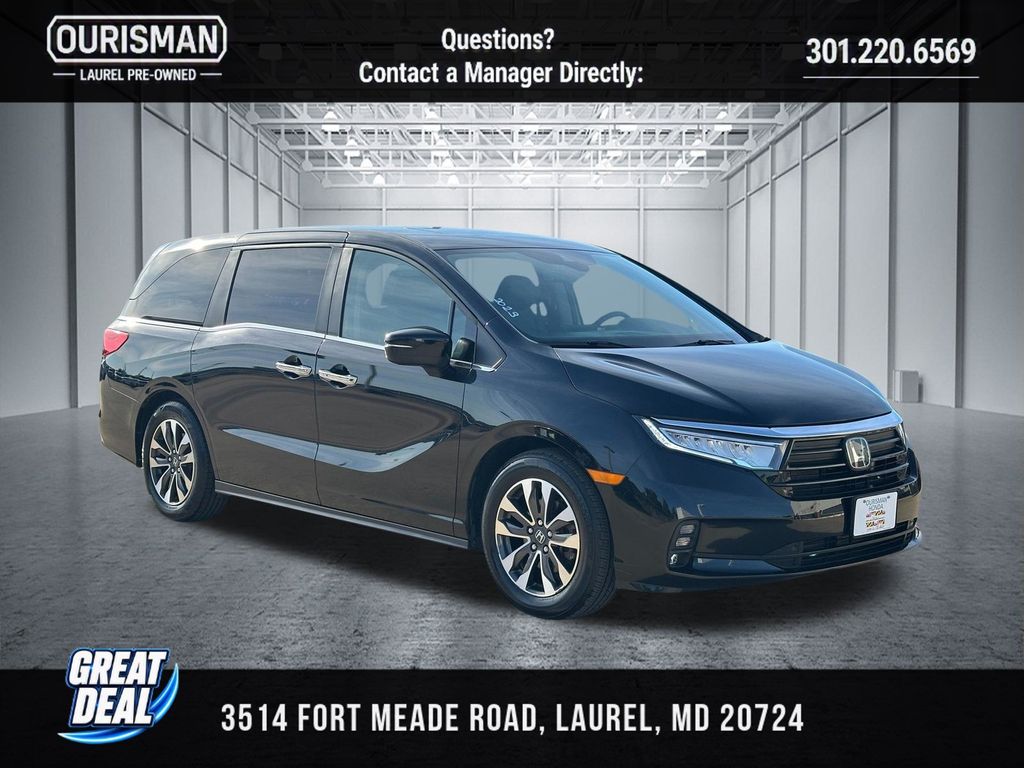
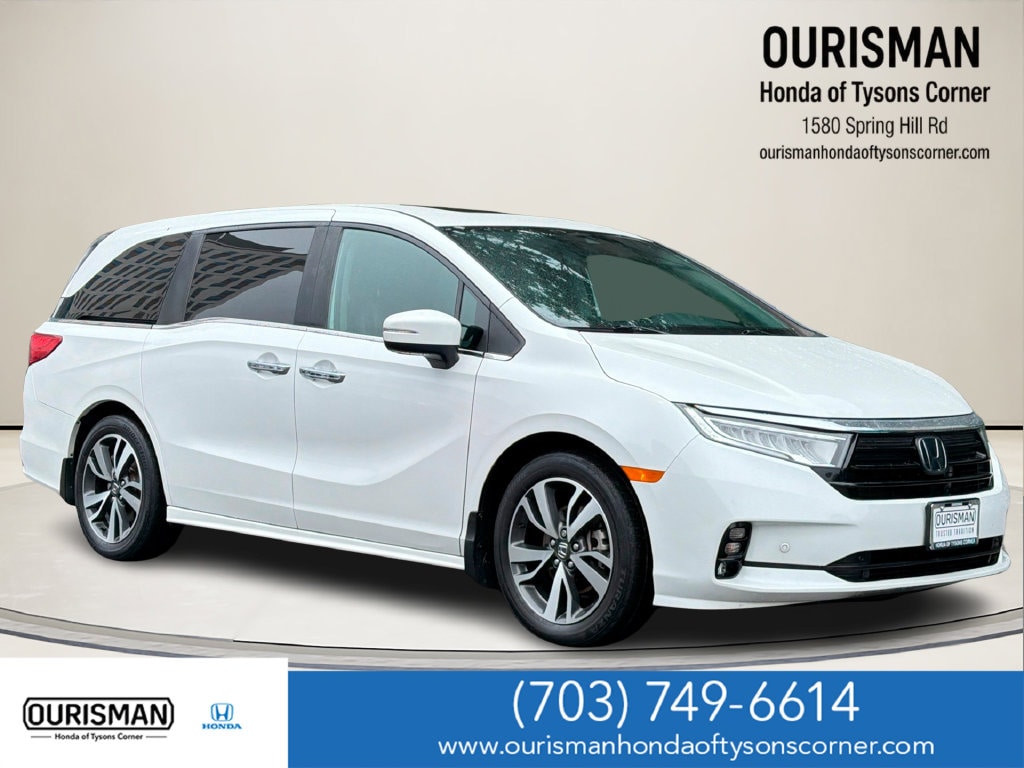
For import purposes the two relevant generations are the fourth (2011–2017) and the fifth (2018-onward, the RL6). The fourth-generation Odyssey established the modern formula: a low, wagon-like van with a powerful V6, sliding rear doors, and a flexible three-row cabin. The fifth generation, launched for 2018, moved to a stiffer platform, added the Magic Slide second-row seats, family-focused technology like CabinWatch and CabinTalk, and a wider spread of transmissions. A mid-cycle refresh around 2021 updated the styling and standardised the ten-speed automatic on higher trims. A newer Sport trim broadened the range later in the cycle. Both generations are widely available used.
Powertrain lineup
Every US Odyssey of these generations uses Honda's 3.5-litre J35 V6, producing around 248 hp in the fourth generation and about 280 hp in the fifth, with Variable Cylinder Management (VCM) that can deactivate cylinders to save fuel. Transmissions vary and matter for buyers: fourth-generation cars use a five- or six-speed automatic; early fifth-generation cars (2018–2020) mix a nine-speed automatic on some trims with the ten-speed automatic on Touring and Elite; from 2021 the ten-speed became more widespread. Crucially, the Odyssey is front-wheel drive only — unlike the Toyota Sienna or Chrysler Pacifica, there is no all-wheel-drive option, so every imported Odyssey drives the front wheels.
Trims in the US market
The Odyssey is a single body: a long minivan with dual power sliding doors. US trims run LX, EX, EX-L, Touring and Elite, with a Sport added later. Higher trims bring the Magic Slide second row, built-in vacuum (HondaVAC on Touring/Elite), rear entertainment, CabinWatch camera and CabinTalk intercom, ventilated front seats, a premium audio system and a hands-free tailgate. The Elite is the fully loaded flagship. For an import buyer, an EX-L or Touring often hits the sweet spot of equipment and value.
The used market stateside
The Odyssey sold in very large numbers as a mainstream family van, so the American used market is deep and varied. You will find everything from high-mileage family workhorses to lower-mileage, well-kept examples. Because many Odysseys served long family lives, careful history and condition checking is essential — but the upside is strong availability and a wide choice of trims and model years. Cars from dry, salt-free southern and western states are particularly attractive for underbody condition. Well-documented one- or two-owner Touring and Elite examples are the ones worth waiting for.
Who should import one
A used Odyssey import suits a large family or anyone who needs genuine eight-seat space, long-distance comfort and a durable, torque-rich V6 without the complexity of a modern turbo engine. It is ideal for buyers who want a proper American minivan — sliding doors, flat-folding third row, family tech — that European brands no longer really build. Because it is US-assembled, it is also one of the more customs-favourable imports in this list, provided the VIN documents the Alabama origin.
Key specifications
| Attribute | Detail (US-market Honda Odyssey) |
|---|---|
| Body style | Long minivan, dual power sliding doors |
| Generations | 4th gen 2011–2017; 5th gen (RL6) from 2018 |
| Engine | 3.5 L J35 V6 with Variable Cylinder Management |
| Output (4th gen) | approx. 248 hp |
| Output (5th gen) | approx. 280 hp / 355 Nm |
| Transmissions | 5/6-speed (4th gen); 9-speed and 10-speed auto (5th gen) |
| Drivetrain | Front-wheel drive only |
| Fuel | Petrol |
| Seating | 7–8 (Magic Slide second row on 5th gen) |
| Trims | LX, EX, EX-L, Touring, Elite (later Sport) |
| Key features | CabinWatch, CabinTalk, HondaVAC, power tailgate |
| Assembly | Lincoln, Alabama, USA |
| Origin | US-built (VIN-dependent for 0% duty) |
| Segment | Full-size minivan |
How reliable is it?
The Odyssey has a strong overall reliability reputation, but there are well-known patterns worth checking. The J35 V6 is durable, yet the Variable Cylinder Management system is associated with higher oil consumption and, on some engines, premature spark-plug fouling or motor-mount wear from the cylinder-deactivation cycling; many owners fit a VCM-disabling device. On fourth-generation and early fifth-generation cars the transmission deserves scrutiny — some six-speed units suffered torque-converter judder, and the early nine-speed (ZF-based) automatic drew complaints about hesitant or clunky shifts; confirm fluid-service history and test for smooth changes. Power sliding doors and the tailgate can develop actuator or cable faults, so operate every door. Infotainment freezes and the occasional VSA/electrical warning appear on some cars. Air conditioning and rear-climate components are worth checking on higher-mileage examples. None of these are deal-breakers, but they define what to inspect on a used Honda Odyssey.
What US models do differently
US Odysseys run mph-primary instruments, US federal lighting without a rear fog lamp, amber or combined rear signals depending on year, and North American navigation and radio. The family tech (CabinWatch, CabinTalk, rear entertainment) is US-oriented. Fuel is regular petrol. The lighting and instrumentation must be adapted to ECE standards for German approval, which is routine work on this vehicle.
Seven steps to your import
Begin by selecting the specific van — generation, trim and transmission. Decode the VIN and confirm the Alabama assembly for the customs origin case, place funds in escrow, and book ocean freight from a US port to Bremerhaven or Rotterdam. On arrival the Odyssey clears EU customs, then goes through a TÜV individual approval (§21 StVZO) with any required modifications, followed by German registration. USCar Trader coordinates each stage as your intermediary while you remain the importer of record.
Customs, taxes and costs explained
Remember: no origin proof, no 0% duty – and 19% German import VAT is due on every import.
Keep the two charges apart. Because the Odyssey is assembled in Alabama, it is a strong candidate for US origin — and the reduced 0% EU import-duty rate under Regulations (EU) 2026/1455 and 2026/1461 can apply to US-built cars on direct transport between 1 July 2026 and 31 December 2029. This is never automatic or guaranteed: it depends on the VIN and plant code actually proving US assembly, and on the direct-transport condition being met. If origin cannot be documented, the standard passenger-car duty applies. Separately, the 19% German import VAT (Einfuhrumsatzsteuer) always applies, calculated on customs value plus any duty — there is no exemption. We quote no margin; every figure follows the documented origin.
German TÜV and registration
Typical work for a US Odyssey includes fitting a rear fog lamp, adapting the headlights to the ECE beam pattern, and setting the speedometer to km/h; the odometer must be documented in kilometres or correctly converted. After the individual approval confirms emissions and safety compliance, the paperwork lets you register the van and obtain German plates.
The buyer checklist
- Decode the VIN and confirm the Alabama plant to support the US-origin customs case.
- Pull a full Carfax or AutoCheck history — accidents, title brand, service records.
- Verify a clean title (no salvage, rebuilt or flood).
- Check for VCM-related oil consumption and review oil-change history.
- Test the transmission for judder or harsh shifts, especially on early nine-speed cars.
- Operate every power sliding door and the tailgate for actuator faults.
- Inspect the underbody for corrosion and match the odometer to records.
Questions and answers
Can I import a used Honda Odyssey to Germany?
Yes. As a used vehicle it can be imported, cleared and registered after a TÜV individual approval; USCar Trader acts as your independent broker.
Does the Odyssey qualify for 0% EU import duty?
It can, because it is US-built in Alabama — but only if the VIN proves US origin and the direct-transport conditions are met. It is never automatic or guaranteed.
Is German import VAT always due?
Yes. The 19% Einfuhrumsatzsteuer applies to every import and is calculated on customs value plus any duty.
Is the Honda Odyssey available with all-wheel drive?
No. Every US Odyssey is front-wheel drive; there is no AWD option, unlike some rival minivans.
What are the Odyssey's common problems?
VCM-related oil use, early nine-speed and older six-speed transmission behaviour, and power sliding-door actuators are the main things to check.
Which transmission should I look for?
The ten-speed automatic on later fifth-generation Touring and Elite cars is generally the most refined; verify service history whichever you choose.
What does the TÜV require?
Typically a rear fog lamp, ECE-compliant lighting and a km/h speedometer; the exact list is set at inspection.
How long does the import take?
Ocean freight plus clearance and approval usually spans several weeks depending on shipping schedules.
To begin, explore Honda in the Carhub, compare related minivans such as the Chrysler Pacifica, the Kia Carnival and the Chrysler Voyager, or view current Honda Odyssey listings.