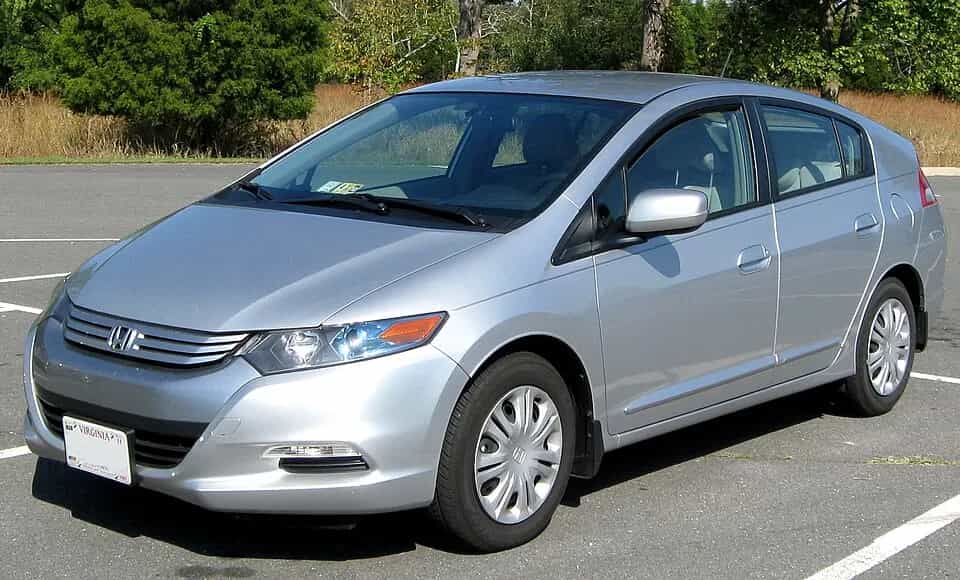
Honda Insight

Importing a used Honda Insight from the USA

The Honda Insight is one of the more interesting hybrids to bring across the Atlantic, precisely because it was never a mainstream seller in Germany. In the US it sold in far larger numbers and across three distinct generations, which means the American used market gives you access to body styles and model years that were rare or never officially offered here. As an independent broker, USCar Trader sources these cars directly from US sellers and auctions on your behalf, without acting as a dealer or carrying stock. If you want a clean, well-documented hybrid sedan with a genuine Honda drivetrain, importing a used Honda Insight from the USA is a realistic project.

Honda insight – used car imported from the USA
Photo: IFCAR · Public domain · Wikimedia Commons

Model history: years and generations

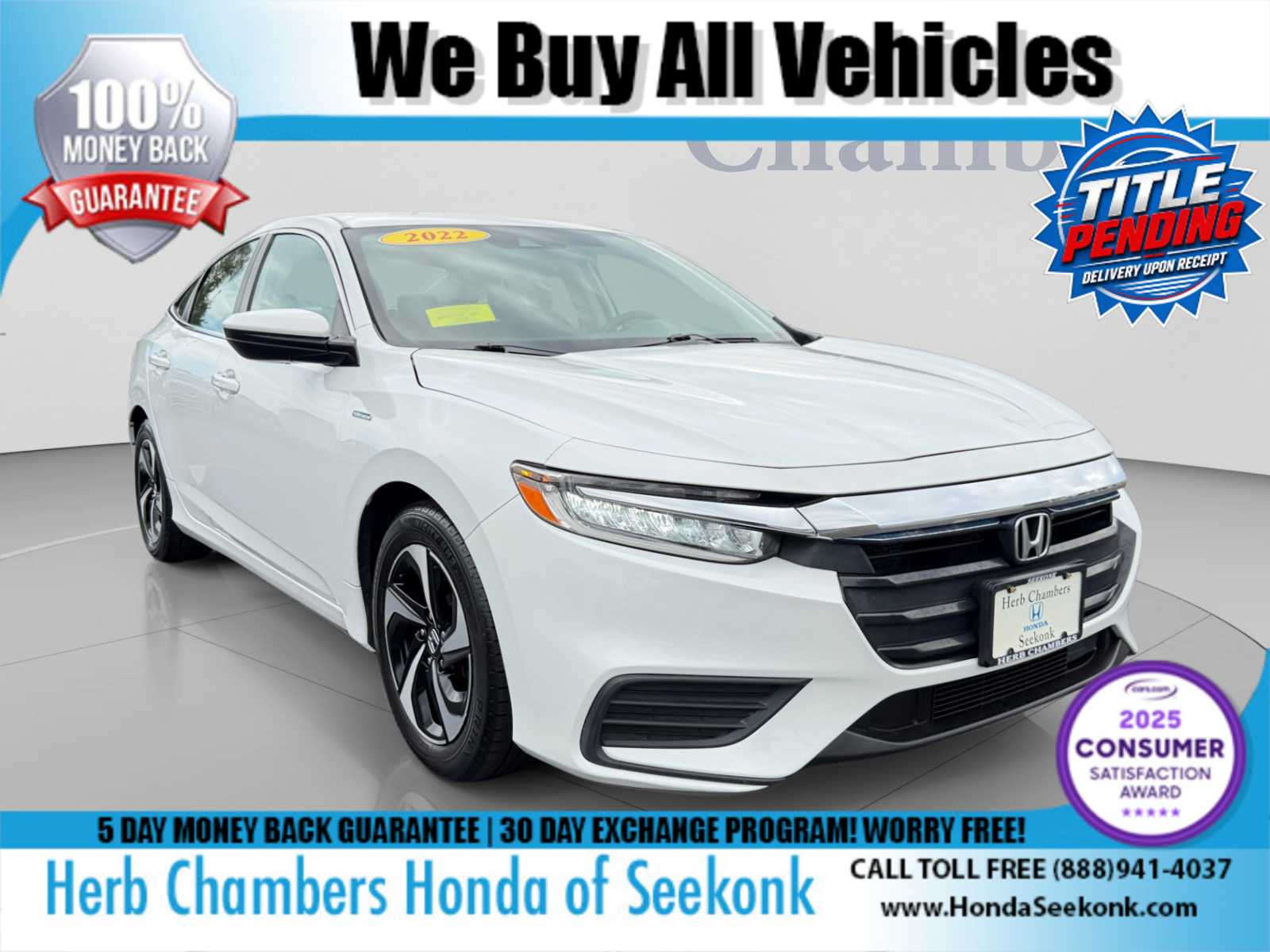
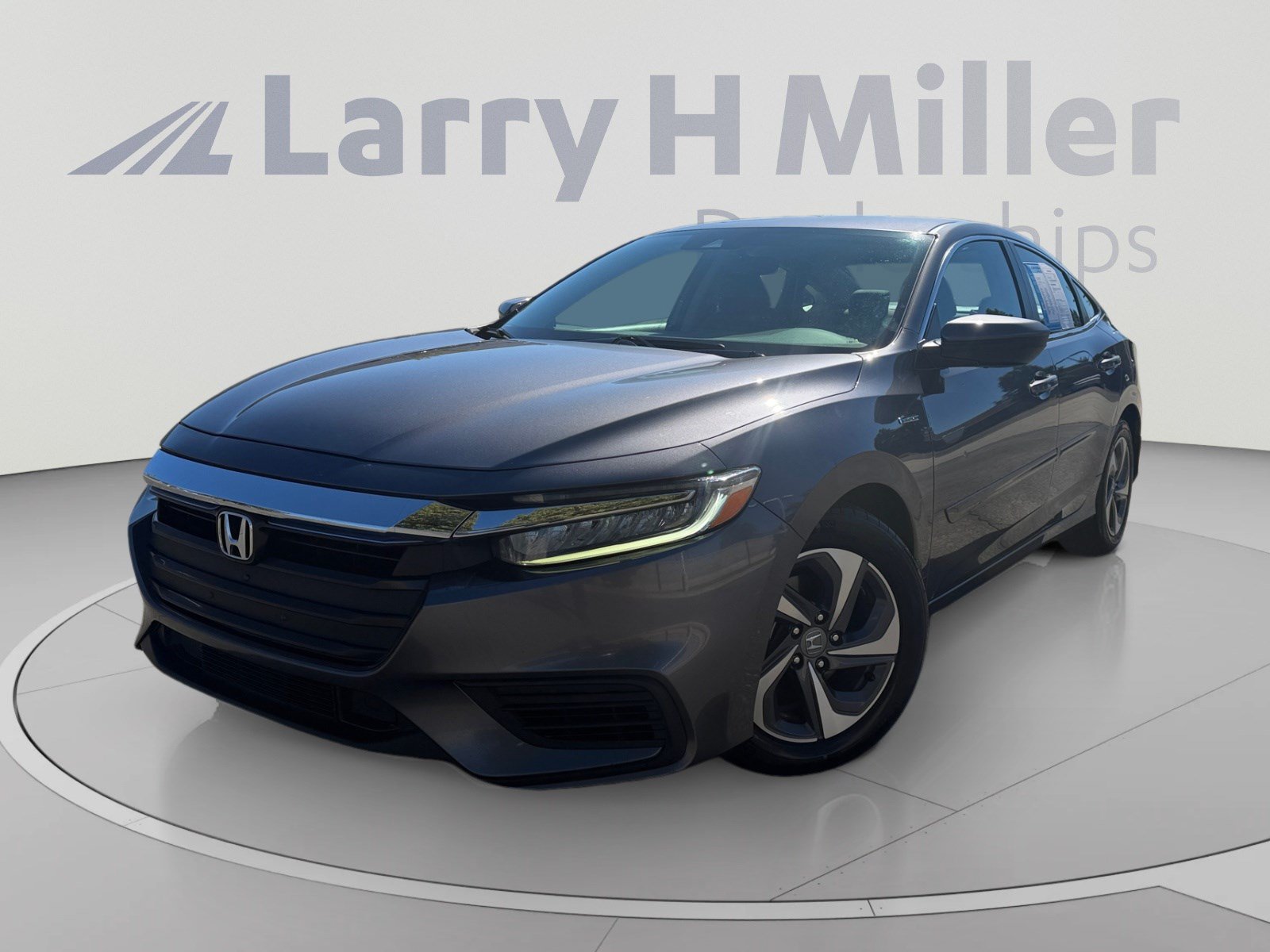
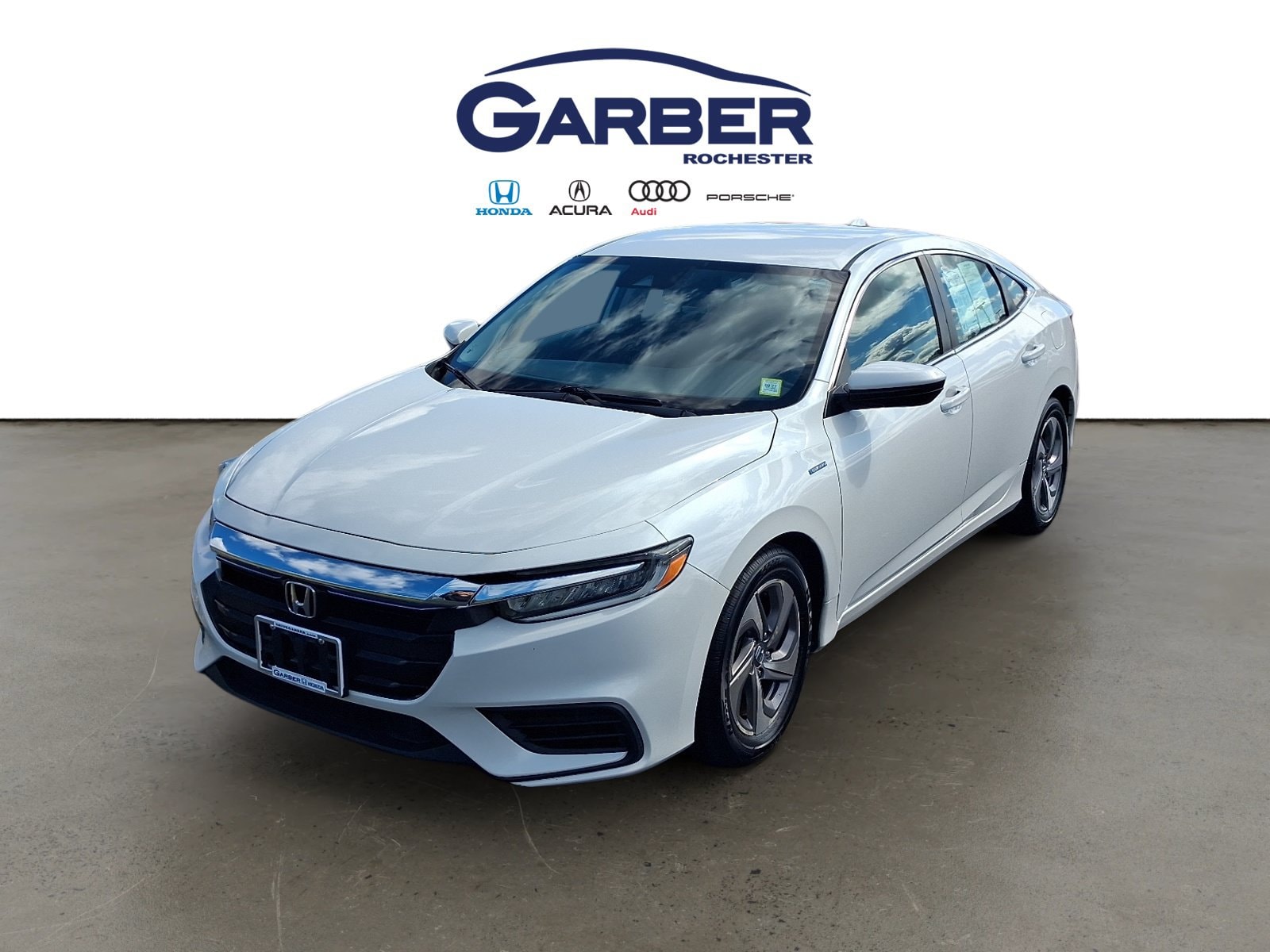
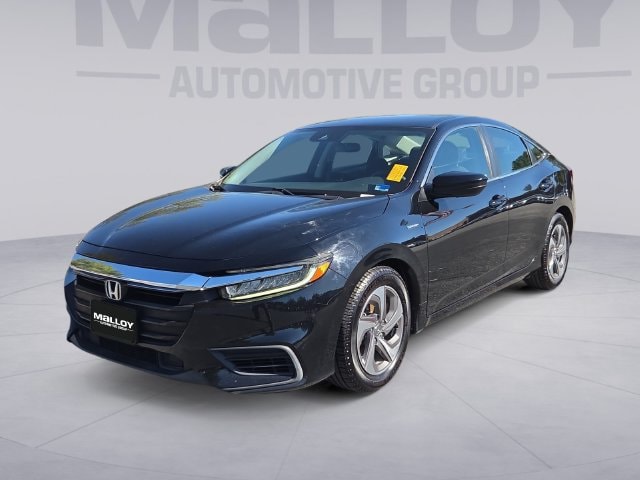
The nameplate covers three very different cars. The first-generation Insight (2000-2006) was a two-seat aluminium coupe with a teardrop tail and covered rear wheels, powered by a 1.0-litre three-cylinder with Honda's Integrated Motor Assist (IMA). It was a technology halo car and today a collector curiosity. The second generation (2010-2014) switched to a practical five-door hatchback on a dedicated platform, with a 1.3-litre IMA system aimed squarely at the Toyota Prius. The third generation (2019-2022) is the one most buyers want: a handsome four-door sedan sharing its platform with the tenth-generation Civic, using Honda's two-motor i-MMD hybrid instead of the older IMA belt-assist setup. If you are searching for a used Honda Insight sedan, you are almost always looking at this last generation.

Engines, transmissions and drive

The third-generation car pairs a 1.5-litre Atkinson-cycle four-cylinder (petrol) with a two-motor hybrid system. One motor drives, the other generates; at most speeds the wheels are turned by the electric motor while the engine acts as a generator, clutching in for a direct mechanical drive only at higher cruising speeds. Combined output is around 151 hp, with strong low-speed torque from the traction motor. There is no conventional automatic gearbox and no CVT belt in the usual sense — Honda uses a fixed-ratio lock-up clutch, which is one reason the system feels smoother than earlier IMA cars. The older second-generation hatchback used a lighter 1.3-litre IMA engine with a CVT and a nickel-metal-hydride battery; it is simpler but noticeably less refined and slower.

Equipment lines and body styles

In its final sedan form the US Insight came as LX, EX and Touring. LX is the honest base car; EX adds alloy wheels, a larger touchscreen with Apple CarPlay and Android Auto, and Honda Sensing driver assistance as standard; Touring adds leather, navigation, a premium audio system and LED headlights. The second-generation hatchback was sold as base and EX. Because the Insight was never a performance model, there are no sport or all-wheel-drive variants — every US Insight is front-wheel drive, which keeps things simple for a European import.

The US used market

Supply is best for 2019-2022 sedans and 2010-2014 hatchbacks. Typical third-generation cars now show moderate mileage and were often used as economical commuters, so full service histories and clean interiors are common. Hybrid batteries in these cars have proven durable, but as with any used hybrid you want evidence that the pack has not been flagged. First-generation two-seaters exist but are scarce, frequently modified, and better treated as an enthusiast purchase than a daily driver. Condition on the sedans is generally good because they are recent cars; rust is rarely a structural issue on vehicles from drier states.

Is an import right for you?

The Insight suits a buyer who wants Honda hybrid engineering and Civic-level refinement in a quieter, more grown-up wrapper than the Prius, and who does not mind that the car was uncommon in Germany. It is a sensible import for anyone chasing low running costs, a comfortable ride and a discreet appearance rather than badge prestige. If you need all-wheel drive, a large boot or towing capacity, look elsewhere — but for an efficient, well-built used hybrid sedan, importing one from the USA opens up a far bigger and often better-documented pool of cars than the domestic market offers.

Specs at a glance

ItemDetail (3rd-gen sedan, typical)
Body styleFour-door sedan (2nd gen: five-door hatchback)
Petrol engine1.5 L Atkinson-cycle four-cylinder
Hybrid systemTwo-motor i-MMD (IMA on earlier cars)
Combined outputapprox. 151 hp
Transmissione-CVT with fixed lock-up clutch
DriveFront-wheel drive
BatteryLithium-ion (NiMH on 2nd gen)
0-100 km/happrox. 8 seconds
Lengthapprox. 4,675 mm
Wheelbaseapprox. 2,700 mm
Boot capacityapprox. 450 litres
Kerb weightapprox. 1,320-1,390 kg
FuelPetrol (self-charging hybrid)
Seats5 (2 on 1st gen)

Common issues buyers should know

The third-generation Insight has a strong reliability record; it shares most mechanical parts with the Civic, so components and know-how are widely available. The main historical Insight common problem sits with the older IMA cars: the second-generation battery packs can lose capacity over time, triggering reduced assist and, in some cases, a battery warning. On i-MMD sedans the more frequent complaints are software-related infotainment glitches on early 2019 cars and occasional 12-volt battery drain if the car sits unused. Brake feel from the regenerative system takes familiarisation but is not a fault. As always with a used Honda Insight, a pre-import battery health check is money well spent.

Differences from the European version

US cars run amber front side-marker lights, often lack a rear fog lamp, and use miles-per-hour instruments. Infotainment is set to US navigation maps and, on some cars, AM/FM/SiriusXM tuning that has no European equivalent. Daytime running lights and headlight beam patterns follow US regulations. None of these are obstacles, but each is a line item on the TÜV list below. Mechanically the drivetrain is identical to what Honda sold elsewhere, so servicing in Germany is straightforward.

Import step by step

The process runs in a clear sequence: vehicle selection from US listings or auctions; a VIN and origin check to establish where the car was actually built and whether documents are clean; payment protection through escrow so funds are only released on delivery; inland transport to the export port and ocean freight to a European port such as Bremerhaven; customs clearance on arrival; a technical inspection and, where needed, individual approval (Einzelabnahme) at the TÜV; and finally registration at your local authority. As your broker we coordinate these steps; we do not add a hidden vehicle margin.

Customs and taxes: what applies

In short: the 0% duty rate applies only with documented US origin (VIN/plant) – German import VAT of 19% is always due.

Two separate charges apply and it helps to keep them apart. First, the EU import duty: since 1 July 2026 a 0% rate applies to used passenger cars of provable US origin under Regulations (EU) 2026/1455 and 2026/1461, valid for direct transport until 31 December 2029. The Insight is a genuinely mixed case — third-generation sedans were built in Greensburg, Indiana (US origin, which can support 0%), while second-generation hatchbacks came from Suzuka in Japan (non-US, so the standard third-country rate applies). The VIN and build plate decide this per car; nothing is duty-free by default. Second, and always: the 19% German import VAT (Einfuhrumsatzsteuer) is levied on the customs value regardless of origin. We never quote a guaranteed duty rate before the VIN is verified.

Modifications and single-vehicle approval

Typical work to pass German type approval includes converting or adding a rear fog lamp, adjusting or replacing headlights for the correct beam pattern, confirming the side-marker situation, and verifying that the odometer can be read and documented in kilometres for the paperwork. On a recent sedan these changes are modest. Once the TÜV issues its report and the individual approval is granted, registration follows the normal route with your insurance confirmation and customs clearance documents.

What to verify before buying

Before committing, work through: (1) decode the VIN and confirm the build plant and origin; (2) pull a Carfax or AutoCheck report for accident, title and odometer history; (3) confirm the title is clean, not salvage or rebuilt, unless you knowingly accept that; (4) check hybrid battery health and any stored warning codes; (5) inspect underbody and wheel arches for rust, especially on cars from northern states; (6) verify service records and the last major maintenance; (7) request detailed photos of tyres, brakes and interior wear.

Common questions

Is the Honda Insight a reliable used import?

Yes. The third-generation sedan in particular has a solid reliability record and shares parts with the Civic, making German servicing easy. Older IMA cars need a battery health check.

Does the 0% EU import duty always apply to the Insight?

No. It applies only with provable US origin. US-built sedans can qualify; Japan-built hatchbacks do not. The VIN decides each case.

Is the 19% import VAT avoidable?

No. German Einfuhrumsatzsteuer of 19% applies to every imported car regardless of origin and is charged separately from any duty.

Which generation should I import?

For daily use, the 2019-2022 i-MMD sedan is the strongest choice. The hatchback is cheaper but older; the two-seat first generation is a collector item.

Can I get parts and service in Germany?

Yes. The drivetrain and much of the running gear are shared with globally sold Hondas, so wear parts and consumables are readily available.

Is all-wheel drive available?

No. Every Insight is front-wheel drive across all generations.

How long does the import take?

Allow roughly six to twelve weeks from purchase to registration, depending on shipping schedules and TÜV appointments.

Ready to start? Explore Honda in the Carhub, compare the closely related Honda Accord and Honda Civic, or look at the hybrid rival Toyota Prius. When you are ready to buy, see the current Insight listings.