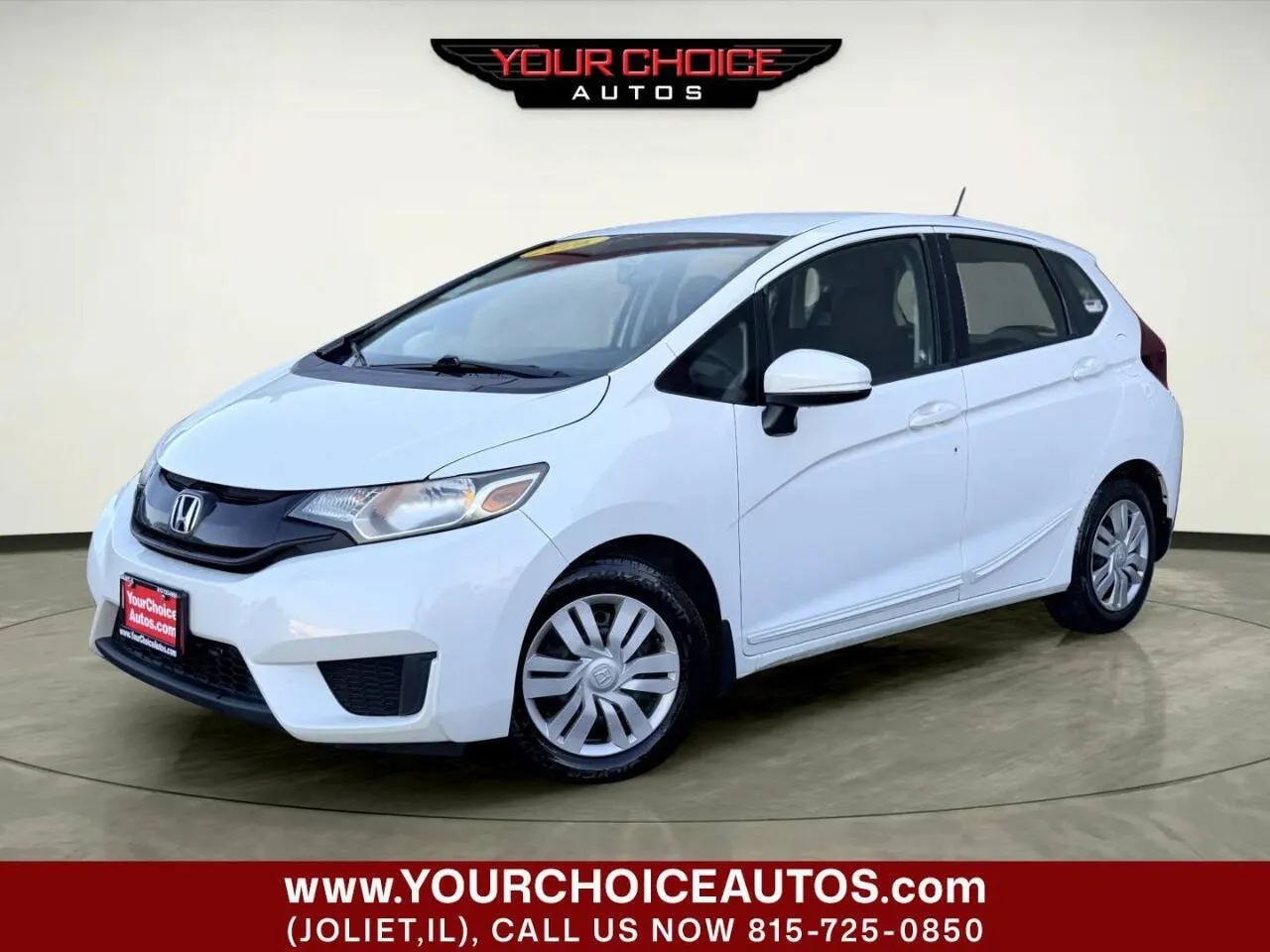
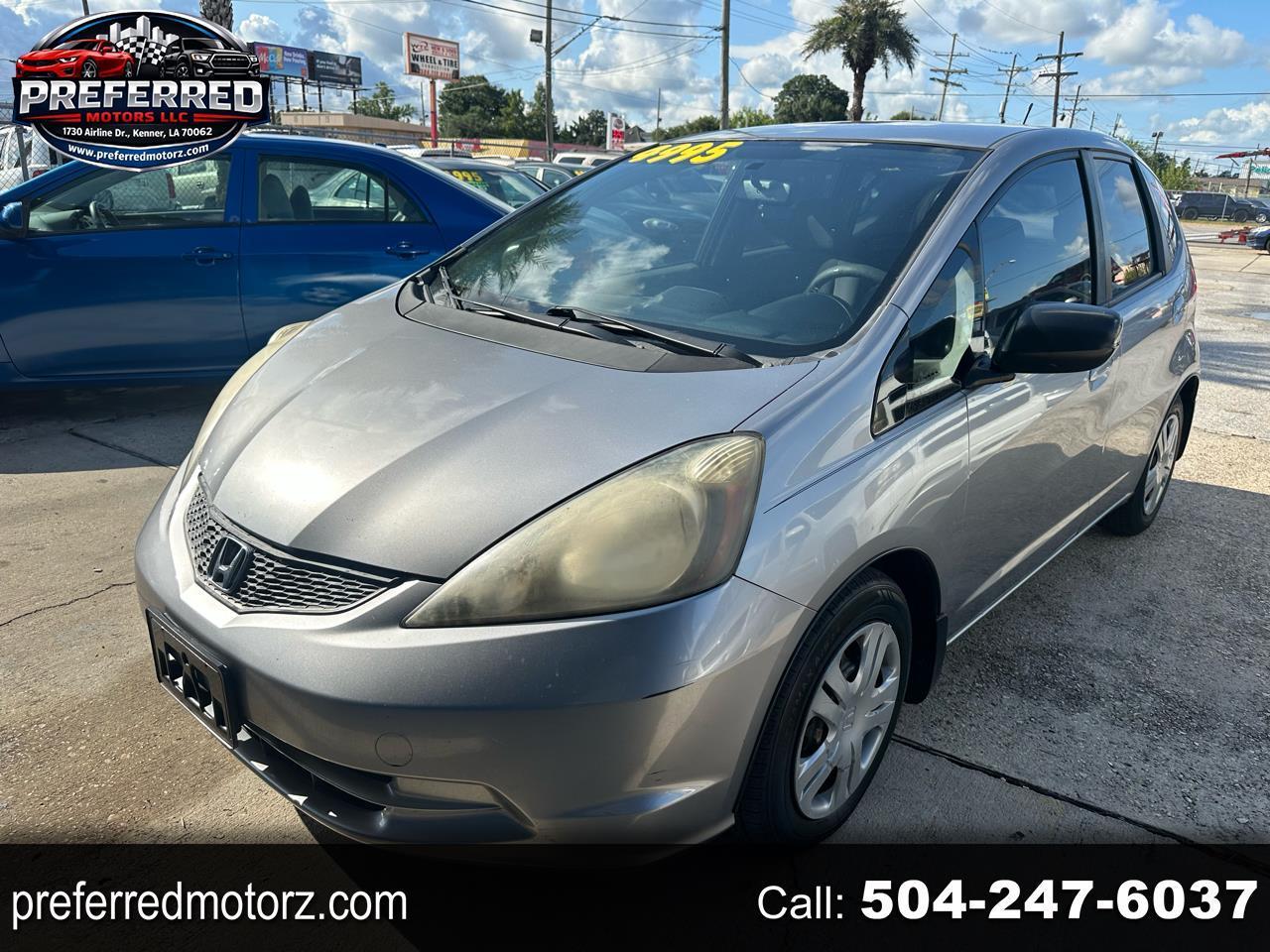
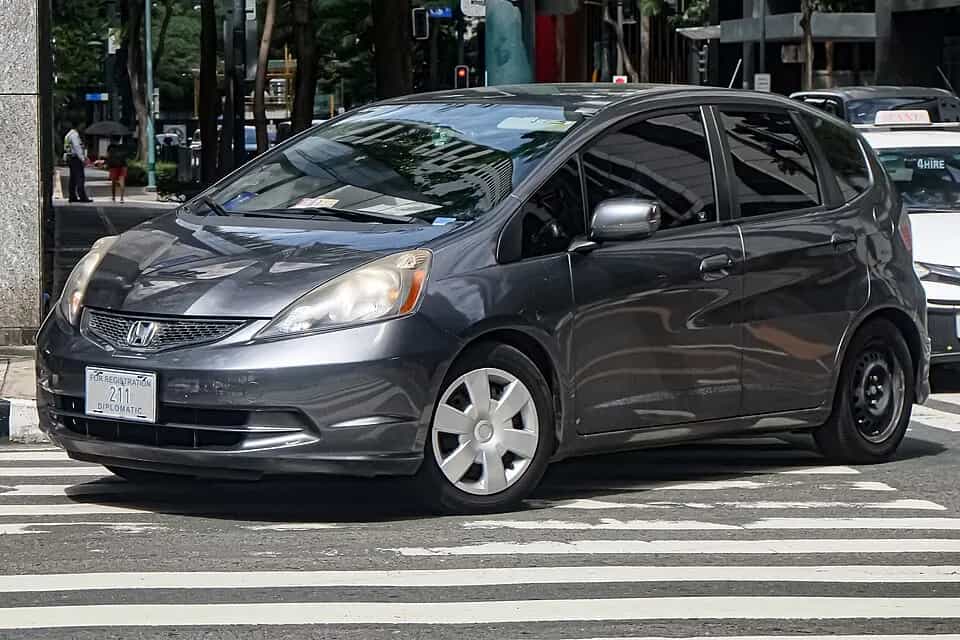
Honda Fit

Importing a used Honda Fit from the USA

Europeans know this car as the Jazz, but in North America it wears the Fit badge, and the US used market holds a large pool of clean, sensibly priced examples. The Fit is a masterclass in packaging — a subcompact with the interior space of a class above, thanks to Honda's centre-mounted fuel tank and the clever Magic Seat. For an importer, the appeal is a rock-solid small Honda with specific US-market trim, colour or condition that beats what is locally available. USCar Trader operates strictly as an independent broker for used vehicles: no new cars, no dealer margin, no manufacturer partnership.

Honda Fit – used car imported from the USA
Photo: Ethan Llamas · CC BY-SA 4.0 · Wikimedia Commons

From launch to today

North America received the second-generation Fit (GE, 2009–2013 model years) and the third-generation Fit (GK, 2015–2020). The first generation was not sold in the US. The second-gen car established the Fit's reputation for space and frugality; the third-gen car, launched for 2015, moved to a new platform with the Earth Dreams 1.5-litre engine, a roomier cabin and available touchscreen infotainment. Honda withdrew the Fit from the US after the 2020 model year, replacing it in the lineup with the HR-V. Build sources varied: US Fits came from Japan and, for the third generation, also from Honda's Celaya plant in Mexico — a distinction that matters for customs origin.

Engines and drivetrain in detail

Both US generations use a 1.5-litre four-cylinder. The second-gen L15A i-VTEC produced around 117 hp, offered with a five-speed manual or five-speed automatic. The third-gen L15B (Earth Dreams, direct injection) produced roughly 128–130 hp and paired with a six-speed manual or a CVT. All US Fits are front-wheel drive. The manual cars are prized by enthusiasts for their eager nature; the CVT cars are the volume choice for economy-minded buyers.

Trim levels and variants

The Fit is exclusively a five-door hatchback. US trims ran Base/LX, Sport and EX, with the higher grades adding alloy wheels, touchscreen infotainment, a reversing camera and, on the third-gen EX, Honda Sensing driver aids in later years. The signature feature across all trims is the Magic Seat, whose rear cushions fold flat or flip up to swallow bulky cargo — a genuine reason to choose a Fit over rivals.

Used availability in the USA

Supply is plentiful and geographically spread. When you import a used Honda Fit from the USA, you will find everything from base commuter cars to enthusiast-owned Sport manuals. Prioritise cars from dry states to avoid corrosion, check for the honest, high-mileage commuter history typical of the model, and favour documented single-owner examples. Manual-gearbox cars are less common and worth seeking if you value driver engagement.

When importing makes sense

The Fit suits the buyer who wants a supremely practical, economical and reliable small car with a specific US specification — perhaps a manual Sport, or a colour and trim not offered as a European Jazz. It is ideal for city use, first cars and anyone who values cargo flexibility out of all proportion to the footprint. If you need all-wheel drive or long-distance refinement, look further up the range.

Facts and figures

AttributeDetail
Generations (US)2nd gen GE (2009–2013), 3rd gen GK (2015–2020)
Body style5-door hatchback
Gen 2 engine1.5L L15A i-VTEC (~117 hp)
Gen 3 engine1.5L L15B Earth Dreams (~128–130 hp)
Transmissions5-speed manual/auto (Gen 2); 6-speed manual or CVT (Gen 3)
DriveFront-wheel drive
AssemblyJapan; Mexico (Celaya) for Gen 3
Length (Gen 3)~4,065 mm
Seating5
Key featureMagic Seat folding system
FuelPetrol
Fuel tank locationCentre-mounted (under front seats)
Cargo (seats folded)Class-leading for the segment
Production end (US)2020

Reliability and common problems

Honda Fit reliability is excellent, which is a big part of why these cars are worth importing. The main caveats are specific. On the third-generation CVT, early 2015 cars had software and, in some cases, hardware issues that Honda addressed under recall and extended warranty — confirm the updates were applied and check for any judder. The L15B direct-injection engine can accumulate intake-valve carbon over high mileage, a trait of most GDI engines. Some 2015 cars were recalled for software affecting stability control and, separately, for interior trim. Beyond that, expect the usual small-car wear: worn suspension bushings, tired motor mounts causing vibration, and air-conditioning compressor wear on older second-gen cars. A well-serviced Fit is among the lowest-risk used imports you can choose.

How US versions differ

US Fits carry MPH instruments, US lighting logic and usually no rear fog lamp, plus US-configured infotainment. The mechanical package is close to the European Jazz, but trim, colours and driver-assist calibration differ. TUEV and inspection resolve the compliance items.

From US purchase to registration

Choose the car; decode the VIN and confirm the build plant (Japan or Mexico) to establish origin; agree terms and use escrow so funds release only on delivery; arrange inland transport and ocean freight to a port such as Bremerhaven; clear EU customs; present for TUEV individual approval with the required modifications; then register the car locally. USCar Trader manages the sequence.

Costs, duty and taxes at a glance

Bottom line: what matters is the factory shown by the VIN – proven US origin unlocks 0% duty. The 19% import VAT always applies.

Two distinct charges apply. Import duty: the 0% rate under Regulations (EU) 2026/1455 and 2026/1461 (in force 1 July 2026 to 31 December 2029, direct transport) applies only where US origin is provable via the VIN and plant. A Japan-built or Mexico-built Fit does not meet US-origin criteria, so the duty follows the car's actual origin rather than the 0% US rate. Separately and in all cases, the 19% German import VAT (Einfuhrumsatzsteuer) applies to every imported car. We never promise duty-free imports and never build in a hidden margin.

TÜV, approval and license plates

Typical work covers fitting or activating a rear fog lamp, adapting the lighting to ECE requirements, addressing the MPH speedometer and confirming the odometer for the individual approval. Once TUEV issues its report, registration follows normally.

Pre-purchase checklist

Before buying any used Fit, verify:

  • VIN decode and build plant (this determines the customs classification).
  • Carfax or AutoCheck history for accidents, salvage and title branding.
  • On 2015 CVT cars, that all recalls and software updates were completed.
  • Underbody and arches for rust; favour dry-state cars.
  • Service records and evidence of regular oil changes.
  • Clean, non-salvage title.
  • Magic Seat, air-conditioning and all electronics working.

Import FAQ

Can I import a used Honda Fit from the USA?

Yes. Both US generations can be imported and registered after customs clearance and TUEV.

Does a US Honda Fit qualify for the 0% import duty?

Generally no. US Fits are built in Japan or Mexico, so they typically fail the US-origin test and the duty follows their actual origin.

Does the 19% import VAT apply?

Yes. German import VAT applies to every imported car, separately from any customs duty.

Is the Fit the same as the Honda Jazz?

Essentially yes — the Fit is the North American name for the car sold as the Jazz in Europe, with US-specific trim and equipment.

Are the CVT cars reliable?

Later cars are dependable. On early 2015 CVTs, confirm the recall and software updates were carried out.

Which is better, manual or CVT?

The manual is more engaging and avoids CVT concerns; the CVT is smoother and more economical. Choose by preference.

How long does the import take?

Typically several weeks including freight, clearance and TUEV, depending on schedules.

Can you inspect the car before I pay?

Yes. We arrange inspection and use escrow so funds release only on delivery.

Browse more Honda in the Carhub, compare the Honda Civic and Honda HR-V, or view current Fit listings.