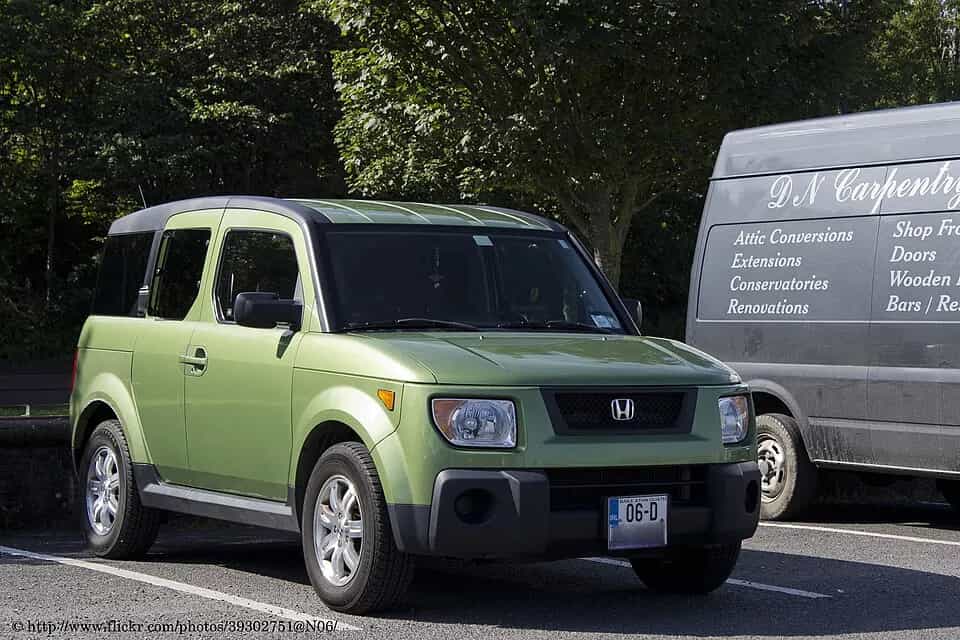
Honda Element

Importing a used Honda Element from the USA

The Honda Element is one of those cars that Europe largely missed and North America quietly loved. Boxy, upright, with clamshell rear doors and a wipe-clean interior, it was built for dogs, surfboards, bikes and mud — a compact SUV that treated practicality as a design language rather than an afterthought. It was never sold new in Germany, so importing a used Element from the USA is the way to get one here. As an independent broker for used US vehicles, USCar Trader locates the right example, verifies its history and origin, and manages transport, customs and the paperwork end to end.

Honda element – used car imported from the USA
Photo: Spanish Coches · CC BY 2.0 · Wikimedia Commons

Model history and generations

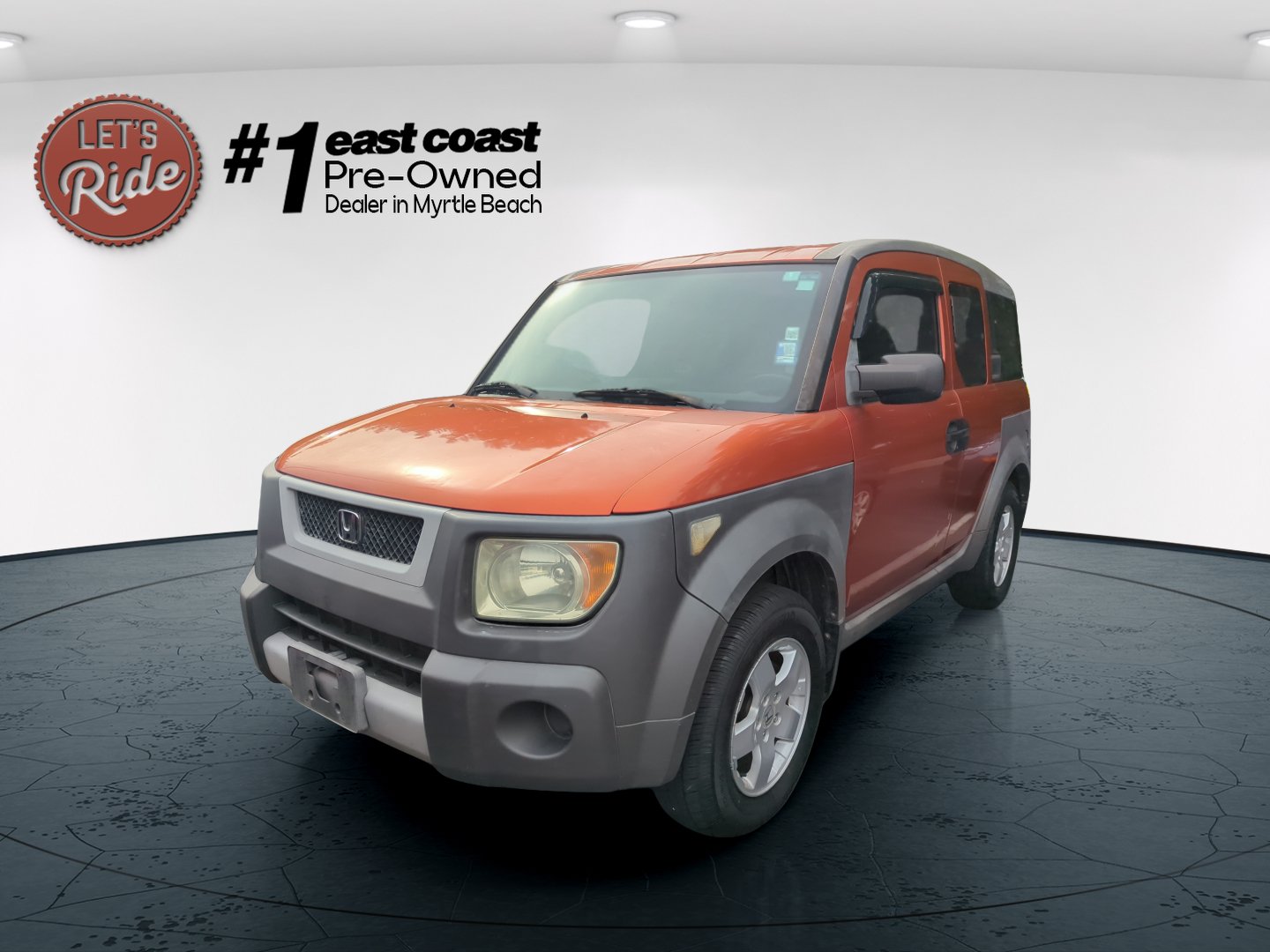
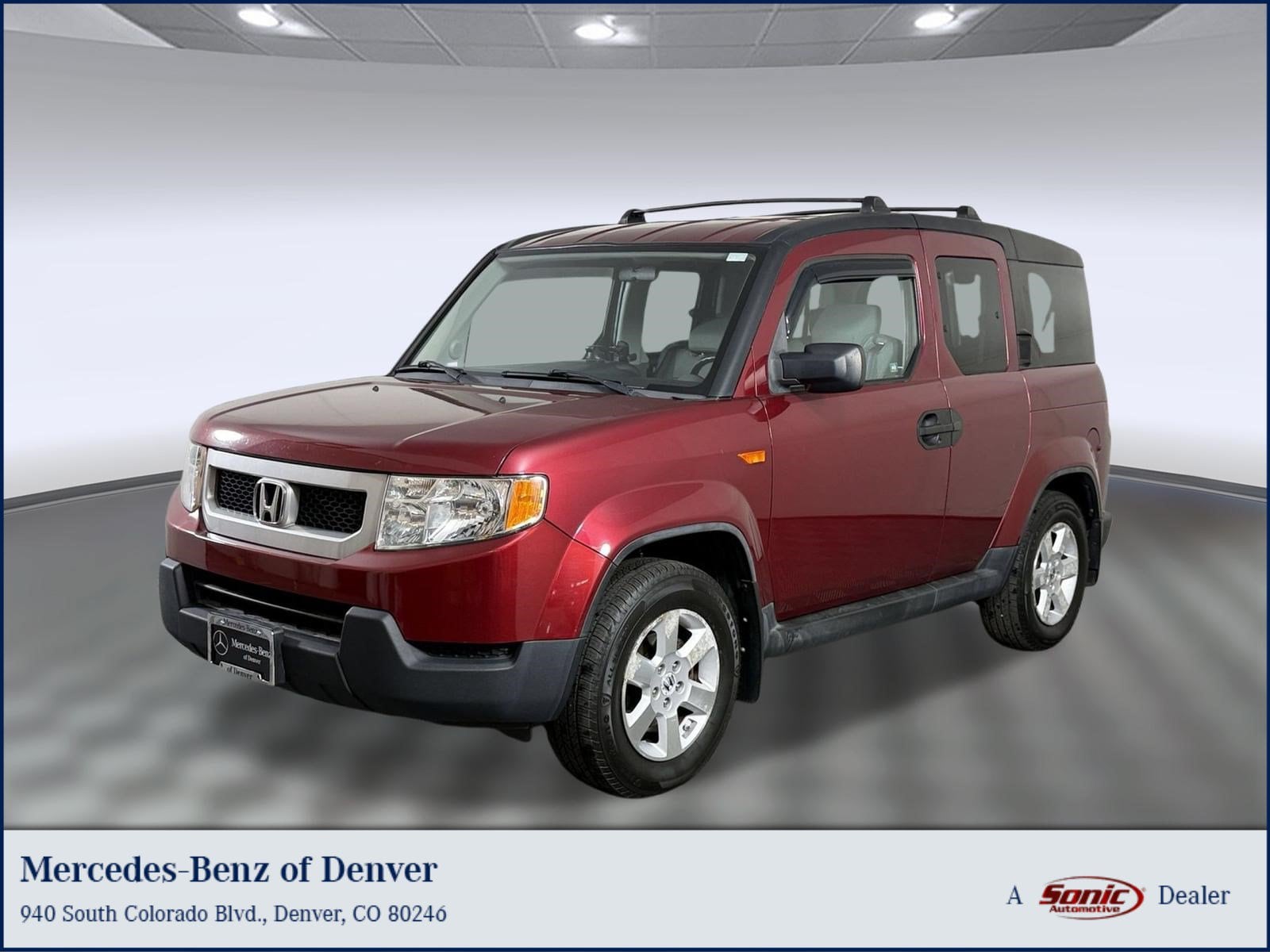
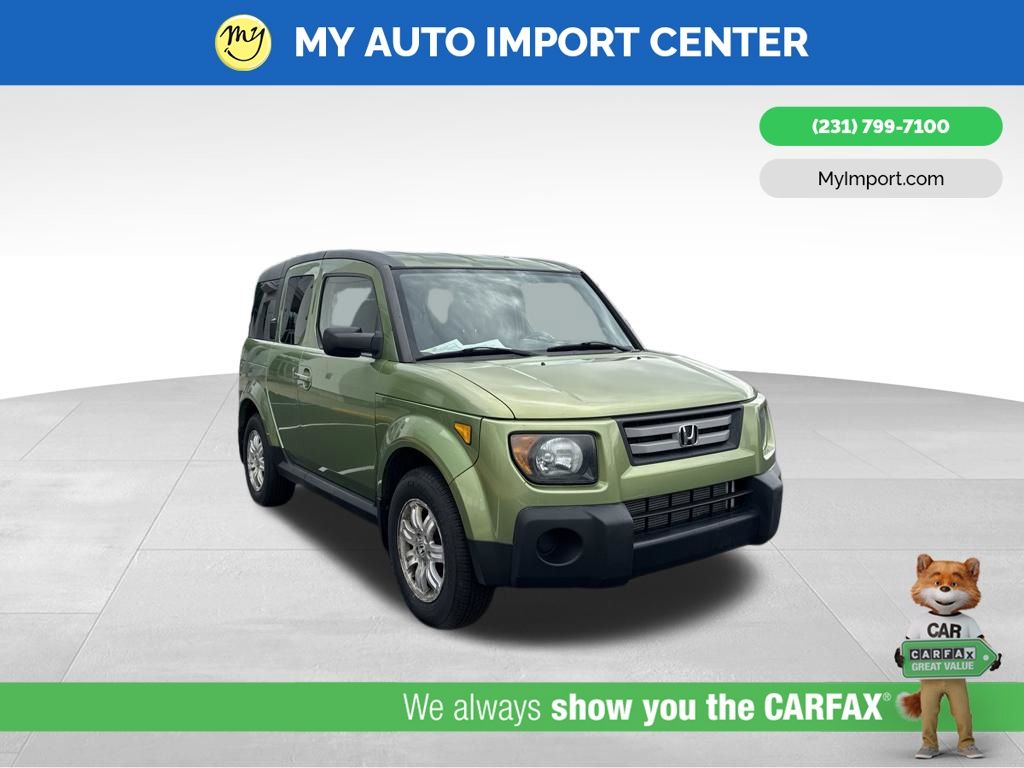
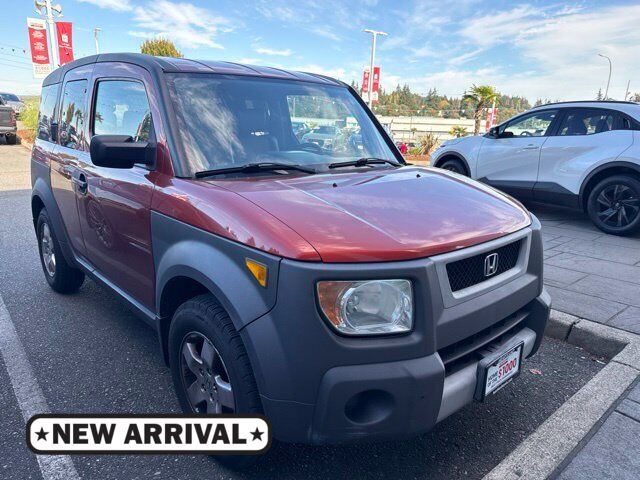
The Element ran as a single generation from the 2003 to 2011 model years, built on a modified first-generation CR-V platform. Honda facelifted it twice: a 2007 update sharpened the styling and added the sporty SC (Street) trim, and a further 2009 refresh brought minor tweaks before production ended. Early cars (2003–2006) wore grey composite lower body cladding; later cars offered fully body-coloured panels. The defining feature stayed constant throughout — rear-hinged "suicide" back doors with no B-pillar, opening to a wide, square aperture.

Engines and drivetrain

Every Element used Honda's 2.4-litre K24 i-VTEC inline-four, one of the most respected four-cylinders Honda ever made. Output ran from around 156 hp in early cars to roughly 166 hp after the 2007 update, with a broad, willing torque curve. Buyers could choose a five-speed manual or a five-speed automatic, and either front-wheel drive or Honda's Real Time all-wheel-drive system. The AWD versions, which send torque rearward when the fronts slip, are the ones most European buyers ask for — well suited to snow and light off-tarmac use. The K24 is smooth, torquey and famously long-lived.

Which trim makes sense

One body only: the five-door, four-seat boxy wagon-SUV. US trims ran DX, LX and EX, with the SC arriving in 2007 as a lowered, monochrome, sportier-looking front-drive-only version. The cabin's party trick is its versatility — the rear seats fold flat, tumble to the sides or come out entirely, the floor is a durable urethane surface you can hose down, and the tall roofline gives van-like headroom in a compact footprint.

Supply on the US market

Elements have a devoted following in the States, which keeps clean examples circulating even years after production ended. Typical import candidates are 2007–2011 cars, often owned by outdoorsy, careful drivers who valued the utility. Mileage varies widely, so condition and history matter more than the odometer alone. We pull the full Carfax or AutoCheck report and check for rust and hard use before you commit. No European prices appear here; you get a clear, itemised import calculation instead.

Who benefits from importing

The Element suits people who need genuine, rugged practicality with Honda reliability underneath: dog owners, cyclists, tradespeople, campers and anyone who wants a small SUV that shrugs off dirt. It is also a growing cult classic, distinctive on European roads precisely because so few exist here. If you want something honest, tough and unmistakable rather than plush, the Element is a smart import.

Technical data

SpecificationDetail (typical US-spec)
Body style5-door compact SUV (4 seats)
Production years2003–2011
Engine2.4 L K24 i-VTEC I4
Powerapprox. 156–166 hp
Torqueapprox. 218 Nm
Transmission5-speed manual or 5-speed automatic
DrivetrainFWD or Real Time AWD
FuelPetrol
Lengthapprox. 4,300 mm
Wheelbaseapprox. 2,575 mm
Heightapprox. 1,780 mm
Seating4
Rear doorsRear-hinged, pillarless
Assembly plantEast Liberty, Ohio, USA

Known weak points and maintenance

The Element is one of the more dependable used SUVs you can import, thanks largely to the bulletproof K24 engine and Honda's proven transmissions. The main maintenance item on AWD cars is the rear differential fluid: Honda's Real Time system needs its specific dual-pump fluid changed on schedule, and neglected units can whine or judder in tight turns. Owners also note the door-seal design lets in some wind noise at motorway speed, and the boxy shape means it is not the quietest or most economical car on the road. The pillarless doors depend on their latching mechanism and seals being in good order. Rust on early cars can appear on the rear wheel arches and underbody, especially on salt-belt examples. None of this undermines the Element's strong reliability reputation — a serviced, rust-free car is a genuinely durable long-term keeper.

US and EU spec compared

As a US-market model, the Element runs FMVSS lighting (often red rear indicators, no rear fog lamp), a speedometer primarily in mph, and US-band radio hardware. Its headlights meet US rather than ECE standards. These are precisely the points German type approval examines, and each is straightforward to resolve during the import process.

The import process in detail

The sequence is clear: we agree your specification and source a suitable used Element; we verify the VIN, title status and full Carfax/AutoCheck history; your funds sit in secure escrow until the car is confirmed; the vehicle moves to a US port and ships by ocean freight to a North Sea port such as Bremerhaven; it clears customs on arrival; it goes through TÜV inspection and individual approval (§21 StVZO); and finally it is registered on German plates.

What customs clearance really costs

Bottom line: what matters is the factory shown by the VIN – proven US origin unlocks 0% duty. The 19% import VAT always applies.

Two separate charges apply on entry. The first is the import duty, and it depends on provable origin. The Element was built in East Liberty, Ohio, so genuine US origin is usually straightforward to document via the VIN — where that origin is proven, the 0% EU import duty under Regulations (EU) 2026/1455 and 2026/1461 can apply to directly transported used cars until 31 December 2029. This is never automatic or "guaranteed": it is origin-driven and evidenced by the VIN and plant. Separately, the 19% German import VAT (Einfuhrumsatzsteuer) always applies to every import, regardless of origin. We show both as transparent, separate line items and add no margin.

TÜV, modifications and registration

Typical modifications include adding a rear fog lamp, converting rear indicators and headlights to ECE specification, and confirming the odometer is presented acceptably. Once the car passes its individual inspection, registration at your local Zulassungsstelle completes the process.

Check before you buy

Before buying any US Element: 1) match the VIN to the car and paperwork; 2) obtain the full Carfax/AutoCheck and check for accidents or salvage; 3) inspect the rear arches and underbody for rust; 4) on AWD cars, ask for proof of rear-diff fluid service; 5) confirm the title is clean rather than salvage or rebuilt; 6) test the pillarless doors, latches and seals; 7) check service history on the timing components and fluids.

Common questions

Can I import a used Honda Element to Germany?

Yes. It was never sold new here, so a used US import is the standard way to get one, and it registers after individual approval.

Is the Honda Element reliable?

Very. The K24 engine and Honda transmissions are durable; the main upkeep item is the AWD rear-differential fluid.

Does the 0% EU import duty apply to the Element?

With provable US origin, yes it can. The Element is Ohio-built, so origin is usually easy to document via the VIN.

Do I always pay German import VAT?

Yes. The 19% Einfuhrumsatzsteuer applies to every import regardless of origin.

Manual or automatic — which to import?

Both are reliable. Manuals are rarer and appeal to enthusiasts; automatics are easier for daily use.

Is the Element good in snow?

The Real Time AWD versions cope well with snow and light off-road use, which is why European buyers favour them.

Is USCar Trader a dealer?

No. We are an independent broker for used US vehicles, acting on your behalf with no manufacturer partnership.

What TÜV work is typical?

Mainly lighting changes — a rear fog lamp and ECE headlights and indicators.

To begin, browse Honda in the Carhub, compare related models such as the Honda CR-V, the Honda HR-V and the Honda Passport, or view current Element listings.