Honda Clarity
Importing a used Honda Clarity from the USA
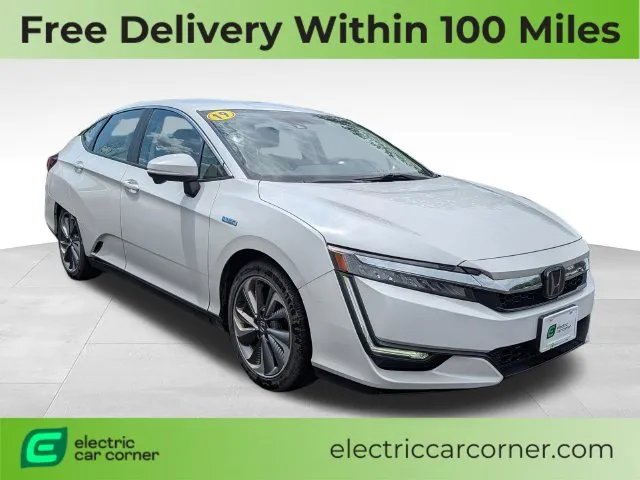
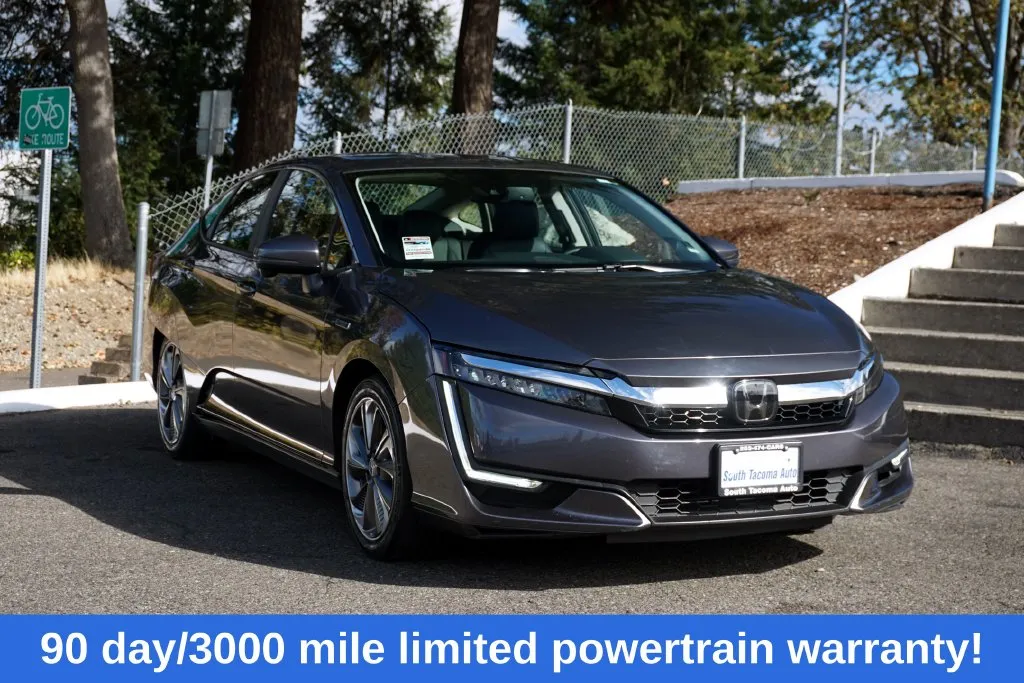
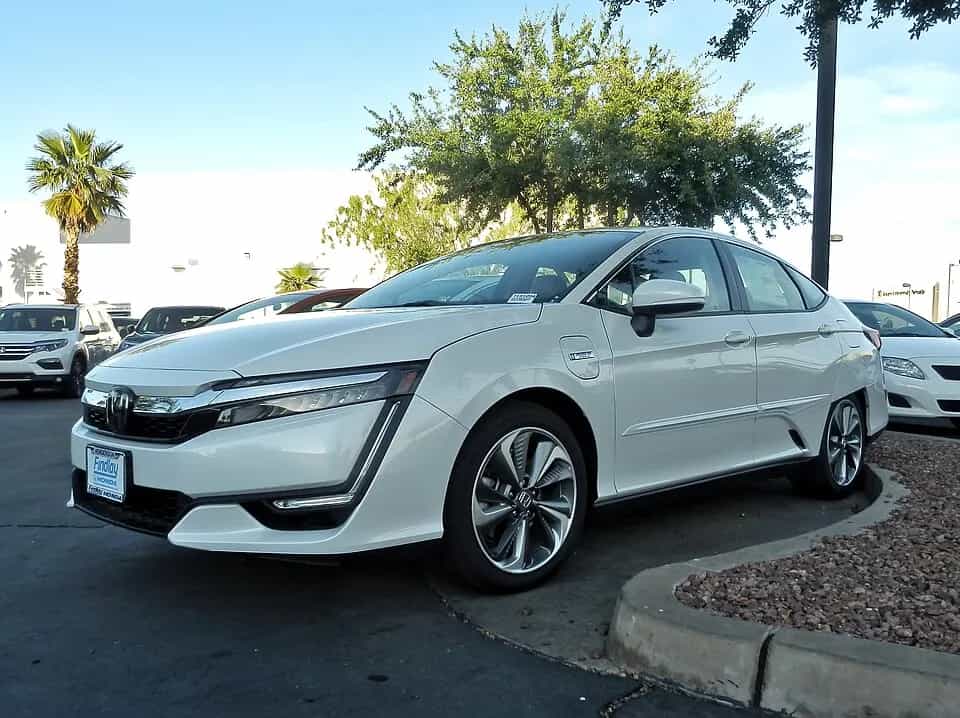
The Honda Clarity is an unusual, slightly under-the-radar mid-size sedan that only ever sold in meaningful numbers in North America, which is exactly why importing one is interesting. If you want to import a used Honda Clarity from the USA, you are almost certainly looking at the plug-in hybrid version — a roomy, comfortable four-door with real electric range and Honda's proven two-motor hybrid system. As an independent broker for used US vehicles, USCar Trader sources and ships these cars for German and EU buyers; we do not sell them from stock or represent Honda. Below is an honest look at what the Clarity is, its quirks, and how the import works.

Model history: years and generations
The Clarity name covered a short-lived family sold in the US from the 2017 to 2021 model years, built on a dedicated platform in Japan. Three distinct powertrains wore the badge: the Clarity Fuel Cell (hydrogen, leased only in select Californian regions), the Clarity Electric (a limited, short-range battery car offered to lessees), and by far the most common, the Clarity Plug-In Hybrid. The PHEV was the volume model and the one that reached ordinary buyers nationwide. There was no full redesign; Honda wound the line down after 2021 as it shifted PHEV effort into the Accord and CR-V ranges. For an importer, the practical Clarity is the plug-in hybrid — the fuel-cell and pure-electric cars carry real-world limits discussed further below.
Engines, transmissions and drive
The Clarity Plug-In Hybrid pairs a 1.5-litre Atkinson-cycle inline-four with Honda's two-motor i-MMD hybrid system, for a combined system output of roughly 212 hp. A 17 kWh lithium-ion battery gives an EPA-rated electric range of about 47 miles (around 76 km), among the best of its era for a PHEV sedan. Drive is to the front wheels through an electronically controlled arrangement rather than a conventional gearbox — at low and medium loads the electric motor drives the wheels and the petrol engine acts largely as a generator, only clutching in directly at higher speeds. The Fuel Cell car uses a hydrogen stack feeding a single electric motor of about 174 hp with a range near 360 miles, while the Electric offered only limited range.
Equipment lines and body styles
Body-wise the Clarity is a single shape: a large, aerodynamically styled five-seat sedan with a notably long wheelbase and a big boot for a battery car. The Plug-In Hybrid was sold in Base and Touring trims, the Touring adding leather, navigation, power front seats and extra comfort kit. Standard equipment across the range was generous — adaptive cruise, lane-keeping, Apple CarPlay and Android Auto, and a full suite of Honda Sensing driver aids.
The US used market
Because production was modest and heavily weighted toward California and other incentive-rich states, used Clarity PHEVs tend to be low-mileage, well-kept and concentrated in the west and south. Most import candidates are 2018–2021 cars with tidy histories, often former single-owner commuter vehicles. Fuel-cell and electric examples are rare and were leased, so genuinely sellable ones are scarce. A broker's value here is finding a clean, correctly optioned plug-in hybrid rather than an ex-fleet compliance car.
Is an import right for you?
The Clarity suits a buyer who wants a comfortable, refined plug-in commuter with a genuinely usable electric range and Honda's reputation for durable hybrids, in a car that was simply never sold in Europe. It is a distinctive alternative to the usual German plug-in sedans. The fuel-cell version, by contrast, makes little sense to import given Europe's thin hydrogen network — stick to the PHEV.
Specs at a glance
| Attribute | Detail (Plug-In Hybrid, typical) |
|---|---|
| Body style | Mid-size 5-seat sedan, front-wheel drive |
| US model years | 2017–2021 (PHEV mainstream 2018–2021) |
| Petrol engine | 1.5 L Atkinson inline-4 |
| Hybrid system | Two-motor i-MMD, ~212 hp combined |
| Battery | 17 kWh lithium-ion |
| Electric range (EPA) | ~47 mi / ~76 km |
| Drive | Front-wheel drive |
| Transmission | Electronic CVT-style (no fixed gearbox) |
| Fuel Cell variant | H2 stack, ~174 hp motor, ~360 mi range |
| Electric variant | Limited-range BEV (lease only) |
| Trims (PHEV) | Base, Touring |
| Driver aids | Honda Sensing (ACC, LKAS, CMBS) |
| Infotainment | 8-in touchscreen, CarPlay/Android Auto |
| Seating | 5 |
Common issues buyers should know
Honda Clarity reliability is generally strong, helped by the same well-proven i-MMD hybrid hardware used across Honda's line-up, but there are a few documented Clarity common problems to watch. The most reported is 12-volt auxiliary battery drain and occasional no-start issues if the car sits, sometimes tied to software; keeping the 12V battery healthy matters. Some owners note infotainment lag and the fiddly volume slider of that generation. The regenerative braking and brake actuator have seen isolated complaints, and as with any PHEV, verify the high-voltage battery's state of health and that it still charges to expected range. There are no widespread engine or transmission failures — the petrol unit and e-CVT are robust. Service intervals are Honda-standard and parts for the 1.5 engine are widely available.
Differences from the European version
US Clarity cars run US-spec charging (a J1772 AC inlet), amber-free US rear indicator logic, no rear fog lamp, headlights set for right-hand traffic, and mph instruments. AC charging in Europe needs a suitable J1772-to-Type 2 adapter or cable. The plug-in hybrid has no fast-DC capability, so charging is via a home wallbox or public AC point. These are routine conversion and compatibility items rather than obstacles.
Import step by step
The process is: choose a suitable Clarity and agree terms; verify the VIN, build origin and full history; hold funds in escrow; arrange ocean freight (container is common for lower cars) to a European port; clear EU customs under the correct code; present the car for TÜV and individual approval with the required changes; then register it. We manage the chain so the paperwork lines up for a smooth registration.
Customs and taxes: what applies
Key point: duty depends on the plant of build; only a VIN check secures the 0% rate. Import VAT of 19% applies regardless.
Keep the two charges separate. The import duty: the 0% preferential EU rate under Regulations (EU) 2026/1455 and 2026/1461 (in force since 1 July 2026, direct transport, valid to 31 December 2029) applies only where genuine US origin is provable from the VIN and plant code. The Clarity is built in Japan, so it will normally not qualify as US-origin, and the standard third-country passenger-car rate applies — we confirm this per VIN and never advertise duty-free. Separately, the 19% German import VAT (Einfuhrumsatzsteuer) is always charged on import, calculated on customs value plus duty and freight. USCar Trader earns a broker fee only and takes no vehicle margin.
Modifications and single-vehicle approval
For German approval, expect to fit or activate a rear fog lamp, adapt the rear indicators to red where required, adjust or replace headlights for right-hand traffic, and confirm the odometer displays kilometres. For the PHEV, the charging cable must suit European AC standards. Documentation of the battery and system for the vehicle papers is part of the individual approval.
What to verify before buying
Before buying a US Honda Clarity, check:
- Decode the VIN and confirm build origin and exact model year and variant.
- Obtain a Carfax or AutoCheck report for accidents, title and odometer history.
- Confirm it is the Plug-In Hybrid, not a leased Fuel Cell or Electric car.
- Test electric-only range and that the battery charges fully.
- Check the 12V battery health and for any no-start history.
- Verify a clean (non-salvage) title unless deliberately buying otherwise.
- Review service records and software update status.
Common questions
Which Honda Clarity should I import?
The Plug-In Hybrid. It reached ordinary buyers, has usable electric range, and is easy to run in Europe, unlike the hydrogen and pure-electric versions.
Can I import a Clarity Fuel Cell to Germany?
Technically possible, but impractical: it was California lease-only and Europe's hydrogen refuelling network is very limited, so we advise against it.
Will a Clarity qualify for 0% customs duty?
Unlikely — it is built in Japan, so the standard rate normally applies. Duty depends on VIN-proven origin, and the 19% import VAT is always due.
What is the electric range?
About 47 miles (roughly 76 km) EPA for the plug-in hybrid, one of the stronger figures of its generation.
Is the Honda Clarity reliable?
Yes, broadly. Watch 12V battery drain and confirm high-voltage battery health, but the core hybrid hardware is durable.
How do I charge it in Europe?
Via an AC wallbox or public AC point using a J1772-to-Type 2 cable; the PHEV has no DC fast charging.
How long does the import take?
Ocean freight is usually a few weeks, then customs clearance and TÜV scheduling on arrival.
Do you sell the Clarity directly?
No. We are an independent broker and arrange the purchase and import for you without holding stock.
See more with Honda in the Carhub, compare the Honda Accord and the compact Honda Insight hybrid, or view current Clarity listings.