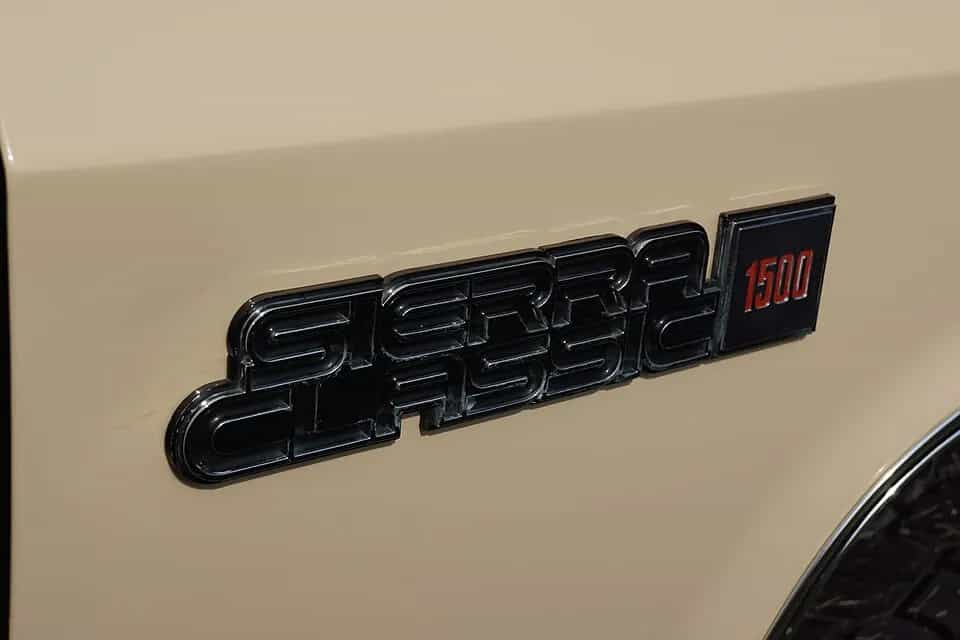
GMC Sierra 1500
Importing a used GMC Sierra 1500 from the USA
The Sierra 1500 is GMC's full-size pickup and the more upscale cousin of the Chevrolet Silverado. It shares the same underpinnings and engines but layers on features GMC keeps to itself — the multi-function MultiPro tailgate, the CarbonPro composite bed, and the flagship Denali and Denali Ultimate trims with their distinctive cabins. For a European buyer who wants a full-size truck with a touch more polish, the Sierra is a compelling import. USCar Trader works as your independent broker: we help you find a used Sierra 1500 in the US, verify the VIN and build origin, and steer it through ocean freight, customs and German approval — with no dealer margin added.

Generations at a glance
The Sierra 1500 has tracked the Silverado through the GMT800 (1999–2007), GMT900 (2007–2013), K2XX (2014–2018) and the current T1XX platform (2019 onward). The 2019 redesign introduced the MultiPro tailgate — a six-function tailgate that folds into steps and load stops — and the optional carbon-fibre-reinforced CarbonPro bed. A 2022 refresh brought a substantially upgraded interior on Denali trims and a larger 13.4-inch touchscreen. For import, the 2019-and-newer trucks offer the most distinctive GMC features; 2014–2018 examples are the value picks.
Powertrain lineup
Because it shares GM's truck powertrains, the Sierra 1500 offers the 5.3-litre V8 (L84, ~355 hp) as the mainstream engine and the 6.2-litre V8 (L87, ~420 hp) at the top — the latter standard on Denali. A 2.7-litre turbocharged four (L3B) covers the entry point, and the 3.0-litre Duramax inline-six diesel (LM2/LZ0) suits high-mileage touring with strong torque and range. Transmissions are 8- or 10-speed automatics depending on engine and year. Like the Silverado, it is a body-on-frame truck with rear-wheel drive and selectable four-wheel drive plus a two-speed transfer case.
Trims in the US market
US Sierra 1500 trims run Pro, SLE, Elevation, SLT, the off-road AT4, and the luxury Denali and Denali Ultimate. Cabs are Regular, Double and Crew; beds are short, standard and long. The Crew Cab Denali with the 6.2 V8 is the halo configuration and the one many European buyers seek; the SLT with the 5.3 V8 is the sensible volume choice.
The used market stateside
Sierra volumes are large, though Denali examples command a premium and hold their equipment well. Fleet SLE and Pro trucks tend toward higher mileage; privately owned SLT and Denali trucks are usually the better-kept imports. Southern and western states supply the rust-free bodies that make the later TÜV inspection straightforward. Expect the typical import window of roughly three to eight years old.
Who should import one
Import a used Sierra 1500 if you want genuine full-size towing and hauling with a more premium flavour than the average work truck — the Denali interior and the MultiPro tailgate are real differentiators. It remains a wide, thirsty vehicle, so it suits owners with the space and a real need. For a specific Denali or AT4 build never sold new in Europe, importing is the direct route to exactly the truck you want.
Key specifications
| Attribute | Typical figure (US-market) |
|---|---|
| Body styles | Regular / Double / Crew Cab pickup |
| Drivetrain | RWD or selectable 4WD, 2-speed transfer case |
| Turbo four | 2.7 L turbo (L3B), ~310 hp |
| Mainstream V8 | 5.3 L V8 (L84), ~355 hp |
| Top V8 | 6.2 L V8 (L87), ~420 hp |
| Diesel | 3.0 L Duramax I6 (LM2), ~277 hp |
| Transmissions | 8- or 10-speed automatic |
| Signature features | MultiPro tailgate, CarbonPro bed |
| Towing (approx.) | Up to ~5,900 kg (properly equipped) |
| Length | ~5.8–6.4 m depending on cab/bed |
| Fuel | Petrol (regular) or diesel |
| Top trims | Denali / Denali Ultimate |
| Generations | GMT800 / GMT900 / K2XX / T1XX |
| Assembly plants | Fort Wayne (US), Silao (MX), Oshawa (CA) |
How reliable is it?
Sharing hardware with the Silverado, the Sierra inherits the same watch points. The 5.3 and 6.2 V8s use Active/Dynamic Fuel Management cylinder deactivation, which on some engines is linked to raised oil consumption and lifter problems — listen for lifter tick on a cold start and check oil-consumption history. Early T1XX 8-speed automatics saw shudder complaints resolved with revised fluid. The MultiPro tailgate is clever but mechanically complex; operate all six functions to confirm the latches and struts work. CarbonPro beds resist dents but are worth inspecting for damage. Otherwise, expect ordinary full-size-truck wear on bushings, brakes and suspension. Documented servicing outweighs a low odometer figure.
What US models do differently
US Sierras are set up for American regulations: mph speedometer, psi tyre pressures, and rear lighting that typically needs a rear fog lamp fitted and side markers assessed for European approval. The Sierra 1500 was not homologated for the EU, so it is imported and approved as an individual vehicle rather than under a European type certificate.
Seven steps to your import
We help you select the truck, then run a VIN and origin check that decides the customs rate. Payment moves through escrow for your protection. The Sierra is transported to a US port and shipped by ocean freight to a European port such as Bremerhaven, clears customs there, passes TÜV individual approval (Einzelabnahme), and is registered in Germany.
Customs, taxes and costs explained
Bottom line: what matters is the factory shown by the VIN – proven US origin unlocks 0% duty. The 19% import VAT always applies.
Two separate charges. EU import duty: since 1 July 2026, Regulations (EU) 2026/1455 and 2026/1461 allow a 0% rate for used cars of proven US origin imported by direct transport, until 31 December 2029 — and this is never promised in advance. A Sierra built in Fort Wayne, Indiana qualifies on origin; one assembled in Silao, Mexico does not and would take the standard rate. The VIN is the deciding evidence. Separately, and always applicable: 19% German import VAT (Einfuhrumsatzsteuer) on the customs value. USCar Trader charges no margin on either.
German TÜV and registration
Typical adaptations are fitting a rear fog lamp, adjusting headlights and side markers, and documenting the odometer reading. Once the Einzelabnahme is passed, you register the Sierra and it is road-legal in Germany.
The buyer checklist
Before buying, confirm: the VIN decodes to a US plant if you rely on 0% duty; a Carfax or AutoCheck report shows no salvage or flood title; the frame and bed are rust-free; the service record documents oil changes and any AFM/DFM lifter work; the title is clean and transferable; the MultiPro tailgate operates fully; and an independent pre-purchase inspection has checked the engine and transmission.
Questions and answers
Is a used Sierra 1500 import duty-free?
Not guaranteed. The 0% EU duty rate needs proven US origin by VIN and direct transport; the 19% German import VAT always applies.
What is the difference between the Sierra and the Silverado?
They share platform and engines, but the Sierra adds the MultiPro tailgate, CarbonPro bed option and the upmarket Denali trims.
Which Sierra engine is best?
The 5.3 V8 is the mainstream, best-supported choice; the 6.2 V8 tops the range and is standard on Denali.
Are the V8 lifter problems a concern?
On some AFM/DFM engines, yes — check oil-consumption history and listen for lifter tick.
Which plant builds the Sierra 1500?
Fort Wayne (US), Silao (Mexico) or Oshawa (Canada); the VIN reveals which, and origin affects the duty rate.
Will it pass German TÜV?
Yes, via individual approval once lighting and details are adapted.
Does USCar Trader add a margin?
No. We are an independent broker and intermediary.
Start here: browse GMC in the Carhub, compare the Chevrolet Silverado 1500 and the RAM 1500, or see current Sierra 1500 listings.