GMC Canyon

Importing a used GMC Canyon from the USA

The GMC Canyon is one of the most sensible mid-size pickups to bring across the Atlantic. It sits below the full-size Sierra in GMC's line-up, which makes it far easier to live with on European roads and in multi-storey car parks, yet it keeps a proper ladder frame, a real bed and genuine towing ability. As an independent broker for used US vehicles, USCar Trader sees steady demand for the Canyon from buyers who want American pickup character without the sheer bulk of a half-ton truck. Because the current Canyon is built in Wentzville, Missouri, a US-assembled example will frequently qualify for the 0% EU import duty when its US origin is provable from the VIN and plant code — more on the customs detail further down.

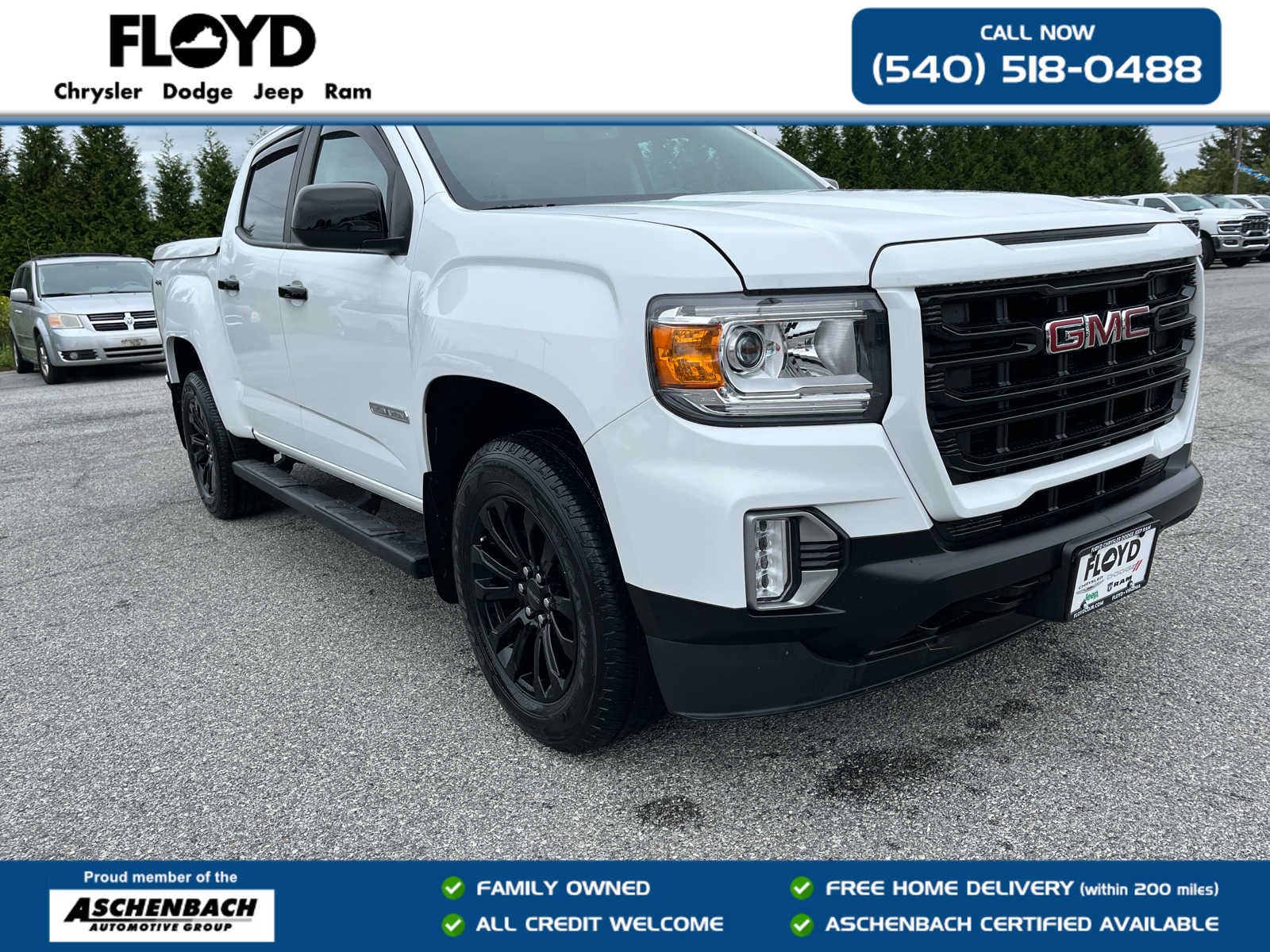
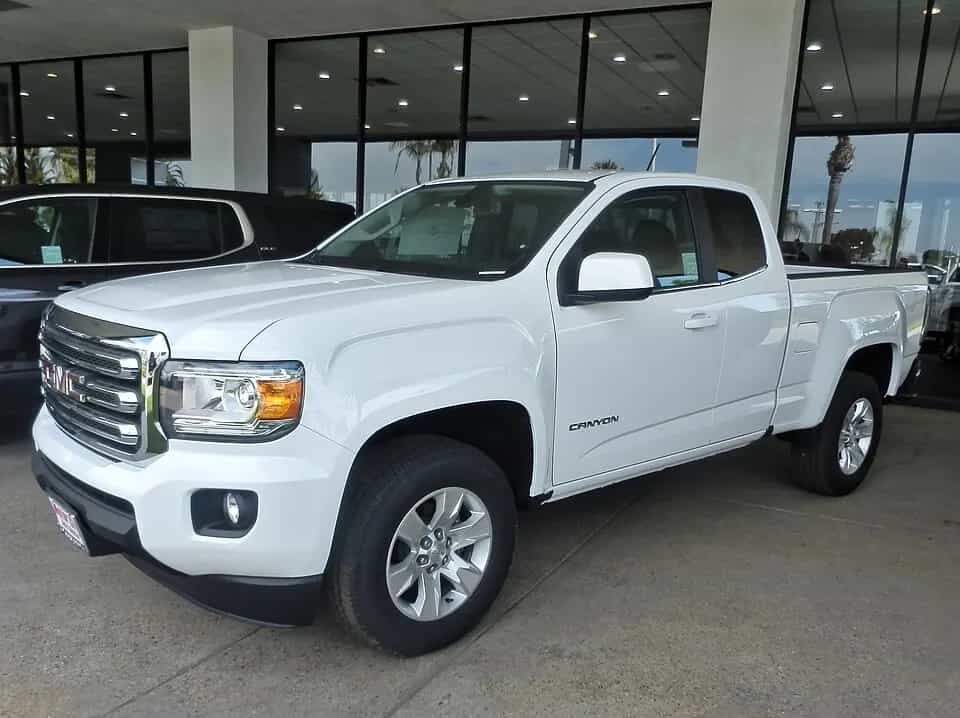
GMC Canyon – used car imported from the USA
Photo: Alexander Migl · CC BY-SA 4.0 · Wikimedia Commons

Generations at a glance

The Canyon nameplate arrived for the 2004 model year as the upmarket twin of the Chevrolet Colorado, replacing the compact Sonoma. The first generation (2004–2012, GMT355 platform) is the truck you will still find in the US classifieds at low prices and high mileage. A mid-cycle update in 2012 brought minor trim changes. The second generation (2015–2022, GMT31XX) is the one most European importers target: a modern cab, a much better interior and a broad engine range. The third generation launched for 2023 (GMC codename 31XX-2) with a single turbocharged engine, a taller stance and a heavy off-road focus led by the AT4X. For import, the 2016–2022 window offers the best balance of availability, tech and value.

Powertrain lineup

The first-generation Canyon used GM's Atlas straight engines — a 2.8-litre and later 3.7-litre five-cylinder, plus an available 5.3-litre V8 from 2009. The second generation is more interesting for buyers here: the entry 2.5-litre four (LCV, around 200 hp), the popular 3.6-litre V6 (LGZ, roughly 308 hp and 275 lb-ft) paired with an eight-speed automatic, and the sought-after 2.8-litre Duramax turbo-diesel (LWN, about 181 hp but a stout 369 lb-ft) that gives real long-distance economy and towing torque. The third-generation Canyon standardised the 2.7-litre turbocharged four (L3B) at up to 310 hp and 430 lb-ft. Rear-wheel drive is standard; part-time four-wheel drive with low range is widely optioned, which matters if you want a Canyon for towing or light off-road use.

Trims in the US market

US Canyons came as extended cab or crew cab, with a short or long bed depending on year. Trim walk on the second generation ran from the basic SL and Canyon through SLE and SLT to the leather-lined Denali and, later, the rugged off-road AT4. The third generation simplified this to Elevation, AT4, Denali and the trail-ready AT4X with front and rear lockers. Denali and AT4 examples carry the equipment most European buyers expect — heated leather, larger touchscreens, adaptive cruise on later cars — so they tend to be the most requested imports.

The used market stateside

Canyon supply in the United States is deep and geographically spread, which keeps selection healthy. Typical import candidates are three to eight years old with 40,000 to 120,000 miles. Trucks from the Sun Belt (Arizona, Texas, Florida, California) are prized for dry, rust-free frames, while northern and 'Rust Belt' examples need a careful underbody inspection. Well-kept V6 crew cabs are plentiful; the Duramax diesel commands a premium and moves quickly, so realistic expectations on timing help. We assess condition through photos, service records and a Carfax or AutoCheck history before anything is shipped.

Who should import one

A used Canyon suits the buyer who wants an American pickup that still fits a European lifestyle: tradespeople who need a bed and a tow rating, outdoor and horse owners, and enthusiasts who simply prefer the GMC look over a European double-cab. If you tow regularly, target the V6 or Duramax with four-wheel drive. If your use is mostly road miles and image, a well-optioned Denali makes a comfortable daily. Buyers who need maximum payload should instead look at the full-size Sierra.

Key specifications

AttributeTypical figures (2015–2022, US-market)
Body stylesExtended cab / crew cab, short or long bed
Base engine2.5 L I4 (LCV), ~200 hp
Volume engine3.6 L V6 (LGZ), ~308 hp / 275 lb-ft
Diesel option2.8 L Duramax turbo-diesel (LWN), ~181 hp / 369 lb-ft
3rd-gen engine (2023+)2.7 L turbo I4 (L3B), up to 310 hp / 430 lb-ft
Transmission6-speed (early) or 8-speed automatic
DrivetrainRWD standard, part-time 4WD with low range optional
Max towing (V6, properly equipped)up to ~7,000 lb (approx. 3.2 t)
Length (crew cab)approx. 5,410 mm
Widthapprox. 1,890 mm
Wheelbaseapprox. 3,258 mm (crew short bed)
Kerb weightapprox. 1,900–2,150 kg
FuelPetrol (E10 compatible) or diesel
Seating4–5
OriginUS-assembled (Wentzville, Missouri)

How reliable is it?

Canyon reliability is generally solid, but there are known weak points to check. The 3.6-litre V6 shares GM's high-feature architecture and can develop timing-chain wear if oil changes were neglected — listen for a rattle on cold start and verify service history. Early second-generation trucks had some reports of vibration and driveline shudder addressed under GM bulletins. The 2.8-litre Duramax is durable but demands correct diesel maintenance, clean fuel and attention to the emissions system (DEF, DPF); a diesel with a full service file is worth paying for. Interior rattles, occasional infotainment glitches and front-brake wear are the usual minor niggles. On any Canyon, inspect the frame and brake lines for corrosion, especially on northern-state trucks.

What US models do differently

US Canyons run amber rear turn signals in many years and lack a rear fog lamp, both of which are addressed at the TÜV stage. Headlights are US-specification and usually need adjustment or replacement to meet ECE beam patterns. The speedometer is in mph, the tyre pressure system reads psi, and the infotainment defaults to US navigation maps and radio bands. Mechanically the truck is the same as anywhere; the work is compliance, not conversion.

Seven steps to your import

The process is straightforward when handled by a broker. First we agree the exact truck and trim you want and locate suitable examples. Next comes the VIN and origin check to confirm the plant code and build details. Payment is handled through escrow for security. The Canyon is then booked onto an ocean freight sailing (container or RoRo) to a North-European port such as Bremerhaven. On arrival we handle customs clearance, then arrange TÜV inspection and individual approval (Einzelabnahme per §21 StVZO), followed by German registration.

Customs, taxes and costs explained

In short: the 0% duty rate applies only with documented US origin (VIN/plant) – German import VAT of 19% is always due.

Two separate charges apply and we always state them individually. Import duty: under Regulations (EU) 2026/1455 and 2026/1461, a US-origin vehicle can qualify for 0% EU import duty when origin is provable (VIN/plant), transport is direct and the shipment falls within the window (in force since 1 July 2026, until 31 December 2029). Because the Canyon is US-assembled, most examples meet this — but it is never guaranteed and always depends on the individual VIN. Separately, the German import VAT (Einfuhrumsatzsteuer) of 19% always applies on the customs value plus freight, regardless of origin. As a broker we charge no vehicle margin.

German TÜV and registration

Typical Canyon changes for German approval include ECE-compliant headlights or beam adjustment, adding a rear fog lamp, and converting rear indicators to amber where required. The odometer is documented in miles and noted accordingly. A CoC is rarely available for US trucks, so the individual approval route confirms brakes, lighting, emissions and dimensions before the registration document is issued.

The buyer checklist

  • Decode the VIN and confirm the assembly plant and engine code.
  • Pull a Carfax or AutoCheck report for accidents, title and odometer history.
  • Inspect the frame, cab mounts and brake lines for rust, especially northern trucks.
  • Confirm the title is clean (not salvage/rebuilt) and matches the seller.
  • Check service records — particularly oil-change intervals on the V6 and diesel maintenance on the Duramax.
  • Verify 4WD engagement and listen for driveline shudder on a test drive.
  • Review bed, tailgate and undercarriage condition against the photos.

Questions and answers

Is the GMC Canyon reliable enough to import?

Yes, with maintenance verified. The V6 and Duramax are durable engines; the main risks come from neglected servicing and rust on northern-state trucks, both of which we screen for before purchase.

Does a used Canyon qualify for 0% EU import duty?

Often, because it is US-assembled — but only when the US origin is provable via VIN and plant and the shipment meets the regulation's conditions. It is decided per vehicle and never guaranteed.

Do I still pay VAT?

Yes. The 19% German import VAT (Einfuhrumsatzsteuer) always applies on the customs value plus freight, independent of the duty rate.

Petrol V6 or Duramax diesel?

Choose the 3.6 V6 for lower purchase cost and simpler maintenance, and the 2.8 Duramax if you tow long distances and want the best economy — just insist on a full diesel service record.

Which model years are best to import?

The 2016–2022 second generation offers the strongest mix of modern equipment, availability and value. The 2023+ third generation is newer but pricier and offered only with the 2.7 turbo four.

What changes are needed for the TÜV?

Typically ECE headlights or beam adjustment, a rear fog lamp and amber rear indicators, followed by individual approval and registration.

How long does the whole import take?

From purchase to German plates, usually around eight to twelve weeks depending on sailing schedules and TÜV scheduling.

Can you find a specific trim like Denali or AT4?

Yes. As a broker we source to your specification, including Denali, AT4 and diesel examples when available.

Ready to start? Browse the GMC in the Carhub, compare the larger GMC Sierra 1500 or rivals like the Ford Ranger and Honda Ridgeline, or view current GMC Canyon listings.