Ford Mustang

Importing a used Ford Mustang from the USA

The Ford Mustang is the archetypal American import, and buying one from its home market gives you the widest choice of engines, colours and specification anywhere. Mustangs are US-built — historically in Flat Rock, Michigan — which matters for customs: with a matching VIN confirming US origin, a Mustang can qualify for the 0% EU import duty under the current rules. Origin must be provable from the VIN and is never simply assumed, and the 19% German import VAT (Einfuhrumsatzsteuer) always applies on top. Whether you want a V8 GT or a four-cylinder EcoBoost, importing a used Mustang from the USA is a well-trodden path.

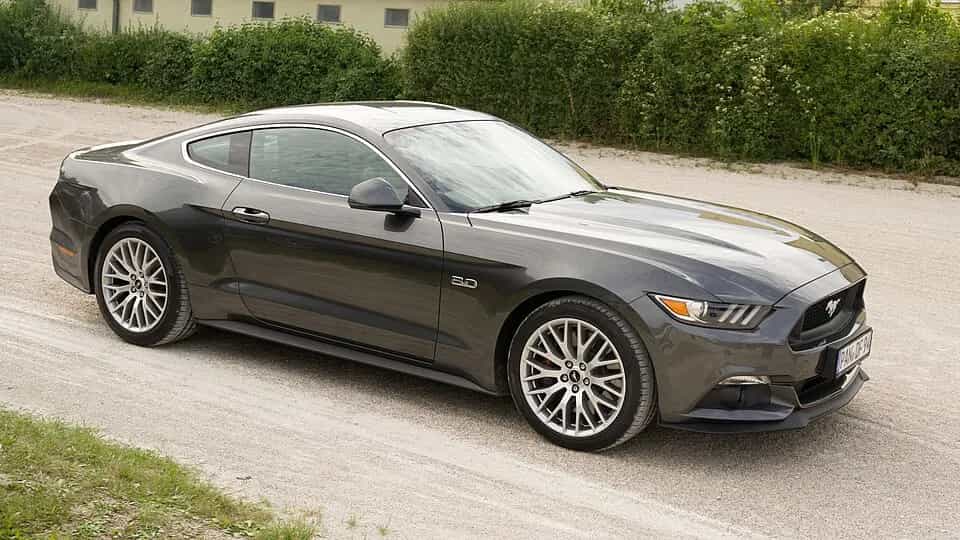
Ford Mustang – used car imported from the USA
Photo: Tobias ToMar Maier · CC BY-SA 3.0 · Wikimedia Commons

Model history and generations

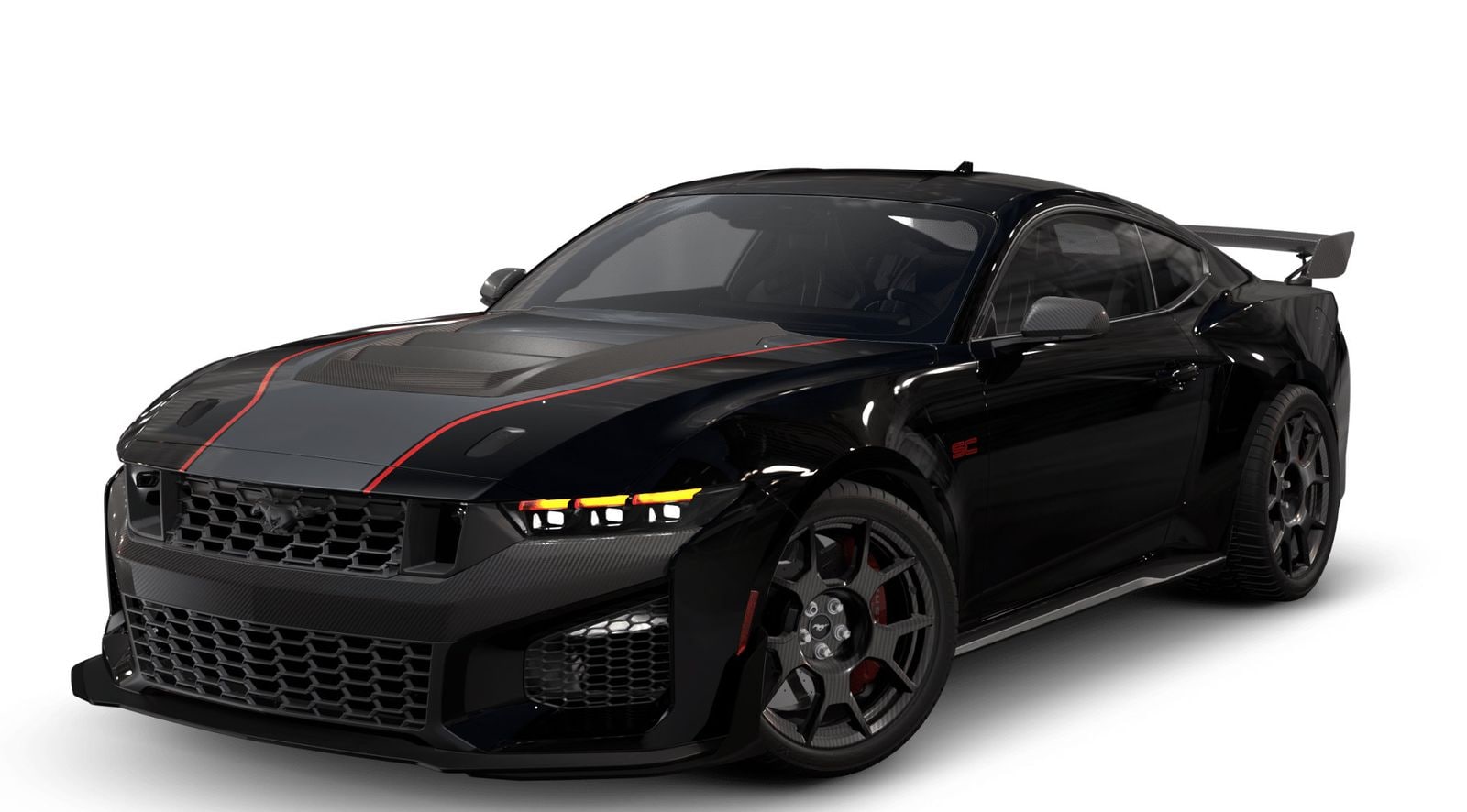
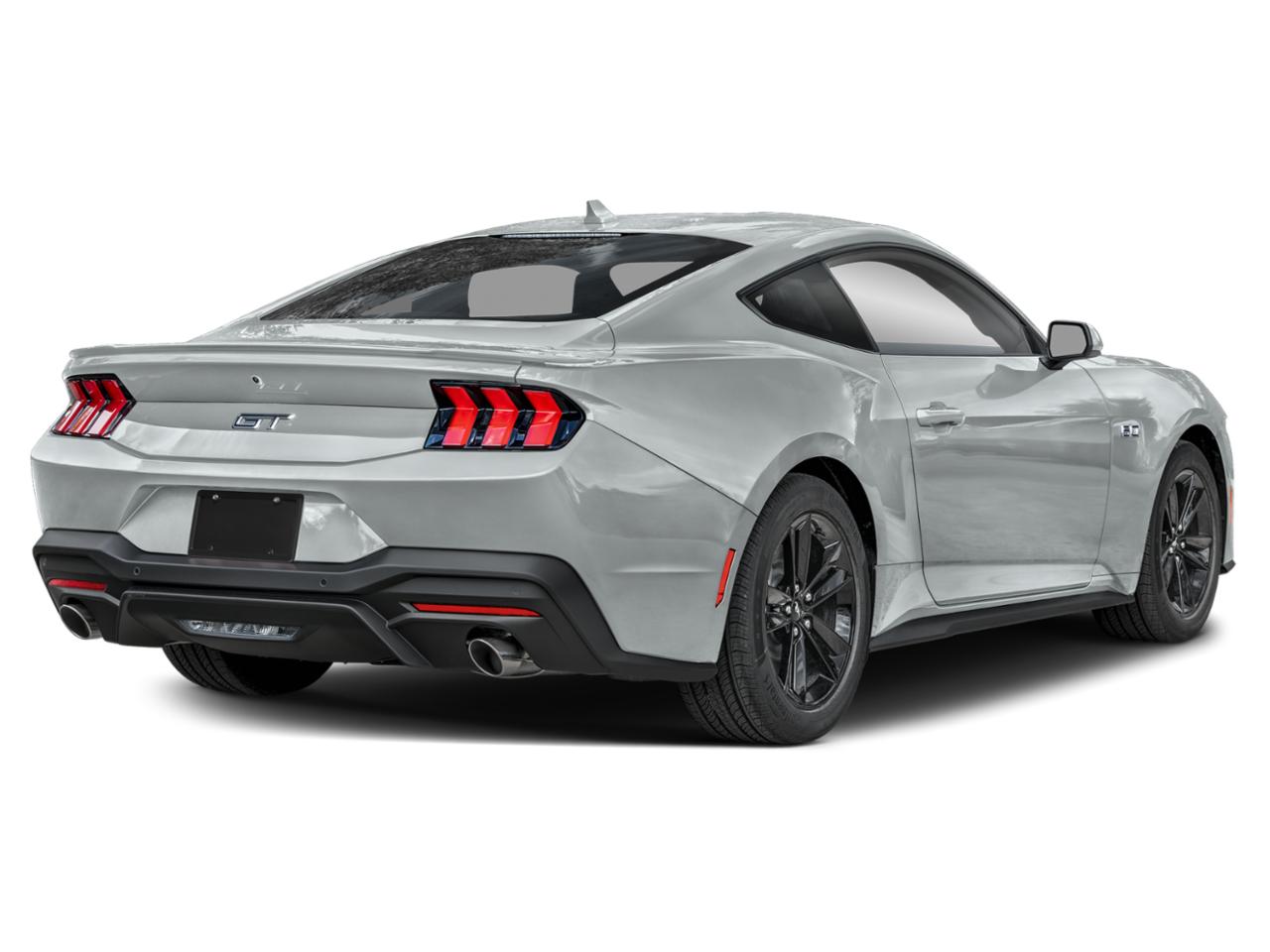
Recent Mustangs fall into three generations relevant to buyers. The S197 (2005–2014) brought retro styling and, later, the 5.0-litre Coyote V8. The S550 (2015–2023) modernised the car with independent rear suspension and was the first Mustang widely sold new in Germany, so parts and know-how are established. The current S650 (2024-on) refines the formula with a digital cockpit and the Dark Horse performance model. US supply spans all three, with the largest pool being S550 GT and EcoBoost cars.

Engines and drivetrain

Two engines dominate US Mustangs: the 2.3-litre EcoBoost turbo four (around 310–330 hp depending on year and the High Performance Package) and the 5.0-litre Coyote V8 in the GT (roughly 435–486 hp across the S550 run, and 480+ hp on the S650). Enthusiast variants add the 5.2-litre flat-plane 'Voodoo' V8 in the GT350 (526 hp) and the supercharged GT500. Transmissions are the Getrag MT82 six-speed manual, the 10R80 ten-speed automatic on later cars, and a Tremec unit in the top models. All are rear-wheel drive; a limited-slip differential is standard on the V8.

Which trim makes sense

US Mustangs come as fastback coupe and convertible. Trim walks through EcoBoost, GT and the Mach 1, GT350 and GT500 performance models, plus special editions like the Bullitt and California Special. Common options include the Performance Package, MagneRide adaptive dampers, Recaro seats, active exhaust and the Premium interior. Because the US catalogue is so broad, buyers often import to get an exact configuration Germany never offered.

Supply on the US market

Supply is enormous and nationwide — the Mustang is one of America's best-selling sports cars. Typical import candidates run three-to-ten years old with a wide mileage spread; clean, adult-owned V8 cars in the 20,000–60,000-mile band are easy to find. Condition is generally good away from the salt belt; northern cars deserve an underbody corrosion check, and heavily modified or drift-scene cars are best avoided for a smooth TÜV.

Who benefits from importing

Importing a used Mustang suits buyers who want a specific engine (a naturally aspirated Coyote V8 in the exact colour and trim), a special edition, or simply better value and selection than local stock. It is equally viable for a sensible EcoBoost daily or a collectible GT350. As an independent broker, USCar Trader checks the VIN, origin and history for you and never adds a hidden margin.

Technical data

AttributeTypical figure (S550 GT)
Body stylesFastback coupe, convertible
Assembly plantFlat Rock, Michigan (US-built)
Engine (EcoBoost)2.3 L turbo I4, ~310–330 hp
Engine (GT)5.0 L Coyote V8, ~450 hp
Engine (GT350)5.2 L flat-plane V8, 526 hp
Transmission6-speed manual or 10-speed auto
DrivetrainRear-wheel drive, LSD on V8
0–100 km/h (GT)approx. 4.4 s
Lengthapprox. 4,789 mm
Wheelbaseapprox. 2,720 mm
Kerb weight (GT)approx. 1,740 kg
Fuel tankapprox. 61 L
Fuel typePremium petrol
Seating4

Known weak points and maintenance

The Mustang is mechanically straightforward, which helps import ownership. The Coyote V8 is durable but early S550 cars can show oil consumption and occasional rattles; the MT82 manual has a reputation for notchy shifts and, when abused, second-gear synchro wear, so test the gearbox thoroughly. On EcoBoost cars, watch for coolant intrusion issues on certain years and check the turbo and intercooler. Independent rear suspension bushings, differential mounts and clutch wear are the usual age-and-use items. As with any Mustang reliability check, a documented, un-thrashed car is worth far more than a cheap, modified one.

US and EU spec compared

US cars use amber side markers, mph speedometers and often no rear fog lamp. Headlight beam pattern and daytime running lights may need adjustment for ECE compliance. Because the S550 and S650 were sold in Europe, homologation reference data and parts are readily available, which simplifies approval. Infotainment (SYNC), drive modes and MagneRide transfer without issue; a km/h cluster display is a standard registration item.

The import process in detail

Select the car; verify the VIN and confirm US assembly (origin check); use escrow rather than a direct wire; book ocean freight; clear customs with the correct commodity code and origin evidence; present for TÜV and, where required, individual approval; then register locally. USCar Trader coordinates each step as your intermediary.

What customs clearance really costs

In short: the 0% duty rate applies only with documented US origin (VIN/plant) – German import VAT of 19% is always due.

Keep the two charges separate. EU import duty: the 0% rate under Regulations (EU) 2026/1455 and 2026/1461 (in force since 1 July 2026, direct transport, until 31 Dec 2029) applies only with provable US origin — a US-built Mustang usually meets this, but it must be documented via the VIN and never promised in advance. Separately, the 19% German import VAT always applies to the customs value. USCar Trader adds no margin to duty or VAT.

TÜV, modifications and registration

Typical work includes fitting or activating a rear fog lamp, correcting the headlight pattern, converting the speedometer to km/h and confirming the odometer reads in kilometres. Aftermarket exhausts, suspension or lighting on modified cars may need documentation or reversal. For S550/S650 cars a COC often eases approval; otherwise an individual approval documents compliance before you register and receive German plates.

Check before you buy

Read the full VIN and confirm US assembly for the origin case. Pull a Carfax or AutoCheck history for accidents, title brands and odometer consistency. Test the manual gearbox and clutch, or the automatic under load. Inspect the underbody for corrosion on northern cars. Verify service records and oil-change history on the V8. Confirm the car is stock or documented, and holds a clean title, not salvage or rebuilt.

Common questions

Does a used Mustang from the USA qualify for 0% EU duty?

Usually, because Mustangs are US-built — but the VIN must prove US origin; it is never guaranteed up front.

Do I still pay the 19% import VAT?

Yes. German import VAT applies to every import regardless of origin.

Which engine should I look for?

The 5.0 Coyote V8 GT for character, or the 2.3 EcoBoost for a lighter, cheaper-to-run daily.

Is the manual gearbox reliable?

Generally yes, but the MT82 can feel notchy; test all gears and reject abused examples.

What mileage is typical for an import?

Clean cars in the 20,000–60,000-mile range are common across three-to-ten-year-old stock.

Is registration easier because the Mustang was sold in Europe?

Yes; S550 and S650 homologation data and parts make approval more straightforward.

Can I import a GT350 or special edition?

Yes, as a broker we can source specific performance and special-edition Mustangs.

Does USCar Trader take a margin on the car?

No. We act as an independent intermediary, not a dealer.

Discover more Ford in the Carhub, compare the Shelby GT500 and the electric Mustang Mach-E, or view current Mustang listings.