Importing a used Ford F-250 Super Duty from the USA
USCar Trader is an independent broker.
 0049 (0)89 2000 791 00
 Mo - Fr 8:00am - 8:00pm
USCar Trader import service
Choose a specific vehicle. Where data is available, its detail page shows the import cost calculation. We assess any possible duty benefit with you before purchase.
Important: A 0% EU import-duty rate may be available for a vehicle covered by Regulation (EU) 2026/1455 that has US origin and is imported directly into the EU. CETA may apply to a vehicle with preferential Canadian origin. Whether the requirements are met is assessed for the individual case. Please contact us before purchase; we review the possible duty benefit and provide non-binding support through the process. Import VAT and other costs are assessed separately.
CarHub · Ford
The Ford F-250 Super Duty is a heavy-duty pickup that simply has no direct European equivalent, which is exactly why it is one of the most sought-after US truck imports.

Price:24,567.00 USD

Price:16,750.00 USD
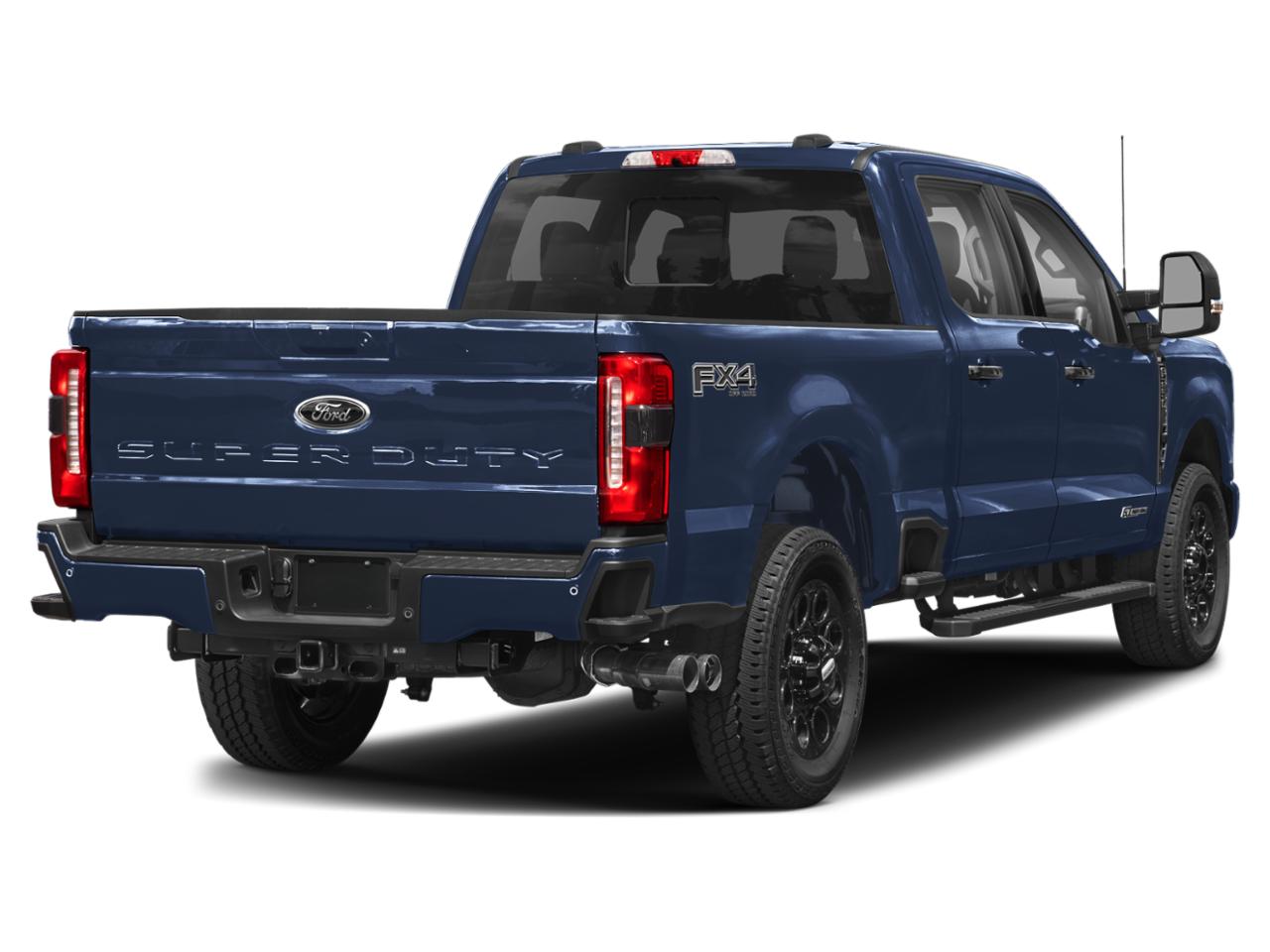
Price:90,809.00 USD

Price:71,979.00 USD

Price:69,129.00 USD
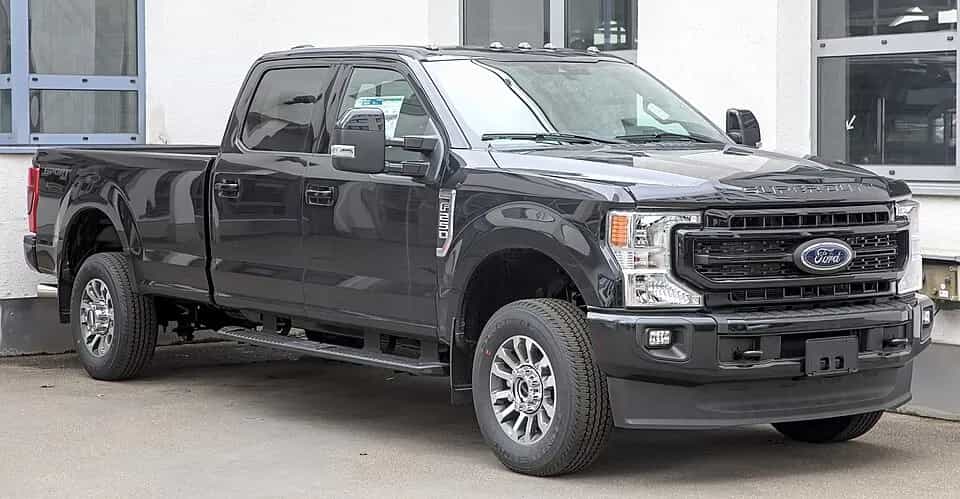
Model profile
USCar Trader is an independent broker.
The Super Duty line split from the light-duty F-150 in 1999 to serve heavier work.
Powertrain and equipment
Two engine families dominate. The petrol option has been a large V8 — the 6.2-litre in earlier trucks, replaced by the 7.3-litre "Godzilla" pushrod V8 (around 430 hp) from 2020.
The F-250 comes in Regular Cab, SuperCab (extended) and Crew Cab configurations, with short or long beds. US trims run XL and XLT (work-focused), Lariat (leather and comfort), and the premium King Ranch, Platinum and Limited grades, plus the off-road Tremor package.
Vehicle selection
Supply is vast.
The assessment depends on the specific vehicle and the circumstances of the transaction. Please contact USCar Trader before purchase; we review any possible duty benefit and provide non-binding support. Import VAT and other costs are considered separately.
Vehicle data
| Body style | Typical figure (recent F-250): Full-size heavy-duty pickup |
|---|---|
| Length (Crew Cab) | Typical figure (recent F-250): approx. 6,350-6,750 mm |
| Kerb weight | Typical figure (recent F-250): approx. 2,900-3,400 kg |
| Seating | Typical figure (recent F-250): 3 to 6 |
| Drivetrain | Typical figure (recent F-250): 4x2 or 4x4, 2-speed transfer case |
|---|---|
| Petrol engine | Typical figure (recent F-250): 7.3 L Godzilla V8, ~430 hp |
| Diesel engine | Typical figure (recent F-250): 6.7 L Power Stroke V8, 400-475+ hp |
| Diesel torque | Typical figure (recent F-250): up to 1,000+ lb-ft (~1,356+ Nm) |
| Transmission | Typical figure (recent F-250): 6-speed / 10-speed automatic |
| Fuel tank | Typical figure (recent F-250): up to ~130 litres (long-range option) |
| Fuel type | Typical figure (recent F-250): Diesel or petrol |
| Cab options | Typical figure (recent F-250): Regular / SuperCab / Crew Cab |
|---|---|
| Max towing (conventional) | Typical figure (recent F-250): up to ~9,000 kg (gooseneck higher) |
| Assembly | Typical figure (recent F-250): Kentucky Truck Plant / Ohio Assembly (US) |
Values are reproduced verbatim from the existing article table. The documents for the specific vehicle govern.
Pre-purchase review
The 6.7 Power Stroke is a strong engine, but it has known items. Early 2011-2014 trucks used a Bosch CP4.2 high-pressure fuel pump that can fail and contaminate the whole fuel system with metal debris — an expensive event; many owners fit a disaster-prevention kit, so ask what has been done.
Germany and Europe
US-market headlights use the FMVSS/SAE beam pattern, which differs from the ECE pattern required in the EU, so they may need adjustment or replacement with ECE-compliant units for registration.
Expect to fit or activate a rear fog lamp, adapt or replace headlights for the European beam pattern, confirm the odometer in kilometres, and demonstrate that lighting, marker lamps and the emissions system meet requirements.
USCar Trader services
As a buyer based in Germany, you do not have to inspect the vehicle yourself in the United States or Canada. Within the agreed scope, USCar Trader can coordinate document review, a separately commissioned on-site inspection and purchase processing.
Covered inspection points are agreed in advance. An on-site inspection records condition at the appointment and is not a guarantee.
Next step: Before commissioning, USCar Trader and the customer agree which document, history, inspection and transaction checks suit the vehicle and are included in the service. This records what was actually checked.
Import process
The assessment depends on the specific vehicle and the circumstances of the transaction. Please contact USCar Trader before purchase; we review any possible duty benefit and provide non-binding support. Import VAT and other costs are considered separately.
Questions and answers
No, not automatically. A 0% EU import-duty rate may be available for a vehicle covered by Regulation (EU) 2026/1455 that has US origin and is imported directly into the EU. CETA may apply to a vehicle with preferential Canadian origin. Whether the requirements are met is assessed for the individual case. Please contact USCar Trader before purchase; we review the possible duty benefit and provide non-binding support. Import VAT and other costs are assessed separately.
Import VAT and other taxes or costs are assessed separately under the applicable rules and the circumstances of the specific transaction. Please contact USCar Trader before purchase so the calculation reflects the selected vehicle.
The 6.7 Power Stroke is the towing champion but needs a healthy emissions and fuel system; the 7.3 petrol is simpler and robust. Match it to your towing needs.
On 2011-2014 diesels, the CP4.2 fuel pump. Confirm history and any prevention measures. Later trucks and the petrol V8 are less exposed.
Yes, with the usual lighting changes and a functioning emissions system. Its size affects classification but does not prevent registration.
The 2017-onward body panels resist corrosion well, but the steel frame and fasteners still need inspection, especially on salt-belt trucks.
By roll-on/roll-off or suitable container freight; we arrange the space appropriate to the truck's dimensions.
Typically several weeks from selection to registration, driven by freight and approval timing.
More vehicles