Dodge Viper
Importing a used Dodge Viper from the USA
Few cars distil the American approach to performance as purely as the Dodge Viper: a huge naturally aspirated V10 up front, a manual gearbox, rear-wheel drive, and, for most of its life, almost no electronic safety net. Europe never received the Viper through official channels in meaningful numbers, which is exactly why so many collectors and enthusiasts choose to import a used Viper from the USA. USCar Trader works as an independent broker for used vehicles — we find the specific car you want in the States, verify it, and manage shipping and clearance, without acting as a dealer or holding stock.

Generations at a glance
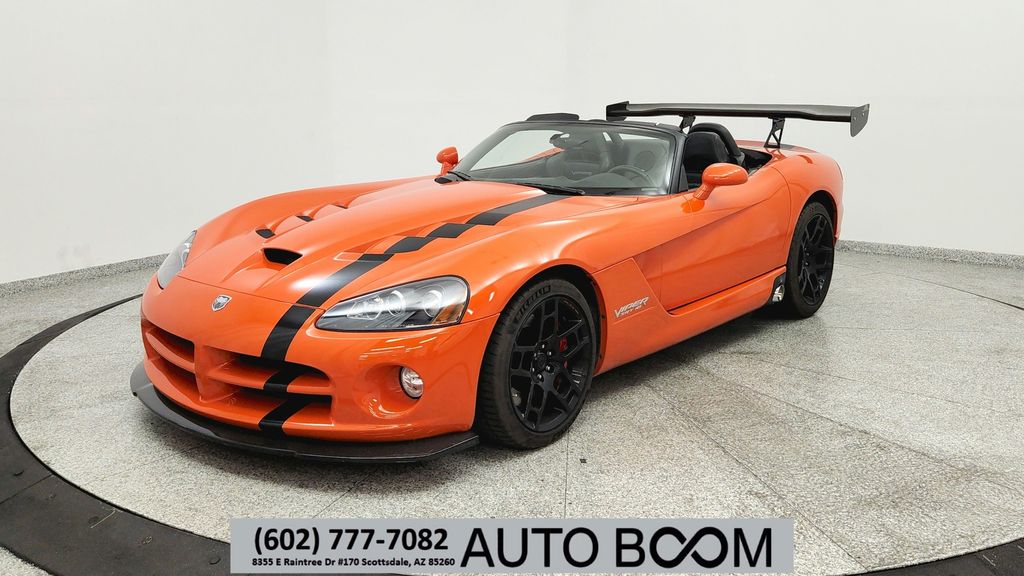
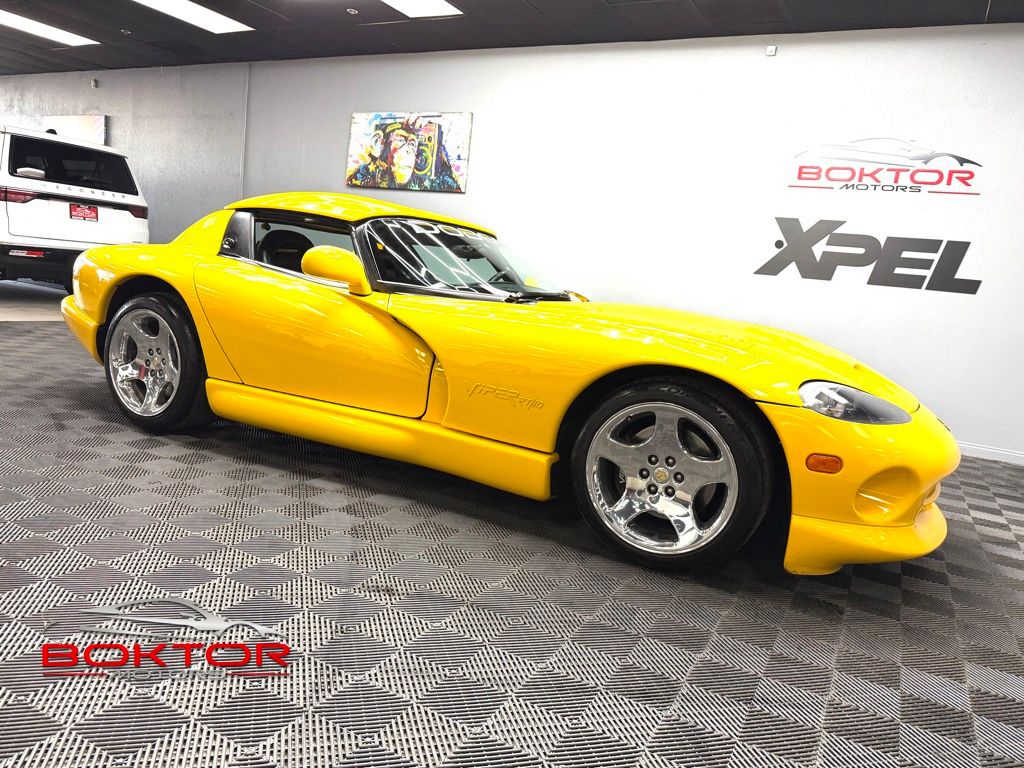
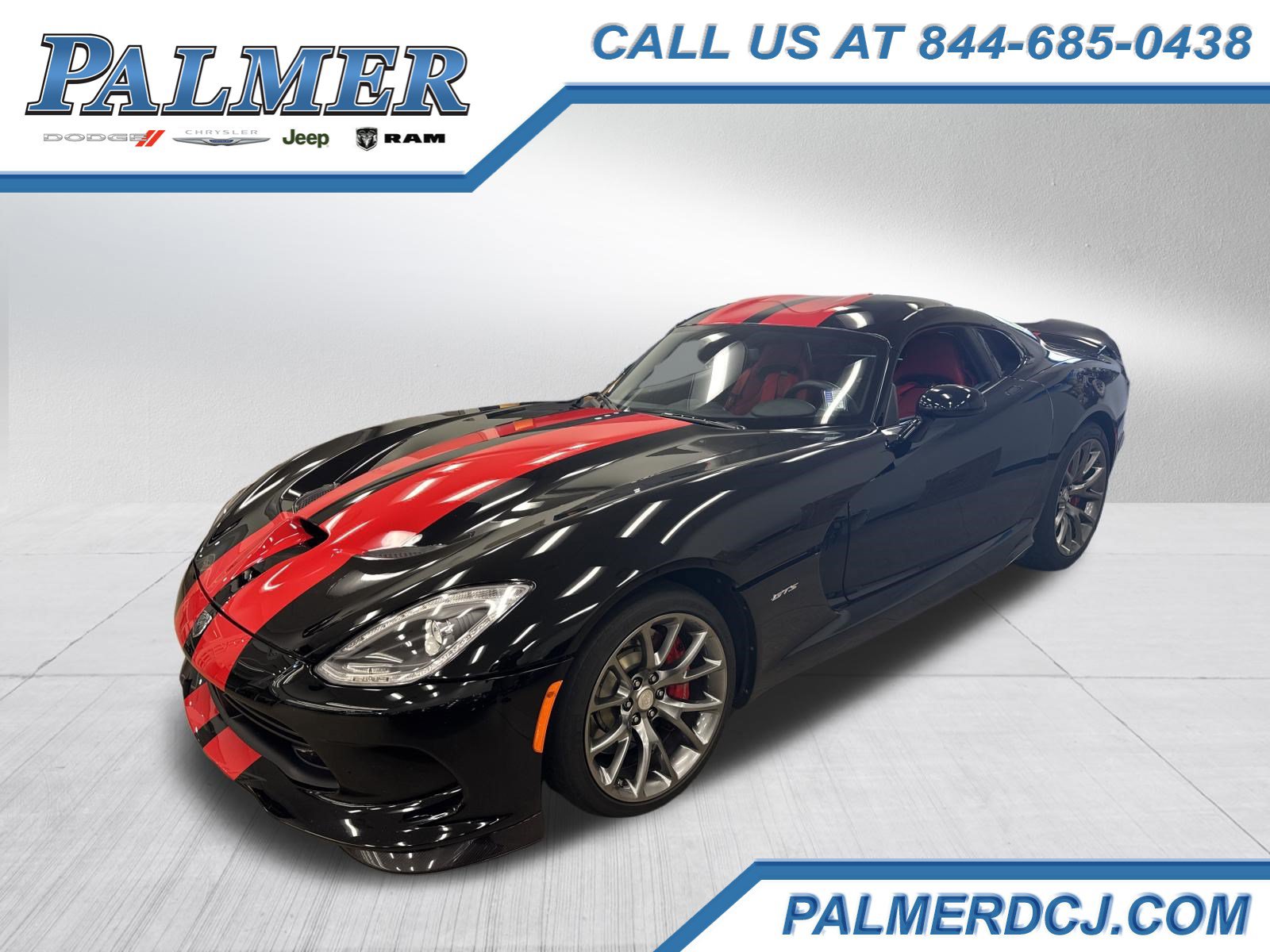
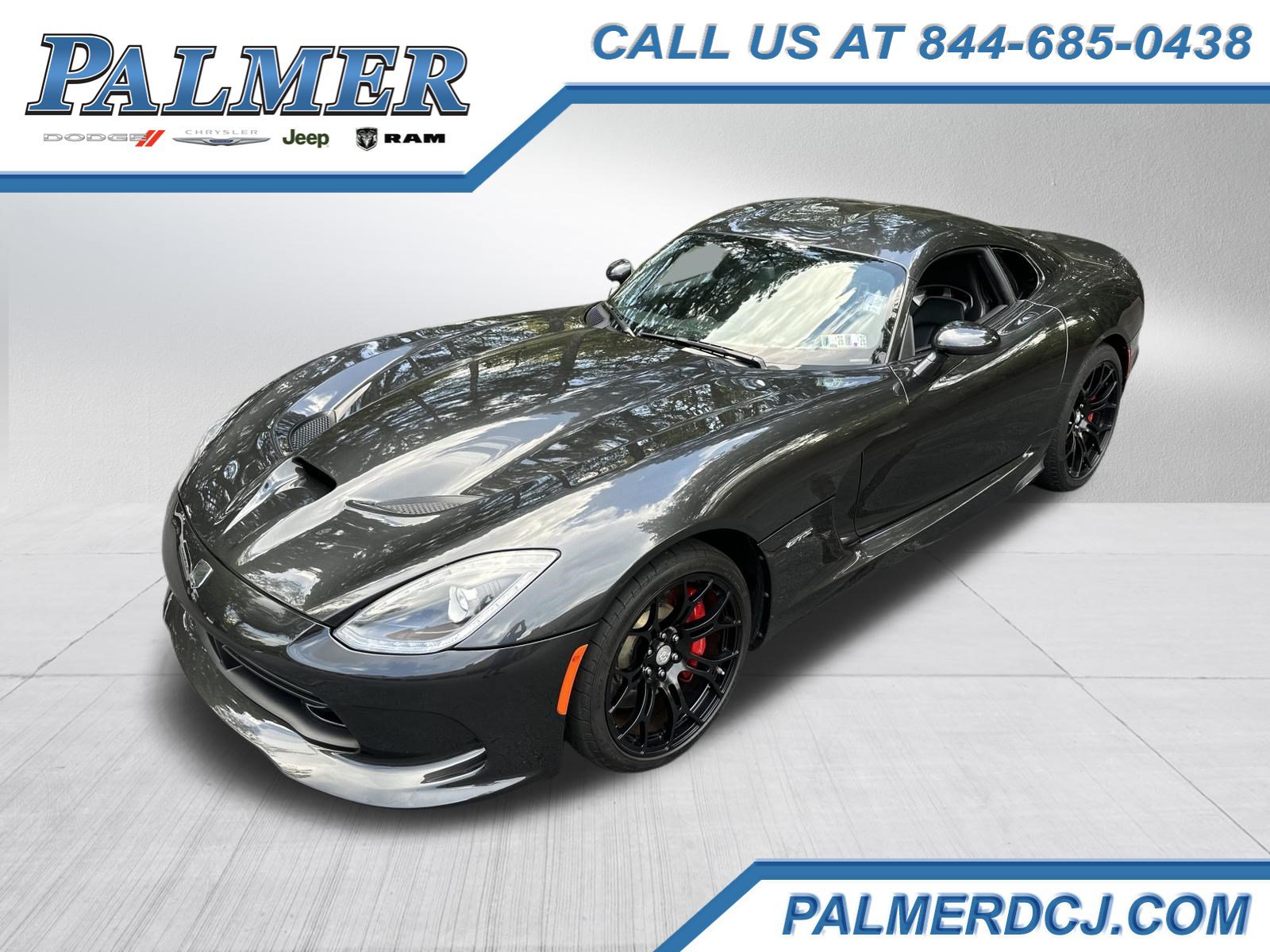
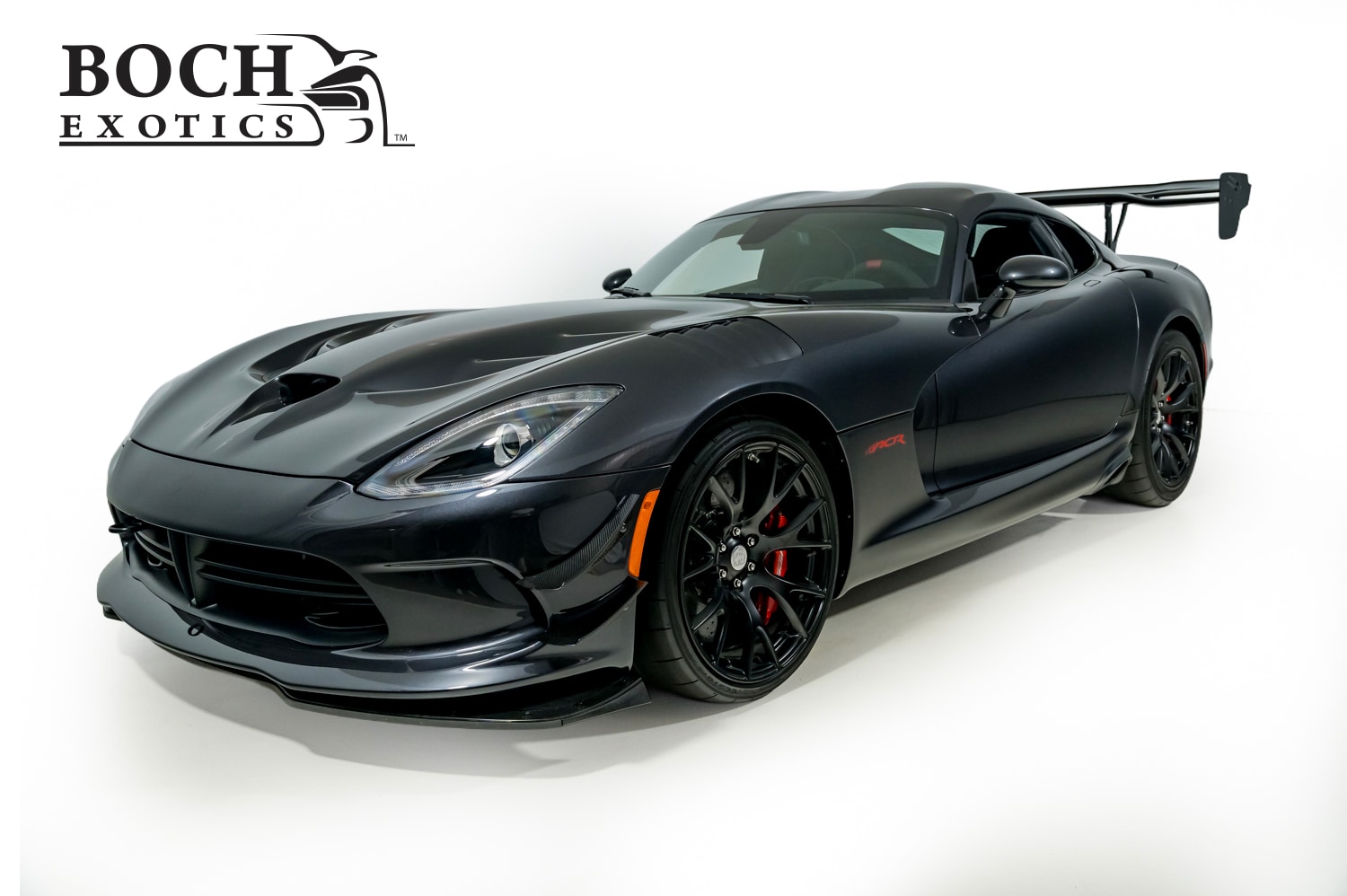
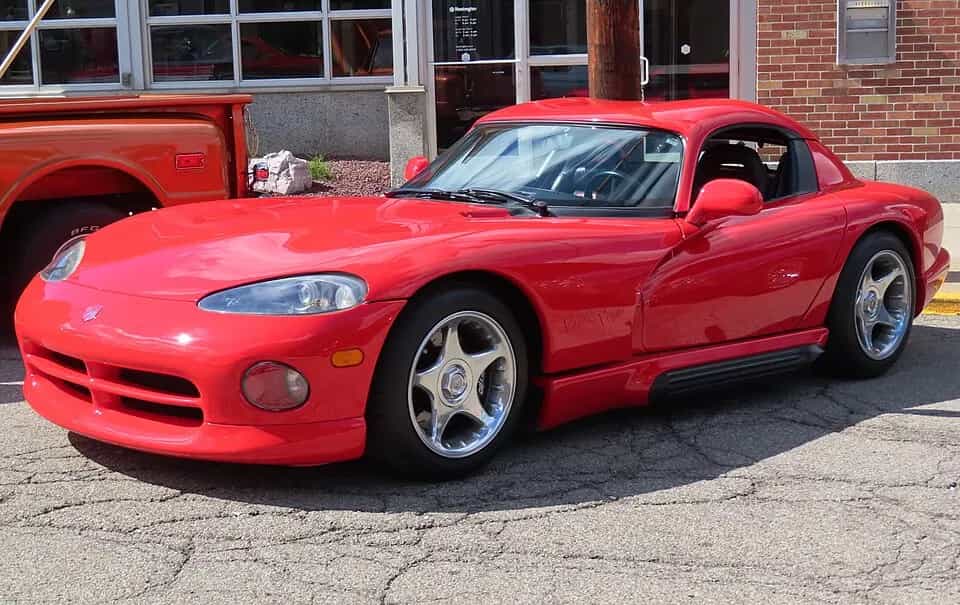
The Viper arrived in 1992 as the SR I RT/10, a stripped roadster with side pipes and no exterior door handles. The SR II (1996–2002) added the iconic double-bubble GTS coupe. The third generation ZB I (2003–2006) modernised the car and grew the engine to 8.3 litres. The fourth-generation ZB II (2008–2010) pushed displacement to 8.4 litres and 600 hp. The final fifth generation, sold as the SRT Viper and later the Dodge Viper (2013–2017), refined the formula with a more usable cabin, more electronics, and up to 645 hp, culminating in the track-focused ACR. Each generation kept the essential recipe intact.
Powertrain lineup
Every Viper runs a V10. Early SR cars used the 8.0-litre at 400–450 hp; the ZB generation moved to 8.3 litres and 500 hp, then 8.4 litres and 600 hp. The final VX cars produced 640–645 hp and colossal torque from the same 8.4-litre block. The only transmission ever fitted is a six-speed manual — a Tremec T56 on earlier cars, an upgraded TR6060 later — driving the rear wheels alone. There is no automatic and, on early cars, no traction control, no ABS (added from 2003), and no stability aids. The Viper is a driver's car in the most literal sense.
Trims in the US market
Body styles are the open RT/10 roadster, the fixed-roof GTS coupe, and later the SRT/GTS/GT trims of the fifth generation. Special versions matter for value: the ACR (American Club Racer) adds aggressive aero and adjustable suspension, while various anniversary and GTS-R editions carry unique colours and appointments. Verify exactly which variant a car is, since equipment and value vary widely.
The used market stateside
The Viper is relatively rare but consistently available in the US, where the community is large and cars are well documented. Many are low-mileage weekend or collector cars, so genuinely used but lightly driven examples are common. First-generation SR cars and final-year ACRs command the most attention; the ZB and early VX cars can be more attainable. Inspect service history closely — a Viper that has been stored and exercised properly is a very different proposition from a neglected one.
Who should import one
This is a car for enthusiasts and collectors who want an uncompromised, analogue supercar experience and a machine that will never be common on European roads. It rewards commitment: the driving position, heat from the side exhausts on early cars, and sheer torque demand respect. If you want a genuine American icon with a V10 soundtrack and want to import a used Viper from the USA, the payoff is a car with real presence and rising collector interest.
Key specifications
| Attribute | Detail (by generation) |
|---|---|
| Body styles | Roadster (RT/10) and coupe (GTS) |
| SR I / II engine | 8.0 L V10, ~400–450 hp |
| ZB I engine | 8.3 L V10, ~500 hp |
| ZB II engine | 8.4 L V10, ~600 hp |
| VX (SRT/Dodge) engine | 8.4 L V10, ~640–645 hp |
| Transmission | 6-speed manual (T56 / TR6060) |
| Drive | Rear-wheel drive |
| 0–100 km/h | approx. 3.4–4.0 s (later cars) |
| Length | approx. 4.46 m |
| Kerb weight | approx. 1,500–1,560 kg |
| ABS | From 2003 (ZB I) |
| Traction control | From fifth generation (2013) |
| Fuel | Petrol (premium) |
| Assembly | Detroit (Conner Avenue), Michigan |
| Production years | 1992–2010, 2013–2017 |
How reliable is it?
Mechanically the V10 and manual gearbox are tough and, driven and maintained sensibly, hold up well. The well-known Dodge Viper common problems are mostly about the ownership experience rather than fragility: intense cabin and sill heat from side-exit exhausts on SR cars (a genuine burn risk), clutch wear from hard launches, and tyre costs that are eye-watering given the enormous rubber. Early cars can suffer gel-coat cracking on composite panels and paint issues. Check for accident repairs, verify the clutch and synchro condition on a test drive, and confirm the cooling system is healthy, as these engines run hot.
What US models do differently
US Vipers need European-approved headlights, a rear fog lamp, and compliant rear lighting for German registration. The speedometer reads in mph and the odometer must be documented in the approval file. Early cars lack ABS and stability control, which is legal for import but worth understanding. Any US-market telematics or radio bands (SiriusXM) will not function in Europe.
Seven steps to your import
The route is: choose the exact car and confirm its variant and history; verify the VIN and Detroit build (the Viper was hand-assembled at Conner Avenue, supporting US-origin duty treatment); use escrow to secure the purchase; ship by container (strongly preferred for a valuable, low car) to Bremerhaven or Rotterdam; clear customs; pass TÜV and the individual approval (§21 StVZO); then register. Given the car's value, we recommend enclosed handling and careful loading.
Customs, taxes and costs explained
Bottom line: what matters is the factory shown by the VIN – proven US origin unlocks 0% duty. The 19% import VAT always applies.
Two charges apply separately. Import duty: since 1 July 2026, Regulations (EU) 2026/1455 and 2026/1461 permit a 0% rate for vehicles of provable US origin on direct transport, valid through 31 December 2029. The Viper was built in Detroit, so a VIN and plant check normally confirms US origin — but the rate is never automatic and must be documented. Import VAT: the 19% German Einfuhrumsatzsteuer always applies, on the customs value plus freight, irrespective of origin. USCar Trader adds no margin; you pay the car, the shipping, any applicable duty, and the VAT.
German TÜV and registration
Typical approval work includes European headlights, a rear fog lamp, compliant rear indicators, and odometer documentation. Noise and emissions are checked during the Einzelabnahme; the factory exhaust generally passes, but aftermarket systems may not. Retain the US title and full documentation for customs and registration.
The buyer checklist
Confirm before buying: 1) the full VIN and Detroit build; 2) a clean Carfax or AutoCheck with no salvage or flood record; 3) a clear (not rebuilt/salvage) title; 4) no signs of prior accident repair on the composite bodywork; 5) documented service and correct storage; 6) clutch, gearbox and cooling condition on a test drive or inspection report; 7) tyre age and condition, since replacements are costly.
Questions and answers
Can I register a Dodge Viper in Germany?
Yes, via the individual approval process (§21 StVZO), after fitting compliant lighting and passing the technical inspection. Older cars without ABS can still be registered.
Does the 0% import duty apply to a Viper?
No rate is guaranteed. The Viper is Detroit-built, so a VIN check usually confirms US origin and supports the 0% duty under the 2026 EU rules, but it must be proven, and the 19% import VAT always applies.
Which generation is the most usable?
The fifth-generation SRT/Dodge Viper (2013–2017) has the most civilised cabin and modern electronics; earlier cars are more raw and analogue.
Is the Viper reliable?
The V10 and manual gearbox are durable. The real considerations are clutch wear, exhaust heat on early cars, and running costs rather than mechanical fragility.
Manual only — is there an automatic Viper?
No. Every Viper ever built uses a six-speed manual gearbox and rear-wheel drive.
How should a Viper be shipped?
Container shipping is strongly preferred for protection and value retention on such a low, exclusive car.
What does the ACR add?
The American Club Racer package adds aggressive aerodynamics, adjustable suspension and a track focus, and it commands a premium over standard cars.
See the full American line-up in the Dodge in the Carhub, compare it against other performance icons like the Nissan GT-R and Pontiac Firebird, and when you are ready browse the current Viper listings.