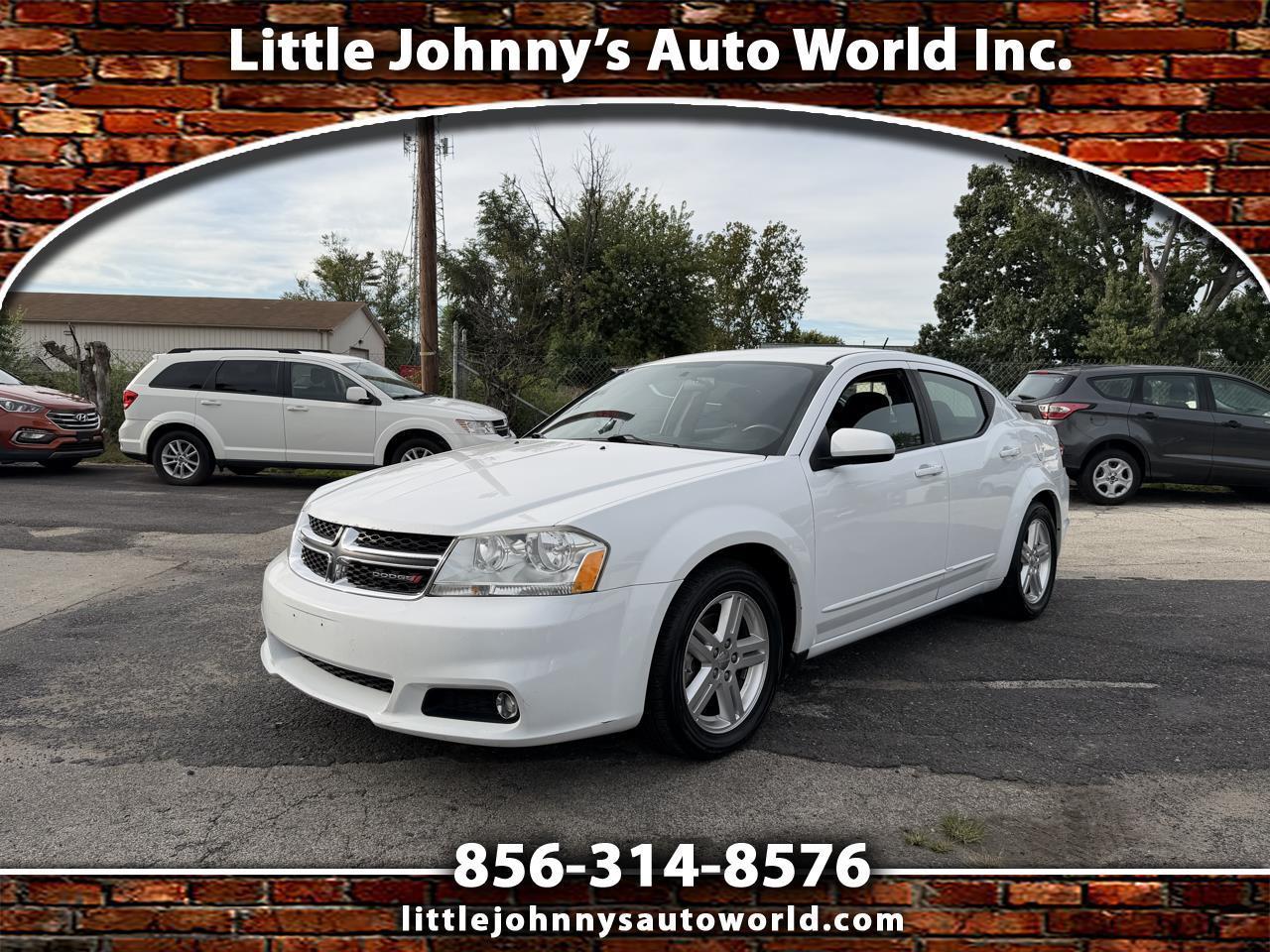
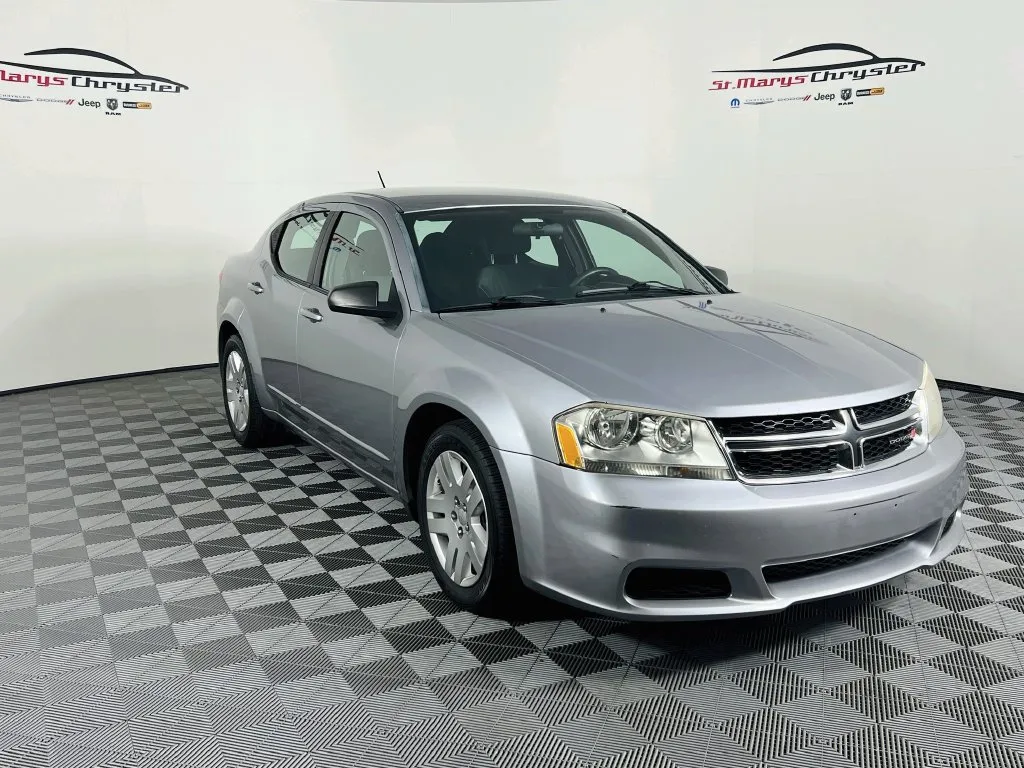
Dodge Avenger

Importing a used Dodge Avenger from the USA

The Dodge Avenger is an American mid-size sedan with a straightforward, honest character — roomy, comfortable and, in V6 form, surprisingly punchy. It never sold in Germany through official channels, which is exactly why a clean imported example stands out on European roads. If you want to import a used Dodge Avenger from the USA, the mechanicals are simple and familiar Chrysler-group hardware, parts are easy to source, and the car is built at Sterling Heights Assembly in Michigan — a genuine US origin that, subject to a VIN and plant check, can be relevant to the duty assessment. That plant verification is the step that decides whether the reduced rate can apply.

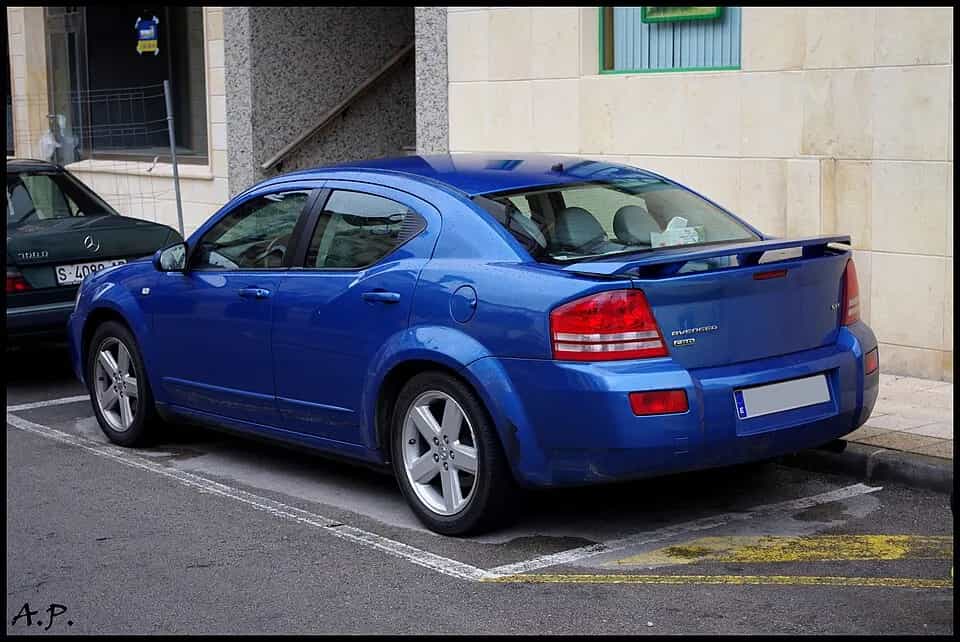
Dodge avenger – used car imported from the USA
Photo: Spanish Coches · CC BY 2.0 · Wikimedia Commons

Model history and generations

The Avenger name has two distinct lives. The original 1995-2000 Avenger was a Mitsubishi-based coupe. The car most buyers mean today is the second-generation four-door sedan sold from the 2008 to 2014 model years, built on the Chrysler JS platform it shared with the Chrysler Sebring and later the Chrysler 200. A significant mid-life update for the 2011 model year sharpened the styling, improved the interior materials that the early cars were criticised for, and — most importantly — introduced the excellent 3.6-litre Pentastar V6. The 2011-2014 cars are the ones to seek out.

Engines and drivetrain

Early 2008-2010 sedans used the 2.4-litre World Gas Engine four-cylinder (around 173 hp) and offered a 2.7-litre V6 and a 3.5-litre V6 higher up the range. The 2011 refresh rationalised this to the 2.4-litre four and the new 3.6-litre Pentastar V6 producing roughly 283 hp — a strong, refined engine still used across the group today. Transmissions were a four-speed automatic on early four-cylinder cars and the six-speed 62TE automatic on V6 and later cars. The Avenger is front-wheel drive throughout; there was no all-wheel-drive option.

Which trim makes sense

The Avenger was sold only as a four-door sedan. US trims included SE, SXT, the sportier R/T and special editions such as Heat, Lux and Rallye, with equipment rising from basic cloth and steel wheels to alloys, heated leather, a Boston Acoustics audio system and a larger touchscreen on late cars. The R/T and Pentastar-equipped cars are the most desirable for an import because they combine the better interior with the strong V6.

Supply on the US market

As a mainstream, high-volume sedan, the Avenger is plentiful and inexpensive in the US, and many were fleet or rental cars — so history checking matters. Expect a wide mileage range; well-kept private examples exist alongside high-mileage ex-fleet cars. The 3.6 Pentastar cars from 2011 onward are the sweet spot for condition and driving quality. Southern cars are typically rust-free; check northern cars for underbody corrosion. Condition and documented maintenance outweigh the model year.

Who benefits from importing

The Avenger suits an enthusiast who wants an affordable, roomy American sedan with genuine V6 performance and a look you simply will not see on every German street. It is not a luxury car or a sports saloon, but as a comfortable cruiser with easy mechanicals and a distinctive presence, it has real appeal for the right owner — and it makes an unusual, characterful daily driver or weekend car.

Technical data

SpecificationDetail (US market)
Body style4-door mid-size sedan
Generation (sedan)2008-2014 (Chrysler JS platform)
Base engine2.4 L World Gas Engine I4 (~173 hp)
Early V6 options2.7 L V6, 3.5 L V6 (2008-2010)
Later V63.6 L Pentastar V6 (~283 hp, 2011+)
Transmission (I4 early)4-speed automatic
Transmission (V6/late)6-speed 62TE automatic
DriveFront-wheel drive
TrimsSE, SXT, R/T, special editions
Seating5
Build plantSterling Heights, Michigan (USA)
Production end2014
Related modelsChrysler Sebring, Chrysler 200
Fuel typePetrol

Known weak points and maintenance

The Avenger uses well-understood Chrysler-group hardware, so parts and knowledge are widely available. The 3.6-litre Pentastar V6 is generally robust, though early Pentastar engines (around 2011-2013) were known for a left-bank cylinder-head issue that could cause a ticking noise and a misfire; many were replaced under warranty, so confirm whether the head has been addressed. The 2.4-litre four is durable but modest in power. The 62TE automatic is dependable with regular fluid service but dislikes neglect. Typical age-related items include suspension bushings and links, the TIPM (Totally Integrated Power Module) electrical box that can cause intermittent electrical faults on this generation of Chrysler products, and interior trim wear on ex-fleet cars. A car with service records and a sorted TIPM and cylinder head is a safe buy.

US and EU spec compared

US cars use amber front side markers, US-spec rear lighting, mph-primary instruments and North American infotainment. There was no European factory version, so all parts and documentation are US-sourced — not a problem given Chrysler parts availability, but worth noting. Emissions and lighting must be brought to European specification for approval. These are standard conversions for an American sedan import.

The import process in detail

Selection: choose a documented car, ideally a 2011+ Pentastar V6 with service history. VIN and origin check: confirm the Sterling Heights build from the VIN, which supports a US-origin duty assessment. Escrow: use secure escrow, never a direct wire to an unknown seller. Ocean freight: container or RoRo shipping to a German port. Customs clearance: declaration and settlement of duty plus import VAT. TUEV and individual approval: lighting, emissions and documentation are checked for the Vollabnahme. Registration: complete registration at your local Zulassungsstelle.

What customs clearance really costs

Remember: no origin proof, no 0% duty – and 19% German import VAT is due on every import.

Two separate charges apply and we keep both transparent. The import duty depends on the car's actual origin, established from the VIN and plant. Because the Avenger is built in Michigan, a car with provable US origin may qualify for the 0% EU import duty under Regulations (EU) 2026/1455 and 2026/1461 (in force since 1 July 2026, direct transport, valid until 31 December 2029) — but only when origin is documented; we never present this as guaranteed. Separately, the 19% German import VAT (Einfuhrumsatzsteuer) always applies on import regardless of origin. As an independent broker we add no margin to duty or VAT.

TUEV, modifications and registration

Typical Vollabnahme work includes adapting front and rear lighting to European specification, confirming a functioning rear fog lamp, and confirming the speedometer reading in km/h. The odometer and title documentation are checked for consistency. Once the single-vehicle approval is granted, registration proceeds normally at the Zulassungsstelle.

Check before you buy

Verify the VIN against the title and confirm the Sterling Heights build. Order a Carfax or AutoCheck report for accidents, ownership and rental history. Inspect the underbody for rust, especially northern cars. On 2011-2013 V6 cars, confirm whether the left cylinder head has been addressed. Check for TIPM-related electrical faults. Confirm 62TE transmission fluid service. Verify a clean title with no salvage or flood brand.

Common questions

Can I import a used Dodge Avenger to Germany?

Yes. USCar Trader arranges the complete import as your broker, from sourcing through TUEV and registration.

Does the 0% import duty apply to the Avenger?

It may, because the car is US-built in Michigan — but only with provable US origin from the VIN. We check the plant first and never call it guaranteed.

Is the 19% import VAT always charged?

Yes. The German Einfuhrumsatzsteuer of 19% applies on every import regardless of origin.

Which Avenger should I look for?

The 2011-2014 cars with the 3.6-litre Pentastar V6 offer the best interior and the strongest, most refined engine.

Is the Dodge Avenger reliable?

The hardware is well understood. Confirm the early-Pentastar cylinder-head fix, check the TIPM and keep the transmission serviced.

Was the Avenger ever sold in Germany?

No. It was a North American model, which is part of its appeal as an unusual import.

Can it be registered normally after import?

Yes, once the TUEV single-vehicle approval is complete and lighting and documentation meet German requirements.

Explore more Dodge in the Carhub, compare it with the Dodge Dart and related sedans such as the Chrysler 200 or Chrysler 300, or view current Avenger listings.