Buick Verano

Importing a used Buick Verano from the USA

The Buick Verano is a compact near-luxury sedan that aimed to bring a quiet, refined cabin to the small-car class, and it remains a genuinely uncommon sight on European roads. Sold in the United States from the 2012 model year, it built a reputation for hushed cruising and a comfortable ride rather than sporting flair. For a buyer who wants something distinctive and easy to live with, importing a used Buick Verano from the USA offers a well-equipped American sedan at sensible values. USCar Trader works purely as an independent broker for these used cars, arranging the sourcing, inspection, escrow and shipping.

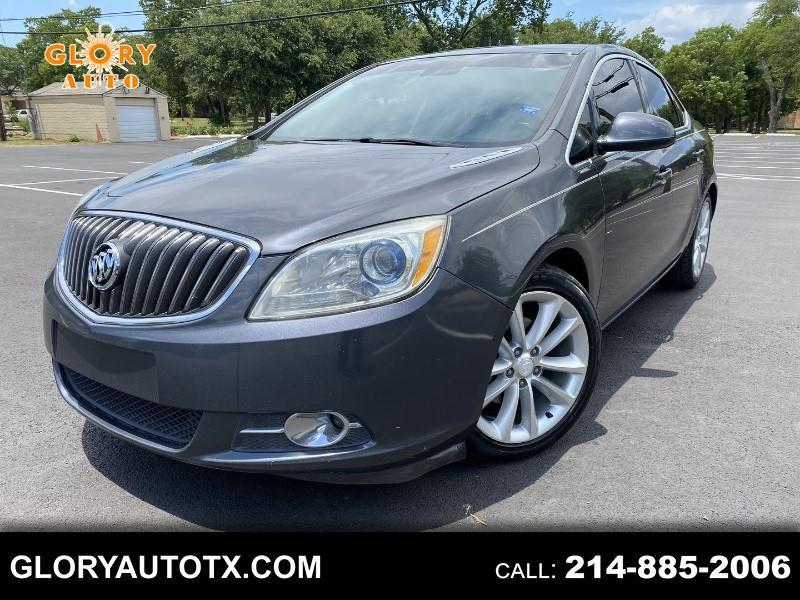
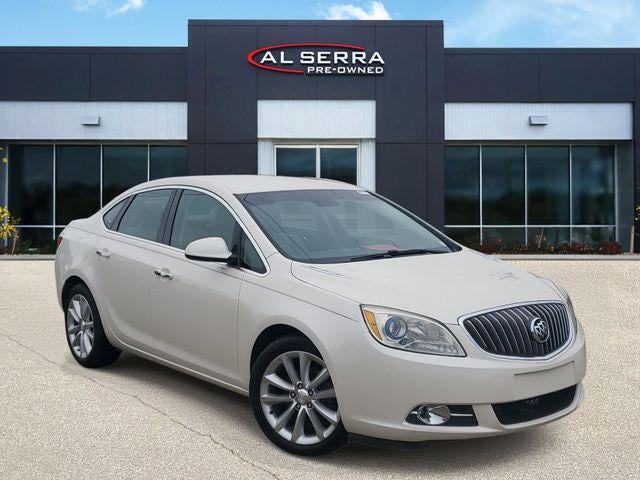
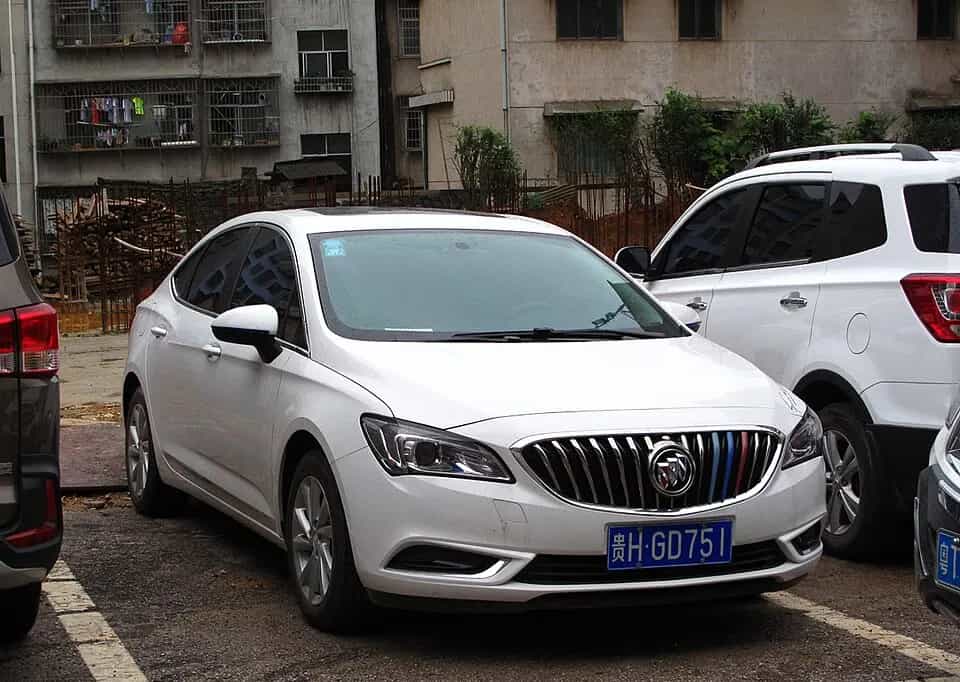
Buick verano – used car imported from the USA
Photo: Rutger van der Maar · CC BY 2.0 · Wikimedia Commons

Model history: years and generations

The North American Verano ran as a single generation from 2012 to 2017, built on GM's Delta II compact platform it shared with the Chevrolet Cruze and Opel/Vauxhall Astra J. Buick pitched it above mainstream compacts, wrapping the platform in extra sound deadening, plusher trim and a longer standard-equipment list. A separate second-generation Verano was sold in China, but the US car European importers will encounter is the 2012-2017 model. Because production ended in 2017, most used examples are now mature, higher-mileage cars, so history and condition matter more than model year alone.

Engines, transmissions and drive

The standard engine is GM's 2.4-litre Ecotec inline-four, producing around 180 hp, paired with a six-speed automatic driving the front wheels. Enthusiasts sought the Verano Turbo, which used the 2.0-litre turbocharged Ecotec making roughly 250 hp and, unusually for the class, offered an available six-speed manual alongside the automatic. Both engines emphasise smooth, quiet power delivery over outright response, in keeping with the car's near-luxury brief. There was no all-wheel-drive option; all US Veranos are front-wheel drive.

Equipment lines and body styles

The Verano was offered only as a four-door sedan. Trim levels progressed from the base car through Convenience, Leather and Premium (Turbo) grades. Even entry cars came generously equipped by class standards, with features such as the QuietTuning acoustic package, alloy wheels, a leather-wrapped wheel and, higher up the range, heated leather seats, a heated steering wheel, a Bose audio system and Buick's IntelliLink infotainment. The Premium Turbo is the most desirable specification.

The US used market

Supply in the United States is steady, since the Verano sold in reasonable numbers over its six-year run. Typical used cars are 2012-2017 examples with moderate to higher mileage, reflecting their age. Many were bought by owners who valued comfort and reliability, so a good proportion have been maintained carefully. Rust exposure varies sharply by region, so a car from a dry southern or western state is generally a safer bet than one from the salted roads of the north-east.

Is an import right for you?

The Verano suits a buyer who wants a quiet, comfortable and rare compact sedan rather than a sporty or badge-driven choice. The standard 2.4 is the relaxed cruiser; the Turbo adds welcome pace for those who want it. As a neutral-origin model that was assembled in the United States, its customs treatment still depends on the VIN, which we explain below.

Specs at a glance

SpecificationBuick Verano (2.4 / 2.0T)
Body style4-door compact sedan
PlatformGM Delta II
Base engine2.4 L Ecotec inline-four
Base powerapprox. 180 hp
Turbo engine2.0 L turbo Ecotec inline-four
Turbo powerapprox. 250 hp
Transmission6-speed auto (6-speed manual on Turbo)
DriveFront-wheel drive
0-100 km/h (Turbo)approx. 6.5 s
Top speedapprox. 210 km/h (Turbo)
Lengthapprox. 4,671 mm
Wheelbaseapprox. 2,685 mm
Kerb weightapprox. 1,470-1,520 kg
FuelPetrol
Model years (US)2012-2017

Common issues buyers should know

The Verano's Ecotec engines are broadly durable but carry a handful of well-known issues. On the naturally aspirated 2.4 (the LEA), timing-chain stretch is the headache to watch for, signalled by a rattle on start-up and a check-engine light; it stems from oil maintenance as much as design, so a diligent oil-change history is reassuring. The 2.0 turbo can suffer intake-valve carbon build-up typical of direct injection, along with PCV diaphragm faults that cause rough running or oil consumption. Across both engines, water-pump and coolant leaks, and occasional electronic power-steering niggles, are documented Verano common problems. Overall Verano reliability is respectable for the class provided servicing has been kept up.

Differences from the European version

US cars use mph instrumentation, amber or red rear turn indicators to US standards, and side marker lights. The IntelliLink system may need map or language updates. Mechanically the car is close to its European Astra J relative, which helps with some service parts, though Buick-specific trim can be harder to source in Europe.

Import step by step

The route runs from selection to registration: we identify a suitable car, run a VIN and plant/origin check, secure it through escrow, arrange ocean freight to a European port, complete customs clearance, present the vehicle for TÜV and individual approval (Einzelabnahme), and support your registration.

Customs and taxes: what applies

Remember: no origin proof, no 0% duty – and 19% German import VAT is due on every import.

The two charges are always separate. Under Regulations (EU) 2026/1455 and 2026/1461, valid from 1 July 2026 until 31 December 2029, the EU import duty can be 0% for vehicles of provable US origin shipped directly. The Verano is a neutral-origin model, but US-market cars were assembled in the United States, which can support a US-origin claim; even so, the VIN and plant record must prove it, and we never treat 0% as guaranteed. Separately, the 19% German import VAT (Einfuhrumsatzsteuer) is always due regardless of origin.

Modifications and single-vehicle approval

Typical measures include fitting or enabling a rear fog lamp, confirming headlight conformity, and converting the odometer and instruments to kilometres. Once the individual approval is granted, the car can be registered locally.

What to verify before buying

Verify the VIN and build plant; obtain a full Carfax or AutoCheck history; listen for timing-chain rattle on the 2.4 and check oil-service records; inspect for rust, especially on northern cars; confirm accident-free status; check tyres, brakes and coolant condition; and confirm a clean, non-salvage title.

Common questions

Can I import a used Buick Verano from the USA?

Yes. As a broker we source, inspect, ship and clear the car, then support the TÜV individual approval and German or EU registration.

Does the 0% EU import duty apply to the Verano?

US-market Veranos were built in the United States, which can support a US-origin claim, but only the VIN and plant record confirm it. We never treat the 0% rate as guaranteed.

Is the 19% import VAT always charged?

Yes. The German Einfuhrumsatzsteuer of 19% applies to every import irrespective of origin.

What is the main reliability concern?

Timing-chain stretch on the 2.4 Ecotec is the key item; a documented oil-service history and a start-up listen are the best safeguards.

Is the Turbo worth seeking out?

The 2.0 turbo adds meaningful pace and the rare manual option, but check for carbon build-up and PCV faults typical of direct-injection engines.

Is it hard to service a Verano in Europe?

Mechanical parts overlap with the related Astra J, though some Buick-specific trim can be harder to find.

Do you add a hidden margin?

No. USCar Trader is an independent broker and works transparently without a hidden dealer margin.

How long does the import take?

Several weeks is typical for freight and clearance, depending on port schedules and the approval workload.

Browse the wider range with Buick in the Carhub, compare the sportier Buick Regal and the larger Buick LaCrosse, or view the current Verano listings.