Importing a used Buick Regal from the USA
USCar Trader is an independent broker for used US vehicles.
 0049 (0)89 2000 791 00
 Mo - Fr 8:00am - 8:00pm
USCar Trader import service
Choose a specific vehicle. Where data is available, its detail page shows the import cost calculation. We assess any possible duty benefit with you before purchase.
Important: A 0% EU import-duty rate may be available for a vehicle covered by Regulation (EU) 2026/1455 that has US origin and is imported directly into the EU. CETA may apply to a vehicle with preferential Canadian origin. Whether the requirements are met is assessed for the individual case. Please contact us before purchase; we review the possible duty benefit and provide non-binding support through the process. Import VAT and other costs are assessed separately.
CarHub · Buick
The Buick Regal is one of the more European-flavoured cars ever sold under an American badge, which is fitting given its close relationship with the Opel Insignia.
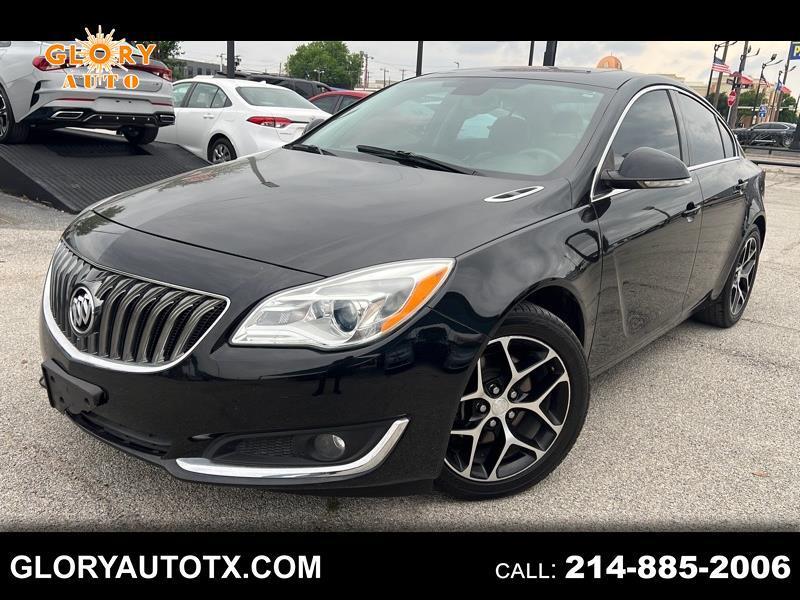
Price:9,995.00 USD
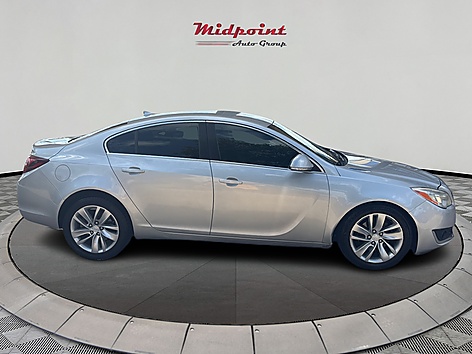
Price:9,495.00 USD
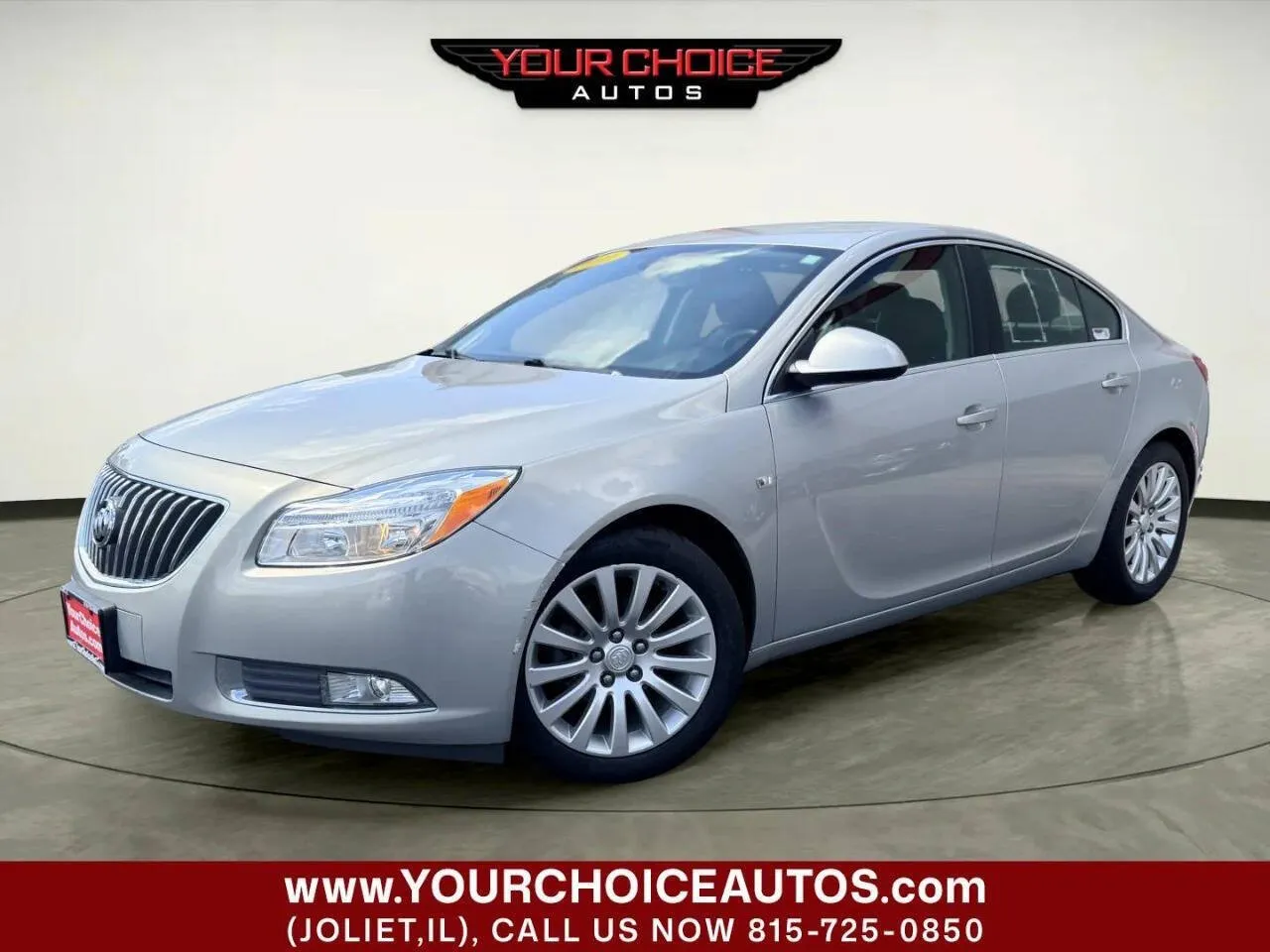
Price:7,039.00 USD
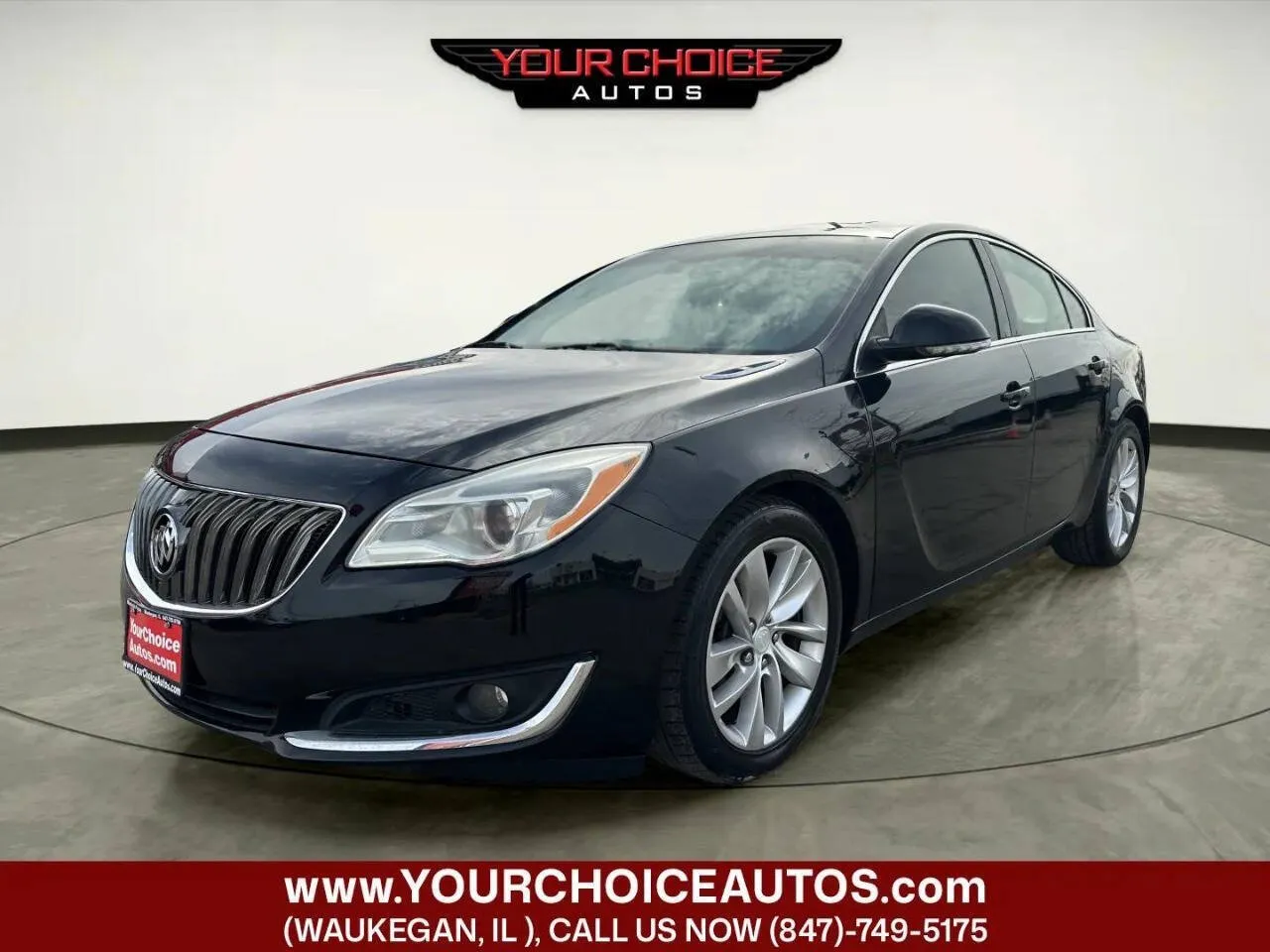
Price:10,676.00 USD
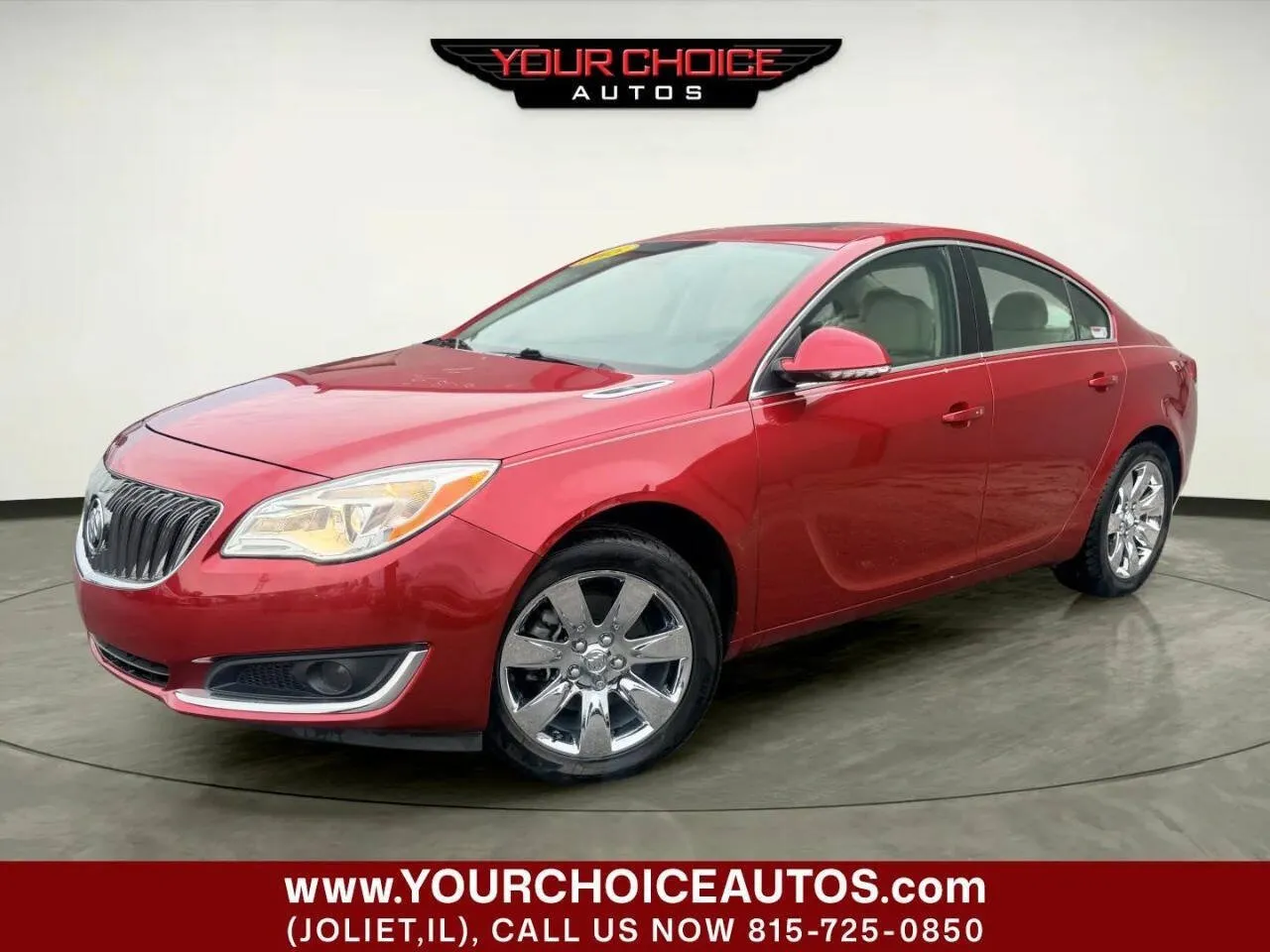
Price:11,176.00 USD
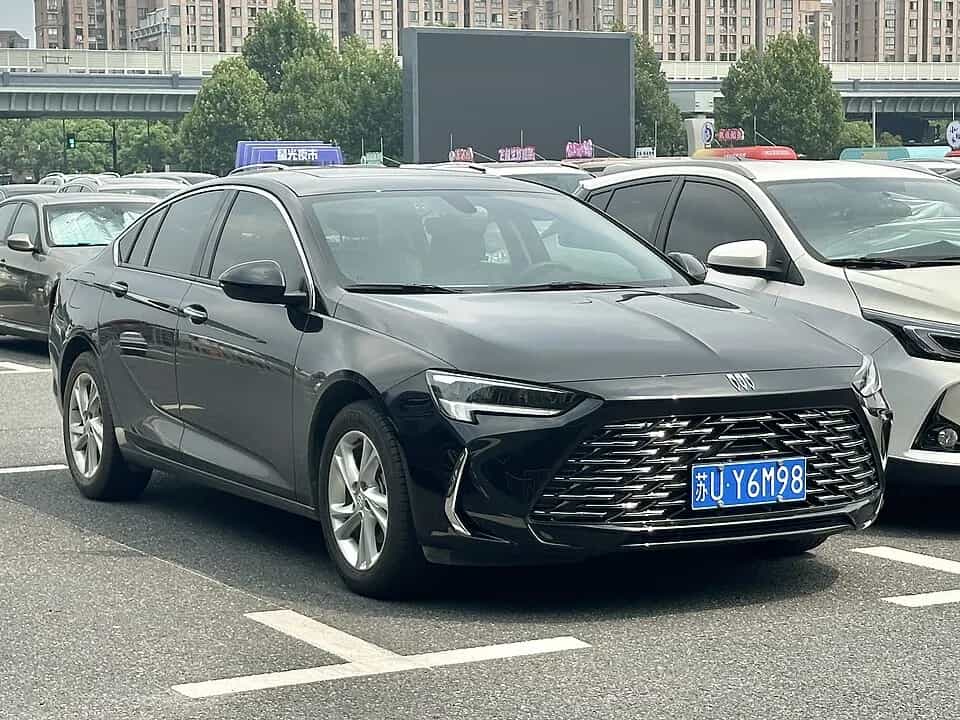
Model profile
USCar Trader is an independent broker for used US vehicles.
The modern Regal returned to the US line-up for the 2011 model year as the fifth generation, based on the GM Epsilon II platform it shared with the Opel Insignia.
Powertrain and equipment
Most US Regals are powered by GM's 2.0-litre turbocharged four-cylinder, producing around 250 to 260 horsepower in the sixth generation and driving through a six-speed or, later, eight- or nine-speed automatic.
Body styles depend on generation: a conventional sedan through 2017, then the Sportback liftback and TourX wagon from 2018. Trim walks typically run from base and Preferred levels up through Essence, the sportier GS, and the well-appointed Avenir on late cars.
Vehicle selection
The Regal sold in modest numbers in the US, so it is less common than mainstream sedans, but clean examples are readily found, particularly 2018-2020 Sportbacks and the sought-after TourX wagon. Typical used cars span a broad mileage range, from low-mileage lease returns to higher-mileage commuters, so condition and history matter more than model year.
Vehicle data
| Body styles | Sedan (to 2017), Sportback liftback, TourX wagon |
|---|---|
| Seating | 5 |
| Main engine | 2.0L turbo four (approx. 250-260 hp) |
|---|---|
| Other engines | 2.4L NA (eAssist), 3.6L V6 (GS, sixth gen) |
| GS output | approx. 310 hp (3.6 V6, AWD) |
| Transmission | 6-speed / 8- or 9-speed automatic |
| Drive | FWD standard; AWD on GS/TourX and some Sportback |
| TourX role | Raised estate with cladding, standard AWD |
| Fuel type | Petrol (mild hybrid on eAssist) |
| Segment | Mid-size (D-segment) |
|---|---|
| Generations | 5th gen 2011-2017, 6th gen 2018-2020 |
| Platform | GM Epsilon II / E2XX (shared with Opel Insignia) |
| Key trims | Preferred, Essence, GS, Avenir |
| Assembly | The assessment depends on the specific vehicle and the circumstances of the transaction. Please contact USCar Trader before purchase; we review any possible duty benefit and provide non-binding support. Import VAT and other costs are considered separately. |
Values are reproduced verbatim from the existing article table. The documents for the specific vehicle govern.
Pre-purchase review
Anyone researching Buick Regal reliability will find a car that is generally solid, helped by its shared engineering with the Opel Insignia. The 2.0-litre turbo four is the engine to know: watch for carbon build-up on the intake valves typical of direct-injection engines, keep on top of oil changes to protect the timing chain, and check for any history of PCV or turbo-related issues.
Germany and Europe
Although the Regal is mechanically close to the Opel Insignia, US cars carry US-market equipment: amber side markers, no dedicated rear fog lamp, a miles-per-hour cluster and US infotainment and telematics.
US-market headlights use the FMVSS/SAE beam pattern, which differs from the ECE pattern required in the EU, so they may need adjustment or replacement with ECE-compliant units for registration.
USCar Trader services
As a buyer based in Germany, you do not have to inspect the vehicle yourself in the United States or Canada. Within the agreed scope, USCar Trader can coordinate document review, a separately commissioned on-site inspection and purchase processing.
Covered inspection points are agreed in advance. An on-site inspection records condition at the appointment and is not a guarantee.
Next step: Before commissioning, USCar Trader and the customer agree which document, history, inspection and transaction checks suit the vehicle and are included in the service. This records what was actually checked.
Import process
The assessment depends on the specific vehicle and the circumstances of the transaction. Please contact USCar Trader before purchase; we review any possible duty benefit and provide non-binding support. Import VAT and other costs are considered separately.
Questions and answers
They are closely related and share their platform, so mechanically they have a lot in common, but US Regals carry American-market trim, equipment and specification.
No, not automatically. A 0% EU import-duty rate may be available for a vehicle covered by Regulation (EU) 2026/1455 that has US origin and is imported directly into the EU. CETA may apply to a vehicle with preferential Canadian origin. Whether the requirements are met is assessed for the individual case. Please contact USCar Trader before purchase; we review the possible duty benefit and provide non-binding support. Import VAT and other costs are assessed separately.
Import VAT and other taxes or costs are assessed separately under the applicable rules and the circumstances of the individual case. A blanket answer for every vehicle would not be reliable.
The 2018-2020 Sportback is the sleek liftback, the TourX is the raised estate with standard AWD, and pre-2018 cars are traditional sedans. The TourX is the rarest and most distinctive.
Generally yes, helped by its Insignia engineering. Watch for direct-injection carbon build-up on the 2.0T, keep up with oil changes, and check infotainment and AWD operation.
The 2.0-litre turbo four, making around 250-260 horsepower in the sixth generation. The GS uses a 3.6 V6, and early cars offered a 2.4 with eAssist.
Usually a couple of months from purchase to German registration, driven mainly by shipping schedules, customs clearance and the TÜV appointment.
Available VIN, title and history information can be reviewed in the vehicle profile. USCar Trader can also arrange a separately booked on-site inspection within a scope agreed in advance.
More vehicles