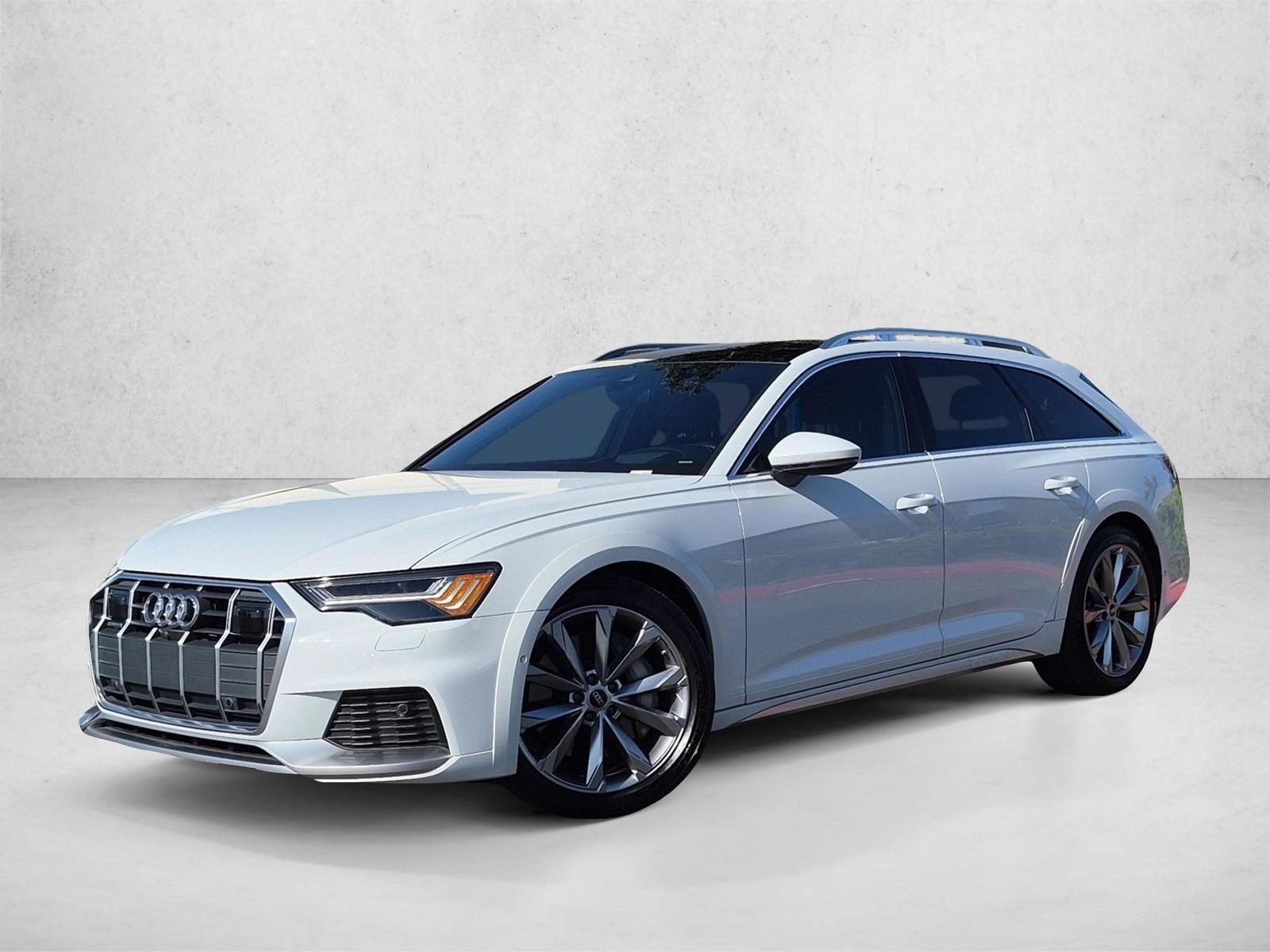
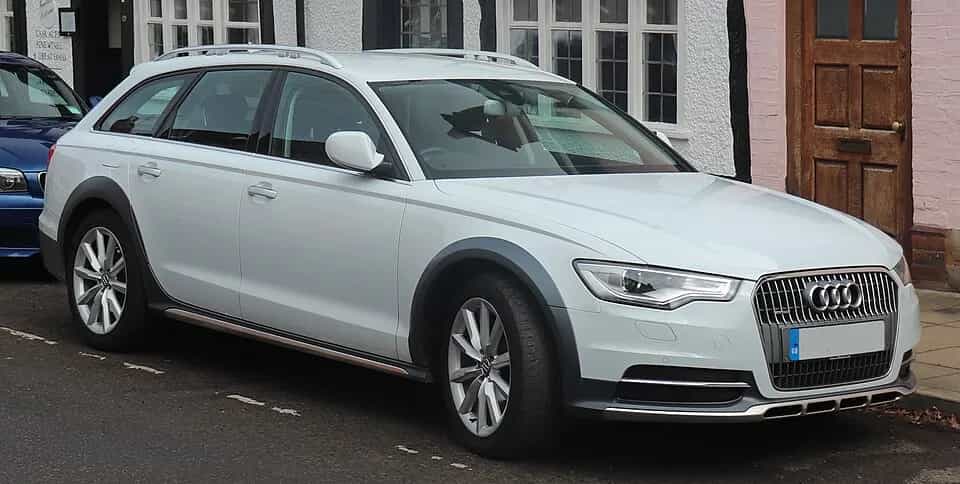
Audi allroad
Importing a used Audi allroad from the USA
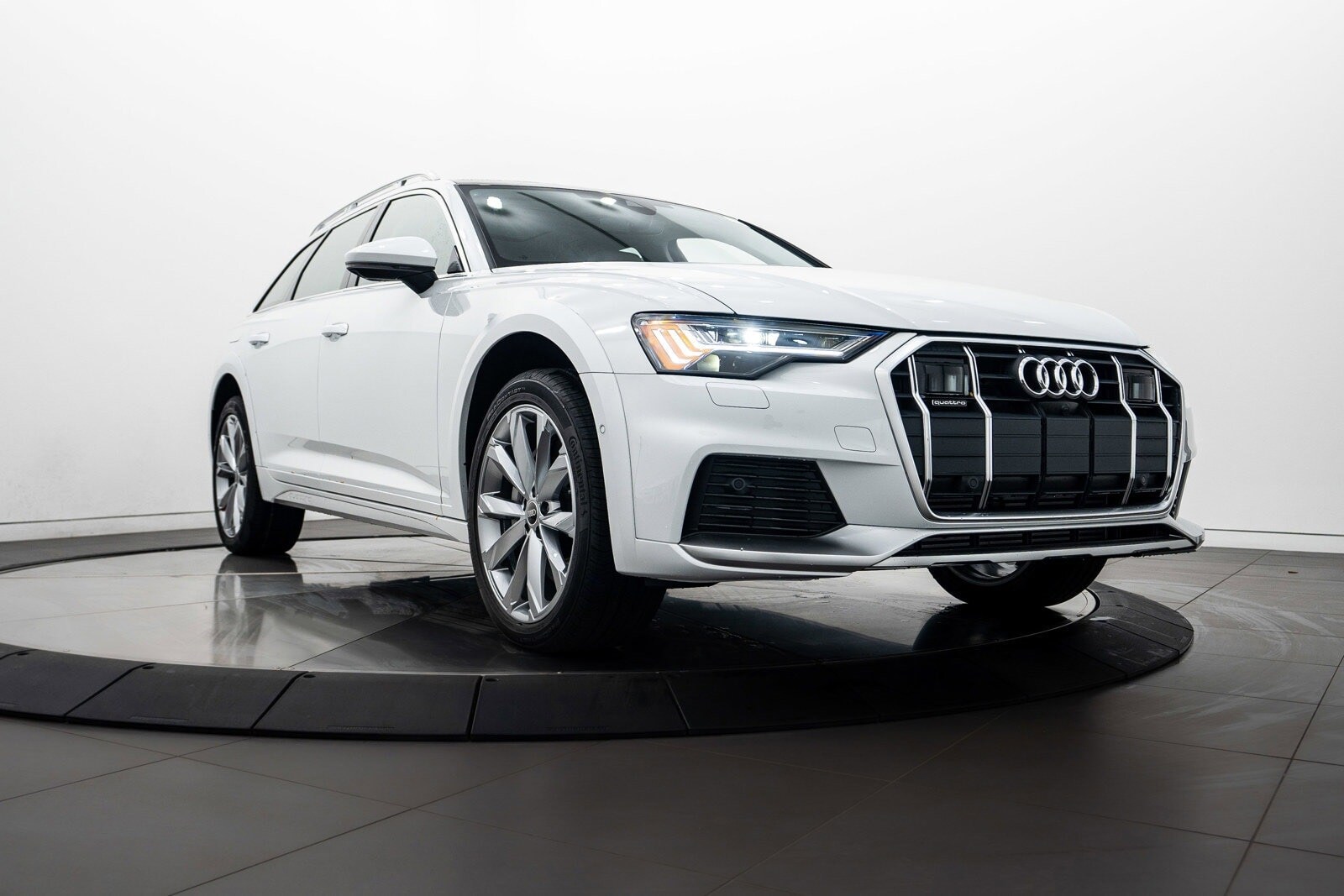
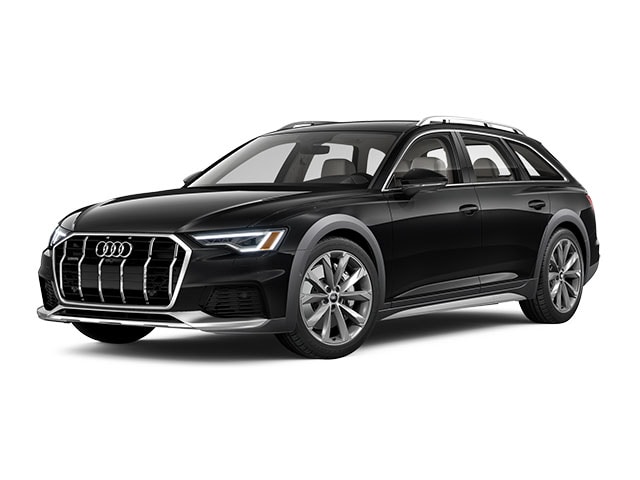
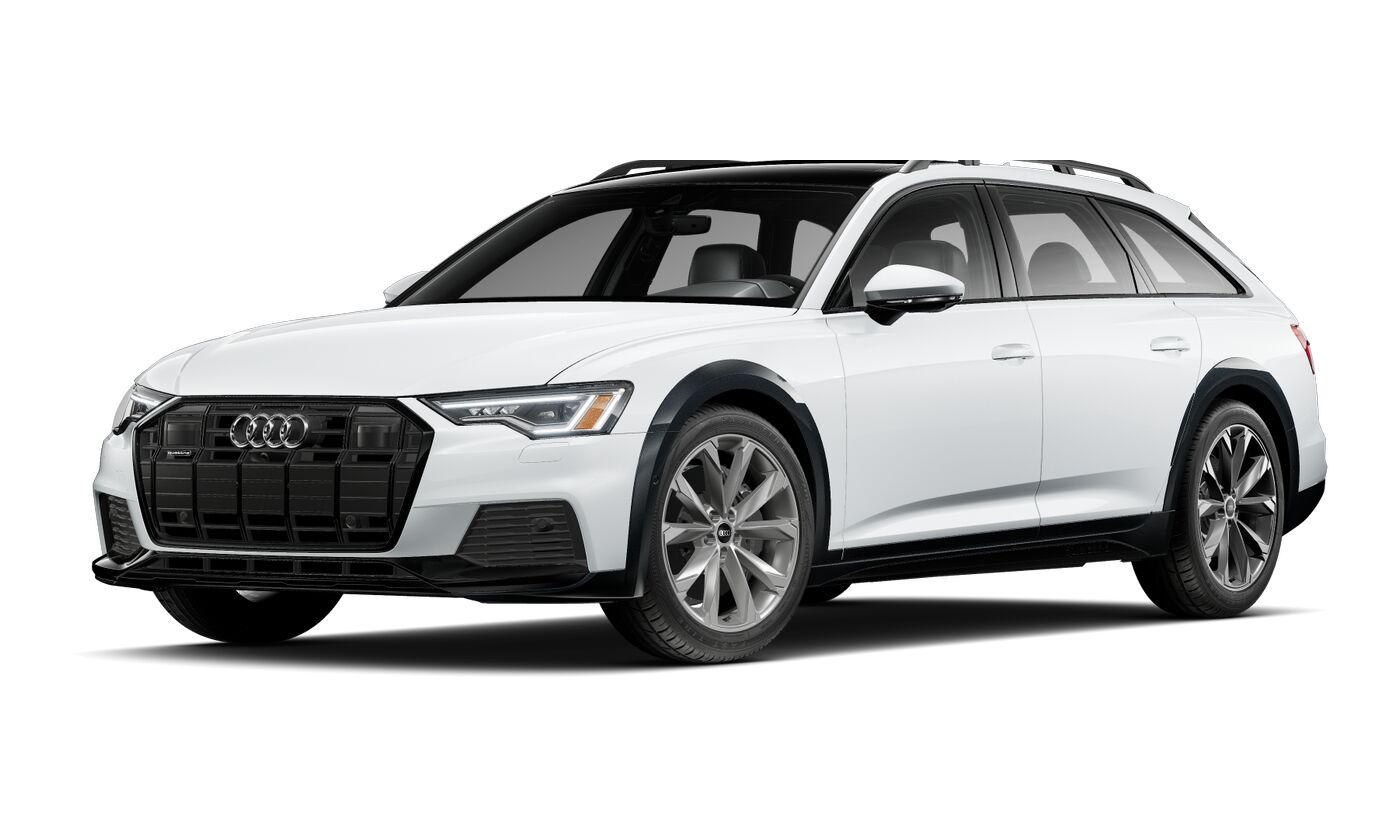
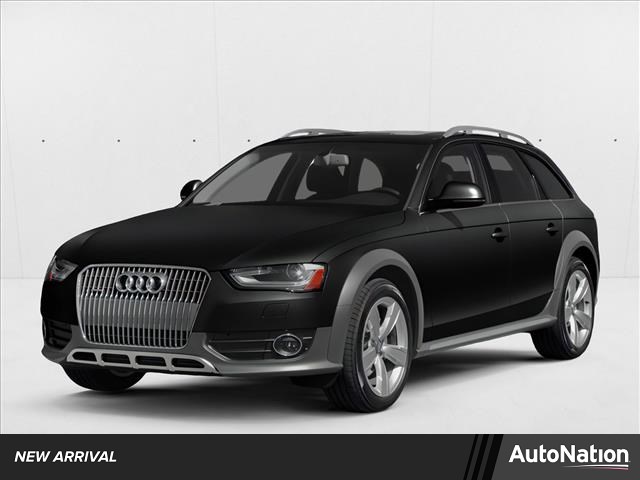
The allroad is Audi's answer to the rugged estate: a quattro wagon with extra ground clearance, protective body cladding and a cabin that stays firmly premium. In the United States it has been sold in two distinct families — the original A6-based allroad quattro and the later A4 allroad — and both make sense as a used import. American buyers favoured well-equipped, higher-mileage examples, so if you want to import a used Audi allroad from the USA you will find a broad choice of colours, engines and options, often better specified than comparable European cars.

Generations at a glance
The first allroad quattro arrived on the C5 A6 platform (US model years 2001–2005), famous for its adjustable air suspension and 2.7-litre biturbo V6. Audi then shifted the badge to the A4 estate: the B8.5 A4 allroad reached the US for the 2013 model year, followed by the B9 A4 allroad from the 2017 model year onward. Each generation kept the recipe — raised ride height, standard quattro all-wheel drive, and off-road styling cues — while modernising the running gear and electronics.
Powertrain lineup
US allroad engines split cleanly by era. The C5 allroad quattro used the 2.7T biturbo V6 (around 250 hp) and, in some cars, the 4.2 V8; gearboxes were a six-speed manual or a five-speed automatic. The modern A4 allroad relies on the 2.0 TFSI turbocharged four — roughly 211 hp in the B8.5 and about 252 hp in the B9 — paired with a seven- or eight-speed automatic. Every allroad sold in the US is quattro; front-wheel drive was never part of the concept. The later cars use Audi's ultra quattro system that can decouple the rear axle for efficiency.
Trims in the US market
The allroad is a five-door estate throughout. US trims for the A4 allroad typically ran Premium and Prestige, adding leather, panoramic roof, MMI navigation, Bang & Olufsen audio and driver-assistance packages as you climb. The older allroad quattro came generously equipped by default, with the air suspension and quattro as core selling points.
The used market stateside
Availability is good across both families. Modern A4 allroads from 2013 onward are plentiful and often carry desirable options as standard, while the early 2.7T allroad quattro is now a cult classic with a dedicated following. American mileages tend to run higher than European equivalents, so condition and service history matter more than the odometer alone. Rust is generally less of a concern on cars from the southern and western states.
Who should import one
The allroad suits the buyer who wants estate practicality and all-weather quattro traction without the visual bulk of a full SUV. Families, dog owners, outdoor types and anyone crossing Alpine passes in winter will appreciate the raised ride height and grip. Enthusiasts drawn to the 2.7T allroad quattro's tuning potential are another natural audience. As an independent broker for used US vehicles, USCar Trader sources the exact car and manages the route to Germany.
Key specifications
| Body style | 5-door estate (wagon) |
| US availability | allroad quattro 2001–2005; A4 allroad 2013–present |
| Drivetrain | quattro all-wheel drive (standard) |
| Classic engine | 2.7-litre biturbo V6 (allroad quattro) |
| 2.7T output | approx. 250 hp |
| Modern engine | 2.0 TFSI turbo I4 |
| B9 2.0 TFSI output | approx. 252 hp |
| Transmissions | manual/5-speed auto (early); 7-/8-speed auto (modern) |
| Suspension (C5) | adjustable air suspension |
| Ground clearance | raised vs. standard A4/A6 |
| Seating | 5 |
| Length (A4 allroad) | approx. 4,750 mm |
| Fuel | Petrol |
| Country of assembly | Germany |
How reliable is it?
Reliability depends heavily on which allroad you choose. The early 2.7T allroad quattro is rewarding but demands a caretaker: the air suspension bags and compressor fail with age, the timing belt service on the biturbo V6 is labour-intensive, and turbo and oil-line issues appear on neglected cars. The modern 2.0 TFSI A4 allroad is far more straightforward, though the EA888 engine has known appetites for oil in some model years and the timing chain tensioner on earlier versions deserves scrutiny. On any allroad, budget for carbon cleaning on direct-injection engines and check the quattro driveline for even tyre wear.
What US models do differently
US allroads have amber side-marker lights, US-pattern headlights, mph-dominant instruments and no standard rear fog lamp. Infotainment and the driver-assistance suite are calibrated for North America, and some options bundle differently than in Europe. These are all routine items resolved during the TÜV approval process rather than obstacles to registration.
Seven steps to your import
The path is clear: select the exact allroad; run a VIN and origin check (the allroad is assembled in Germany, so its plant of manufacture is documented from the VIN); pay securely through escrow; ship by ocean freight to a German port such as Bremerhaven; clear customs on arrival; complete the TÜV individual approval with any required modifications; and register the car locally.
Customs, taxes and costs explained
Key point: duty depends on the plant of build; only a VIN check secures the 0% rate. Import VAT of 19% applies regardless.
Two charges apply. The import duty is set by the vehicle's provable country of origin. The allroad is built in Germany, so it does not qualify for the 0% rate that Regulations (EU) 2026/1455 and 2026/1461 reserve for goods of proven US origin; the applicable third-country rate is assessed on the customs value. Separately, the German import VAT (Einfuhrumsatzsteuer) at 19% always applies, calculated on the customs value plus duty. We never describe an import as "duty-free" or "guaranteed" — the rate follows the documented origin, and USCar Trader adds no margin to these state charges.
German TÜV and registration
Common approval steps include converting the headlights to a European beam pattern, fitting a rear fog lamp, and ensuring the speedometer displays km/h. The odometer is read and documented. After the inspector issues the individual approval, you register the car and receive German plates.
The buyer checklist
Work through these before buying any US allroad: decode the VIN and confirm the model and engine; pull a Carfax or AutoCheck history for accidents, odometer and title branding; confirm a clean (non-salvage) title; on 2.7T cars inspect the air suspension and timing-belt history; on 2.0 TFSI cars check oil consumption and service records; and look underneath for rust, especially on cars from northern states.
Questions and answers
Is the Audi allroad always all-wheel drive?
Yes. Every allroad uses Audi's quattro system as standard; there was never a front-wheel-drive version.
What is the difference between the allroad quattro and the A4 allroad?
The original allroad quattro is the larger A6-based car with air suspension and a 2.7T V6, while the A4 allroad is the later, smaller estate built on the A4 platform with a 2.0 TFSI engine.
Does the Audi allroad qualify for 0% EU import duty?
No. It is assembled in Germany, so it does not meet the US-origin requirement; the applicable third-country duty applies, plus 19% import VAT.
How much German import VAT will I pay?
The Einfuhrumsatzsteuer is 19%, calculated on the customs value plus any duty, and it always applies to used imports.
Is the air suspension on the older allroad reliable?
It is a known wear item. Budget for eventual bag and compressor replacement, and prefer cars with recent suspension work documented.
Are the modern A4 allroads easy to service in Germany?
Yes. They share running gear with the standard A4 range, so the Audi network and independent specialists handle them routinely.
Why import from the US rather than buy locally?
US cars are often better equipped for the money and available in colours and specifications that are scarce in Europe.
Start here: browse Audi in the Carhub, compare related models such as the Audi A4, the Audi A6 and the Audi Q5, or view current allroad listings.