Audi A3
Importing a used Audi A3 from the USA
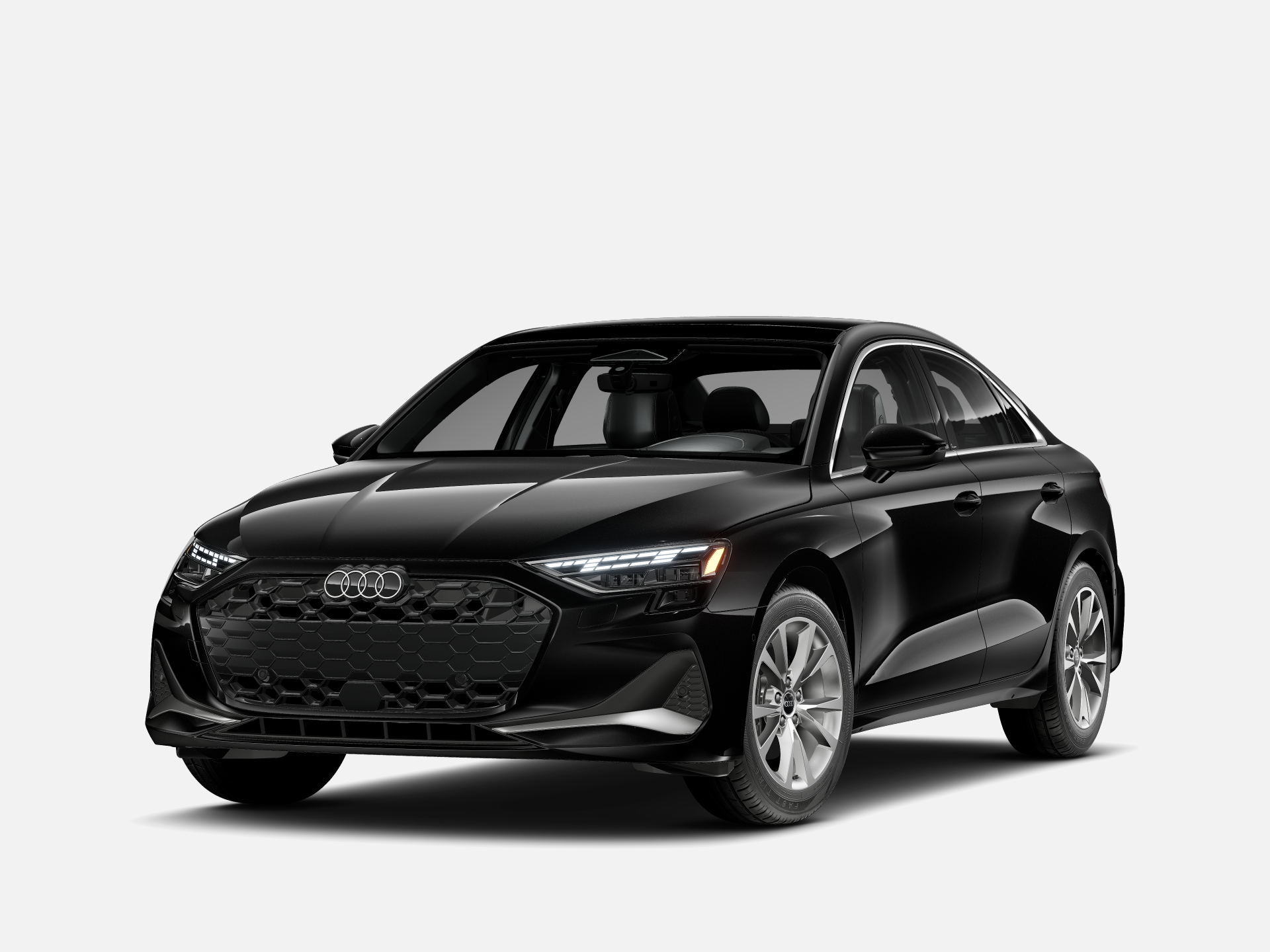
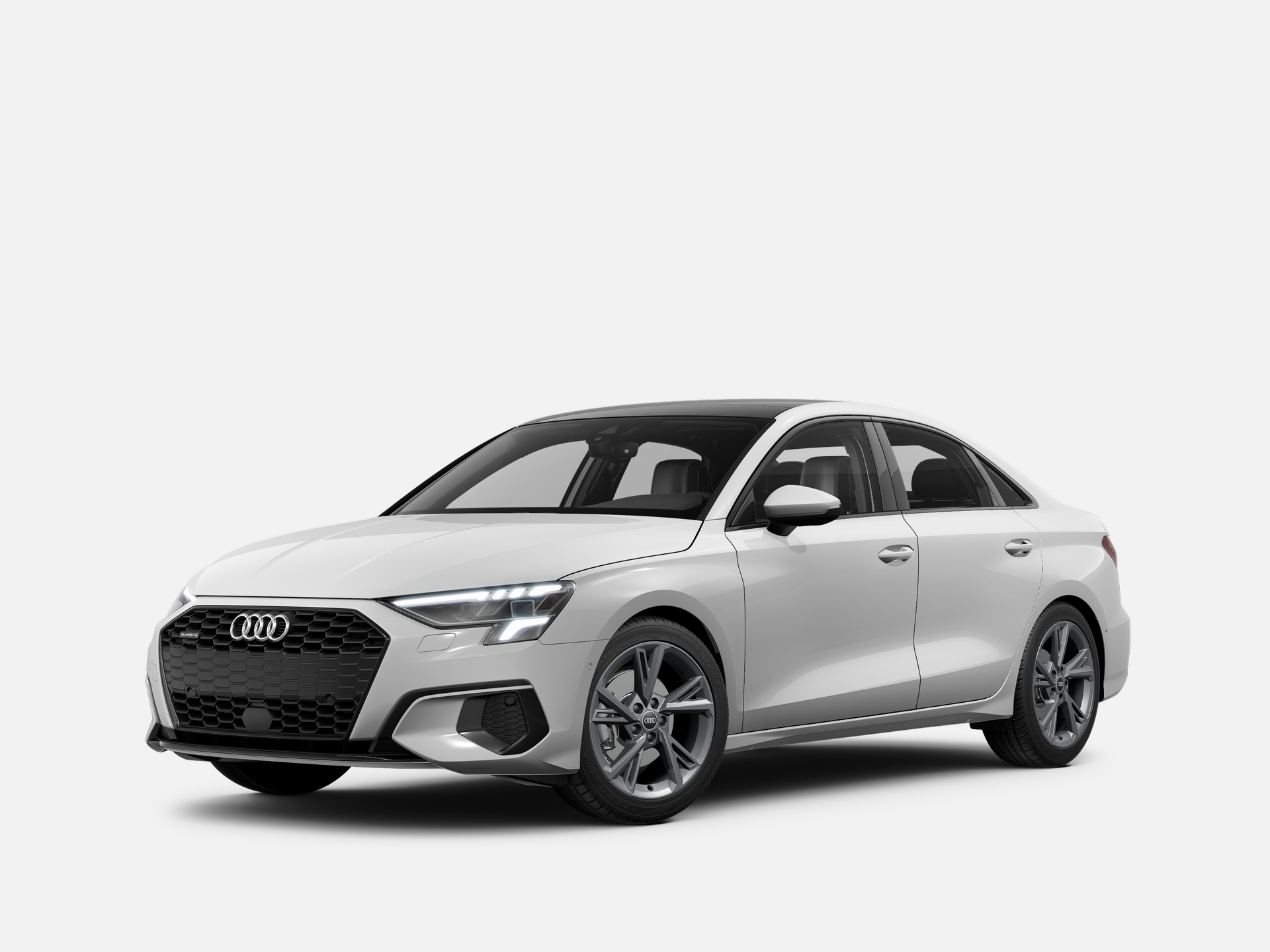
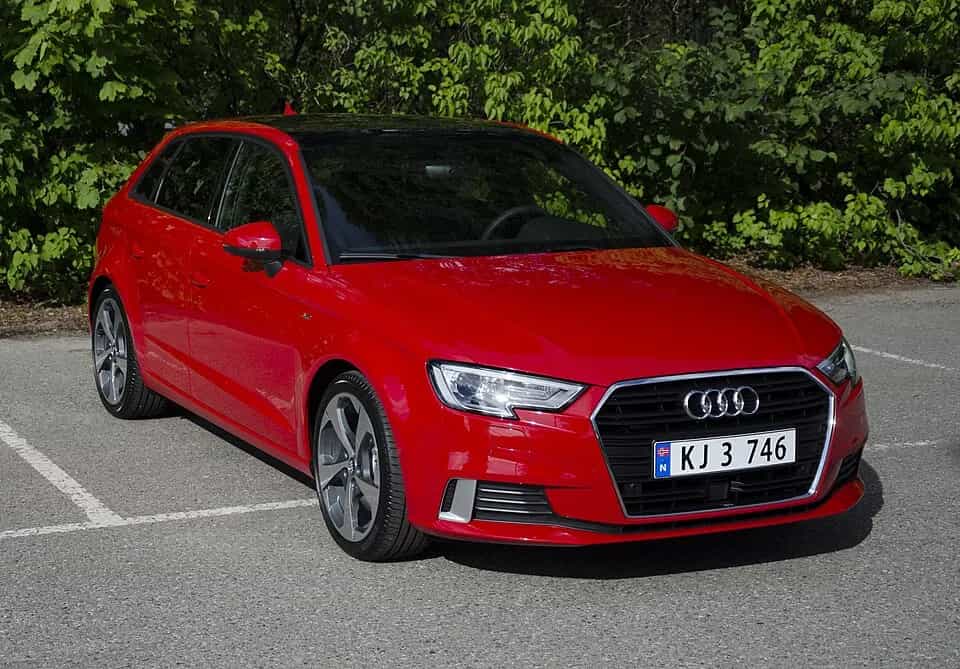
The Audi A3 is the brand's premium compact, and in the United States it has been sold almost exclusively as a four-door sedan rather than the five-door Sportback familiar to European buyers. That difference alone makes a US-sourced A3 interesting: it is a body style that is comparatively uncommon on German roads, giving imported cars a distinct look. USCar Trader arranges these imports as an independent broker, sourcing the exact car you want without acting as a dealer or adding a vehicle margin. Whether you are after a well-kept 2.0 TFSI quattro or a sporty S3, the wider American used market can hold options worth shipping across the Atlantic.

From launch to today
The A3 has run through several generations. The 8P (2003-2013) established the modern A3 as a premium hatch; the 8V (2013-2020) was the version that brought the A3 sedan to America from the 2015 model year, alongside a cabriolet; and the current 8Y (2020 onward) continues the sedan in the US with sharper styling and Audi's digital cockpit. In America the A3 line has always leaned on the sedan and, historically, the A3 e-tron plug-in hatch and the high-performance S3 and RS 3 sedans. Key mid-cycle changes on the 8V included the switch to the EA888 Gen 3 engine, updated MMI infotainment and the addition of Audi's virtual cockpit on later cars.
Engines and drivetrain in detail
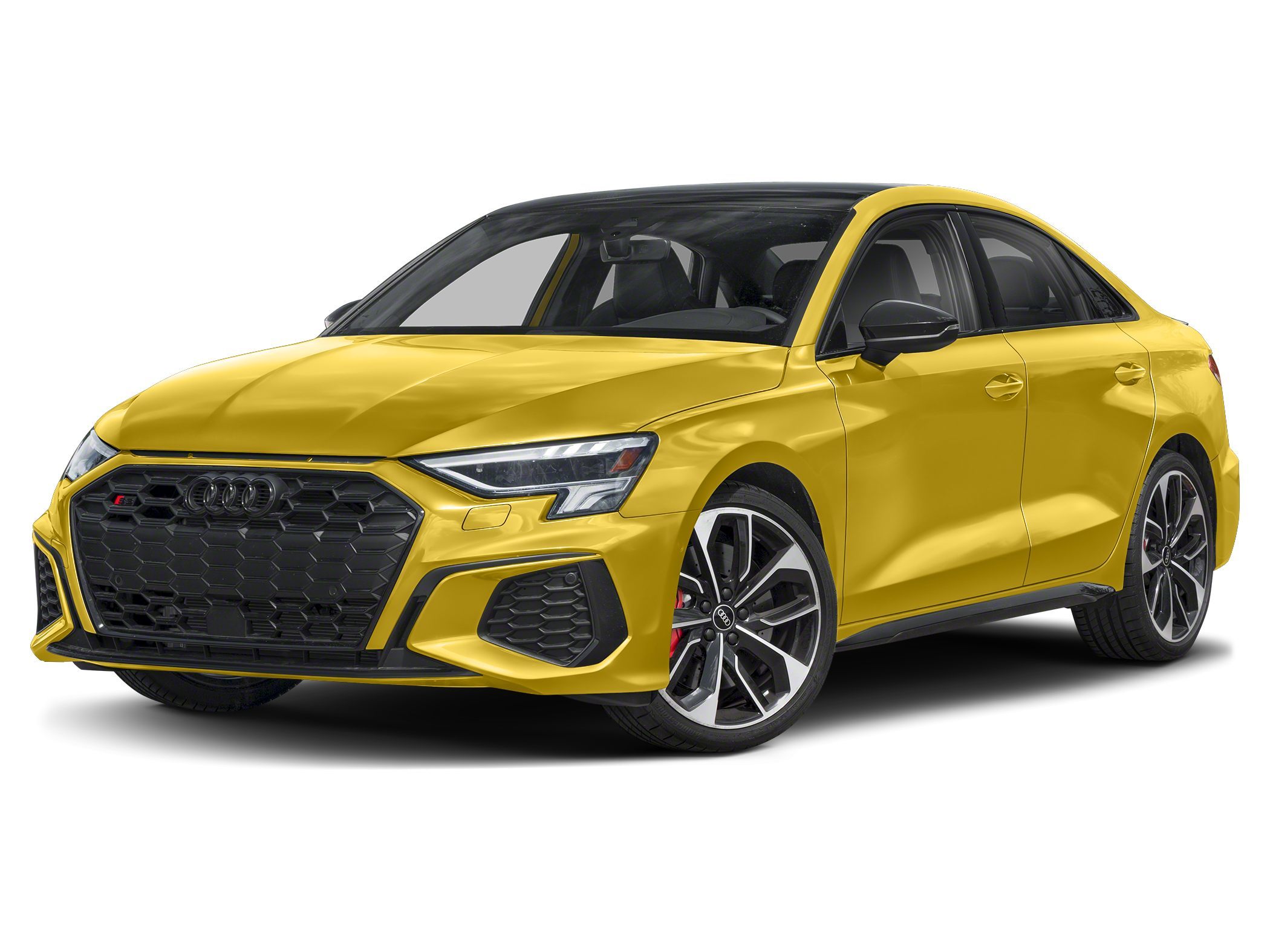
US A3 sedans are overwhelmingly powered by the 2.0-litre turbocharged four-cylinder EA888 (2.0 TFSI), producing around 184-186 hp in standard tune, paired with a six- or seven-speed S tronic dual-clutch gearbox. Earlier 8V cars also offered a 1.8 TFSI with front-wheel drive, while the 2.0 TFSI was available with quattro all-wheel drive. Step up to the S3 and the same 2.0 EA888 block is boosted to roughly 288-306 hp depending on year, always with quattro and a rapid dual-clutch transmission. The rare RS 3 sedan uses the 2.5-litre five-cylinder turbo with around 394-401 hp — one of the most charismatic engines in the segment. Diesel A3s were sold in the US only briefly and are best avoided for import.
Trim levels and variants
For the American market think sedan first, with the Cabriolet as a secondary option on the 8V. Trim walk typically runs Premium, Premium Plus and Prestige, layering on LED lighting, Bang & Olufsen audio, the virtual cockpit digital instruments, panoramic sunroof and driver-assistance packages. The S3 and RS 3 add sport seats, larger brakes, adaptive dampers (magnetic ride) and quattro as standard. Because the US skipped the mainstream Sportback, an imported A3 is nearly always a three-box sedan.
Used availability in the USA
A3 sedans are plentiful in the American used market across the 2015-2020 8V run and the newer 8Y cars, with typical mileage reflecting their role as premium commuters. Many were leased, which means regular dealer servicing and clean histories, though it also means some cars accumulated highway miles quickly. Sun-belt cars often have excellent bodywork with no road-salt corrosion — a real advantage over northern-European examples. The S3 holds strong enthusiast demand, so clean, unmodified cars are the ones to target.
When importing makes sense
A US Audi A3 suits a buyer who wants a premium compact sedan with the practicality of a boot, prefers the rarer three-box shape, or is chasing a specific S3 configuration. It is also attractive to anyone who values the rust-free condition of a southern-US car. If you specifically want the Sportback hatch, the European market serves you better, but for the sedan and the hotter S3 and RS 3, importing from America genuinely widens your choice.
Facts and figures
| Attribute | Detail (typical US A3 2.0 TFSI, 8V/8Y) |
|---|---|
| Body style | Compact premium sedan (US); Cabriolet on 8V |
| Generations | 8P (2003-13), 8V (2013-20), 8Y (2020-) |
| Engine | 2.0 TFSI EA888 turbo I4 |
| Output (2.0 TFSI) | approx. 184-186 hp |
| S3 output | approx. 288-306 hp |
| RS 3 engine | 2.5 TFSI I5, approx. 394-401 hp |
| Transmission | 6/7-speed S tronic dual-clutch |
| Drivetrain | FWD or quattro AWD |
| 0-100 km/h (2.0 quattro) | approx. 6.0 s |
| Length (8V sedan) | approx. 4,458 mm |
| Wheelbase | approx. 2,637 mm |
| Kerb weight | approx. 1,400-1,550 kg |
| Boot capacity | approx. 425 l |
| Fuel | Premium unleaded |
| Seating | 5 |
Reliability and common problems
The EA888 engine is well understood, and A3 reliability is generally solid, but there are known Audi A3 common problems worth checking. Earlier EA888 units can consume oil and are sensitive to service intervals, so verify oil-change history and top-up records. The water pump and thermostat housing (plastic) are common failure points, as are PCV valve and carbon build-up on the intake valves of direct-injection engines, sometimes needing a walnut-blast clean. The S tronic dual-clutch benefits from fluid changes on schedule; hesitation or shuddering at low speed can signal a tired mechatronic unit or clutch pack. Electrically, watch the MMI system, and on cabriolets check the folding roof mechanism. A car with a full Audi service record is the safest bet.
How US versions differ
American A3s differ in lighting (headlight beam pattern, amber side markers and often no separate rear fog lamp), speedometer graduated primarily in mph, and specification quirks such as different daytime running light layouts. US infotainment maps and radio bands may need reconfiguration for Europe. The 2.0 TFSI meets US emissions calibration; for German registration the important point is documenting emissions compliance and correcting the lighting. Some US convenience features rely on North American connected services that do not carry over.
From US purchase to registration
Importing follows a set path: select a suitable, documented A3; check the VIN and confirm the exact build plant and origin; pay via escrow so funds release only on verified handover; ship by container or RoRo to a European port; clear customs; present the car for TÜV individual approval with any needed modifications; and register locally. As your broker, USCar Trader coordinates sourcing, inspection and logistics end to end.
Costs, duty and taxes at a glance
Key point: duty depends on the plant of build; only a VIN check secures the 0% rate. Import VAT of 19% applies regardless.
Keep the two charges separate. First, EU import duty: the A3's origin is not automatically American, so the rate depends on the actual build plant shown by the VIN. Audi A3 sedans are built in Europe (for example Győr in Hungary or Ingolstadt), so a US-market car almost never has provable US origin and therefore does not qualify for the 0 percent duty of Regulations (EU) 2026/1455 and 2026/1461 (in force since 1 July 2026, direct transport, until 31 December 2029). In that case the standard EU passenger-car import duty applies. Second, always, the 19 percent German import VAT (Einfuhrumsatzsteuer) is charged on the customs value plus duty and freight. We never advertise duty-free import.
TÜV, approval and license plates
For TÜV individual approval expect to correct the headlight beam pattern to the right-hand-traffic standard, fit or activate a rear fog lamp, and document the odometer reading. The speedometer must show km/h. Emissions and noise compliance are confirmed against the type data. Once the car passes, you receive the paperwork needed to register it at your local authority.
Pre-purchase checklist
Before you buy, confirm: the full VIN and documented build origin; a Carfax or AutoCheck report free of accident, flood or lemon branding; oil-consumption and service history for the EA888; the condition of the timing and water pump service items; underbody and body panels free of hidden rust or repair; that the car has a clean, transferable title; and, on S3/RS 3, that the car is unmodified with no tuning or track abuse.
Import FAQ
Is the US Audi A3 different from the European one?
Yes. America received mainly the four-door sedan and cabriolet, not the five-door Sportback, so an imported US A3 is usually a sedan.
Does a used A3 qualify for 0 percent EU import duty?
Rarely. A3 sedans are built in Europe, so a US car lacks provable US origin and the standard EU duty applies. We verify the plant from the VIN before you commit.
Which A3 engine is best to import?
The 2.0 TFSI quattro offers the best balance; enthusiasts target the S3, and collectors the rare RS 3 five-cylinder.
What are the most common Audi A3 problems?
Oil consumption on early EA888 units, plastic water pump and thermostat failures, intake carbon build-up and occasional S tronic wear. Service history is key.
Is the 19 percent import VAT always payable?
Yes. German Einfuhrumsatzsteuer applies to every US import regardless of the car's origin or duty rate.
How many miles is too many on a used A3?
There is no hard limit, but prioritise documented service over a low reading; a well-maintained higher-mileage car often beats a neglected low-mileage one.
Can you import an S3 or RS 3?
Yes, both are importable. Clean, unmodified examples with full history are the ones we recommend.
How long does the whole import take?
Usually several weeks from purchase to German registration, mostly determined by shipping and TÜV scheduling.
Start your search with Audi in the Carhub, compare related models like the Audi A4, the Audi A3 Sedan and the performance Audi S3, or browse current Audi A3 listings and let us broker the import.